Warehouse pick modules are the operational core of modern high-volume fulfillment centers, integrating pallet reserve storage, multi-tier picking platforms, case flow racks, conveyors, and safety infrastructure into a single engineered system. As e-commerce order volumes, SKU counts, and next-day delivery expectations have grown, standalone pallet racking or standalone shelving can no longer meet the pick rates required — a modern fulfillment operation may need to pick and pack tens of thousands of individual orders per day, with each order containing a mix of SKUs from across the storage system. Pick modules solve this challenge by combining vertical space utilization, ergonomic pick face design, and workflow integration in a purpose-built structure.
This article explains what warehouse pick modules are, examines their main components and types, and outlines the design considerations that shape a functional pick module for a specific fulfillment operation.
What Are Warehouse Pick Modules?
Warehouse pick modules are multi-tier engineered storage and picking systems that combine pallet racking, elevated walkways or mezzanines, case flow or carton flow shelving, and integrated conveyor systems into a single structure — designed to maximize picking density, throughput, and vertical space utilization in high-volume fulfillment operations. Pick modules typically span two to four levels of vertical height, with the ground level often used for pallet reserve storage and the upper levels used for case picking, piece picking, or replenishment activities.
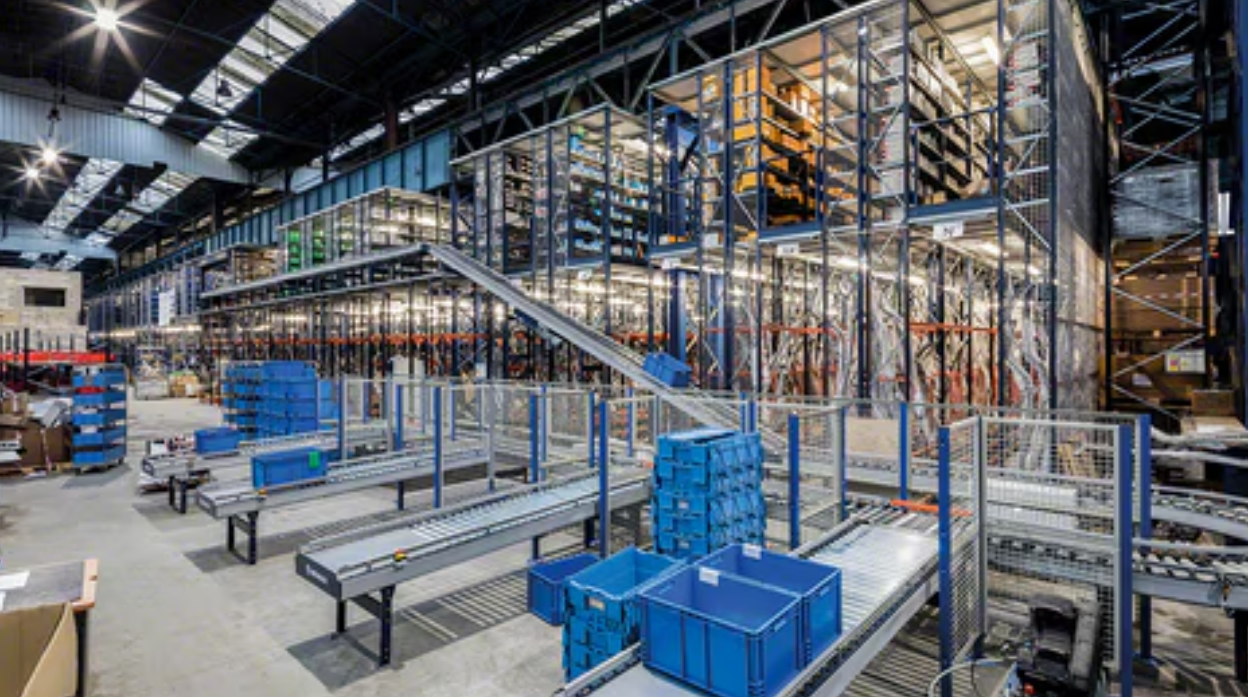
Unlike standalone racking or shelving, a pick module functions as an integrated operational unit. Cartons or totes flow through the module along conveyors, pickers work at multiple levels simultaneously, and replenishment activities can occur without disrupting active picking. Because the pick module is engineered as a single structure, all components — racking, walkway decking, staircases, sprinkler support, and lighting — must be specified and installed together. Foundational structural principles that apply to pick modules are covered in general references on mezzanine floor systems, which form the platform layer of most pick module designs.
Key Components of a Warehouse Pick Module
A warehouse pick module is built from six primary component categories, each engineered to work together as a single integrated system.
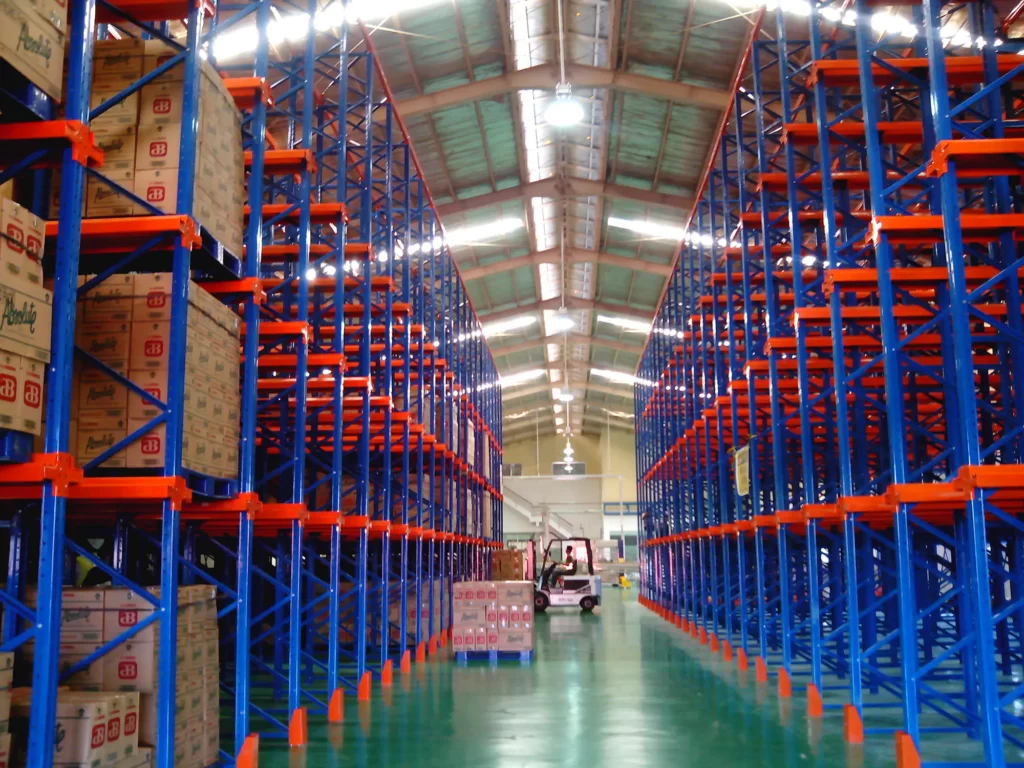
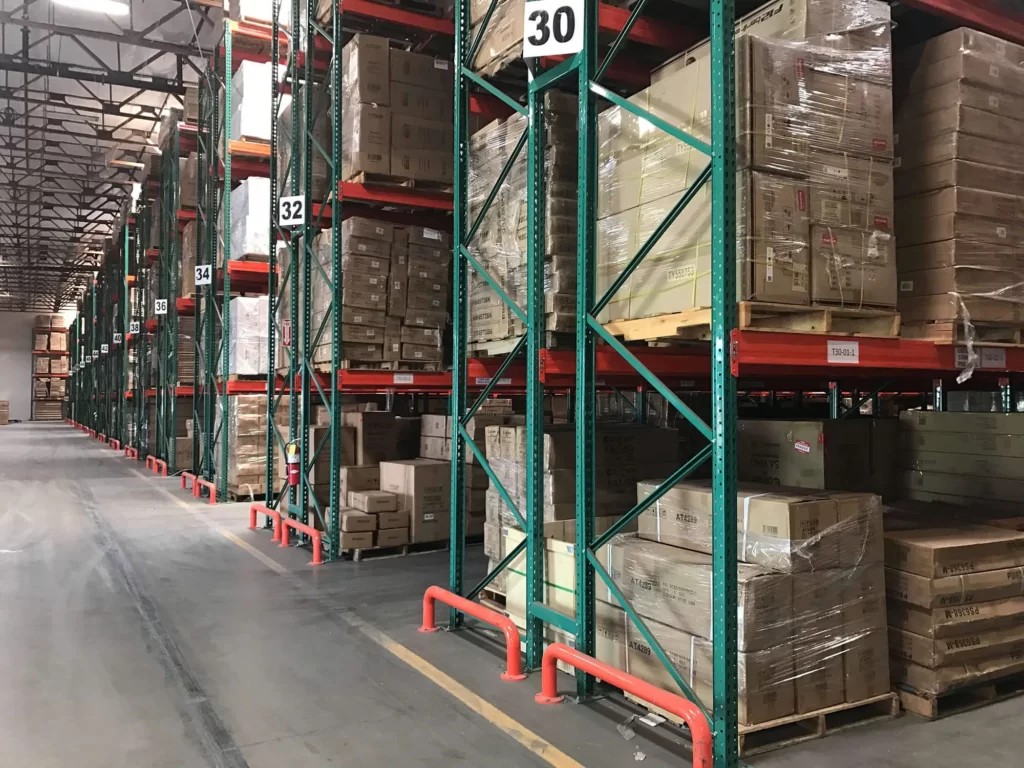
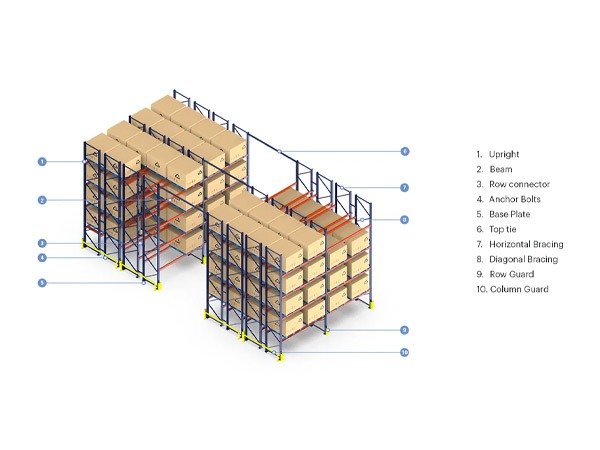
Pallet Racking Substructure. The main load-bearing framework, typically structural or heavy-duty roll-formed pallet racking that supports both stored goods and the elevated walkways above. In rack-supported pick modules, the racking itself serves as the structural support for all upper levels.
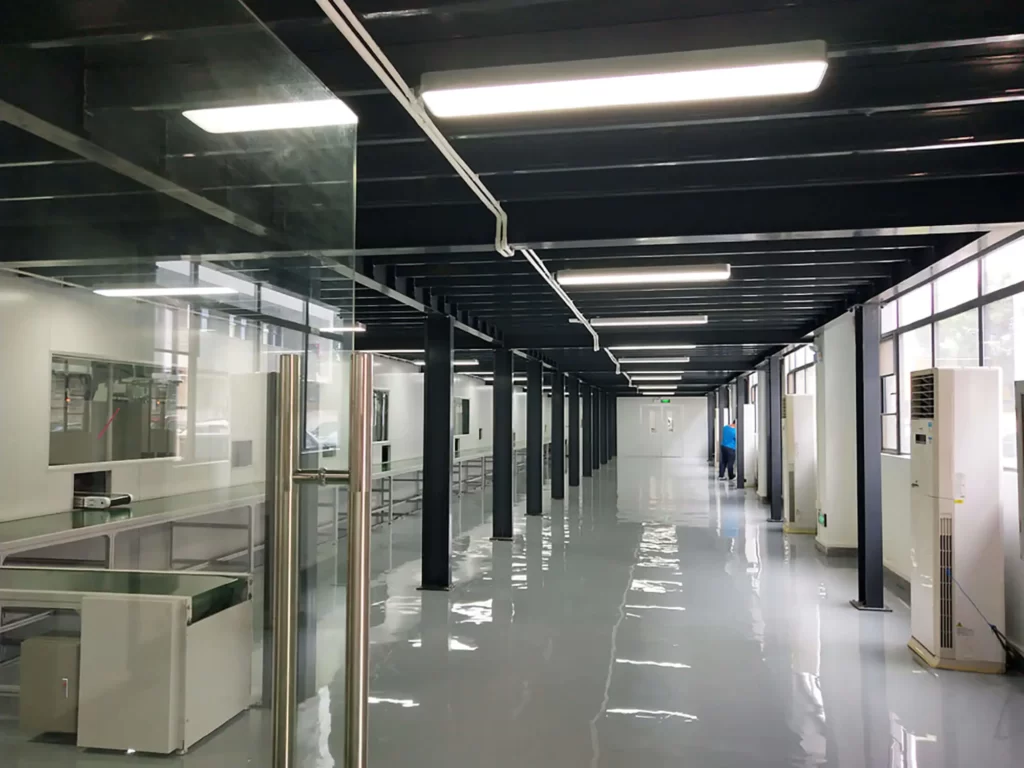
Elevated Walkways and Mezzanine Decking. Steel walkway platforms provide operator access to upper pick levels. Decking is typically bar grating, closed steel plate, or resin-coated fiberboard, chosen based on load rating, fire code requirements, and pick face configuration.
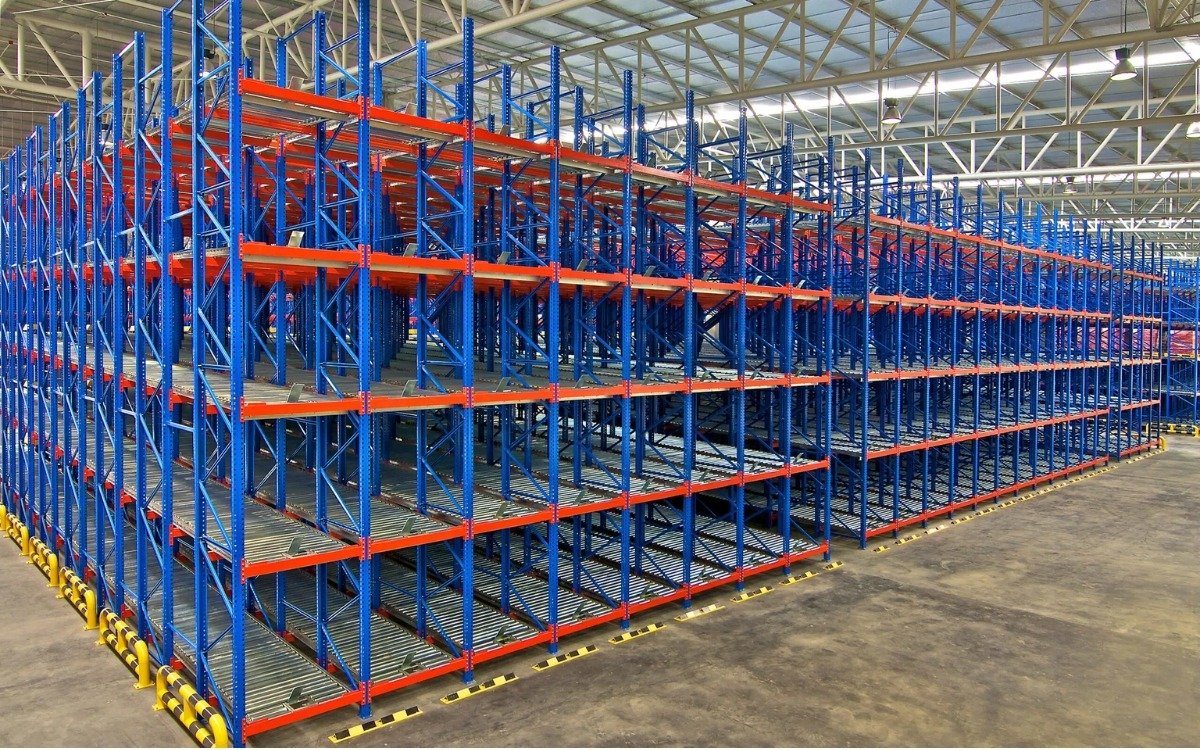
Picking Shelving and Case Flow Rack. The active pick face is typically populated with carton flow racking at ergonomic heights, standard shelving for slow movers, and drawer or bin systems for very small items. Carton flow modules automatically rotate stock in FIFO order as pickers remove cases from the front.
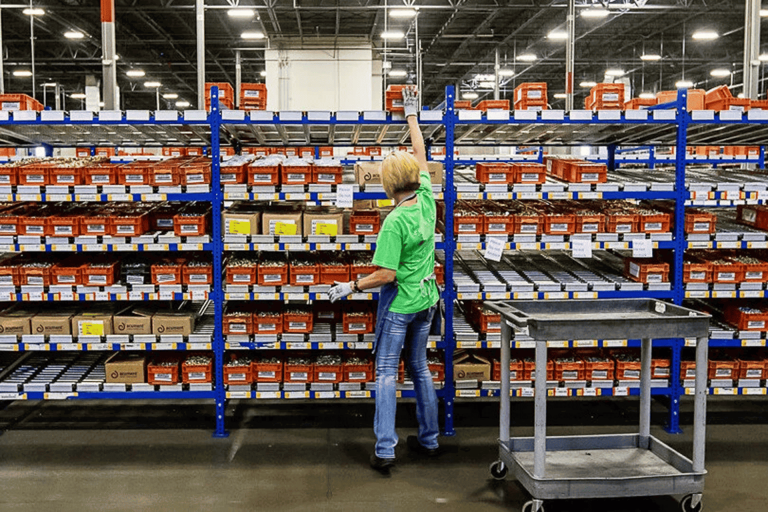
Conveyor Systems. Horizontal conveyors move totes and cartons between pick zones, while inclined or spiral conveyors move goods between levels. Conveyor integration is central to pick module productivity — orders travel through the module without operators leaving their pick zones.
Staircases, Handrails, and Safety Infrastructure. Multi-level access requires OSHA-compliant staircases, handrails, kick plates, and pallet gates for loading upper levels. Safety infrastructure is not optional; it is engineered into the module from the design phase.
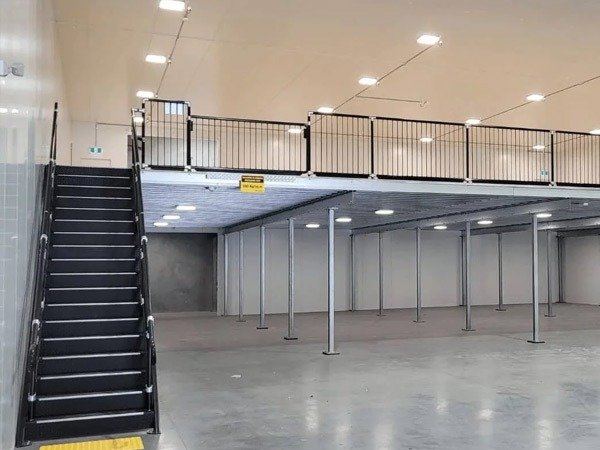
Lighting, Fire Protection, and Utility Integration. Task lighting at each pick level, in-rack sprinklers where required by fire code, and integrated cable trays for pick-to-light, voice-picking, and warehouse management system connectivity.
Main Types of Warehouse Pick Modules
Pick modules are available in several configurations, each suited to different building envelopes, load profiles, and operational patterns.
Rack-Supported Pick Module. The pallet racking itself carries all vertical load, including upper walkways and any equipment installed on them. Rack-supported configurations are cost-effective when the space beneath the walkways is used exclusively for pallet storage. The trade-off between rack-supported and free-standing designs is discussed in dedicated references on rack-supported versus steel structure mezzanine systems.
Structural Mezzanine Pick Module. A free-standing structural steel mezzanine provides the upper platforms, independent of any racking. This configuration allows the ground floor to be used for any purpose — pallet storage, packing zones, offices, or automation — and supports higher point loads on upper levels.
Multi-Tier Pick Module. Two, three, or four levels of elevated pick zones stacked vertically. Multi-tier designs maximize pick density per square meter of floor space but require careful engineering of vertical conveyors, staircase capacity, and evacuation routes.
Single-Tier Pick Module. A single elevated pick platform above ground-level pallet storage. Simpler and less costly than multi-tier designs, suitable for medium-volume operations that do not require extreme pick density.
Hybrid Pick Module. Combines multiple pick technologies — for example, case flow racking for fast movers, standard shelving for medium movers, and bin systems for slow movers — within a single integrated module. Hybrid designs match pick technology to SKU velocity profile.
Advantages of Warehouse Pick Modules
Pick modules deliver several operational advantages that standalone systems cannot match. Vertical space utilization typically doubles or triples the pick face area available per square meter of floor space. Pick rates increase because operators work in dense zones without long travel distances between picks. FIFO rotation is enforced automatically through carton flow racks. Replenishment can occur from the pallet reserve side without disrupting active picking on the pick face. Integration with conveyors, pick-to-light, and WMS systems supports throughput rates that would be impossible with standalone shelving. Safety improves because personnel work in defined zones with structured travel paths rather than moving throughout an open warehouse.
Applications and Industries
Pick modules are deployed across several industry segments where high SKU counts and high order volumes converge.
E-commerce Fulfillment. The largest single application. Pick modules support the thousands-of-orders-per-day throughput required by online retailers. Detailed context on optimizing e-commerce warehousing covers how pick modules fit into broader fulfillment center design.
Pharmaceutical Distribution. Multi-tier pick modules with strict environmental controls support case and piece picking of pharmaceutical products with FIFO rotation and full traceability.
Retail Distribution. Grocery, apparel, and general merchandise distribution centers use pick modules for case picking to supply retail stores.
Health, Beauty, and Cosmetics. High SKU counts with small unit sizes make pick modules ideal for beauty and personal care fulfillment.
Auto Parts Distribution. Automotive aftermarket distributors handle thousands of SKUs with variable order profiles, benefiting from pick module density and flexibility.
3PL Fulfillment. Third-party logistics providers use pick modules to serve multiple clients from a single facility with configurable pick zones.
Design Considerations
Several factors determine whether a pick module will perform effectively over its 15–25 year service life.
SKU Velocity Analysis. Slotting fast-moving SKUs at ergonomic heights (waist to shoulder level) and slow movers at upper or lower positions is critical to pick rate. Velocity-based slotting is typically embedded in the module design.
Vertical Height and Level Count. Ceiling height, fire code sprinkler clearance, and pick tier count must balance density with structural and safety requirements. Most pick modules operate within a 6–12 meter total height.
Conveyor Layout. Conveyor routing between pick zones determines throughput ceiling. Poorly designed conveyor layouts create bottlenecks that no amount of picking effort can resolve.
Pick Technology Integration. Pick-to-light, voice picking, and RF scanning all impose slightly different infrastructure requirements. Cable trays, network drops, and power outlets must be planned into the module design.
Fire Protection. Multi-tier modules typically require in-rack sprinklers, adequate egress routing, and structural fire ratings that comply with local codes and NFPA guidelines. Fire protection design should be resolved before structural design is finalized.
Regulatory Compliance. Pick module structures must comply with rack design standards published by the Rack Manufacturers Institute (RMI) and workplace safety requirements from OSHA, including staircase design, handrail specifications, and fall protection at pick faces.
Comparison Table: Warehouse Pick Module Types
| Configuration | Structural Design | Typical Levels | Best Use Case | Capital Cost |
|---|---|---|---|---|
| Rack-Supported Single-Tier | Rack carries all load | 1 elevated tier | Medium-volume case picking | Low |
| Rack-Supported Multi-Tier | Rack carries all load | 2–3 tiers | High-volume e-commerce, retail | Medium |
| Structural Mezzanine | Free-standing steel structure | 1–4 tiers | Ground floor multi-use, heavy loads | Medium–High |
| Multi-Tier Structural | Free-standing multi-level | 3–4 tiers | Maximum pick density, large fulfillment | High |
| Hybrid Pick Module | Integrates multiple systems | 1–3 tiers | Diverse SKU velocity, mixed pick types | Medium–High |
The optimal configuration depends on order volume, SKU count, building envelope, and whether the ground floor space beneath the module must support other functions.
How to Plan a Warehouse Pick Module
Step 1: Analyze Order Profile and SKU Velocity.
Document typical orders per day, order lines per order, average items per line, and SKU velocity distribution. This drives pick face configuration, tier count, and technology selection.
Step 2: Establish Structural Requirements.
Confirm floor load capacity, ceiling height, column grid, fire protection layout, and any building envelope constraints that will shape the module design.
Step 3: Choose Rack-Supported or Structural Design.
Rack-supported is more cost-effective when the ground floor is used entirely for pallet storage. Structural mezzanine designs support any ground floor use at higher capital cost.
Step 4: Design Pick Face and Slotting Strategy.
Match pick technology (carton flow, shelving, bins) to SKU velocity. Reserve ergonomic pick heights for fast movers. Plan replenishment access from the opposite side of the pick face.
Step 5: Integrate Conveyor and Pick Technology.
Plan conveyor routing, transfer points, and pick-to-light or voice-picking infrastructure into the module design. Retrofitting these systems after installation is significantly more expensive.
Step 6: Verify Safety, Fire, and Structural Compliance.
Confirm compliance with rack design standards, workplace safety requirements, fire codes, and applicable building permits. Multi-tier modules face stricter fire and evacuation requirements than single-tier designs.
Key Takeaways
- Warehouse pick modules integrate pallet racking, mezzanines, carton flow, conveyors, and safety infrastructure into a single multi-level fulfillment system.
- Six main components include pallet racking, walkway decking, picking shelving/carton flow, conveyors, staircases and safety infrastructure, and utility integration.
- Main types include rack-supported single- and multi-tier, structural mezzanine, multi-tier structural, and hybrid pick modules.
- E-commerce fulfillment is the largest single application, followed by pharmaceutical, retail, health and beauty, and auto parts distribution.
- Vertical space utilization typically doubles or triples pick face area per square meter of floor space compared with standalone shelving.
- SKU velocity slotting, vertical height, conveyor layout, pick technology, and fire protection are the primary design considerations.
- Pick module design must be resolved as an integrated system rather than as a collection of standalone components.
Frequently Asked Questions
1. What is a warehouse pick module?
A warehouse pick module is a multi-tier engineered storage and picking system that combines pallet racking, elevated walkways, case flow shelving, and conveyors into a single integrated structure. Pick modules are used in high-volume fulfillment operations to maximize picking density and throughput per square meter of floor space.
2. What is the difference between a pick module and a mezzanine?
A mezzanine is a general-purpose elevated platform that can be used for many functions. A pick module is a specific configuration of mezzanine or rack structure combined with picking shelving, carton flow racks, and conveyor systems specifically engineered for order fulfillment operations.
3. How many tiers can a pick module have?
Most pick modules operate at two to four tiers, with three tiers being the most common in e-commerce fulfillment. Total height is typically 6–12 meters, constrained by ceiling height, fire code requirements, and evacuation planning.
4. What is the difference between rack-supported and structural pick modules?
Rack-supported pick modules use the pallet racking itself as the load-bearing structure for upper walkways. Structural pick modules use free-standing steel structures independent of any racking. Rack-supported designs are more cost-effective when the ground floor is used only for pallet storage; structural designs offer more flexibility.
5. Do pick modules require in-rack sprinklers?
Most multi-tier pick modules require in-rack sprinklers in addition to overhead sprinklers, with specific requirements determined by tier count, commodity classification, and applicable fire codes. Fire protection design should involve a qualified fire protection engineer from the concept stage.
6. Which industries use pick modules most?
E-commerce fulfillment is the largest application, followed by pharmaceutical distribution, retail distribution, health and beauty, auto parts, and 3PL fulfillment. Any operation with high order volumes and high SKU counts benefits from pick module density and throughput.
7. Are pick modules compatible with automation?
Yes. Pick modules integrate readily with pick-to-light, voice picking, RF scanning, conveyor systems, sortation equipment, and warehouse management systems. Many modern pick modules also incorporate autonomous mobile robots (AMRs) or goods-to-person automation at specific tiers.
8. How long does it take to install a warehouse pick module?
Installation timelines vary with size and complexity, but typical projects range from 8 weeks for small single-tier modules to 6–9 months for large multi-tier installations with integrated conveyor systems. Engineering and permitting typically add another 3–6 months to the total project timeline.
Conclusion
Warehouse pick modules represent the evolution of fulfillment from standalone storage into integrated operational systems designed around order flow rather than just pallet storage. By combining pallet racking, elevated walkways, case flow racks, conveyors, and pick technology into a single multi-tier structure, pick modules deliver the picking density, throughput, and vertical space utilization that modern e-commerce and B2C distribution demand. Because a pick module is an integrated system rather than a collection of components, its design must be resolved holistically — SKU velocity, tier count, conveyor routing, pick technology, and fire protection all interact from the earliest concept stage.
For warehouse operators planning pick modules, the design typically involves multiple system components — pallet racking, mezzanine or elevated walkways, carton flow rack, shelving, and safety accessories — sourced together to ensure structural and dimensional compatibility. Mracking is one of the Chinese manufacturers producing the racking, mezzanine, and carton flow components used in pick module construction, with configurations engineered to match e-commerce, pharmaceutical, retail, and 3PL fulfillment requirements alongside integration with third-party conveyor and control systems.