What Is Steel Rolling?
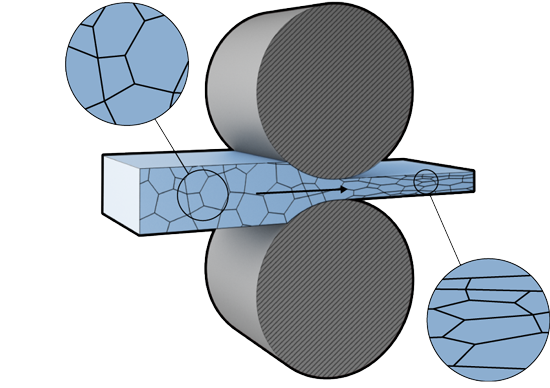
Steel rolling is a manufacturing technology that makes steel thinner and reshapes it. It rolls metal on rotating rolls of a rolling mill. You manipulate dimensions and enhance uniformity in production. The process improves the shape accuracy and mechanical properties. You are able to make sheets, plates, bars, and structural profiles. Hot rolling is applied by manufacturers above the recrystallization temperature. They roll at lower temperature to achieve greater strength and better surface finish.
What Is Hot Rolled Steel?
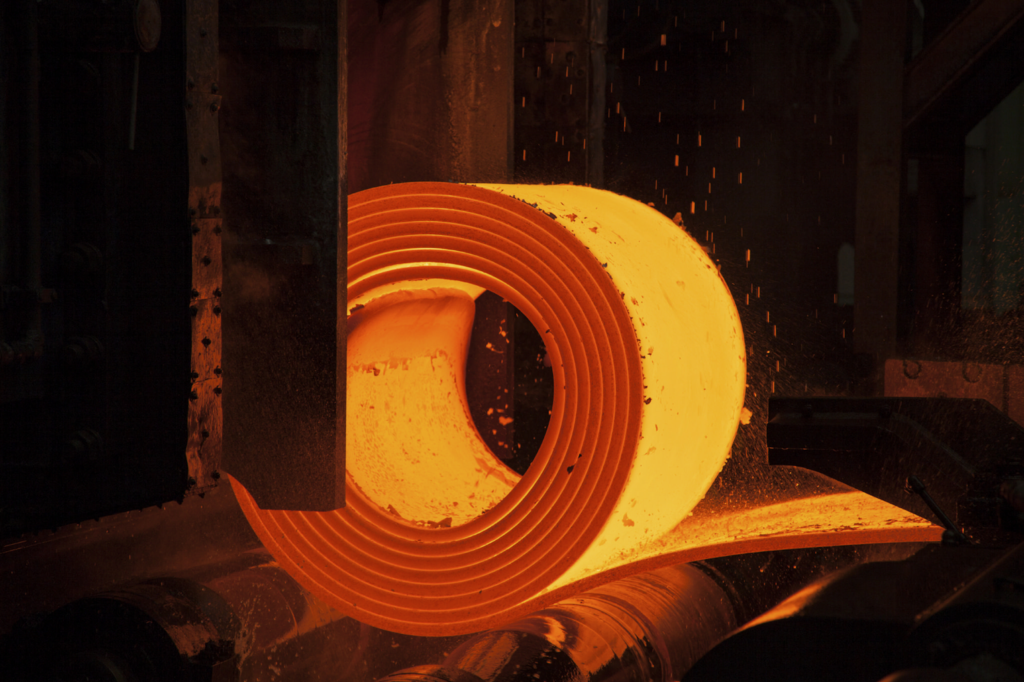
Hot rolled steel is formed at high temperatures which exceed the recrystallization temperature of the steel, which is normally over 900C. This high heat renders the metal so soft and malleable. You are able to shape it into large structural parts with fewer obstacles. This process is used by manufacturers to produce beams, sheets, and plates.
Characteristics of Hot Rolled Steel
Surface Texture: Hot rolled steel acquires a minor rough texture since elevated temperatures cause surface scaling in the course of cooling. This finish is very easy to see, and is commonly used in structural work and in heavy fabrication.
Rounded Edges: Rounding is a production process that yields rounded edges and corners. This feature enhances handling safety, and you enjoy enhanced formability in construction projects and in general engineering use.
Dimensional Accuracy: Hot rolling is performed at a temperature that exceeds recrystallization temperature, and this minimizes tight dimensional tolerances. Minor differences in thickness and width, particularly against cold rolled steel products in practice, should be anticipated. A related guide on Low Temperature Cold Storage Racks gives more detail for this part of the planning work.
Stress Relief: When subjected to high-temperature processing, internal stress is relieved in the process of cooling. This enhances stability in the structure and also contributes to the uniform mechanical performance to enable you to utilize hot roll steel in large parts and welded assemblies with ease in the demanding applications.
Common Applications of Hot Rolled Steel
- Structural beams
- Construction frameworks
- Rail tracks
- Large industrial components
- Heavy plates and pipes.
What Is Cold Rolled Steel?
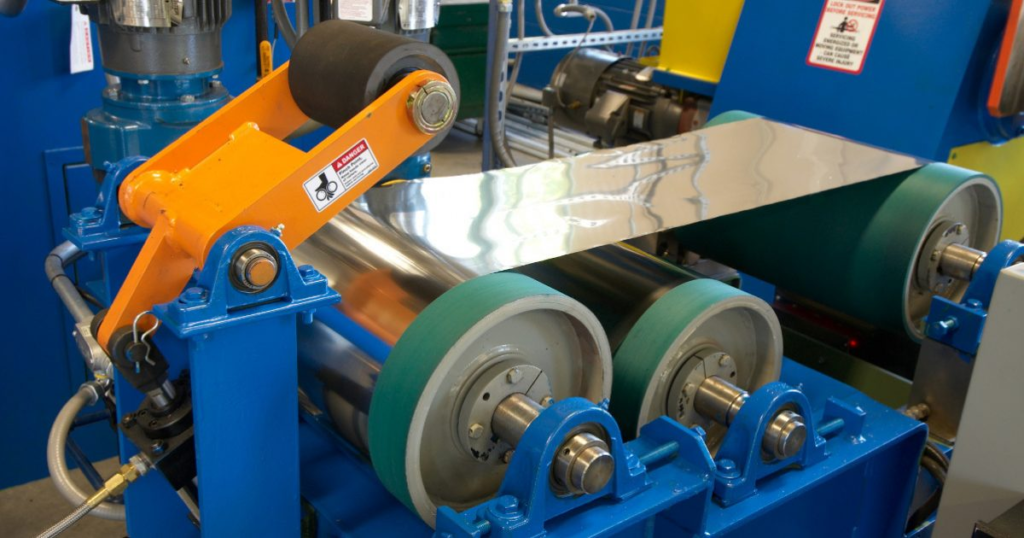
Cold rolled steel is steel that has been hardened by hot rolling at room temperature or nearer. Manufacturers recrystallize it to make it thinner and enhance surface finish. You have finer tolerances, finer surfaces, and higher dimensional accuracy. This is done to improve appearance, hardness and performance to precision applications. You enhance general project reliability. For a closer comparison, see Freezer Warehouse.
Characteristics of Cold Rolled Steel
Smooth Surface Finish: Cold rolled steel provides a clean smooth surface finish which improves appearance and performance. Coatings are easy to apply as the surface has few scale, rust or imperfections left after processing.
Greater Dimensional Accuracy: With cold rolling, dimensional accuracy is enhanced, thus you will have uniform measurements in all sheets. This accuracy assists you in fulfilling stringent engineering requirements and minimizes the mistakes when cutting, forming, or assembling. For product-level details, review The to Cold Storage Warehouse Requirements.
Greater Strength: Strength is enhanced by the process of strain hardening that provides you with better mechanical performance. Your tensile strength and durability are increased, particularly where there is load resistance and structural integrity in application.
Sharper Corners and Uniform Thickness: You have sharper corners and uniform thickness that manufacturers produce, therefore you have components that fit exactly. Such consistency enables you to put parts together without difficulty and achieve close tolerances in challenging fabrication projects.
Perfectly applicable in Precision Fabrication: Cold rolled steel is perfect to use in Precision Fabrication since it allows intricate shaping and precise machining. It is dependable in creating automotive components, appliances, furniture and other engineered goods.
Common Applications of Cold Rolled Steel
- Automotive panels
- Home appliances
- Steel furniture
- Precision components
- Storage systems and shelving.
Key Differences Between Hot-Rolled and Cold-Rolled Steel
1. Manufacturing Process
Hot-Rolled Steel:
You form hot-rolled steel over the recrystallization temperature. This heating is a high temperature that facilitates shaping. The process lowers the stress levels inside and promotes mass production. During rolling you can make broad sections effectively.
Cold-Rolled Steel:
You hot roll cold-rolled steel at room temperature. This additional measure enhances precision and surface characteristics. You get enhanced thickness control and fine structure. The procedure increases the dimensional uniformity of accurate applications.
2. Strength and Hardness
Hot-Rolled Steel:
Hot-rolled steel offers mediocre strength and excellent ductility. It is less resistant to bending and shaping. It can be used in general structural work where hardness is not needed to be extreme. The material works well in the normal load conditions.
Cold-Rolled Steel:
Work hardening increases the strength of cold-rolled steel. You have the advantage of hardness and enhanced mechanical performance. The process improves deformation resistance. It is effective in high-stress working conditions that demand higher structural integrity.
3. Dimensional Accuracy
Hot-Rolled Steel:
Hot-rolled steel is produced to standard tolerances. There might be some dimensional changes when cooled. These transformations are natural in that the material contracts. It is still appropriate to use in projects that are not subject to high accuracy.
Cold-Rolled Steel:
Cold-rolled steel provides finer tolerances and better precision. You get uniform dimensions to assemble correctly. The controlled process reduces thickness and shape dispersion. It is used in engineering works that involve precise and stable measurements.
4. Surface Finish
Hot-Rolled Steel:
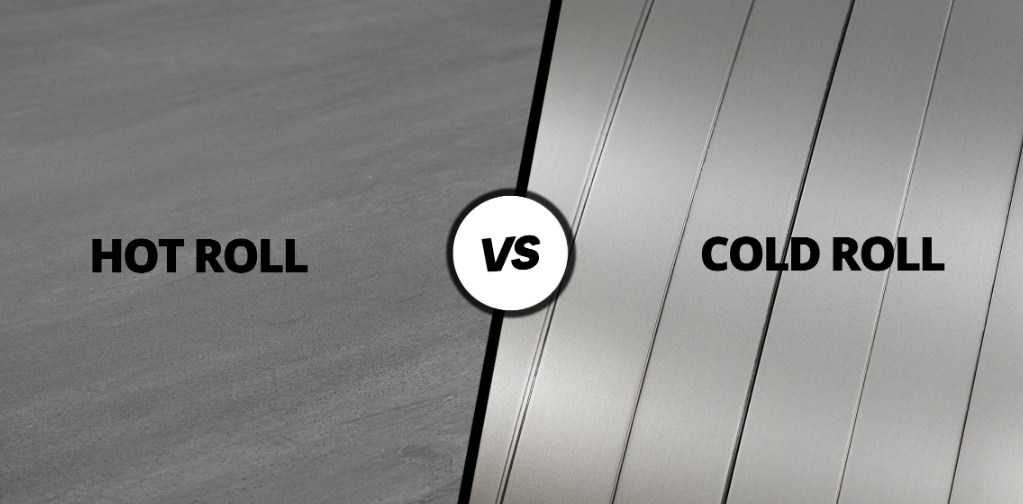
Hot-rolled steel normally acquires scaled and rough finish. Visible applications may require more finishing. The surface condition is a product of high-temperature processing. It is suitable in structural elements that are not visible.
Cold-Rolled Steel:
Cold-rolled steel has a clean and smooth surface. It may be applied in visible products. The polished surface enhances aesthetic and attachment of coating. It helps in use in applications where the quality of the surface matters.
5. Thickness and Section Availability
Hot-Rolled Steel:
Hot-rolled steel comes in heavier thickness and structural forms. You may pick it to be used on heavy-duty construction projects. Large material dimensions are facilitated by the process. It works in beams, structures and infrastructure.
Cold-Rolled Steel:
Cold-rolled steel is usually made in finer gauges. You select it when the exact thickness is required. The material is appropriate in detailed parts and lightweight structures. It helps in applications that need fine forming and proper sizing.
6. Cost Differences
Hot-Rolled Steel:
Hot-rolled steel is usually cheaper because it is less complicated to process. You cut costs of production through less manufacturing processes. This economies of scale is beneficial in large-scale structural projects. It provides cost-effective operation in general industry.
Cold-Rolled Steel:
Cold-rolled steel is more expensive due to further processing. You pay more to get a better finish and accuracy. The increased cost is an indication of the greater strength and narrower tolerances. It is applicable in projects in which performance warrants higher cost. This point also connects with Which is better stainless steel racking or steel racking?.
7. Suitability for Fabrication
Hot-Rolled Steel:
Hot-rolled steel is used in general fabrication, welding, and bending. It can be used in building and construction. It is easy to shape when manufacturing. It works well in big structural assemblies.
Cold-Rolled Steel:
Precision fabrication and detailed components are supported by cold-rolled steel. You get the correct results in the manufacturing of appliances and automobiles. The finishing quality is enhanced by the smooth surface. It suits well in components that need specifications.
What Are Warehouse Racks?
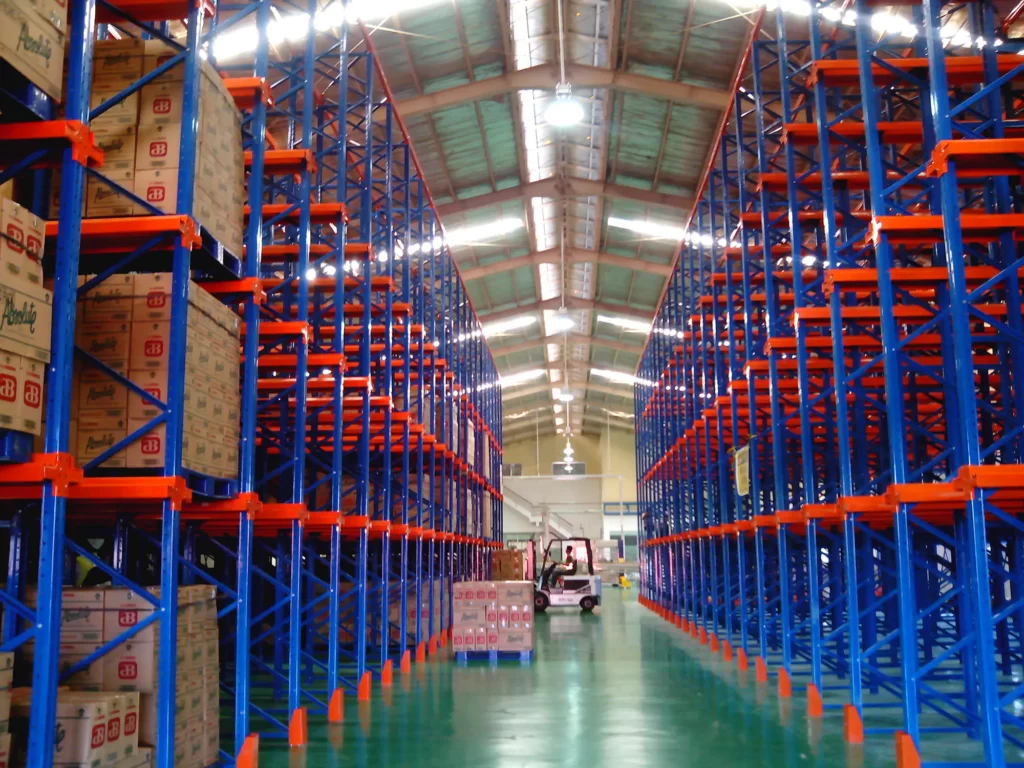
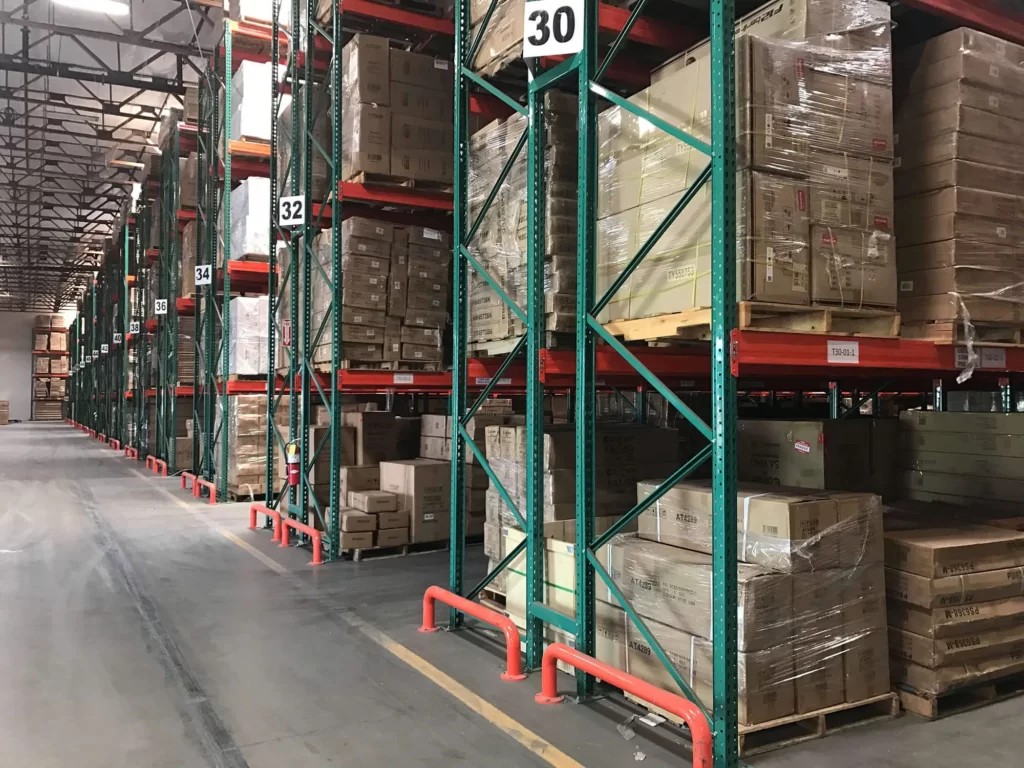
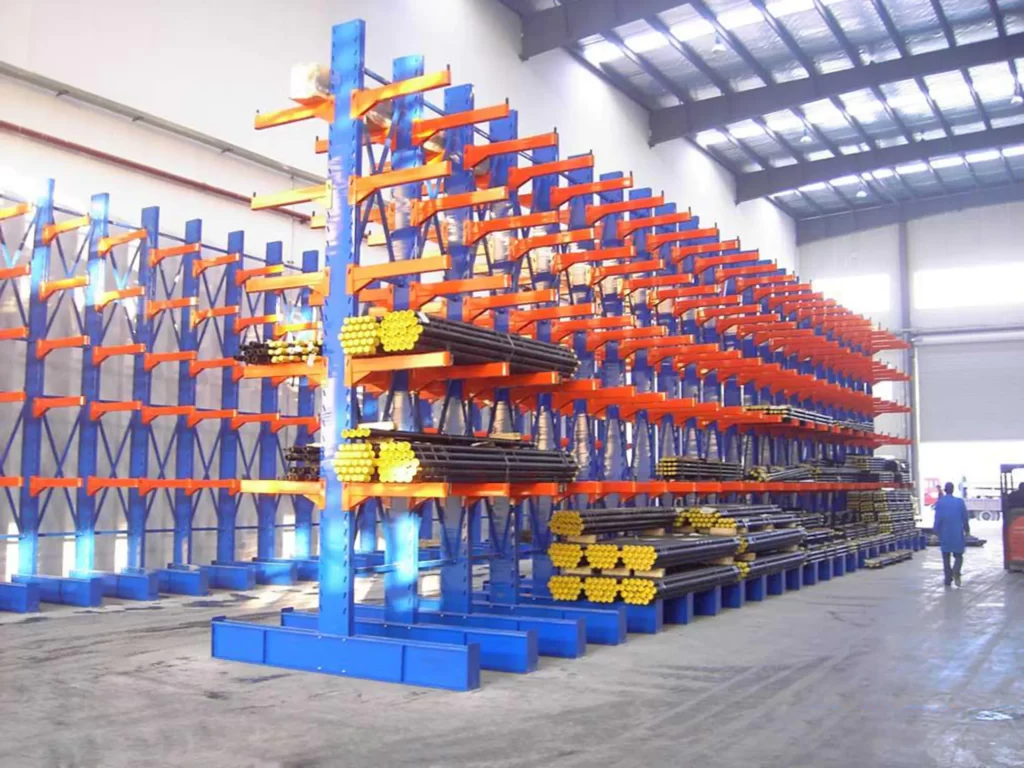
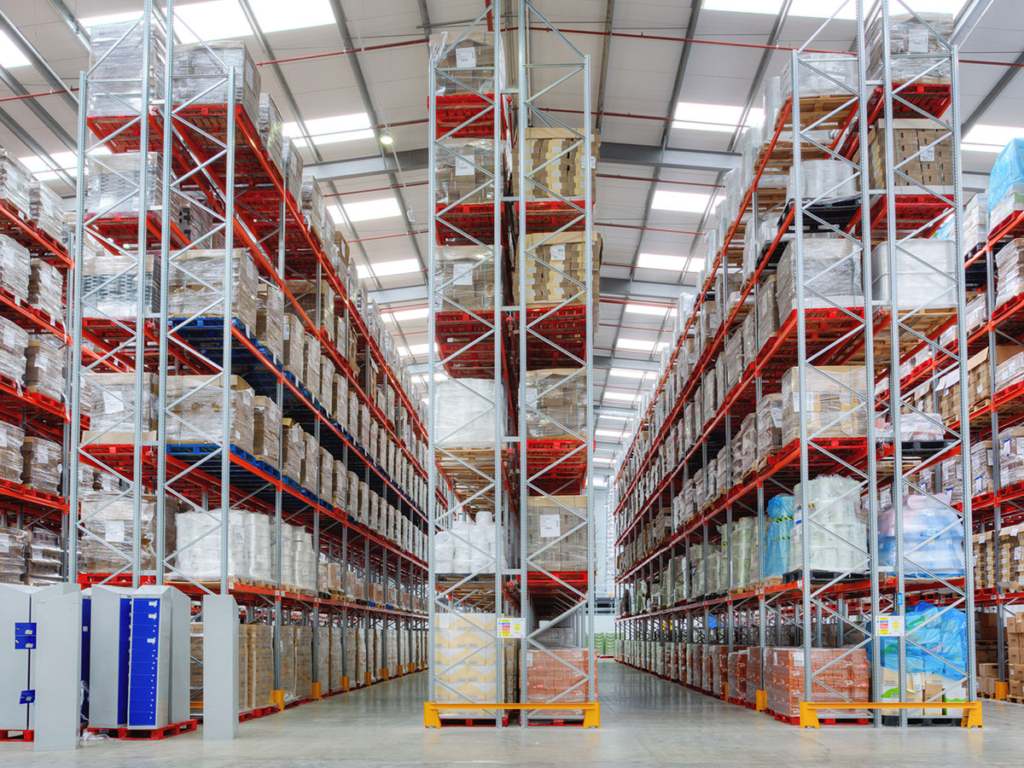
Warehouse racks are structural storage that arrange efficiently palletized goods. You utilize them to maximize space in warehouses, factories and distribution centers. These systems enhance inventory management, safety and picking speed. The typical ones are selective pallet racks, drive-in racks, cantilever racks, push-back racks, pallet flow racks, and mezzanine systems. Its major elements are uprights, beams, bracing, decking panels, base plates, and anchors to provide strength and stability. For broader industry context, Rack Manufacturers Institute (RMI) is a useful reference.
Core Functional Requirements
- Load-bearing strength.
- Stability and safety.
- Dimensional consistency.
- Modular assembly.
- Long-term durability.
Why Cold Rolled Steel Is Preferred for Warehouse Racks?
Superior Dimensional Accuracy
Cold rolled steel provides tight dimensional tolerances in order to construct racks precisely. You get proper frame alignment and minimize chances of misalignment during installation process. This accuracy will facilitate risk-free assembly and stable warehouse performance. You ensure structural regularity in large installations.
Enhanced Strength Through Work Hardening
Cold rolling enhances the strength of yielding by controlled deformation. You obtain more vertical elements which can withstand heavy loads. This enhancement lowers bending and structural distortion with time. You increase the longevity of challenging warehouse settings. Activities remain unteetered at high pressure.
Better Surface Finish
Cold rolled steel offers a fine and polished surface finish. You enhance coating adhesion and corrosion protection systems. The clean finish reduces the defects in the fabrication process. You do get a steady output in painting and galvanization. This improves long term surface durability.
Improved Load Stability
Racks are uniform in thickness and guarantee predictable structural performance. You stand upon beams and upright frames. Uniform material characteristics minimize the occurrence of stress concentrations. Thou art a truer believer in taller systems. This stability ensures the safety of inventory and equipment. Any installation is advantageous.
Safety Considerations
Cold rolled steel enhances uniformity of structural elements. You eliminate structural failure risks by ensuring regular quality control. Trustworthy dimensions will reduce mistakes during assembly on-site. You enhance general warehouse safety measures successfully. Trust is further increased with consistency in mass production.
Aesthetic and Professional Appearance
Cold rolled steel gives a clean and modern industrial appearance. You display well-arranged storage spaces to visitors and employees. Flat surfaces indicate quality and detailing. You increase professional credibility in working facilities. Brand image is supported internally by visual consistency.
Efficiency in Manufacturing
Cold rolled steel is appropriate to fabrication processes. You automate manufacturing with laser cutting and CNC. The material is managed by automated lines. You eliminate waste by precise and consistent shaping. This compatibility accelerates large scale orders. There is steady production.
Compatibility with Modular Design
The racks in the warehouse must be flexible to accommodate the changing storage requirements. In modular systems, you have the advantage of constant part interchangeability. Movable parts rely on accurate material specifications. You rearrange layouts with structural simplicity. This flexibility facilitates effective warehouse growth.
Structural Design of Cold-Rolled Warehouse Rack Components
Upright Columns
The main load-carrying structure of your warehouse rack system is made of upright columns. They transmit pallet forces directly onto the floor and stabilize vertically. You use them to cut holes so that you can safely and efficiently adjust beam heights. Sturdiness of construction is in the form of steel. Developed to perform over time.
Horizontal Beams
Horizontal beams are used to interlock upright frames and spread the loads of pallets uniformly through the structure. You move them to exact heights to suit inventory requirements. Their high profiles resist the bending forces and safe transfer of loads in the daily operations of the warehouse. Consistency matters.
Bracing Systems
Bracing systems reinforce the rack to resist lateral forces and accidental impact. Your advantage is that you have diagonal and horizontal members, which minimize the sway and enhance structural rigidity. Stability is improved by the presence of properly installed bracing, particularly in tall design and in high-traffic warehouse settings on a daily basis.
Safety Locks and Connectors
Beam ends are firmly fastened in upright holes with safety locks and connectors. These components should always be engaged so as to avoid accidental dislodging during loading or movement. Stable locking systems safeguard workers, keep alignment and integrity of the rack in harsh environments.
Why Hot Rolled Steel Is Less Common in Warehouse Racks
Lower Dimensional Precision
Hot rolled steel has broader tolerances in its manufacture. You might have minor differences in thickness and size. Such inconsistencies may make it hard to assemble the rack and align it. The systems of warehouses require accurate connections to achieve structural stability, the distribution of loads, and the long-term safety of operations.
Rough Surface Finish
Hot rolled steel is normally full of mill scale and rough texture. You have to work extra to level surfaces prior to fabrication. Coarse finishes decrease uniformity in fitted elements and connections. Clean surfaces enable you to get contact and precision in structures.
Reduced Suitability for Modular Design
The racks in the warehouse are based on standard modules and repeatable components. You should have regular dimensions to be able to swap. Hot rolled steel can cause variations that break modular connections. Accurate materials will enable you to have consistent assembly and reliable performance of storage systems.
Coating and Surface Treatment Challenges
Hot rolled steel is frequently subjected to a lot of surface preparation followed by coating. To obtain good adhesion of paint, you have to remove mill scale. Further refinement adds to the cost and time of production. Cold rolled options assist you in streamlining finishing and providing more dependable protective finishes.
Less Optimal for Visible Structural Components
New warehouses are focused on clean and professional looks. You frequently use rack systems in customer-oriented or organized settings. Harsh finishes may decrease aesthetic value and regularity. The ease of smoother materials enables a sophisticated appearance, which assists you to sustain quality and operational confidence in general.
Why Mracking Leads in High-Quality Cold-Rolled Steel Warehouse Racking Systems?
Mracking is a reliable manufacturer of warehouse storage solutions, which has been operating a modern production plant of more than 20,000 square meters and has a history of more than 16 years. The company focuses on high-quality cold-rolled steel racking systems that are precision-engineered to be primarily made of high-quality cold-rolled steel to guarantee dimensional accuracy, structural strength and smooth surface finish that can be applied to protective finishes. Through CAD-based design systems, Mracking designs modular rack systems that are customized to suit the various load requirements, pallet size, and warehouse layouts without compromising safety and quality standards. The company can offer durable, reliable, and economical warehouse racking solutions to its customers in more than 40 countries around the globe by utilizing the benefits of cold-rolled steel, including enhanced strength through work hardening, along with highly consistent manufacturing tolerances.
Conclusion
Finally, hot-rolled and cold-rolled steel are differentiated based on precision, strength, the quality of the surface, and price. The storage racks in the warehouse require high tolerances, smooth finishes, and stable modular assembly to ensure safe operations. Cold-rolled steel is more accurate and stronger to these requirements. This is the reason why manufacturers such as Mracking employ high quality cold-rolled steel to provide efficient, safety-oriented and durable racking systems. With the right material, you are guaranteed of long term stability, efficiency in operations, and reliability in the performance of the warehouse in the modern facilities.