Warehouse organization is the foundation of every successful logistics, manufacturing, and e-commerce operation. When your warehouse is properly organized, orders are fulfilled faster, inventory is accurate, safety improves, and costs drop dramatically. Poor warehouse organization, on the other hand, leads to lost time, misplaced goods, higher labor costs, and frustrated customers.
At Mracking, we have helped thousands of Chinese and international businesses transform chaotic warehouses into highly efficient, organized spaces using smart racking systems. This comprehensive guide covers everything you need to know about warehouse organization — from basic principles to advanced warehouse organization ideas and practical warehouse organization tips that you can implement immediately. A related guide on Warehouse Storage ideas to Improve Organization gives more detail for this part of the planning work.
Whether you run a small 3PL facility, a large distribution center, or a manufacturing plant, this article will show you exactly how to organize a warehouse for maximum productivity in 2026.
Why Warehouse Organization Matters More Than Ever in 2026
In today’s competitive market, warehouse organization is no longer a nice-to-have — it is a competitive necessity. E-commerce growth, same-day delivery expectations, and rising labor costs have made efficient space utilization and fast order picking critical for survival.
Well-organized warehouses achieve:
- 30–50% faster order fulfillment
- 99%+ inventory accuracy
- 20–40% reduction in labor costs
- Fewer picking errors and returns
- Better safety and compliance with Chinese GB standards
Poor warehouse organization creates hidden costs: workers waste hours searching for items, inventory goes missing, and space is wasted. According to industry data, disorganized warehouses lose an average of 15–25% of potential productivity every year.
The good news is that with the right storage systems from Mracking and proven warehouse organization tips, any facility can achieve world-class efficiency.
Benefits of Proper Warehouse Organization
Implementing strong warehouse organization delivers measurable results across multiple areas.
Increased Productivity and Throughput
Organized layouts reduce walking distance and searching time. Workers spend more time picking and less time looking. With proper racking and labeling, throughput can increase by 40% or more without adding staff.

Higher Inventory Accuracy
When every pallet, bin, and box has a dedicated, clearly marked location, inventory accuracy jumps from 90% to 99%+. This eliminates stockouts and overstocking, freeing up working capital.
Improved Safety and Compliance
Clear aisles, properly loaded racks, and visible signage reduce accidents. Organized warehouses meet stricter Chinese safety regulations and lower insurance premiums.
Better Space Utilization
Smart warehouse organization ideas like vertical storage, narrow-aisle racking, and flow systems can increase usable space by 30–60% without expanding the building. For a closer comparison, see Messy Warehouse.
Lower Operational Costs
Reduced labor hours, fewer errors, and optimized space all translate into lower costs per order. Many clients report 25–35% overall cost savings after reorganizing with Mracking systems.
Scalability for Growth
A well-organized warehouse is easy to scale. Adding new SKUs or increasing volume requires only minor adjustments rather than a complete redesign.
Step-by-Step Guide to Organize a Warehouse
Follow this proven process to organize a warehouse effectively.
Step 1: Assess Your Current Layout and Operations
Begin with a full audit:
- Measure current space utilization percentage
- Map product flow from receiving to shipping
- Identify bottlenecks and dead zones
- Record current picking times and error rates
- List all SKU types and their turnover rates
Use simple tools like floor plans and spreadsheets. At Mracking, we offer free layout audits to help you identify quick wins.
Step 2: Define Clear Zones and Workflows
Divide your warehouse into logical zones:
- Receiving area
- Storage zone (bulk and pick areas)
- Packing and shipping zone
- Returns and quarantine area
- Office and break area
Design one-way traffic flow to prevent congestion. Place fast-moving items near packing stations and slow-movers in higher or deeper locations.

Step 3: Choose the Right Storage Systems
The backbone of any successful warehouse organization is the racking system. At Mracking, we recommend:
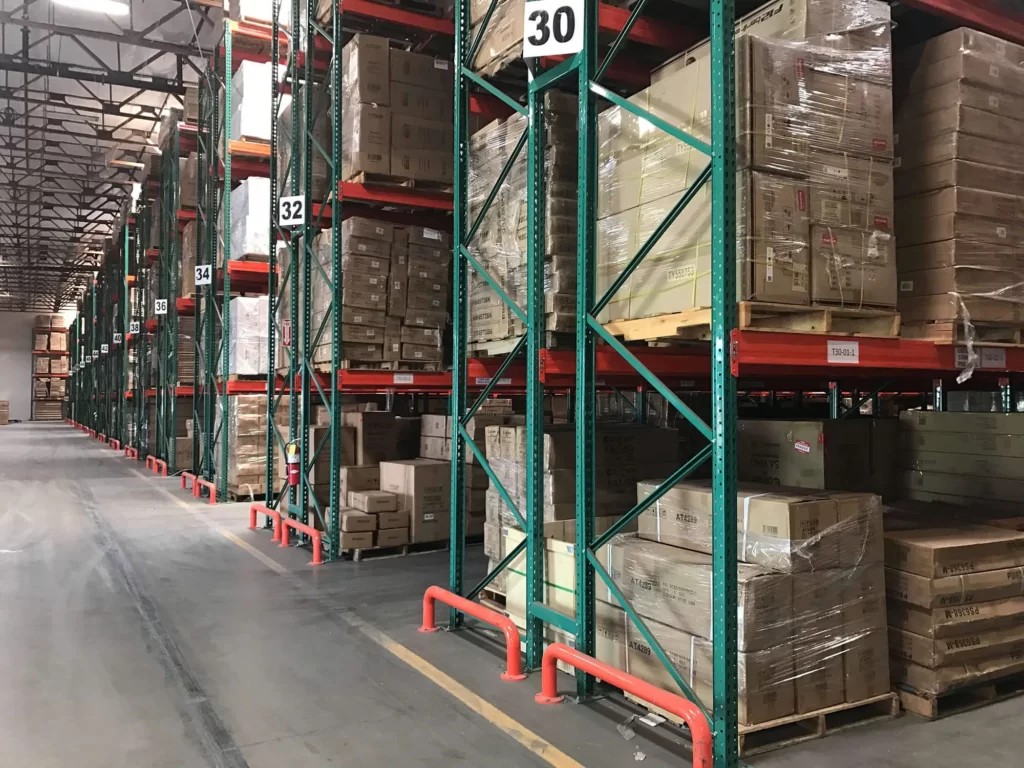
- Selective pallet racking for mixed SKUs
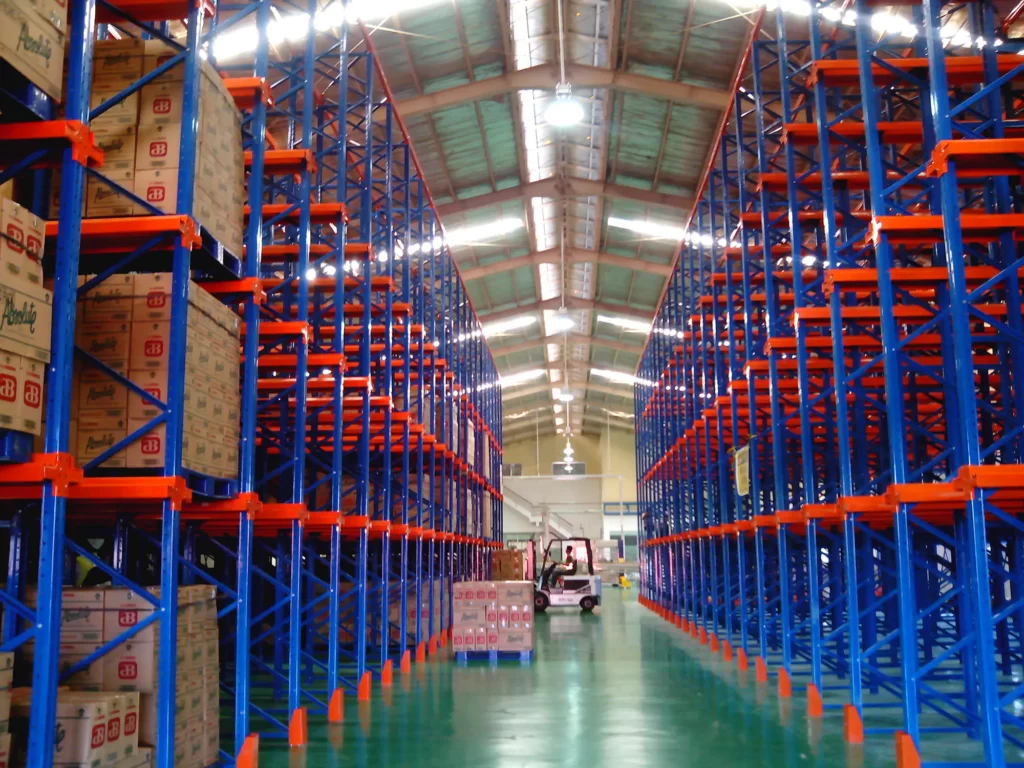
- Drive-in racking for high-density homogeneous goods
- Push-back or pallet flow for FIFO requirements
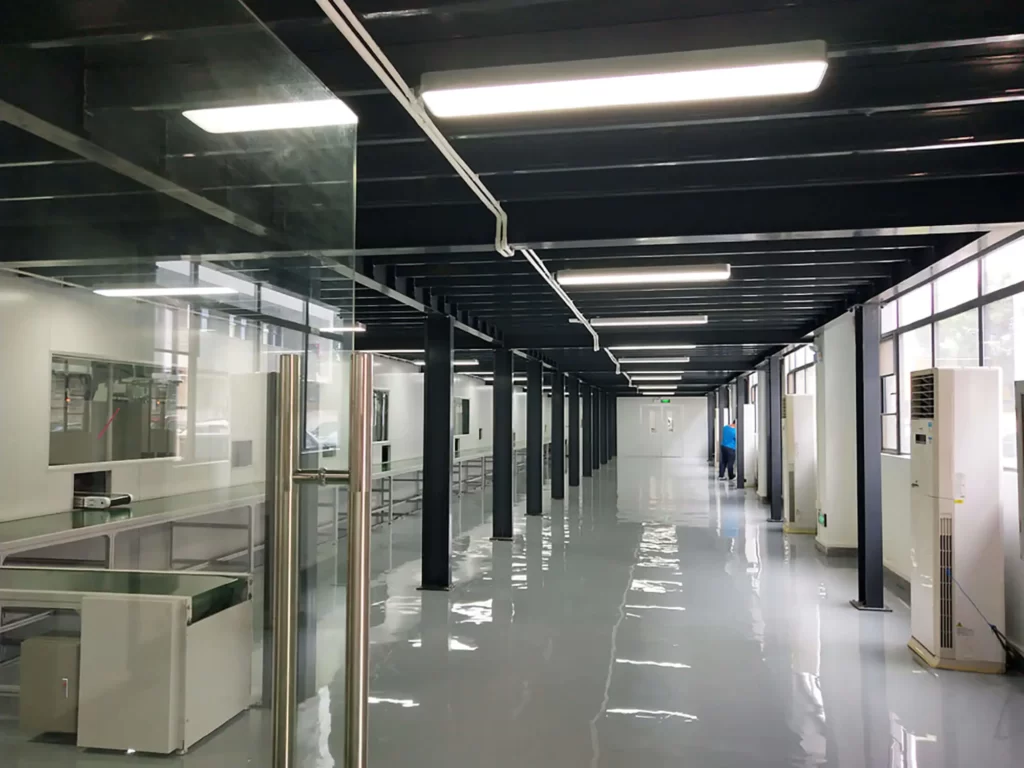
- Mezzanine systems for vertical expansion
Our racking is precision-engineered for easy reconfiguration and perfect compatibility with forklifts and AGVs.
Step 4: Implement Labeling and Location System
Every location must have a unique address (e.g., A-03-05-B for aisle A, bay 3, level 5, side B). Use large, durable labels with barcodes or QR codes. Color coding by product category speeds up picking dramatically. This point also connects with Vna Very Narrow Aisle Racking.
Step 5: Optimize Picking and Packing Processes
- Slot fast-movers in golden zone (waist height)
- Use batch picking for multiple orders
- Position packing stations near high-volume storage
- Integrate conveyor systems where volume justifies it
Step 6: Maintain and Continuously Improve
Schedule regular 5S audits (Sort, Set in order, Shine, Standardize, Sustain). Review layout every 6 months as product mix changes.
Warehouse Organization Ideas for Maximum Efficiency
Here are proven warehouse organization ideas that deliver real results:
Vertical Storage Optimization
Use tall racking up to 12–15 meters with proper seismic bracing. Mezzanine levels can double your usable space without expanding the footprint.
Narrow-Aisle and Very Narrow Aisle (VNA) Systems
Reduce aisle width from 3.5 m to 1.8 m or less with specialized reach trucks or turret trucks. This idea alone can increase storage capacity by 40%.
ABC Analysis Slotting
Classify items as A (fast movers), B (medium), C (slow). Place A items in the most accessible locations and C items higher or deeper. This warehouse organization idea cuts picking time by 30–50%.
Flow-Through and Gravity Systems
Install pallet flow racking for FIFO disciplines. Products move forward automatically, eliminating the need to reach deep into racks.
Dedicated Zones for Different Product Types
Create separate temperature-controlled zones, hazardous material areas, and high-value item cages. Clear zoning prevents cross-contamination and improves security.
Color-Coded and Visual Management
Use color-coded bins, floor tape, and shadow boards. Visual management makes it easy for new staff to find items quickly.

5S Implementation
Apply the 5S methodology systematically. Remove unnecessary items, organize remaining tools, clean daily, standardize procedures, and sustain through audits.
Technology Integration
Add RFID, voice picking, or pick-to-light systems. These tools work best when paired with well-organized racking from Mracking.
Warehouse Organization Tips from Industry Experts
Here are practical warehouse organization tips you can start using today:
Tip 1: Start Small and Scale
Don’t try to reorganize the entire warehouse at once. Begin with one aisle or one product category, measure results, then expand.
Tip 2: Use the Golden Zone Rule
Place the most frequently picked items between knee and shoulder height. This reduces bending and reaching, cutting fatigue and injury risk.
Tip 3: Keep Aisles Clear and Consistent
Maintain fixed aisle widths and mark them clearly. Never use aisles for temporary storage — it destroys flow.
Tip 4: Implement First-In-First-Out (FIFO)
Arrange storage so older stock is picked first. Pallet flow racking or push-back systems make FIFO automatic.
Tip 5: Label Everything
Every rack bay, shelf, and bin needs a clear label. Include both human-readable text and barcodes/QR codes.
Tip 6: Regularly Audit and Re-slot
Schedule quarterly reviews of SKU velocity. Move fast-movers closer to packing and slow-movers farther away.
Tip 7: Train Staff on New Layout
Provide clear maps and conduct hands-on training. Workers who understand the system maintain organization better.

Tip 8: Use Modular and Adjustable Systems
Choose racking that allows easy beam level changes. At Mracking, all our systems are fully adjustable for future flexibility.
Tip 9: Integrate Safety Features
Install rack guards, backstops, and netting. Safety is part of good warehouse organization.
Tip 10: Measure and Track KPIs
Track picking time, error rate, space utilization, and order accuracy monthly. Use data to drive continuous improvement.
Common Warehouse Organization Mistakes to Avoid
Many warehouses fail because of these frequent errors:
- Overloading racks beyond rated capacity
- Using fixed layouts that cannot adapt to changing SKUs
- Ignoring vertical space
- Poor labeling and location system
- Allowing clutter and temporary storage in aisles
- Lack of regular audits
Avoiding these mistakes is easier when you start with high-quality, modular racking from Mracking.
How Mracking Helps You Achieve Perfect Warehouse Organization
Our smart racking systems are specifically designed to support excellent warehouse organization:
- Precision manufacturing for perfect alignment
- Modular design for easy reconfiguration
- High load capacities with built-in safety features
- Compatibility with automation and labeling systems
- Professional design and installation services
Thousands of Chinese businesses have transformed their operations using Mracking storage solutions. From selective racking for mixed goods to high-density drive-in systems, we have the right solution for every warehouse organization need. For product-level details, review Warehouse Rack Labels. For broader industry context, Rack Manufacturers Institute (RMI) is a useful reference.
Conclusion: Start Organizing Your Warehouse Today
Effective warehouse organization is one of the highest-ROI improvements you can make in 2026. With the right layout, storage systems, and consistent processes, you can dramatically increase efficiency, reduce costs, and improve customer satisfaction.
At Mracking, we specialize in helping businesses organize a warehouse that works for them. Whether you need new racking, a complete redesign, or expert advice on warehouse organization ideas and warehouse organization tips, our team is ready to help.
Contact us today for a free warehouse layout consultation and quotation. Let’s turn your warehouse into a well-organized, high-performance operation that gives you a real competitive edge.