Perishable goods warehousing is a specialized form of warehousing and distribution of temperature-sensitive goods. This infrastructure is critical to the food, beverage, pharmaceutical, floriculture and biotech industries every day. World Bank estimates the losses due to cold chain spoilage to be as high as almost $34 billion per year for businesses worldwide. This point also connects with Low Temperature Cold Storage Racks.
Apart from the dry storage facilities, the perishable warehouses need more regulatory compliance and more equipment investment. It also differs from traditional warehouses because of its ability to monitor everything in real time and because of the tighter SLAs. Bad storage decisions can lead to compliance issues, profit losses, and unhappy customers.
The selection of the appropriate warehousing strategy, technology and logistics partner helps to safeguard profitability and operational stability. This article covers warehousing models, compliance standards, cold chain technologies and key partner evaluation criteria for perishable goods.
Categories of Perishable Goods Storage and Their Requirements
Fresh Produce
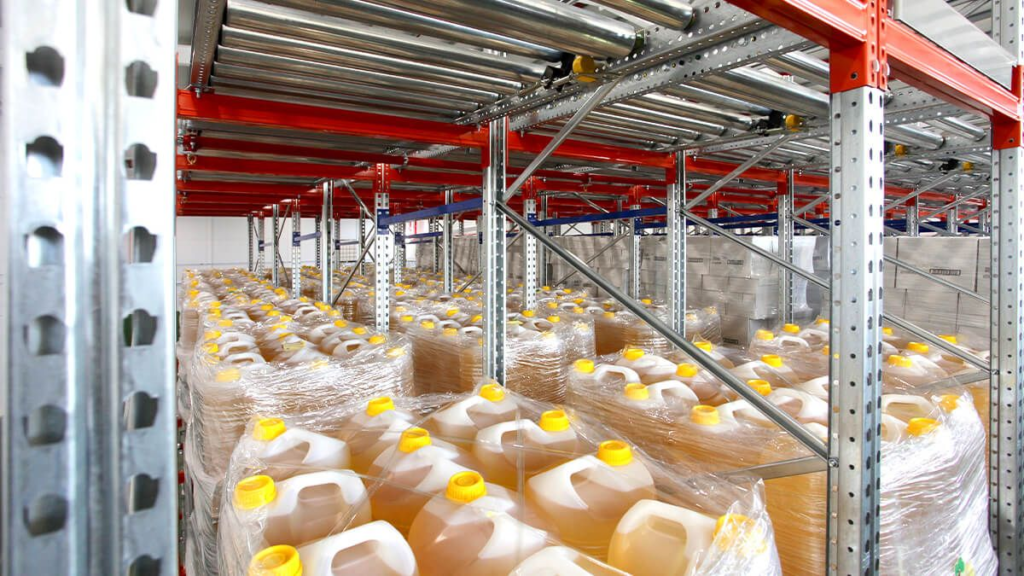
Fresh produce should be stored at 0-10°C with a relative humidity of 85-95%RH. Ethylene gas management helps to avoid premature ripening between neighbouring inventory. To minimize losses from spoilage and ensure product quality for downstream buyers, a FIFO rotation of stock is required. For a closer comparison, see Comparison of FEFO and FIFO Inventory Management.
Dairy & Eggs
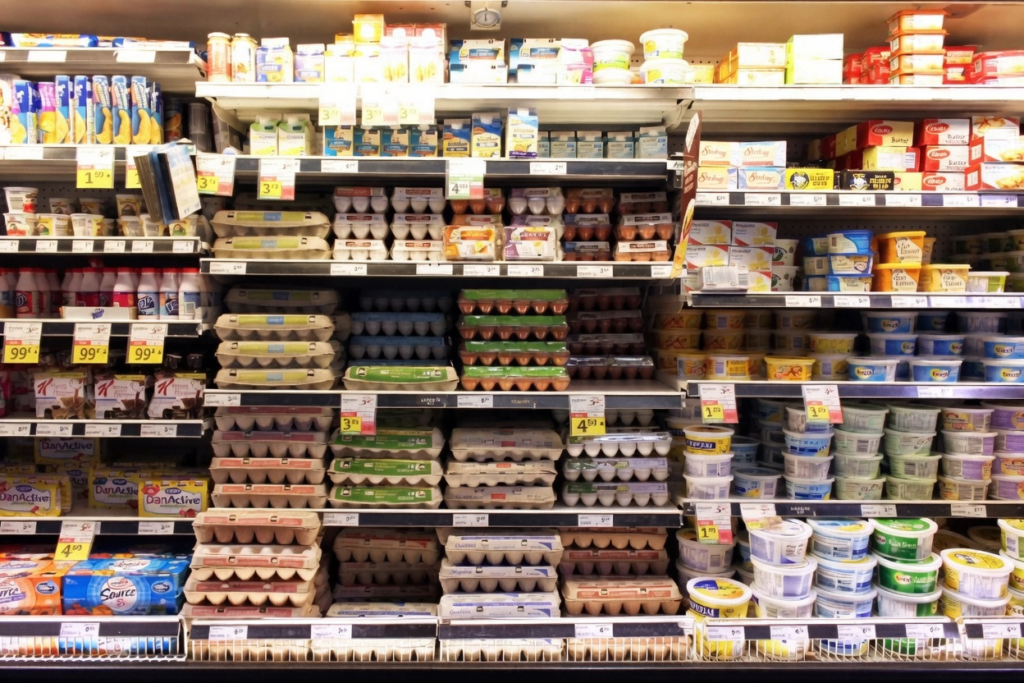
Dairy and eggs require very special conditions of storage (1-4°C) and must be completely isolated from contaminants from other commodities. Aggressive inventory rotation and real-time expiry tracking are necessary with short shelf-life cycles. B2B suppliers need to install specific areas to avoid cross contamination of odours and microorganisms between product lines.
Meat, Poultry & Seafood
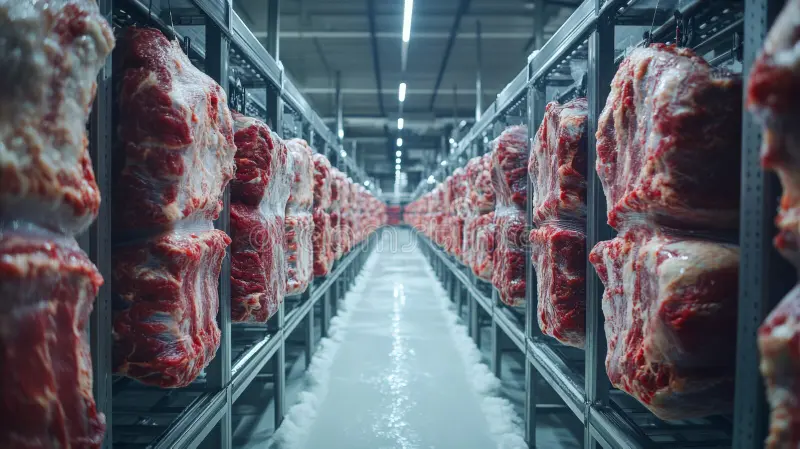
Chilled meat needs −1 to 2°C and frozen product −18°C, plus strict measures for odor segregation. In receiving, storage and dispatch, HACCP compliance is non-negotiable. Bacterial migration is blocked between seafood and poultry storage areas by independent drainage and air circulation systems.
Frozen Goods
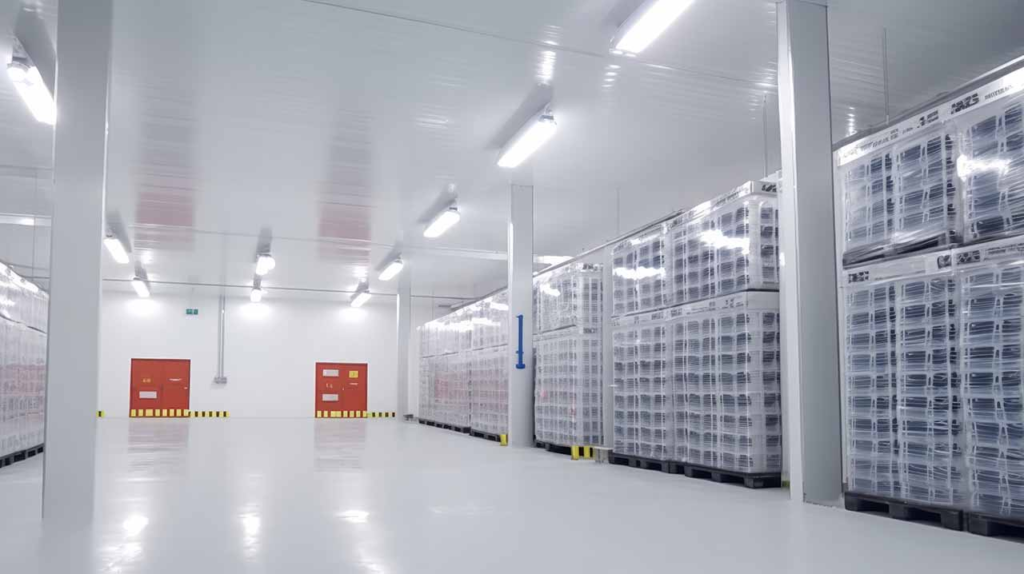
In perishable goods warehousing, frozen products should be kept at -18°C or lower and be blast frozen immediately upon receipt. Uniformity of temperature between all pallet positions is essential for product integrity. Any change in the storage conditions will cause ice crystals to form, which will destroy the cellular structure and make it commercially unviable. For broader industry context, Cold chain is a useful reference.
Pharmaceuticals & Biologics
Cold chain medicines are the products that need a controlled environment of 2–8°C; full GDP and GMP compliance needs to be maintained. Serialization tracking provides full lot traceability at each contact point for storage and transport. If deviations are greater than validated deviations, the entire batch may be deemed non-compliant and it can have substantial financial and regulatory implications.

Floriculture
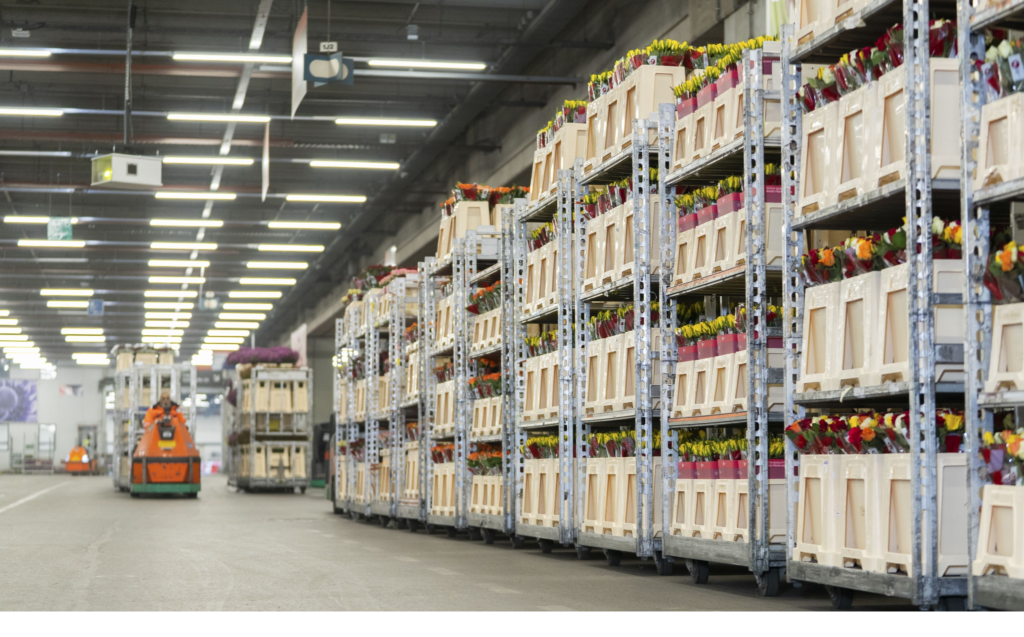
Floriculture storage is conducted under the temperature range of 1–5°C with very low ethylene sensitivity and humidity is controlled. Specialised racking systems provide air circulation to all stems without damaging them. Temperatures that deviate, even for short periods, will speed up wilting, which will directly decrease marketable shelf life and commercial grade.
Ready-to-Eat & Processed Foods
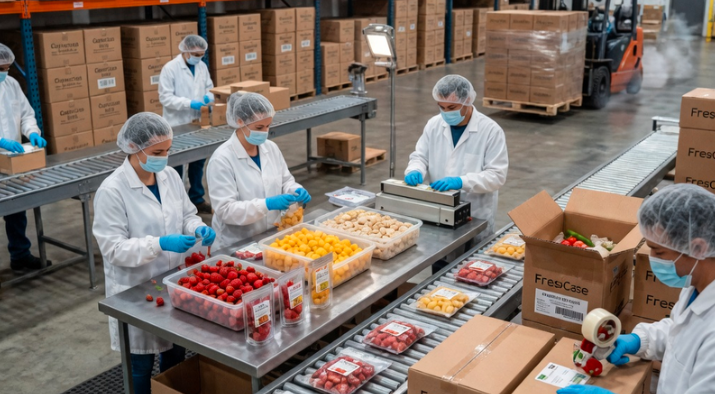
No cross contamination between product lines is acceptable in RTE products and allergen zone segregation is required with zero tolerance for cross contamination. Staff movements, sharing of equipment and packaging workflows are all closely controlled throughout operations. The level of accuracy of the labels and discipline of the zone directly affects the results of audits and the retention of buyers’ contracts in the retail store.
Types of Perishable Goods Warehousing Facilities
Refrigerated (Cold) Perishable Warehouses
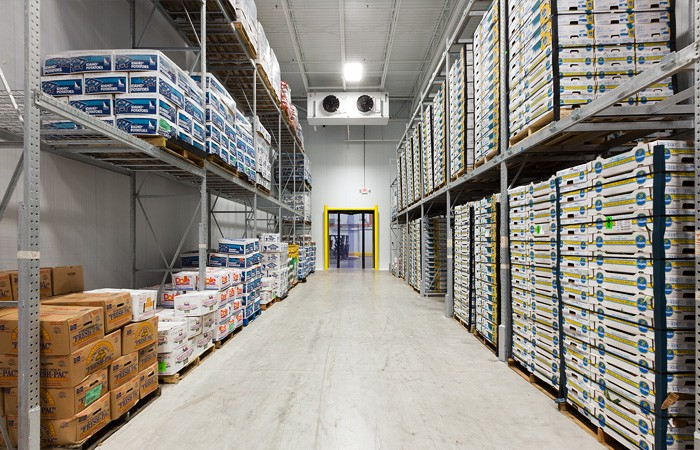
The refrigerated warehouses are used for the storage of temperature-sensitive products, keeping the temperature between 0-8°C. This zone is safe for dairy, fresh produce and beverages. Chilled storage is a critical component of a perishable distribution hub network that supplies retail and foodservice customers. Stable temperature control is directly beneficial for preserving product quality and preventing the product from spoiling.
Frozen Warehouses
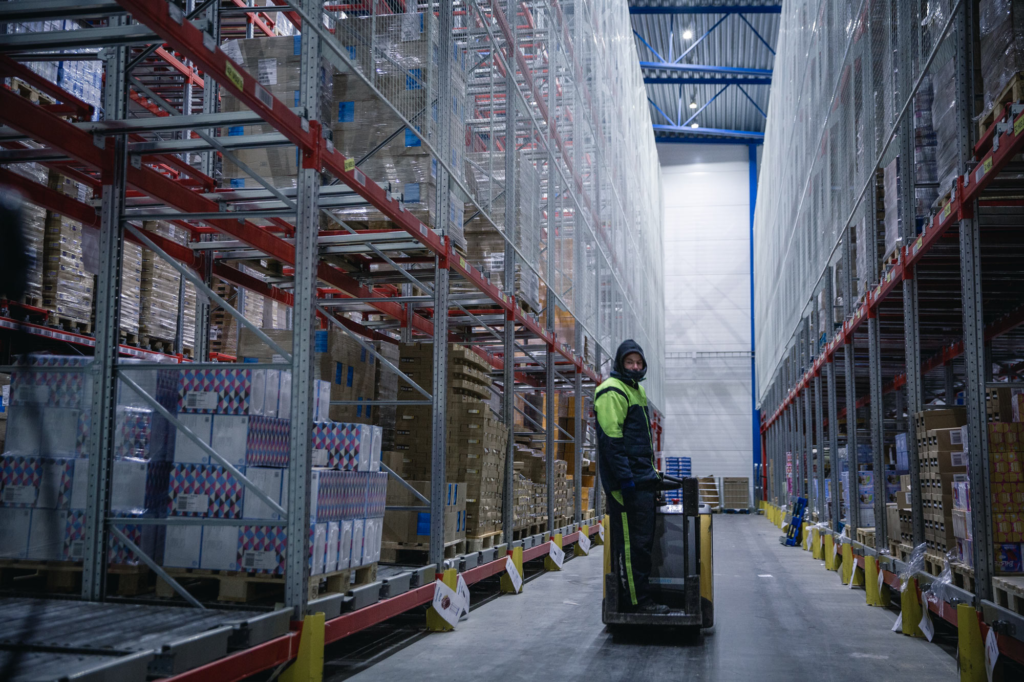
Frozen warehouses are used for long term frozen product storage, ranging from −18°C to −25°C. These sub-freezer temperatures are necessary for products like meat, ice cream and frozen prepared foods. Such facilities are extremely energy consuming in nature. When comparing competing 3PL bids, be sure to carefully consider the kWh/pallet benchmarks.
Controlled Atmosphere (CA) Storage
CA storage is used to control the O2, CO2 and N2 level along with temperature control. This environment is very beneficial for apple, pear and exotic fruits. CA storage is widely used by importers and exporters of long-transit perishables. It can extend the shelf life dramatically beyond the conventional refrigerated storage capability.

Pharmaceutical Cold Chain Facilities
GDP compliant storage rooms for vaccines, biologics, clinical trial materials and temperature sensitive drugs. The area mapping and equipment validation are essential operational issues here. Regulatory audit trails safeguard compliance status against audit. Typically facilities are SOC 2 or ISO 13485 certified.
Blast Freezing & Shock Tunnels
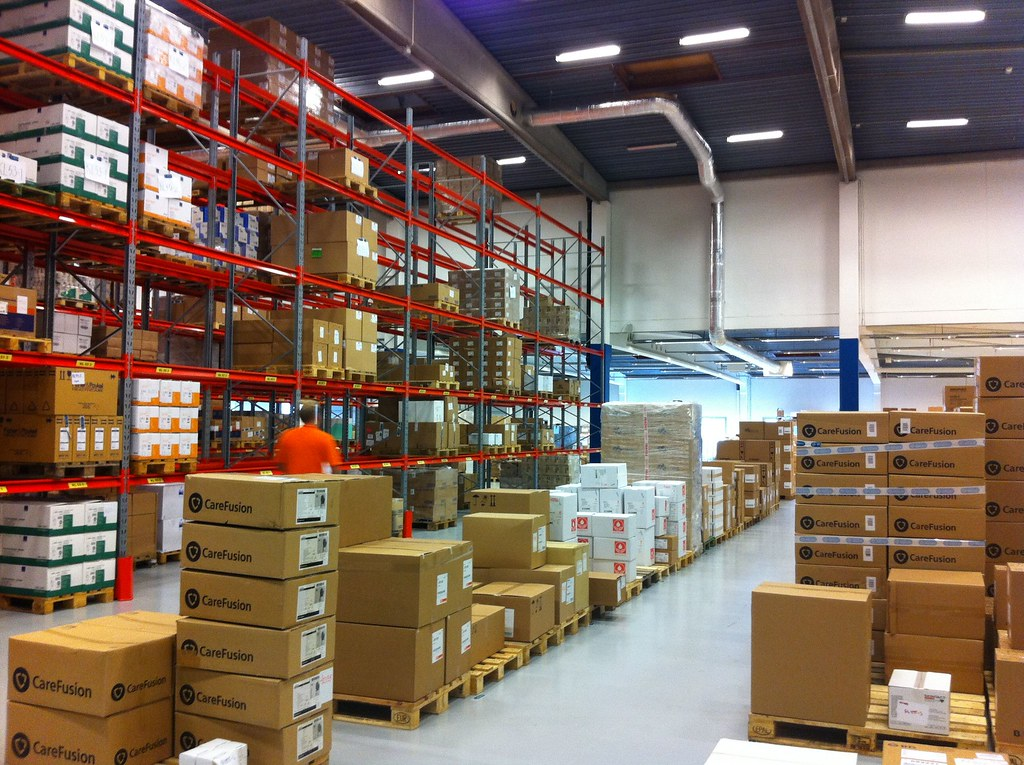
Blast freezing in perishable goods warehousing will lower core product temperature as soon as it’s received in the warehouse. It is critical to the production of high-value proteins, seafood and high quality ready meals. It is an effective inhibitor of harmful ice crystals in product cells. The preservation of cell structure directly preserves high quality and value of the products.
Bonded Cold Storage
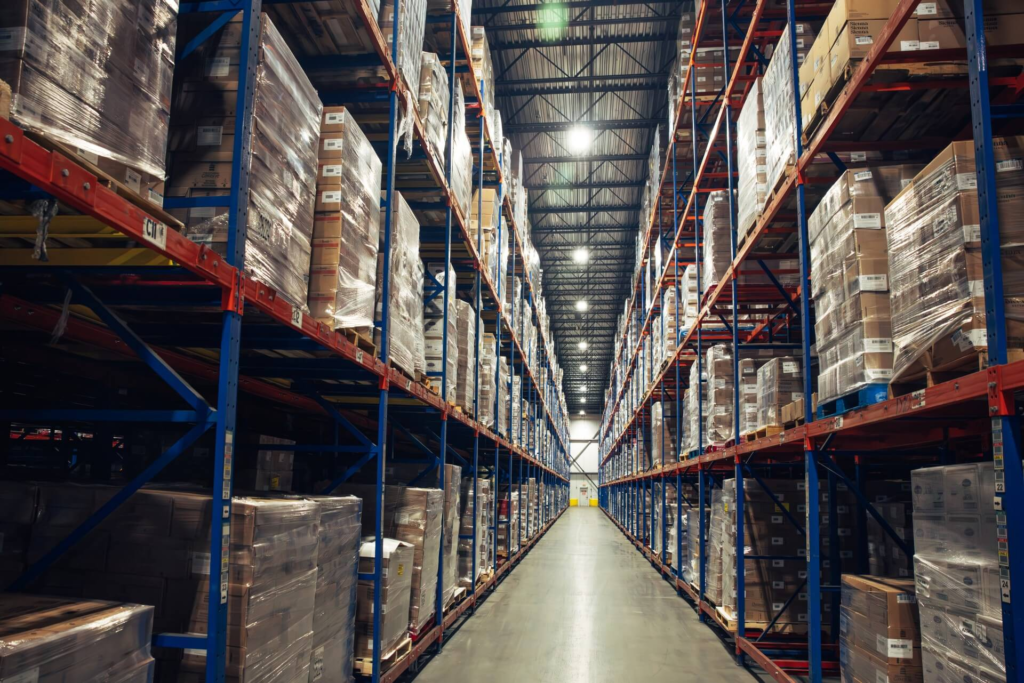
Bonded cold storage involves storing imported perishables in a facility under customs control, awaiting regulatory clearance. This type of storage is frequently used for perishable goods. The examples of perishables that uses bonded cold storage are seafood, exotic fruits and pharmaceuticals. It helps in minimizing the demurrage risk for importers with complicated entry timelines. Businesses get inventory control without incurring early duty payment requirements.

Key Infrastructure and Equipment Standards
- Insulated Panel Systems (IPS): Any serious cold storage facility has a thermal backbone of minimum 100mm PIR panels. The higher the R-value, the more energy-efficient the insulation will be, which can help save on energy costs. Check panel certification before entering into warehousing contracts.
- Refrigeration Systems: CO₂ (R744) and ammonia (R717) are more energy efficient and environmentally friendly than legacy HFC systems. They both have a low global warming potential and are industry favorites for large-scale cold processes. Perform partner evaluation for refrigerant type.
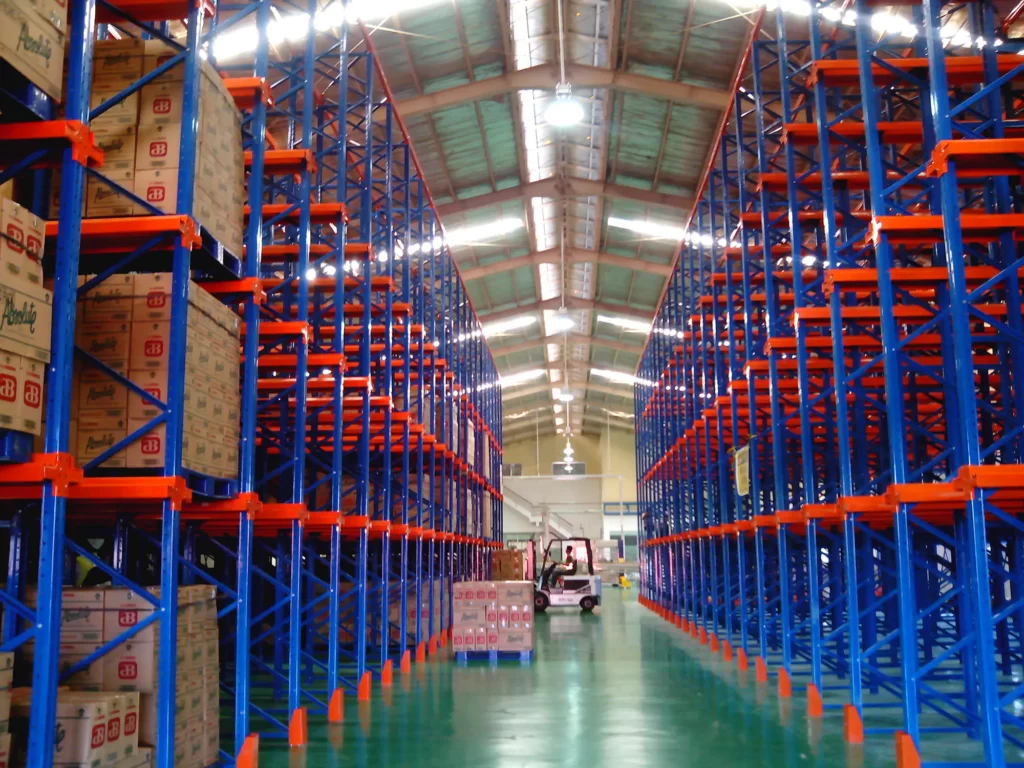
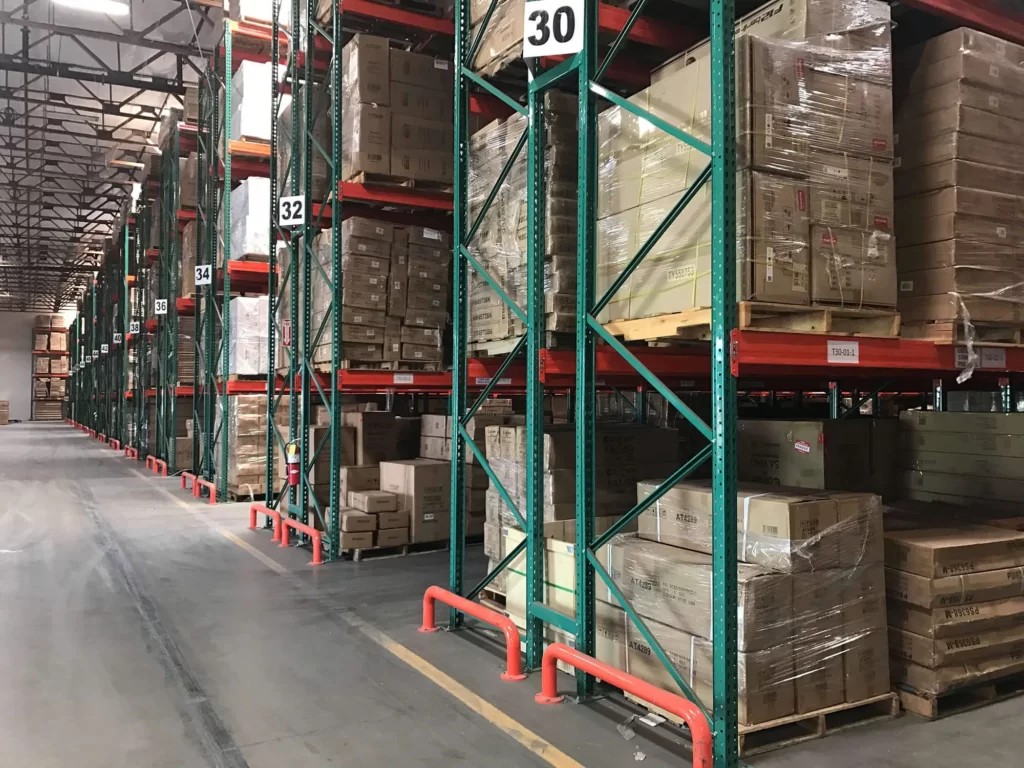
- Racking Systems: There are different degrees of compliance with FIFO and FEFO in racking systems like drive-in, push-back, pallet flow, and mobile. Racking configuration options are critical to picking speed and inventory rotation accuracy. Correlate the type of rack to your product turnover needs.
- Loading Docks: Insulated Dock Doors, Dock Levelers and Dock Seals keep temperatures out while loading is in session. For perishable goods warehousing, poor dock design is a top but often-neglected cause of spoilage in B2B supply chains. Never forget to specify the docks in your RFP documents.
- Backup Power Systems: UPS units and generators keep inventory safe if there is an interruption in power supply in cold storage. The maximum allowable temperature excursion thresholds must be specified in your SLA, prior to the activation of compensation and notification. Do not neglect the need for capacity for backup power.
- Humidity and Ethylene Management: Humidifiers, dehumidifiers and ethylene scrubbers actively maintain and guard produce quality during storage time. Ethylene is a growth hormone that can cause ripening and spoilage to happen quickly in sensitive fruit and vegetable sectors. Check ethylene handling facilities before entering into warehousing agreements.
Temperature Monitoring, IoT, and Cold Chain Visibility Technology
IoT Sensors and Data Loggers
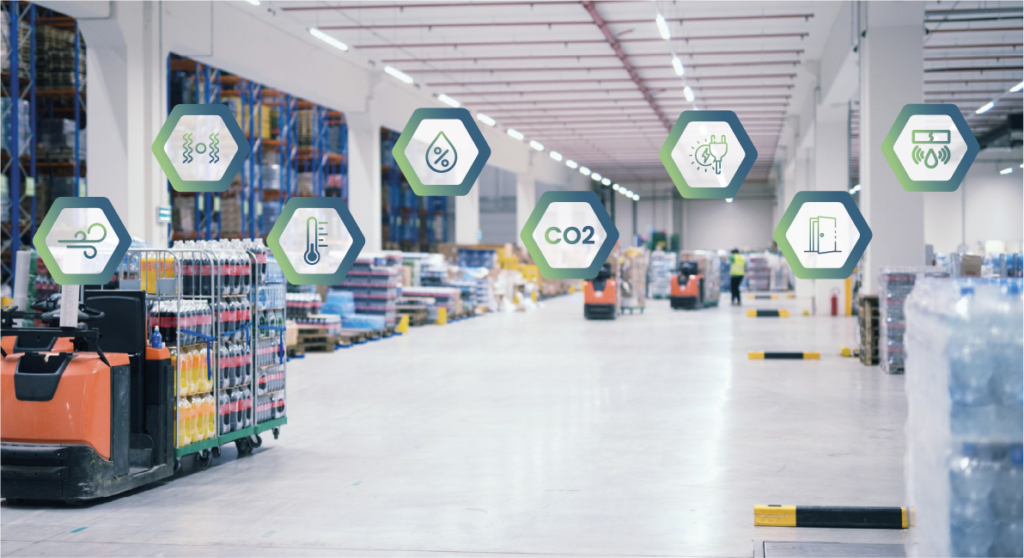
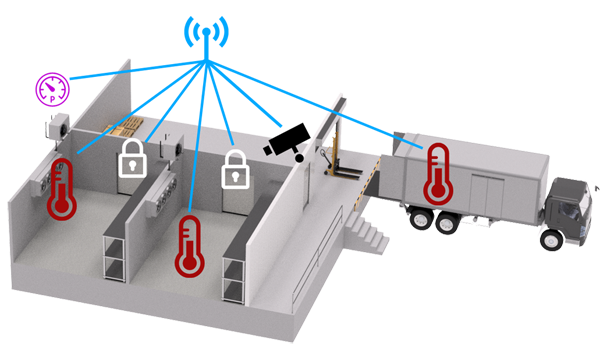
Wireless temperature and humidity sensors now report real-time data to cloud dashboards. Always choose NIST-traceable calibration and sensors with an accuracy of plus or minus 0.1°C for compliance confidence. These devices eradicate manual logging mistakes and safeguard inventory value all the time.
Real-Time Alerting Systems
Perishable goods warehousing also provides the facility of real-time alerting. Response teams are always in the know with excursion alerts sent through SMS, email or API. To prevent confusion at the moment, the escalation matrices are contractually agreed to in advance of operations. Immediate alerting cuts down on spoilage exposure, and enhances your SLA performance record.
WMS and Cold Chain Integration
Lot tracking and FEFO rotation are features provided by leading platforms such as Manhattan Associates, Blue Yonder, and Deposco. In-built recall readiness features assist in responding promptly to product safety events. These systems help to minimize human error and ensure that inventory is accurate throughout the perishable business.
Blockchain for Traceability
To establish unalterable chain-of-custody records, pharma and premium food businesses are increasingly turning to blockchain. Each handoff is recorded for good, and audits are completed more quickly and insurance claims are backed up easier. This technology creates trusted, verifiable relationships in multi-party, complex cold chains.
RFID and Barcode Scanning
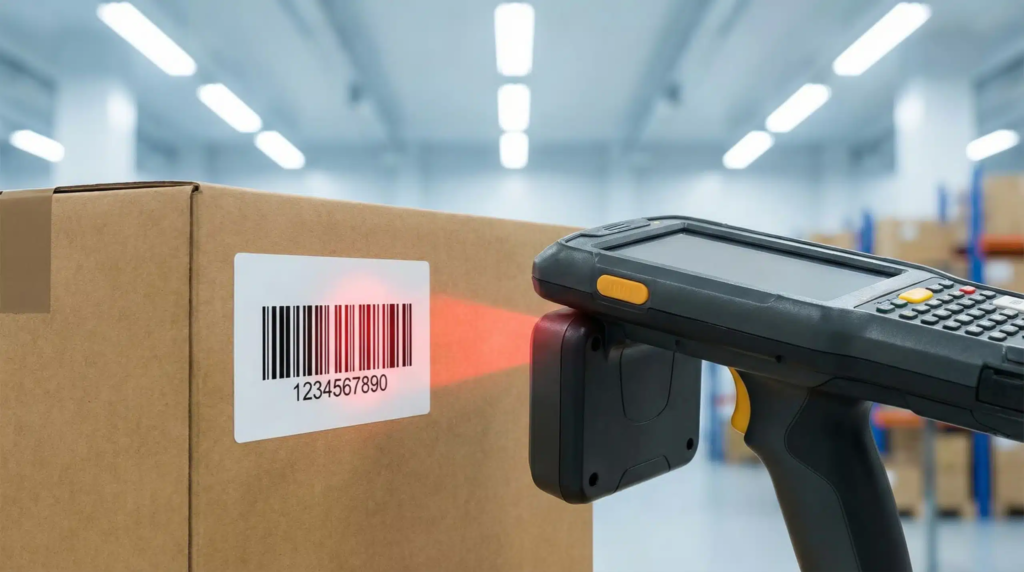
Perishable goods warehousing provides RFID and Barcode scanning systems. Pallet and case level scanning significantly increases the accuracy of pallet receiving in cold storage. Automated scanning is a must in low temperatures as manual methods slow down. RFID decreases the amount of mis-picks and speeds up throughput without a lot of labour overhead.
ERP Integration Capabilities
Your 3PL’s WMS should integrate effortlessly with SAP, Oracle or NetSuite applications. By using EDI and API connections, manual reconciliation is eliminated and inventory is updated in real-time. Data quality between systems directly contributes to improved procurement and demand planning decisions.
Regulatory and Compliance Framework
Food Sector Compliance Standards
FSMA’s Preventive Controls rule requires written food safety plans and documented hazard analyses. To consistently meet FDA audit requirements, warehouses must keep supplier verification records. HACCP systems require that any deviation recorded at a Critical Control Point have a corrective action log. The BRC Global Standard Grade A or B indicates the level of compliance maturity to UK and EU retail buyers. The SQF certification is still a frequent requirement in the US retail and foodservice supply chains. As of 2026, the FDA 21 CFR Part 1 traceability rule will require Key Data Elements and Critical Tracking Events for high-risk foods.
Pharmaceutical Sector Compliance Standards
All facilities must have temperature mapping, deviation management protocols and a qualified person responsibility per WHO GDP guidelines. USP <1079> provides the guidelines for temperature monitoring for a pharmaceutical distribution environment. All the distributors of pharmaceutical products in Europe today are required to follow EU GDP Guidelines 2013/C 343/01. Current Good Manufacturing Practice (cGMP) standards for pharmaceutical storage operations are governed by FDA 21 CFR Part 211. Always ask for third-party audit reports and check the validity of certificates before signing on for any warehousing partner.
Cold Chain Logistics: Inbound and Outbound Operations
Inbound Receiving
Pre-cool receiving docks to avoid thermal shock of supplier trucks. Temperature is measured at the time of receipt, not after. Reject protocol documentation protects you legally and supplier accountability is always maintained.
Cross-Docking
In perishable goods warehousing, Cross-Docking plays a vital role in the distribution of fresh produce in order to maintain product quality. The goods are transported from inbound to outbound without hazardous dwell times. This is operationally feasible, with the condition of having a precise scheduling coordination between inbound and outbound teams.
Pick & Pack in TCEs
Cold rated PPE and planned break rotations have a direct impact on worker throughput. Poor labour management slows down operations due to ergonomic problems in freezer environments. Before you enter into a temperature controlled warehousing agreement, review staffing practices carefully. For product-level details, review Freezer Warehouse.
Last-Mile Cold Chain
Refrigerated reefer trucks and insulated parcel packaging are used for a variety of B2B delivery requirements. All shipments out of your cold storage facility should have temperature handoff documentation. Poor last-mile cold chain documentation can lead to compliance risks and customer disputes.
Returns Management
Pharmaceutical reverse logistics requires a documented quarantine procedure for each product returned, which has experienced a temperature excursion. Disposition decisions and destruction records ensure regulatory posture in the event of audits and inspections. An unstructured return can have severe compliance repercussions if it is a one-off event.
Transport SLAs
Establish loading/unloading maximum dwell times at each dock. Each minute that the door is opened at −20°C increases the internal temperature and increases defrost cycles. Tight transport SLAs ensure that there is no “thermal damage” being done over time that can affect product integrity.
Perishable Goods Inventory Management Best Practices
FEFO (First Expired, First Out)
FEFO ships outbound first those products with the closest expiration dates. It is different from FIFO, because it accommodates different batch expiry dates for inventory. This can help minimize waste and enhance compliance in food and pharmaceutical manufacturing processes. A related guide on FEFO gives more detail for this part of the planning work.
Lot and Batch Traceability
With the possibility of lot traceability, it is possible to make a precise recall without disturbing the entire perishable goods warehousing process. An effective WMS should be able to quickly isolate affected batches without losing sight of inventory. This is particularly important for regulated industries such as pharmaceuticals, dairy, and fresh produce.
Slotting Optimization
Fast moving goods are placed near dock doors for quick retrieval in strategic slotting. In cold zones of perishable goods warehousing, transit time is shortened, which helps maintain product integrity during picking. Correct slotting also enhances the efficiency of the labor, and reduces any unnecessary exposure to the cold.
Demand-Driven Replenishment
When it comes to storage in cold rooms, it is important to match the volume of inbound with the room size to avoid overcrowding inside the facility. The overcrowding reduces air circulation and has an impact on temperature uniformity throughout inventory. Coordinated replenishment planning contributes to ensuring stable storage conditions and product quality.
Shrinkage Tracking
Specify allowable levels of spoilage prior to warehouse contracts or SLAs. Monitor the following Key Performance Indicators: Spoilage rate, temperature excursions, picking accuracy. Having clear accountability safeguards both the perishable goods warehousing provider and B2B clients financially.
MOQs and Lead Times
Perishable foodstuffs have tight delivery schedules that are not common in normal ambient logistics operations. Perishable goods warehousing add MOQs and lead times to client contracts at an early stage as timely delivery is critical. Otherwise you will be faced with spoilage, customer discontent, and monetary losses.
Temperature & Storage Requirements by Perishable Category
| Product Category | Temperature | Humidity | Storage Duration | Key Standards | Handling Notes |
| Fresh Fruits & Vegetables | 0°C–10°C | 85–95% RH | 3 days–6 weeks | FSMA, GlobalG.A.P. | Ethylene control and FEFO rotation required |
| Dairy Products | 1°C–4°C | 80–85% RH | 7–90 days | HACCP, PMO | Separate from odor-sensitive products |
| Fresh Meat & Poultry | −1°C–2°C | 85–90% RH | 3–10 days | USDA FSIS, HACCP | Dedicated chilled storage zones required |
| Frozen Meat & Seafood | −18°C–−25°C | <90% RH | 6–24 months | USDA FSIS, EU 853/2004 | Blast freezing and regular checks needed |
| Ice Cream & Desserts | −20°C–−25°C | Controlled | 12–18 months | FDA 21 CFR 135 | Avoid temperature fluctuations completely |
| Pharmaceuticals | 2°C–8°C | 35–65% RH | Product-specific | WHO GDP, USP | Continuous monitoring and validation essential |
| Biologics & Vaccines | 2°C–8°C / Ultra-cold | Controlled | Manufacturer-defined | FDA, EMA | Strict chain-of-custody documentation required |
| Fresh Flowers | 1°C–5°C | 90–95% RH | 3–21 days | IPPC Standards | Keep separate from produce items |
| Ready-to-Eat Foods | 0°C–4°C | 70–80% RH | 3–30 days | FSMA, BRC, SQF | Allergen and pathogen controls necessary |
| Shell Eggs | 4°C–7°C | 70–80% RH | Up to 35 days | USDA Egg Act | Prevent temperature variations during storage |
| Wine & Fine Beverages | 10°C–14°C | 60–70% RH | Months–Years | Licensing Standards | Protect from vibration and UV exposure |
| Frozen Bakery & Dough | −18°C or below | <90% RH | 3–12 months | FSMA, BRC | Avoid freeze-thaw cycling |
Costs, Pricing Structures, and Contract Considerations
The price of a perishable goods warehousing storage system depends on the type of the facility, the temperature zone, and the type of contract. The cost for pallet storage is $8-$35 per week for chilled and $12-$50 per week for frozen products. Typically, handling costs range from $3 to $12 per pallet move. Blast freezing surcharges range from $15 to $40 per pallet, depending on density. Value added services such as labeling and kitting are charged by the hour or by the unit. Since 2022, energy surcharges have become more prevalent and clear caps are becoming more important. Prevent a contract without temperature excursion SLAs or audit access rights. Limits of liability should be commensurate with the value of the product, particularly in the case of pharmaceuticals. Risks of operation, due to vague terms in the FEFO and automatic renewals. 100-500 Pallet minimums are typical for most 3PLs, so be wary of 3PLs that don’t have the option of flex capacity during a certain season.
Key Evaluation Criteria When Selecting a Perishable Products 3PL Warehouse Partner
| Evaluation Area | What to Check | Red Flags | Best Practice |
| Certifications & Compliance | HACCP, BRC, SQF validity | Expired certifications | Annual third-party audited compliance |
| Temperature Reliability | Sensor records and excursions | Frequent temperature failures | Automated real-time monitoring systems |
| Backup Power Systems | Generators and refrigeration backups | No failover systems | Full redundancy with monthly testing |
| WMS Technology | FEFO, traceability, ERP integration | Spreadsheet-based tracking | Cloud WMS with recall simulation |
| Cold Chain Visibility | IoT monitoring and alerts | Paper-based logs | Live dashboards with alerts |
| Facility Infrastructure | Insulation and dock sealing | Poor refrigeration systems | Modern CO₂/NH₃ infrastructure |
| Audit History | FDA/USDA inspection records | Warning letters issued | Strong CAPA documentation |
| Pricing Transparency | Detailed cost structure | Hidden surcharge policies | Clear itemized pricing models |
| SLA & Liability Terms | Compensation and liability clauses | Weak contractual protections | Defined accuracy and liability standards |
| Capacity & Scalability | Expansion and flex capacity | Single-site limitations | Multi-location scalable operations |
| Sustainability Programs | Energy and emissions reporting | No sustainability strategy | Renewable energy investments documented |
| Industry Experience | Similar product handling experience | Limited cold-chain expertise | Proven category-specific references |
Conclusion
The quality of perishable goods warehousing can directly affect product quality, compliance performance, operational continuity and long term profitability. Facility selection, cold chain technology, regulatory standards and SLA structures must be carefully aligned with businesses. With strong warehousing partnerships, you can minimize the risk of spoilage, enhance inventory visibility, and consistently maintain customer trust. Structured evaluations of RFPs, audit readiness checks, and the selection of scalable partners that can support future growth, sustainability and operational resilience are all key considerations for companies.