In the modern warehousing and logistics industry, pallet racking components form the backbone of efficient, safe, and scalable storage solutions. Whether you operate a small distribution center or a large-scale fulfillment warehouse, understanding every pallet racking component is essential for maximizing space utilization, ensuring worker safety, and achieving the best return on investment.
At Mracking, we specialize in manufacturing and supplying high-quality warehouse racking parts for selective pallet racking, drive-in systems, push-back racking, and mezzanine-supported structures. This comprehensive guide explores every aspect of pallet racking components — from basic definitions and individual parts to material specifications, selection criteria, installation, maintenance, and future trends. By the end of this guide, you will have the knowledge needed to make informed decisions when designing or upgrading your warehouse storage system.
Pallet racking components are not just metal pieces; they are engineered elements designed to work together under heavy loads, dynamic forklift traffic, and varying environmental conditions. Investing in the right components can dramatically improve warehouse efficiency while reducing long-term costs and safety risks. A related guide on Wide Aisle Racking gives more detail for this part of the planning work.
What Are Pallet Racking Components?
Pallet racking components refer to the individual structural elements that assemble into complete pallet racking systems. These parts include upright frames, horizontal beams, connectors, bracing, baseplates, decking, and various safety accessories. When properly selected and assembled, they create robust, modular storage solutions capable of holding thousands of pallets. For a closer comparison, see Beam Pallet Racking.
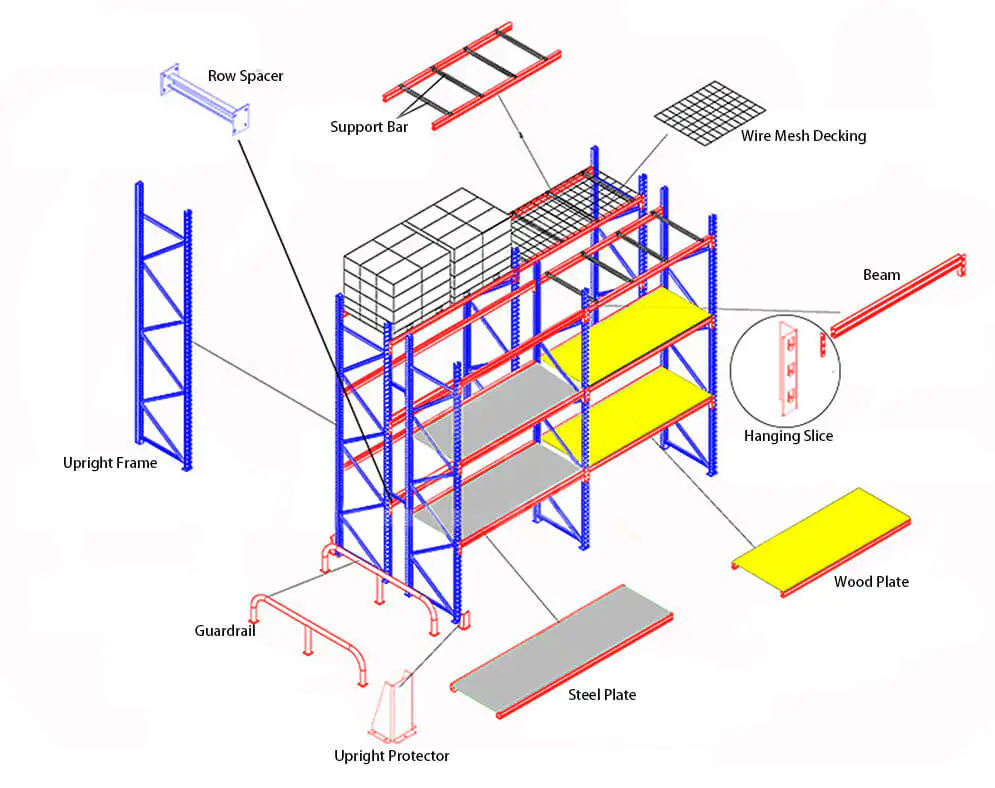
The modular nature of most pallet racking components allows warehouses to reconfigure layouts as business needs evolve. This flexibility is one of the key reasons selective pallet racking remains the most popular storage system worldwide. This point also connects with The Main Components of Storage Racks.
Key benefits of high-quality warehouse racking parts include:
- Optimized vertical and horizontal space utilization
- Improved inventory accessibility
- Enhanced load-bearing capacity and safety
- Scalability for future expansion
- Compliance with international standards such as EN 15512, FEM, and ANSI
Understanding each component’s function, specifications, and compatibility is critical for avoiding common mistakes that lead to structural failures or inefficient operations.
Core Structural Components of Pallet Racking Systems
Every pallet racking system relies on several fundamental pallet racking components. Let’s examine them in detail.
Pallet Rack Uprights (Frames)
Pallet rack uprights, also known as upright frames or columns, are the vertical backbone of any racking system. These heavy-duty steel frames support the entire weight of the stored goods and beams.
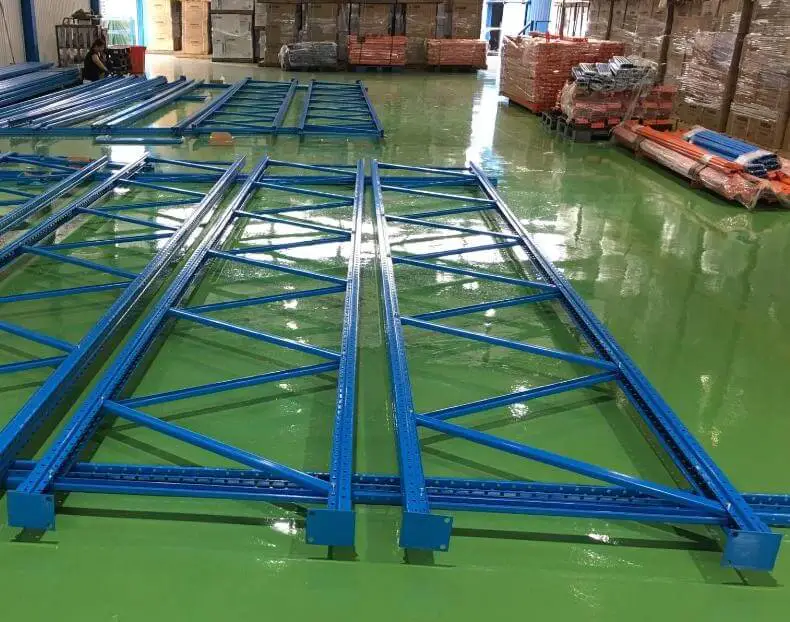
Key features of quality uprights:
- Manufactured from high-grade cold-rolled or hot-rolled steel (typically Q235B or Q355)
- Available in various heights (from 2,000mm to over 12,000mm)
- Multiple hole patterns for adjustable beam levels
- Reinforced with bracing for lateral stability
- Load capacities ranging from light-duty (1-2 tons per level) to heavy-duty (over 4 tons per level)
Mracking produces uprights with precise punching and welding processes to ensure perfect alignment and maximum strength. Our upright profiles feature closed or open sections optimized for different load requirements, making them ideal for selective, drive-in, and cantilever applications.
Factors affecting upright performance:
- Steel thickness (1.8mm to 3.0mm or more)
- Footplate design and anchoring
- Bracing configuration (diagonal and horizontal)
- Surface treatment (powder coating, hot-dip galvanizing)
Choosing the right pallet rack uprights is the first and most important decision when building a new system.
Pallet Rack Beams
Pallet rack beams are the horizontal members that connect uprights and directly support the pallets or decking. They are among the most visible and frequently adjusted pallet racking components.

Common beam types:
- Box beams (closed section for higher strength)
- Step beams (designed for use with wire decking)
- Structural beams (heavier duty for extreme loads)
- Teardrop beams (compatible with teardrop upright systems)
Beams come in lengths from 1,200mm to 3,600mm or longer and are rated for specific uniform distributed loads (UDL) and pair capacities. At Mracking, all beams undergo rigorous load testing to guarantee safety margins.
Beam connectors are critical warehouse racking parts that secure beams to uprights. Common styles include:
- 3-hook or 4-hook connectors
- Safety locks or pins to prevent accidental dislodging
- Welded or bolted configurations
Proper beam selection directly impacts accessibility and load distribution throughout the racking system.
Bracing and Cross Members
Diagonal and horizontal bracing provide essential lateral stability to upright frames. Without adequate bracing, even the strongest uprights can sway or collapse under uneven loads or seismic activity.
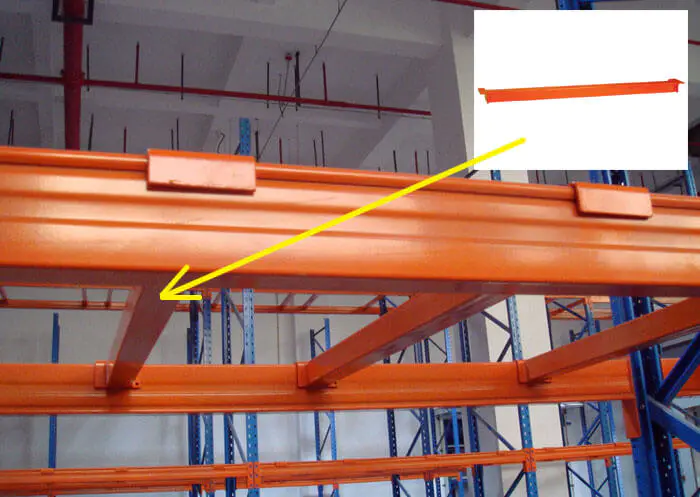
Types of bracing:
- Diagonal bracing for primary stability
- Horizontal braces for added rigidity
- Back-to-back bracing in double-row configurations
Mracking engineers calculate precise bracing requirements based on building height, seismic zone, and load profiles to ensure compliance with local regulations.
Support and Decking Components
Beyond the main frame, several supporting pallet racking components enhance functionality and safety.
Wire Decking and Pallet Supports
Wire mesh decking is a popular accessory that sits on beams to provide a solid surface for pallets or cartons. It prevents items from falling through and improves fire safety by allowing sprinkler water to penetrate.
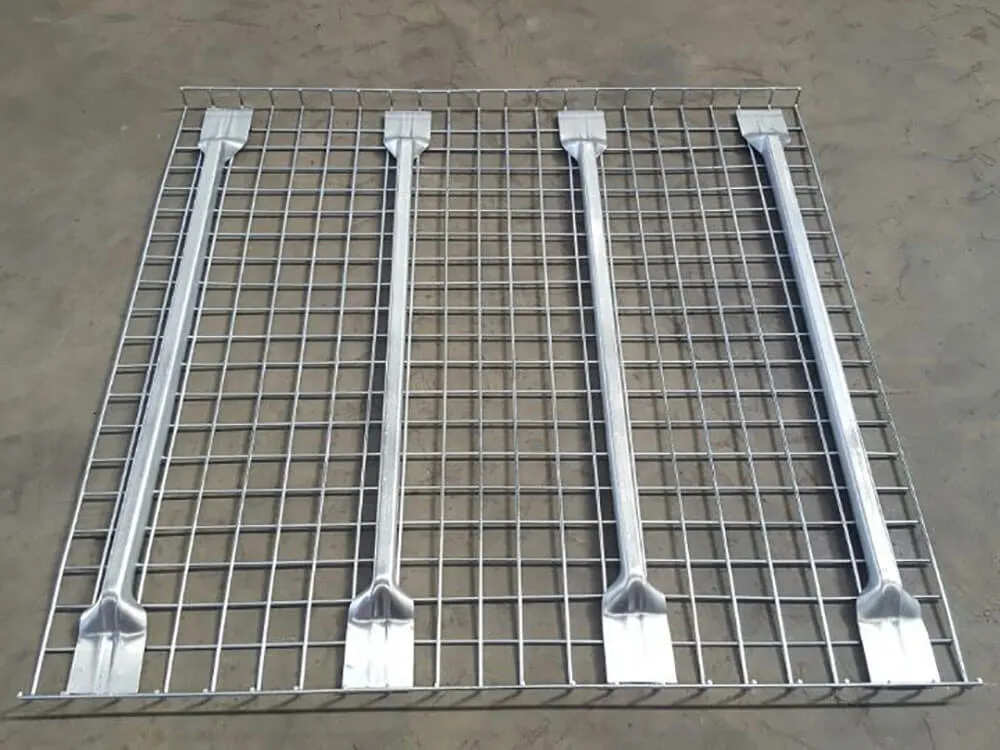
Advantages of wire decking:
- Excellent airflow and visibility
- Easy installation and reconfiguration
- Compliance with fire codes
- Available in various mesh sizes and load capacities
Pallet supports (also called pallet bars or cross bars) offer a more economical alternative for certain applications, especially when storing uniform pallets directly on beams. For product-level details, review Plastic Pallets in Warehouse Storage Equipment.
Baseplates and Floor Anchors
Baseplates distribute the load from uprights to the concrete floor and serve as the foundation for the entire system. High-quality baseplates feature:
- Adequate thickness and surface area
- Pre-drilled holes for anchoring
- Leveling capabilities
Proper anchoring with expansion bolts or chemical anchors is non-negotiable for safety. Mracking supplies complete anchoring kits matched to our pallet racking components.
Safety and Protection Accessories
Safety components are vital warehouse racking parts that protect both the structure and personnel.
Column Guards and Rack Protectors
Impact from forklifts is one of the leading causes of racking damage. Column guards, corner protectors, and aisle barriers absorb impacts and prevent costly repairs.
Safety Netting and Backstops
For elevated levels, especially in mezzanine or high-bay installations, safety netting prevents pallets or items from falling. Backstops ensure proper pallet positioning.
End Row Guards and Aisle Protectors
These heavy-duty barriers protect the ends of racking rows and guide forklift traffic safely.
Mracking offers a complete range of safety accessories designed to integrate seamlessly with our core pallet racking components.
Specialized Components for Different Racking Systems
Pallet racking components vary significantly depending on the system type.
Selective Pallet Racking Components
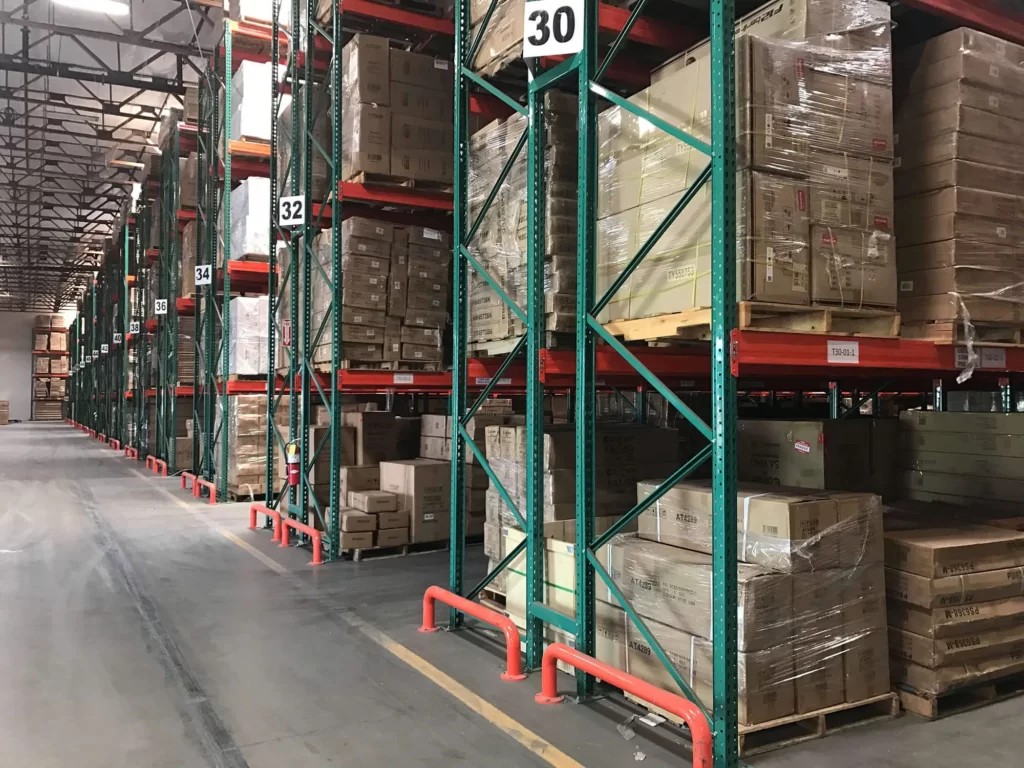
The most common system uses standard uprights, beams, and decking for full accessibility. Components are highly standardized, making them cost-effective and easy to maintain.
Drive-In and Drive-Through Racking Parts
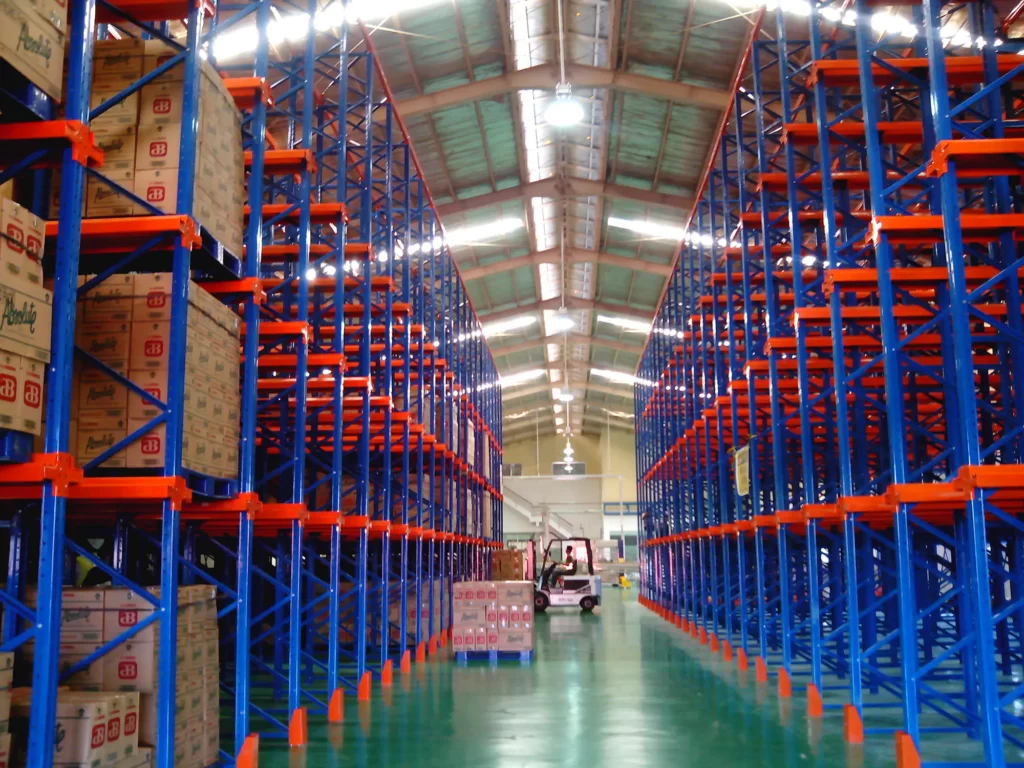
These high-density systems require specialized rail components, guide rails, and reinforced uprights capable of withstanding frequent forklift entry.
Push-Back and Flow Racking Components
Inclined rails, wheeled carts, and braking systems are unique pallet racking components that enable dense, automated-like storage with gravity or mechanical assistance.
Cantilever Racking Components
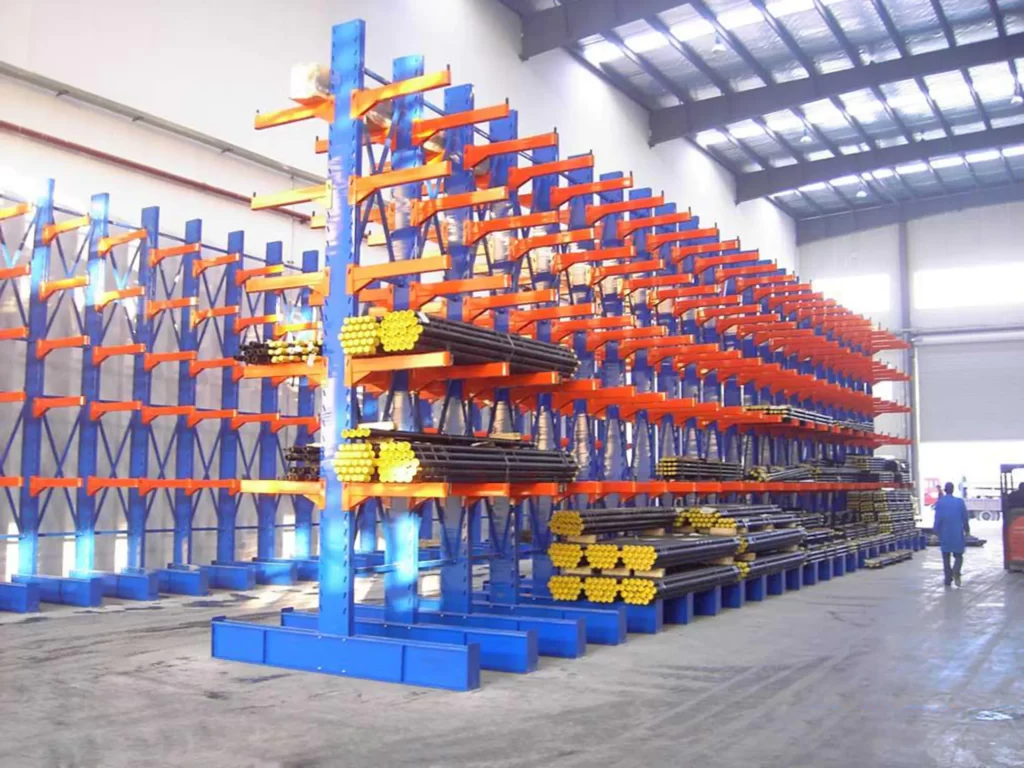
Arms, bases, and braces designed specifically for long, bulky items such as lumber, pipes, or furniture.
Mracking manufactures components for all these systems, ensuring compatibility and optimal performance.
Materials, Manufacturing, and Quality Standards
The quality of pallet racking components depends heavily on raw materials and production processes.
Steel Grades and Treatments
Most high-quality components use structural steel with yield strengths of 235 MPa or higher. Surface treatments such as:
- Powder coating (standard for indoor use)
- Hot-dip galvanizing (for outdoor or humid environments)
- Epoxy coatings for chemical resistance
Mracking maintains strict quality control with ISO 9001 certification and regular third-party testing.
Load Capacity Calculations
Every component has published load ratings based on engineering calculations. Always consider:
- Maximum bay load
- Beam pair capacity
- Upright frame capacity
- Safety factors (typically 1.5 to 2.0 or higher)
Working with an experienced manufacturer like Mracking ensures all warehouse racking parts are properly rated for your specific application.
Selecting the Right Pallet Racking Components for Your Warehouse
Choosing appropriate pallet racking components requires careful evaluation of your operational needs, building constraints, and long-term goals. A mismatch in components can result in reduced capacity, safety issues, or expensive modifications later.
Assessing Load Requirements and Warehouse Specifications
Begin by calculating expected loads:
- Average pallet weight and dimensions
- Maximum bay loads and beam level capacities
- Forklift reach heights and aisle widths
- Floor load-bearing capacity and flatness
Mracking’s engineering team reviews these parameters to recommend the optimal combination of uprights, beams, and accessories. For heavy-duty applications, thicker steel and reinforced connectors are essential warehouse racking parts.
Environmental Considerations
Indoor dry warehouses can use standard powder-coated components. For cold storage, food-grade, or outdoor applications, hot-dip galvanized or specialized coatings on pallet racking components prevent corrosion and maintain structural integrity.
Seismic zones require additional bracing, baseplate anchoring, and sometimes specialized upright profiles. Always verify local building codes and standards.
Budget vs. Value Analysis
While lower-cost components may seem attractive, investing in quality pallet racking components from reputable manufacturers like Mracking often delivers better total cost of ownership through durability, fewer replacements, and enhanced safety.
Understanding component compatibility is crucial for seamless integration.
Installation Best Practices for Pallet Racking Components
Proper installation ensures the safety and longevity of your entire system.
Pre-Installation Preparation
- Verify floor levelness and load capacity
- Mark exact rack positions using laser leveling tools
- Prepare all necessary tools and safety equipment
- Schedule professional installation teams when dealing with tall or complex configurations
Step-by-Step Assembly Process
- Anchor baseplates securely to the floor using manufacturer-recommended bolts.
- Erect upright frames plumb and level, installing diagonal bracing as specified.
- Install beams at desired heights, engaging all hooks and securing safety locks.
- Add wire decking or pallet supports, ensuring proper fit and load distribution.
- Install safety accessories such as column guards and netting.
- Conduct final load testing and inspection before putting the system into full operation.
Mracking supplies detailed installation manuals, drawings, and on-site support options to help clients assemble pallet racking components correctly.
Common Installation Mistakes to Avoid
- Incorrect anchoring depth or torque
- Misaligned uprights leading to racking lean
- Forgetting safety pins on beam connectors
- Overlooking bracing requirements in high installations
Professional installation minimizes these risks and protects your warranty.
Maintenance and Inspection of Pallet Racking Components
Regular maintenance extends the service life of warehouse racking parts and prevents accidents.
Routine Inspection Protocols
- Daily visual checks for obvious damage or overloading
- Weekly inspections of beam connectors and safety locks
- Quarterly detailed structural assessments focusing on uprights, welds, and bracing
- Annual professional engineering inspections for tall or high-load systems
Look for signs of damage such as bent uprights, cracked welds, or distorted beams. Any compromised pallet racking components should be replaced immediately.
Preventive Maintenance Tips
- Train forklift operators on proper rack interaction
- Use impact protectors in high-traffic areas
- Keep aisles clear and respect published load capacities
- Schedule periodic re-leveling if floor settlement occurs
- Maintain records of all inspections and repairs
Mracking offers replacement parts and repair kits for all our pallet racking components, ensuring quick restoration of system integrity.
Common Problems with Pallet Racking Components and Solutions
Even well-designed systems can encounter issues over time.
Overloading and Misuse
Problem: Exceeding beam or upright capacities causes deformation. Solution: Clearly label load capacities and provide operator training. Use Mracking’s load calculation tools during design.
Forklift Impact Damage
Problem: Bent uprights and beams from collisions. Solution: Install column guards, rack protectors, and guide rails. Consider heavier-duty components in busy aisles.
Corrosion in Harsh Environments
Problem: Rust weakening structural integrity. Solution: Specify galvanized pallet racking components and implement humidity control where possible.
Seismic or Dynamic Load Failures
Problem: Inadequate bracing leads to collapse during earthquakes or heavy activity. Solution: Follow regional seismic design requirements with reinforced bracing and anchoring.
Connector Failures
Problem: Beams dislodging due to poor hook engagement. Solution: Use high-quality connectors with locking mechanisms and inspect regularly.
Working with an experienced manufacturer like Mracking helps prevent these issues through superior design and material quality.
Emerging Trends in Pallet Racking Components for 2026 and Beyond
The pallet racking industry continues to evolve with technology and sustainability demands.
Automation-Ready Components
New pallet racking components are designed with integrated pathways for AS/RS cranes, shuttles, and AGVs. Uprights with precise tolerances and reinforced profiles support higher automation speeds.
Smart Monitoring Systems
Sensors embedded in uprights and beams provide real-time load data, impact alerts, and maintenance predictions. These IoT-enabled components enhance safety and operational intelligence.
Sustainable Materials and Manufacturing
Manufacturers like Mracking are increasingly using recycled steel and low-emission production processes. Modular designs that facilitate easy disassembly and reuse align with circular economy principles.
Higher-Strength, Lighter-Weight Designs
Advances in steel alloys and roll-forming technology allow stronger pallet racking components with reduced material usage, lowering both cost and environmental impact.
Modular and Quick-Assembly Systems
Innovative connectors and pre-fabricated modules reduce installation time significantly, ideal for fast-growing businesses or temporary storage needs.
Staying informed about these trends helps forward-thinking warehouse operators select future-proof pallet racking components.
Why Choose Mracking for Your Pallet Racking Components
At Mracking, we combine manufacturing excellence with customer-focused service. Our comprehensive range of pallet racking components includes everything needed for selective, drive-in, push-back, cantilever, and mezzanine systems. For broader industry context, Rack Manufacturers Institute (RMI) is a useful reference.
Mracking advantages:
- Factory-direct pricing with consistent quality
- Full customization capabilities
- Experienced engineering and design support
- Compliance with international safety standards
- Reliable global export and logistics coordination
- Ongoing technical support and spare parts availability
Whether you need a few replacement warehouse racking parts or a complete warehouse fit-out, our team is ready to deliver solutions tailored to your exact requirements.
Conclusion: Building a Strong Foundation with Quality Pallet Racking Components
Pallet racking components are the essential building blocks of any efficient, safe, and profitable warehouse operation. From uprights and beams to safety accessories and specialized system parts, every element plays a vital role in overall performance.
By understanding the function, selection criteria, installation, maintenance, and evolving trends of these components, warehouse managers can make decisions that reduce costs, improve productivity, and enhance safety. Partnering with a trusted manufacturer ensures access to high-quality, tested solutions that stand the test of time.
Ready to optimize your storage infrastructure? Contact the Mracking team today for expert advice, detailed quotations, and professional 3D design support. Discover how the right pallet racking components can transform your warehouse into a more efficient, safer, and scalable operation.
Invest wisely in your warehouse racking parts today — the foundation of your success tomorrow.