What is a 4 Way Pallet Shuttle Racking?
4 Way Pallet Shuttle Racking is a hi-tech automated palletized goods storage system. It involves the use of intelligent shuttle robots, which are autonomous and are used in the racking structure. Shuttles travel in four directions forward, backward, left and right within system. The system allows complete automated pallet storage and retrieval without fork lift in aisles. It is also known as four way shuttle, 3D pallet shuttle system, multi-directional shuttle. For a closer comparison, see Features and advantages of shuttle racks.
Core goal is to optimize storage density with horizontal and vertical warehouse space utilization. The technology minimizes reliance on labor and enhances the efficiency of overall storage. It is an advocate of the high-density warehouse of industries with huge pallet volumes of handling. Shuttle systems are easily integrated with warehouse management software to be controlled by automation. On the whole, it provides scalability, space-saving, and fully automated storage performance outcomes. This point also connects with The advantages of shuttle racking.
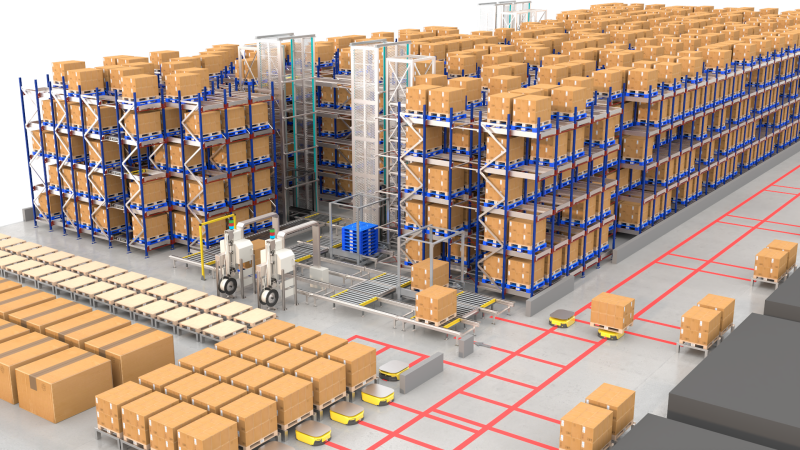
Core Components of a 4 Way Pallet Shuttle Racking System
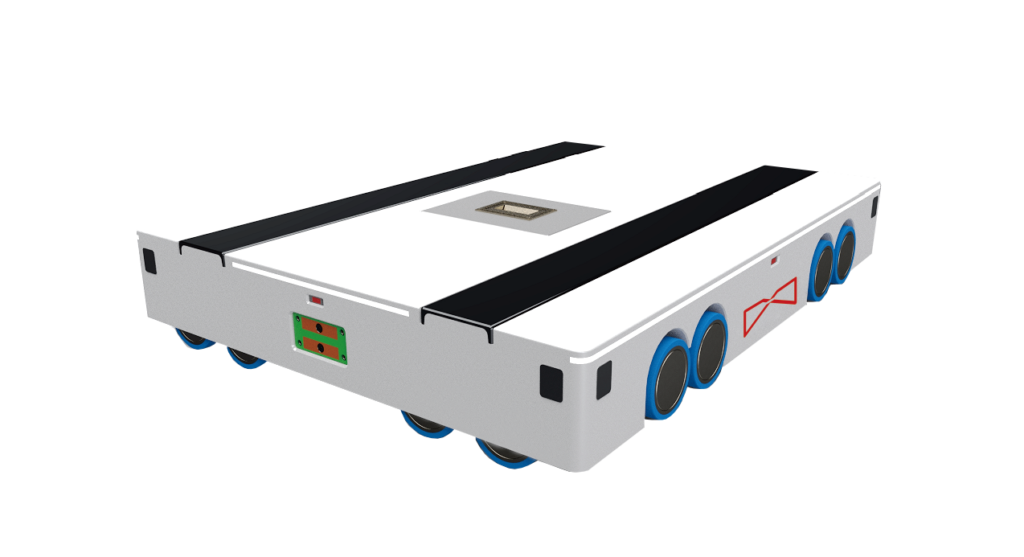
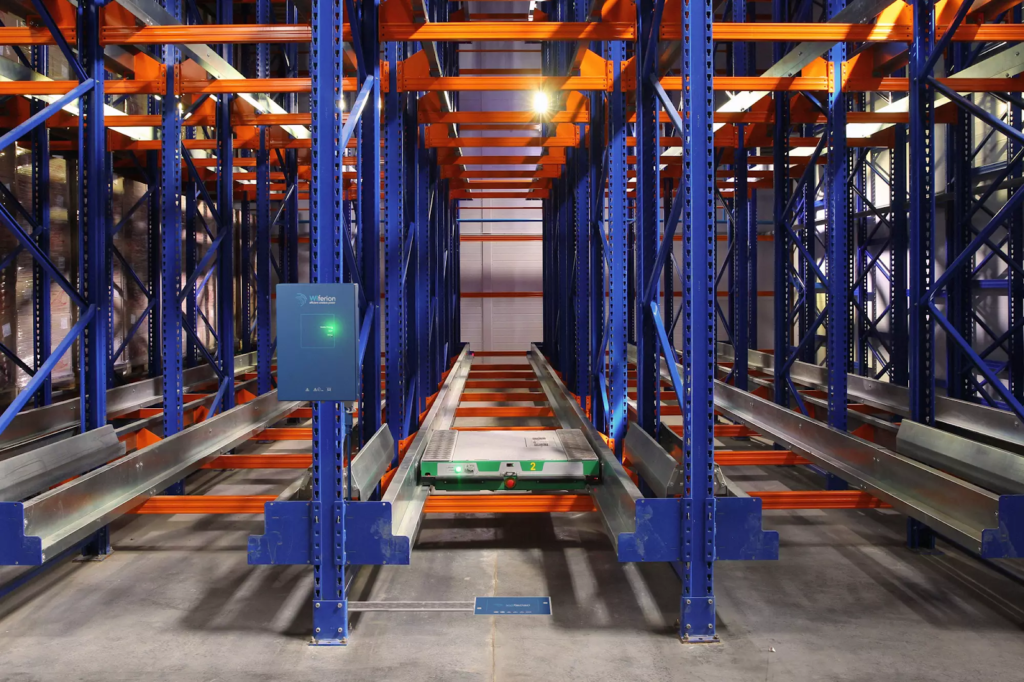
Pallet Shuttle Robots
Shuttle robots are small machines that are used to handle pallets. Electric drive systems are used to ensure that the racks move smoothly. Channels systems have lifting mechanisms that precisely raise and lower pallets. High-level sensors and navigation are used to control the position and safety.
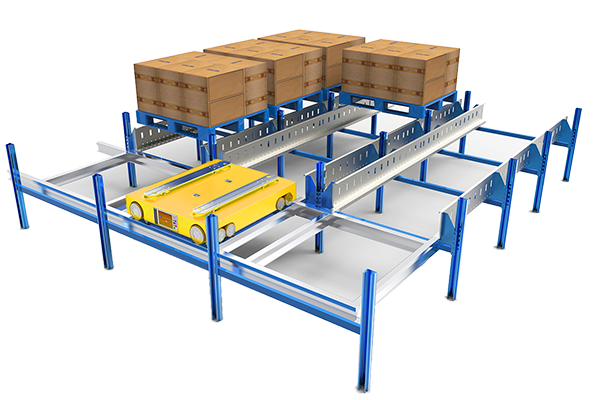
Racking Structure
Shuttle systems are efficient in storage with high density being offered by racking structures. Multi level and deep lane designs maximize the use of the warehouse. The design of the structure is robust enough to support hefty pallet loads. The engineers take into account the load distribution and safety in case of long term operation. For product-level details, review Advantages of Automated Cold Storage System.
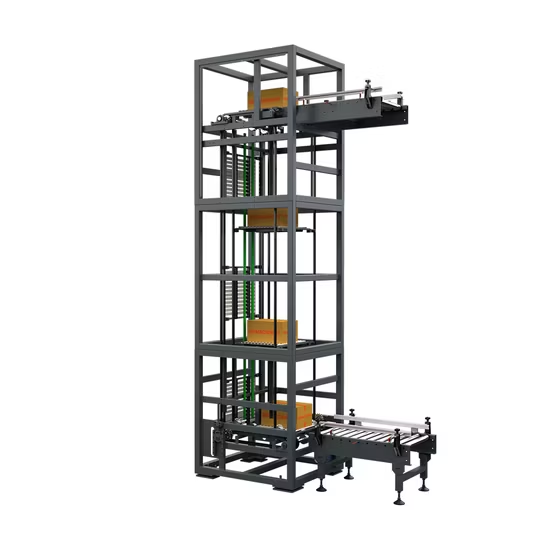
Vertical Lifting Systems (Elevators)
Vertical lifting systems lift the pallets across various levels of storage. They combine with shuttle robots to enable the flow of vertical movements. Elevators save time and increase efficiency of warehouse throughput. Lifting systems are reliable and have no problem of delays in the system.
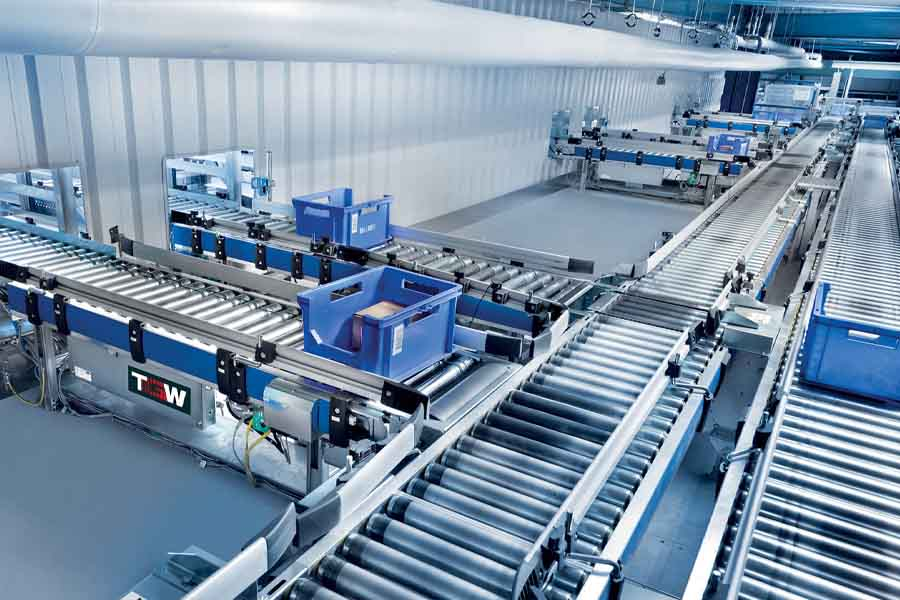
Conveyor Systems
Conveyor systems are efficient in the movement of inbound and outbound materials. They join docks and picking stations to facilitate workflow process. Automated conveyors save man-handling and make it much faster and more efficient. Effective conveyor design enhances accuracy of orders and performance of reliability in the system.
Charging Systems
Permanent charging points are used to make sure that shuttle robots are charged in a timely manner. Opportunity charging enables robots to recharge when short pauses operations take place. This enhances uptime and minimizes downtime in warehouse systems operations. Smart charging control prolongs battery life and performance in general.
Software Systems
The 4 way shuttle racking system in warehouses makes use of the following four software systems to operate efficiently and effectively:
- Warehouse Management System (WMC)
- Warehouse Execution System (WES)
- Warehouse Control System (WCS)
- Fleet Management Software

How 4 Way Pallet Shuttle System Works?
Step 1: Pallet Entry into System
Pallet goes into system via inbound stations or automated conveyor lines easily. This is done to guarantee continuous flow and prepares goods to be ready to be processed by intelligent warehouse processing system.
Step 2: WMS Identification and Allocation
Warehouse Management System recognizes pallet data and confirms the storage requirements. It allocates optimum location depending on rules demand and real-time inventory conditions analysis layer.
Step 3: Shuttle Assignment
System allocates available shuttle dynamically optimized on the basis of workload and proximity. This provides effective allocation of work among numerous shuttles working parallel to each other without any delays.
Step 4: Aisle Navigation
Shuttle moves with the help of accurate guidance and sensor control in the main aisle. It can also reach specific positions within a short period of time and comply with the requirements of safety and accuracy of route optimization.
Step 5: Channel Movement
Shuttle moves laterally into proper storage channel within rack structure in perfect alignment. This movement enables proper positioning of high-density pallet storage systems enhanced efficiency reliability.
Step 6: Cross-Aisle Transfer
Shuttle moves between aisles in routing when space use is needed to be efficiently managed. It enhances flexibility and decreases congestion in big automated warehouse system operations flow.
Step 7: Change in Vertical Level
In system design, Shuttle takes advantage of elevators to reach various levels of the racks. This allows storage at more than one height to achieve maximum gains in improving warehouse capacity utilization.
Step 8: Multi-Shuttle Coordination
There are several shuttles which are being used in parallel with high coordination and collision avoidance technology. Load balancing will make sure that operations run smoothly and no bottlenecks occur in the busy environments.
Step 9: Storage Placement
Shuttle inserts pallet in correct slot as per instructions of assigned storage location. This will guarantee a well-organized storage and will make the most out of the available warehouse space efficiency gains are made.
Step 10: Retrieval Request Processing
WMS receives request of retrieval and provides flow of pallet pickup operation with shuttle. System ranks requests according to the urgency and warehouse operational requirements analysis logic module. A related guide on Shuttle Racking vs ASRS gives more detail for this part of the planning work.
Step 11: Return Movement
Shuttle moves pallet between channels and aisles to dispatch area through efficient routing. Movement is optimized to minimize travel time and energy consumption overall system efficiency.
Step 12: Delivery and Dispatch.
System transfers pallet to conveyors, picking stations or shipping areas. This makes the outbound flow smooth and the order fulfillment operations performance improved.
Software Architecture Behind 4 Way Shuttle Systems
- Warehouse Management System (WMS): Warehouse Management System deals with inventory management in automated shuttle storage facilities. It assists in the allocation of storage and order management and allows you to manage the operations in a warehouse in an efficient smooth way. Real time data will provide correct inventory visibility and decrease picking errors by a large margin in overall efficiency today.
- Warehouse Execution System (WES): Warehouse Execution System handles real time prioritization of tasks in the operations of the warehouse effectively. It enhances workflow optimization, placing tasks in a sequence and eliminating delays on your behalf in a smooth manner. This system will guarantee real time responsiveness and overall improvement in performance of the warehouse.
- Warehouse Control System (WCS): Warehouse Control System is specifically designed to control equipment in automated shuttle environments. It allows the coordination of movement between lifts and shuttles so that you can be assured of safe operations all the time. WCS is a system that combines sensors and controllers in order to have a smooth and precise flow of execution of the warehouse in a systematic manner.
- Fleet Management Software: The Fleet Management Software intelligently allocates the shuttle tasks in real time within the zones of the warehouse. It also manages the traffic between shuttles without congestion and delays to you. The battery monitoring is also used to guarantee efficient energy consumption and the reliability of the unexpected shuttle downtime system.
Types of four Way Shuttle Racking Systems
Semi-Automated 4 Way Shuttle System
Semi-automated systems are operator assisted shuttles that are used to control warehouse storage operations. You control movements and system increases speed and accuracy. It facilitates scalable expansion of warehouses that require gradual upgrades of automation in an effective manner. For broader industry context, Automated storage and retrieval system is a useful reference.
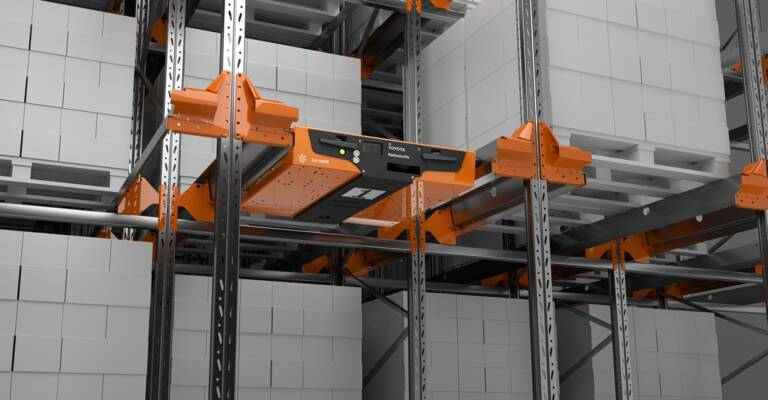
Fully Automated 4 Way Shuttle System
Fully automated systems are those that do not require any human intervention but they use intelligent shuttle technology. It provides high throughput and reliability in large warehouses. You acquire quicker functions with little operational mistakes day-by-day.
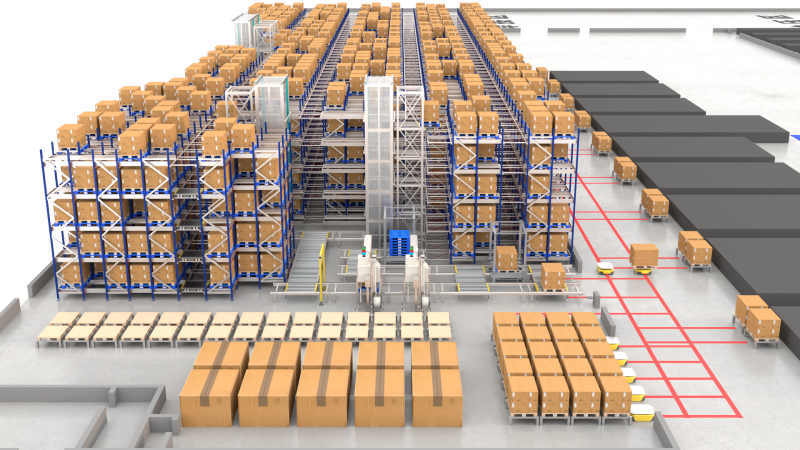
Cold storage 4 way shuttle system
Cold storage shuttle systems work well in low temperature conditions. Special batteries are considered to guarantee good performance even when it is in freezing warehouses. You keep product integrity and system has cold logistics under its belt.
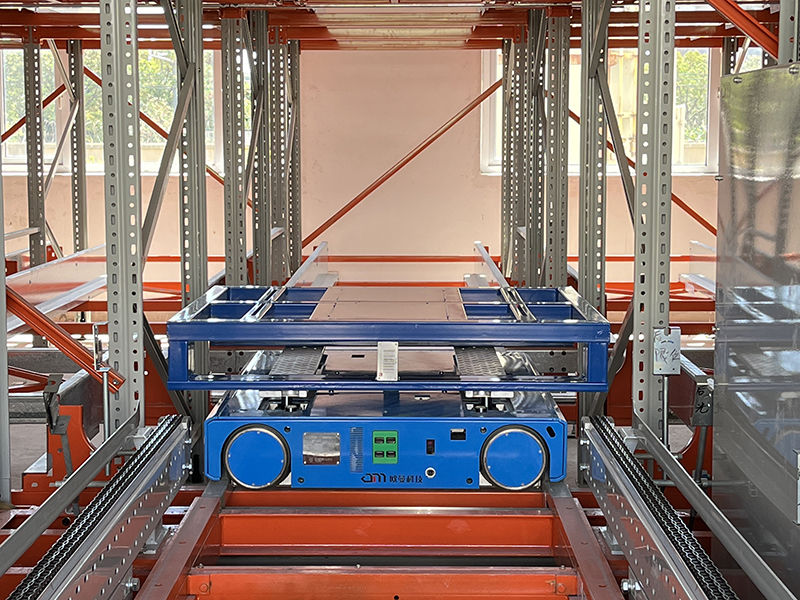
Multi-Shuttle Systems
Multi-shuttle systems have multiple shuttles operating on a rack level at the same time. This design enhances throughput and waiting time is minimized. You have greater scalability of warehouse operations and performance gains of daily operations.
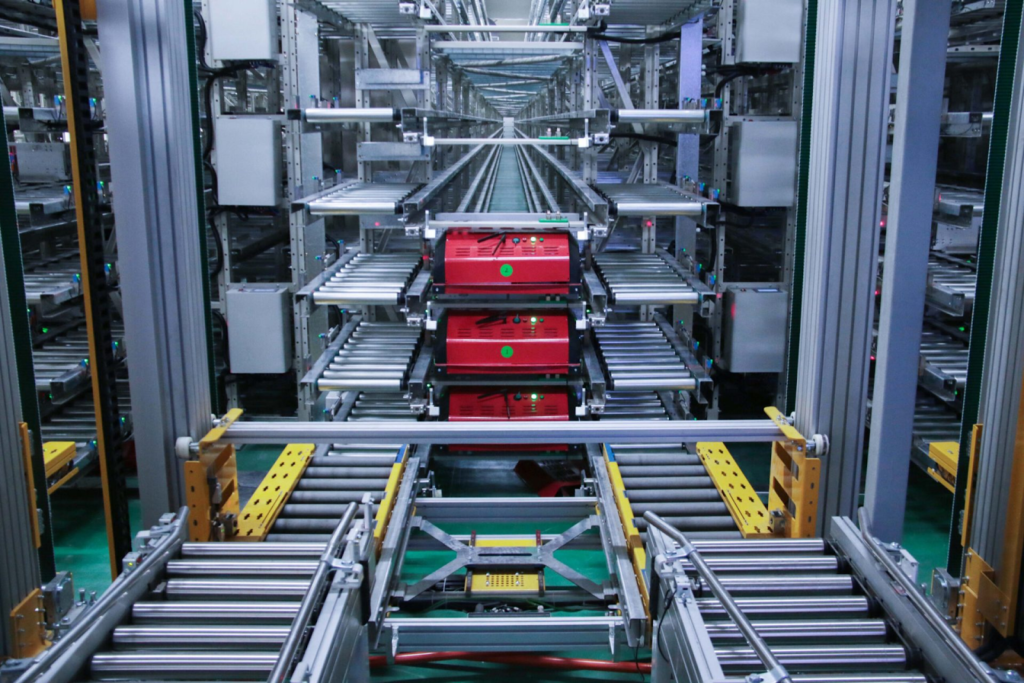
Hybrid 4 Way Shuttle Systems
Hybrid shuttle systems are efficiency systems that integrate automation and conveyor. They streamline the flow in the warehouse and enhance material handling performance. You are able to enjoy smooth operations by having integrated systems and enhanced control of coordination.
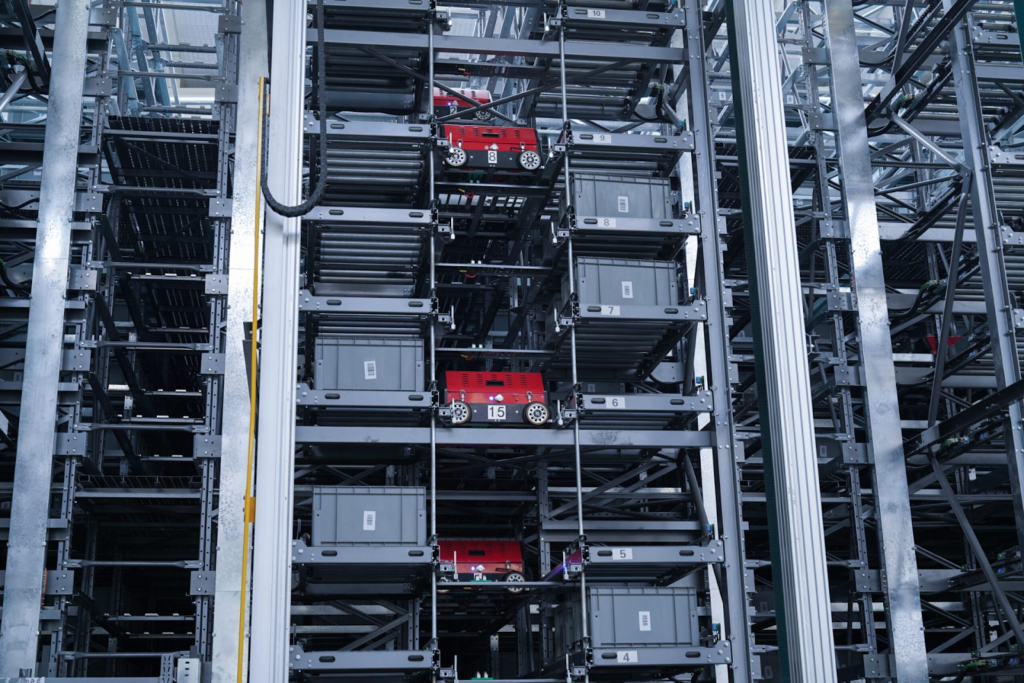
Key Features of 4 Way Shuttle Racking
- Omnidirectional movement: Allows movement of the shuttle through the racks of the warehouse in various directions smoothly and efficiently. Increases the rate of picking and minimizes congestion and maximization of storage in general.
- Large degree of automation: System is highly automated minimizing the need to have manual handling of the system in an efficient manner. Improves accuracy of the warehouse and workflows via smart integration of control systems.
- Modular and scalable design: Design enables flexible expansion with modular racking pieces of warehouses effectively. Facilitates scalable operation that can easily adapt to the evolving storage requirements.
- Real time inventory tracking: System offers real time inventory visibility through integrated tracking technology system. Enhances precision of stock and makes warehouses operations quicker.
- Less use of forklifts: Automation will cut down on the use of forklifts through efficient use of autonomous shuttle systems. Enhances safety and reduces operational expenses at warehouse settings.
- High throughput capability: System has got high capacity of processing high volume of pallets at a high processing speed. Improves efficiency and facilitates sustained activities in high demand settings without any problems.
- Flexibility with warehouse layouts: System can easily fit into different warehouse layouts and designs that are well-designed. Enhances space management and flexibility in operations within warehouse configurations in general.
Advantages of Reliable Four-Way Shuttle Racking System
Maximized Storage Density
4 Way Shuttle Racking enhances the capacity of the warehouse due to the deep lane pallet storage system which is effectively used. Here you maximize cubic space usage minimizing aisle waste and maximizing overall storage density.
Improved Operational Efficiency
The 4 Way Shuttle systems are more efficient in terms of improving the process of operations in terms of faster storage and retrieval cycles. Here you save the travel time of forklifts that enhance the speed of workflow and productivity of the warehouse in general to a large extent.
Labor Cost Reduction
In this case, 4 Way Shuttle automation will save on labor needs as the number of manual pallet handling operations will be reduced significantly. You are less reliant on forklifts that reduce the cost of labour and the efficiency of the warehouse in general is greatly enhanced.
Enhanced Safety
The 4 Way Shuttle systems enhance the safety of the warehouse since there is less interaction between the human beings and the machines. You also have less accidents because of automated movement of pallets in storage lanes that are controlled environment.
Scalability and Flexibility
The 4 Way Shuttle systems provide scalable warehouse systems that can be easily adjusted to increased storage requirements. You can increase capacity by adding additional shuttles without significant changes in infrastructure needed in the future.
Great Accuracy and Inventory Management
4 Way Shuttle systems are compatible with digital controls to provide high accuracy inventory management systems. You can have enhanced inventory management with fewer errors and a higher level of data visibility in real-time.
Limitations and Challenges of Pallet Shuttle System
- Large initial investment: Advanced shuttle systems have a high initial investment. Automation hardware, software and infrastructure set up costs are included. This renders adoption challenging to small businesses.
- Integration of complex systems: System integration involves a lot of coordination among various components. The hardware, software and network systems should be compatible. The issues of integration tend to add to deployment duration and complexity.
- Needs expert maintenance and technical capabilities: Smooth working of the system needs skilled maintenance. Technicians need to be familiar with automation, software and mechanical workings. The absence of expertise may decrease the efficiency of the system considerably.
- Reliance on software and power infrastructure: Operation is very reliant on software and stable power supply. Any malfunction is capable of stopping the operations of the warehouse within seconds. There should be backup systems to eliminate the risk of downtime.
- Not suitable to very low-volume operations: Systems are not cost effective to low volume warehouses. The net effect of having operational benefits decreases with a constantly low throughput. In some cases, traditional storage can be more feasible.
Comparison with Other Racking Systems
| Feature | Semi-Automated Pallet Shuttle | Shuttle + Stacker Crane | Shuttle + Transfer Car | 4 Way Shuttle Racking |
| Movement in Channel | Yes | Yes | Yes | Yes |
| Movement in Aisle | No | Yes | Yes | Yes |
| Vertical Movement | No | Yes | No | Yes |
| Aisle Change | No | No | No | Yes |
| Automation Level | Partial | High | High | Full |
| Flexibility | Low | Medium | Medium | High |
Traditional vs 4 Way Shuttle
| Feature | Traditional Racking | 4 Way Shuttle Racking |
| Storage Density | Low to Medium | Very High |
| Labor Requirement | High | Low |
| Speed | Moderate | High |
| Flexibility | Limited | Highly Flexible |
| Automation | Minimal | Fully Automated |
Applications of 4 Way Shuttle Racking
- E-commerce and Retail Warehouses: SKU diversity High SKU diversity helps in supporting shuttle racking in e-commerce warehouses. Order fulfillment is expedited with automated movement and retrieval of pallets. Making sure that the operations in the warehouse run smoothly.
- Cold storage and Freezer Warehouses: The cold storage facilities are effective in low temperature areas. Shuttle systems minimize the human intervention in the operations of the freezer warehouses. Improving safety and operational efficiency overall.
- Manufacturing Facilities: Shuttle racking is used in manufacturing facilities to store raw materials. Favors Just-in-Time systems of lean production and stock management. Making manufacturing workflow run smoothly enhanced.
- Pharmaceutical Industry: Pharmaceutical warehouses need to have controlled storage conditions of sensitive medicines. Shuttle racking offers traceability compliance and proper inventory management system. Fully standards regulatory pharmaceutical operations.
- Food and Beverage Industry: FIFO and FEFO are applied in food and beverage warehouses. Assures of adequate perishable goods processing and less spoilage. Enhancing inventory management and overall freshness.
Design Factors of 4 Way Shuttle Racking
Warehouse Layout Planning
Space-workflow based warehouse layout design. Make good use of ceiling height to store as much as possible vertically. Make sure the forklifts and shuttle systems have easy tracks of movement.
Throughput Requirements
Plan and study the quantity of orders to organize proper shuttle operations. Take into account peak demand times to handle without delays. Maximize the daily performance of operations with balanced storage density and speed of retrieval.
Load Characteristics
Assess pallet size and weight to be compatible with the system. Different kinds of products need to be addressed differently regarding their safety. When the loads are properly assessed, it will contribute to avoiding damage and increasing the effectiveness of operations through warehouse reliability.
Scalability Needs
Planning system on the basis of future expansion. Make sure that it is designed flexibly to enable it to integrate with other units easily. Scalable solutions will help you to increase the size of warehouses without causing serious disturbance to the efficiency in the long run.
Environmental Conditions
Make sure that there is proper temperature control in order to maximize the performance of the warehouse. The level of humidity should be observed to preserve the stored products. The safety regulations are also utilized in ensuring that there is both compliance and reduced operational risks and warehouse safety priority.
Budget Considerations
Evaluate overall investment required for installing shuttle racking system. Dynamically balance cost efficiency and long term operation benefits. Budget planning will make you put in without squandering funds wise investment decision.
Safety features of 4 Way Shuttle Systems
- Anti-collision sensors: Anti-collision sensors enhance shuttle safety by detecting nearby pallets, racks, and vehicles instantly. Preventing collisions, reducing damage, ensuring smooth automated warehouse operation efficiency overall performance.
- Emergency stop functions: Emergency stop functions allow immediate system shutdown during critical faults or hazards. Ensuring the safety of operators, preventing the destruction of equipment and making sure that there are regulated response actions in case of an emergency in the warehouse.
- Obstacle detection: Obstacle detection systems identify unexpected objects in shuttle paths using advanced sensors. Preventing collisions, reducing downtime, and improving the automation of the warehouse and safety and reliability of the operations.
- Battery safety protection: Battery safety protection regulates charging cycles, temperature, and voltage to prevent failures. Guaranteeing a long battery life, consistent shuttle work, and less possibility of overheating incidents.
- Overload protection: Overload protection prevents shuttle systems from handling excessive loads beyond capacity limits. Maintenance of mechanical parts, stability of operating and maintaining safe levels of automated warehouse performance.
Future Fashions in 4 Way Shuttle Racking
Machine Learning and AI
The optimization of 4 way shuttle racking using AI and machine learning make the operations in the warehouse smarter and smarter. Predictive maintenance makes downtime less, whereas smart routing makes shuttle movement more efficient within facilities significantly operations.
IoT and Smart Warehousing
IoT can be efficiently utilized in the modern warehouses 4 way shuttle racking system in order to maximize on the real time tracking. The related devices make sure that the communication between the shuttles sensors and the warehouse management platforms is seamless in real time.
Energy Efficiency Improvements
The advanced battery systems will lengthen the working time of automated shuttle racking equipment and decrease the amount of wasted energy. Regenerative braking harnesses energy during deceleration of the shuttle enhancing overall efficiency of the warehouse in the current sustainable systems.
Multi-Robot Collaboration
Swarm intelligence is a method of coordination over extensive storage systems using multi-robot collaboration to allow the shuttles to organize themselves effectively. The issue of congestion is minimized and throughput is maximized by enhanced coordination in the high density warehouse environment in a highly efficient totality.
6-Way Pallet Shuttle Automation Systems
The systems developed in the future are the six-way shuttle racking that is vertically and horizontally mobile in order to enhance the density of the storage. Vertical shuttles can be integrated with smart logistics of the future with full-scale three-dimensional automated operation of a warehouse.
Conclusion
The 4 Way Pallet Shuttle Racking Systems represent a considerable innovation in the automation of the warehouse and high-density storage. They are far more efficient, accurate and economical in space utilization through the incorporation of intelligent shuttle movement, real time tracking and high quality integration of software. First investment and complexity of integration are there but long-term gains supersede constraints. Overall, 4 Way Shuttle Racking is a technology that is forward-looking and will be able to offer warehouses the highest productivity, more intelligent automatization, and sustainable competitive advantage in 2026 and beyond.