FIFO Meaning – What is FIFO?
FIFO, which is an abbreviation of First In, First Out, is a system in which the first stock received is sold first. You use this system to maintain inventory that is fresh and tidy. It helps to avoid the expiration or obsolescence of older products. As an illustration, you sell old apples prior to new ones. This will decrease wastage, preserve product quality and will enable you to keep track of inventory value.
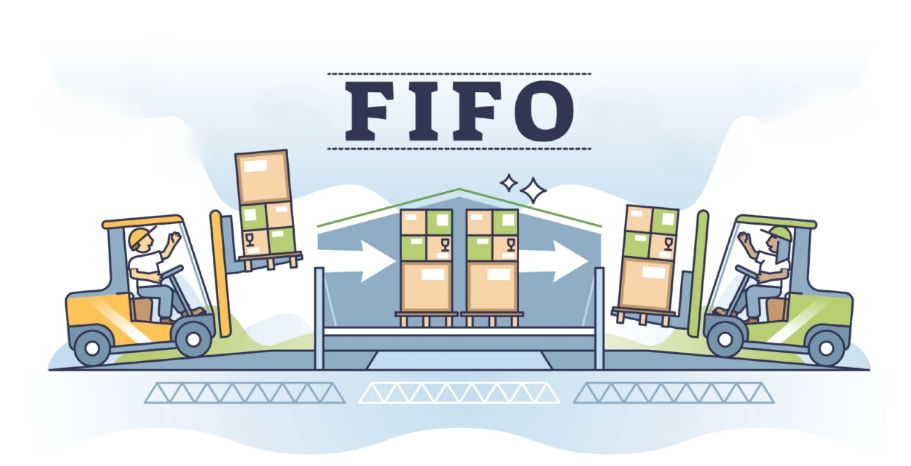
How Do FIFOs Work? Step-by-Step Process in Warehouses
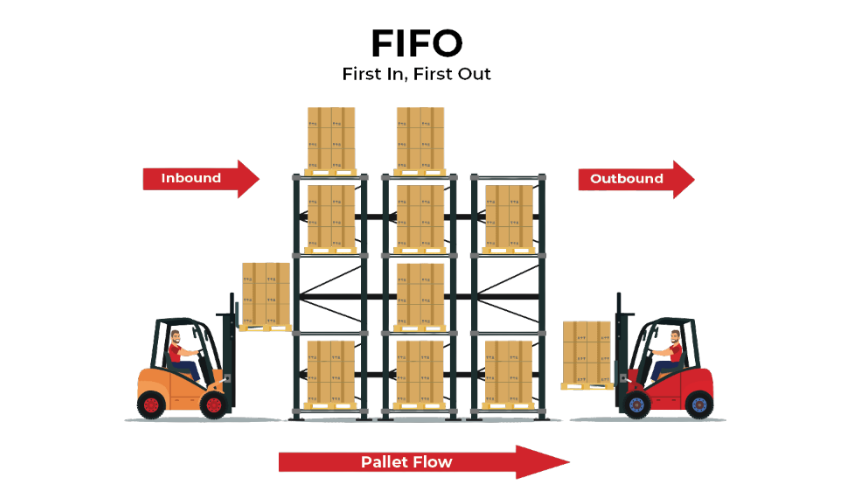
Step 1: New Products Arrive at Warehouse
The products are received at your warehouse, via receiving docks, when suppliers finish their scheduled deliveries. You check shipments against accuracy, damage and documentation and then accept goods into storage. Correct receiving is to make sure that all the products get in the system with proper records and traceability.
Step 2: Inventory Stored at Rack Loading Side
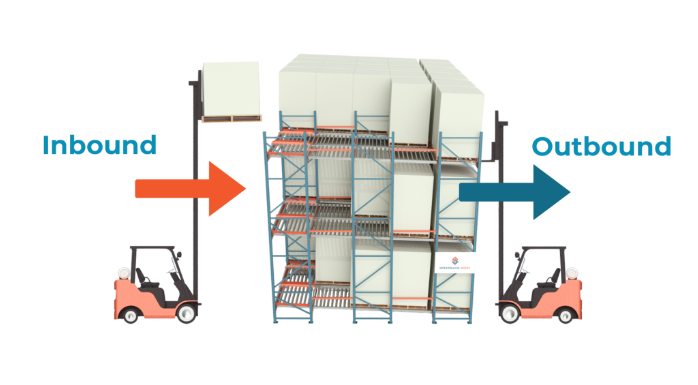
Once confirmed, employees put new pallets on the back-loading side of specified storage racks. This location avoids confusions between new products and old stock that has already been placed. The flow defines a controlled flow of products in favor of the FIFO.
Step 3: Existing Pallets Gradually Move Forward
With the operations in the warehouse, old pallets slowly move forward in rack lanes as new ones are replenished. This flow occurs naturally as old stock is brought nearer to the picking side. Systematic rack arrangement assists in the steady rotation of products.
Step 4: Orders Picked From Oldest Stock
As customer orders come, the warehouse pickers take the items at the front of the racks. These products are the oldest in the lane. By doing this, the stock will be out of the warehouse in the correct order.
Step 5: Continuous FIFO Cycle Repeats
Once picking is done, empty rack spaces are found at the front picking position. The process of workers refilling lanes is to push pallets forward and new products behind them. This systematic operation maintains stock in motion and avoids the deteriorating inventory.
FIFO Racking – Storage Systems That Enable FIFO
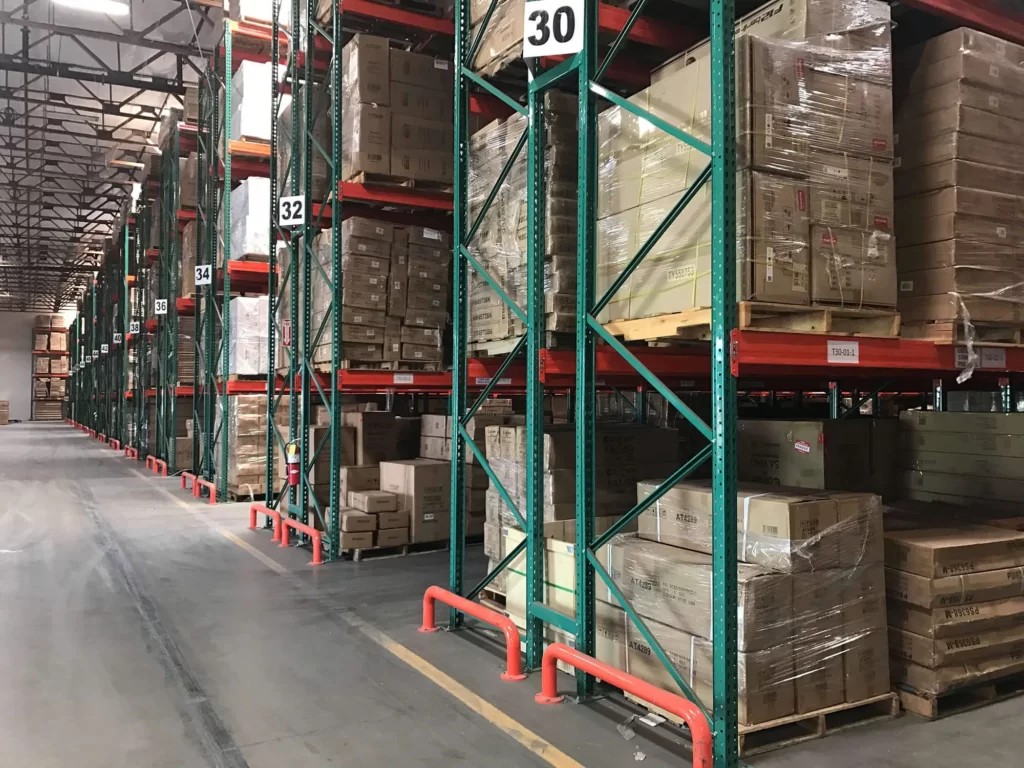
FIFO racks are also important in having the products in the right sequence of first-in, first-out sequence, keeping the inventory fresh and reducing wastage. Such systems must have distinct loading and unloading aisles to facilitate easy and orderly stock movement.
Types of FIFO-Compatible Storage Systems
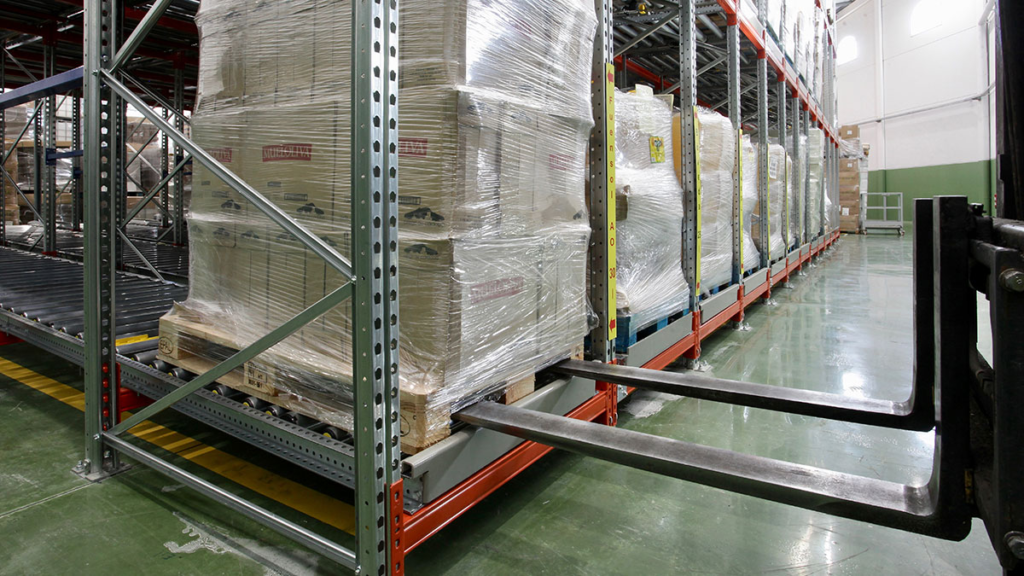
- Live Pallet Racking – Pallets travel on rollers between loading and unloading stations. The oldest stock is accessible in a first in first out manner, which will minimize spoilage and guarantee inventory turnover, and saves time during order fulfillment and warehouse activities.
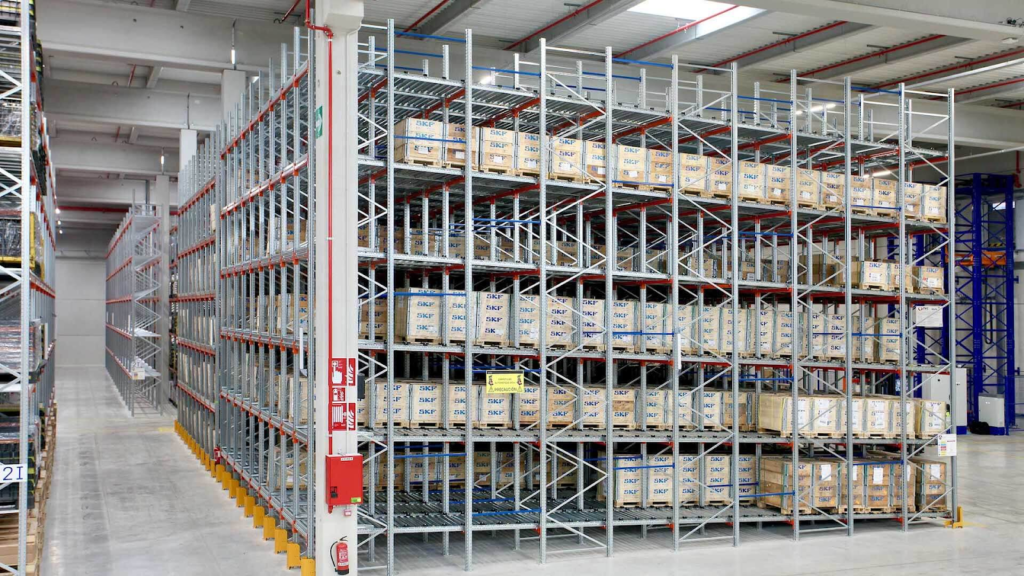
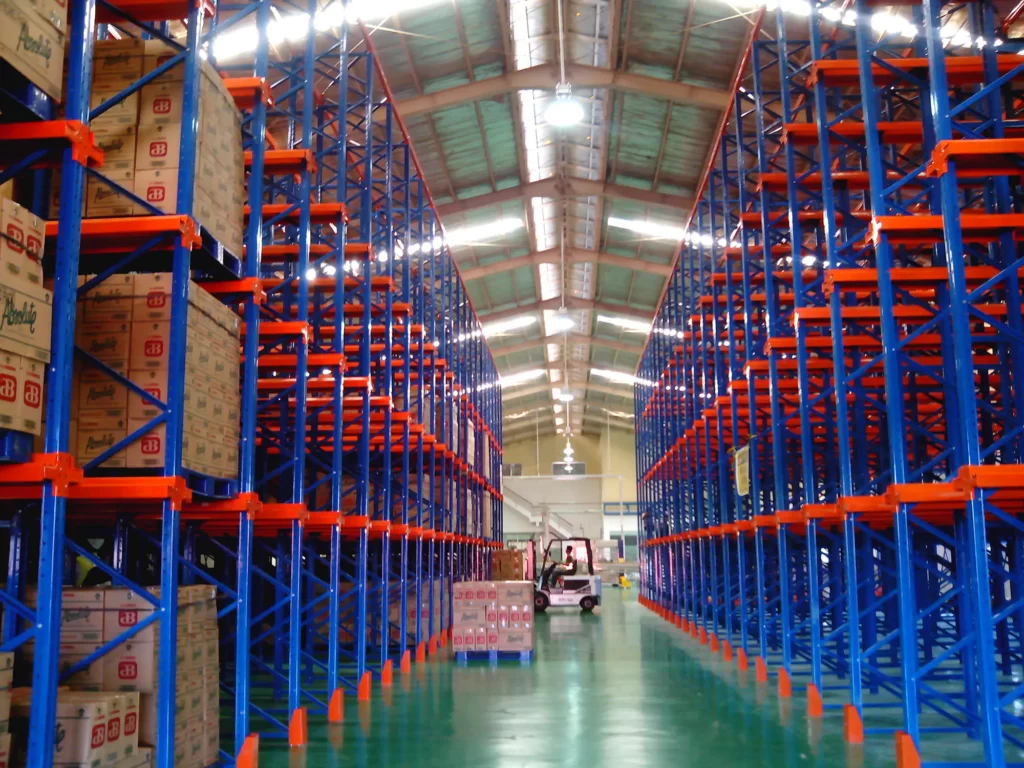
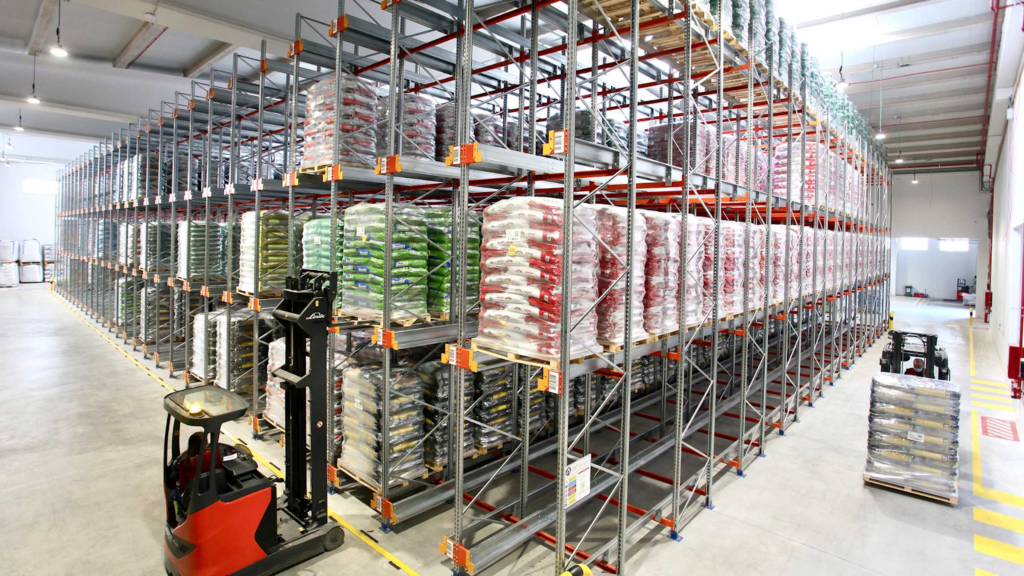
- Drive-Through / Drive-In Systems – These are small, aisle-oriented pallet storage systems that are space efficient. You are able to store high volumes and still maintain FIFO regulation, retrieval of older pallets first and better storage density so that your warehouse becomes more organized and efficient in managing large volumes of inventory.
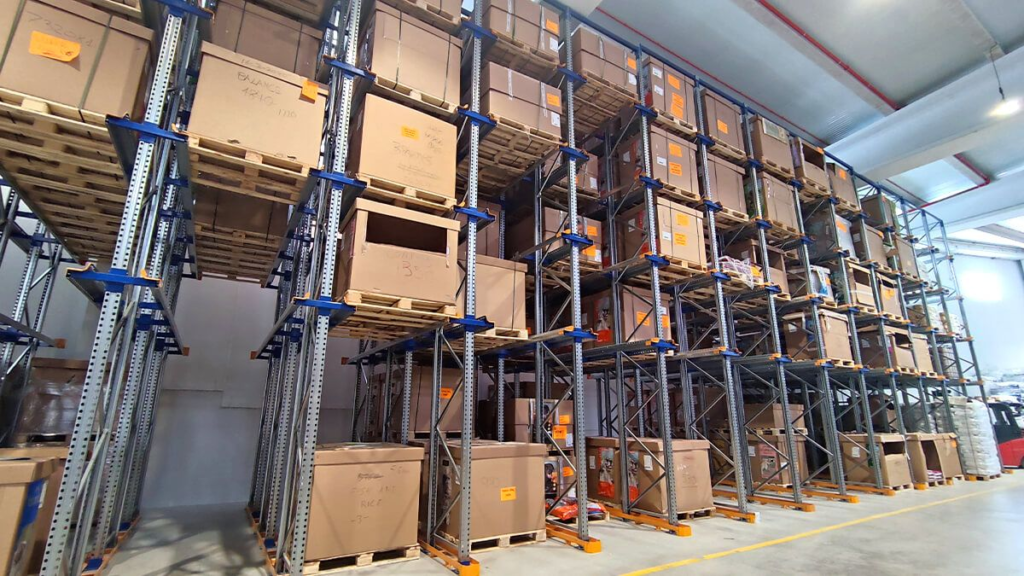
- Shuttle Racking Systems – Semi-automated motorized shuttles are used to move pallets in racking aisles. Manual work can be minimized and a high level of FIFO rotation can be ensured, more accurate picking can be achieved, and operations can be simplified, which will benefit not only fast-moving goods but also accurate inventory management within your warehouse setting.
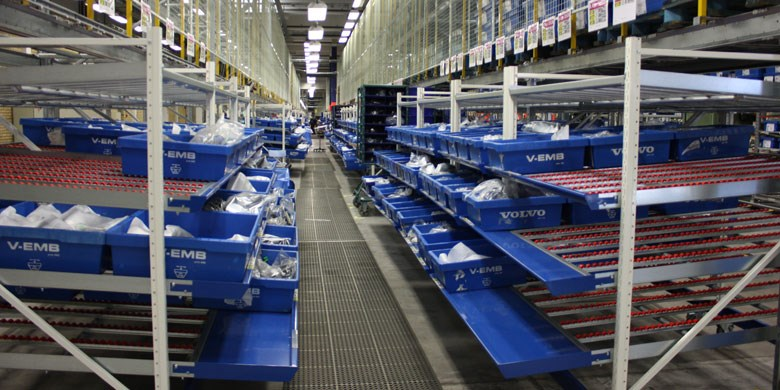
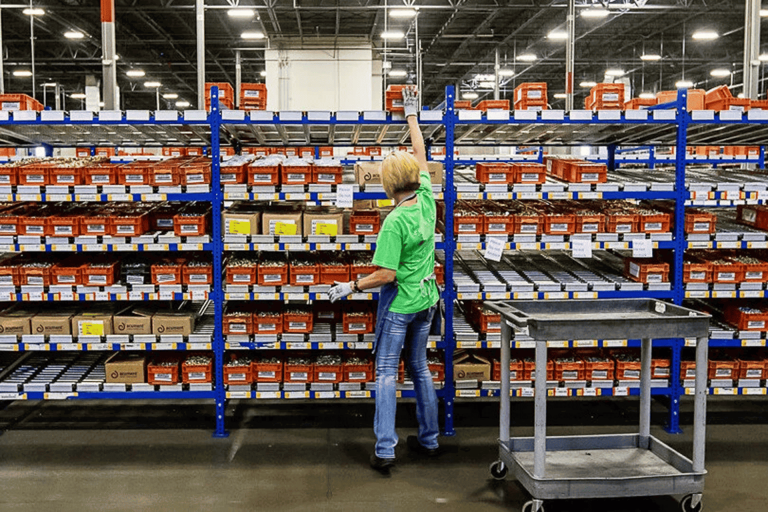
- Carton Flow Picking Systems – Rollers transport boxes or light products to picking stations as a continuous process. You are able to easily manage small products, first in first out, minimizing mistakes, and making picking faster, increasing inventory turnover and keeping products fresh all the time.
Advantages of FIFO Inventory Management
Reduces Product Obsolescence
The use of FIFO will mean that the older stock will get to move first so that nothing becomes out of date. You have a cleaner inventory, which minimizes the losses by spoilt or outdated products. The technique is useful in tracking stock and making decisions on timely replenishment of high-demand items. For product-level details, review FIFO Racking.
Minimizes Waste
FIFO helps a lot in minimizing waste particularly on perishable items with a short shelf life. Products are sold before going bad and the cost of disposing them is reduced. When you rotate inventory in a systematic way, you are maximizing the efficiency of operations and making sure that you are using resources in the most efficient way possible in your business. This point also connects with Food Warehousing.
Improves Cash Flow
The sale of older inventory will speed up revenue collection and ensure steady cash flow. You do not keep stagnant products that occupy capital without any necessity. This will enable you to invest in new stock that will result in an increase in profitability and help in the efficient growth of the business in the long term.
Ensures Regulatory Compliance
FIFO helps to adhere to rigorous standards in such areas as pharmaceuticals and food. You observe correct tracking practices, complying with the law and safety regulations. Effective inventory flow minimizes the risks of audits and gives your business credibility and trust in the industry.
Enhances Inventory Accuracy
The flow of stock sequentially makes it easier to track and report inventory. It is easy to make predictions that are more accurate and see discrepancies. The structured movement of inventory guarantees healthier operations and lowering errors and enhances your supply chain management in more confident business decisions.
Better Customer Satisfaction
Offering new and updated products improves the experience and loyalty of your customers. You are always providing quality products, creating loyalty in your brand. FIFO means that orders are correctly filled, which results in the increased levels of satisfaction and motivates your customer base to make repeated purchases.
Technology That Supports FIFO Inventory Management
Warehouse Management Systems (WMS)
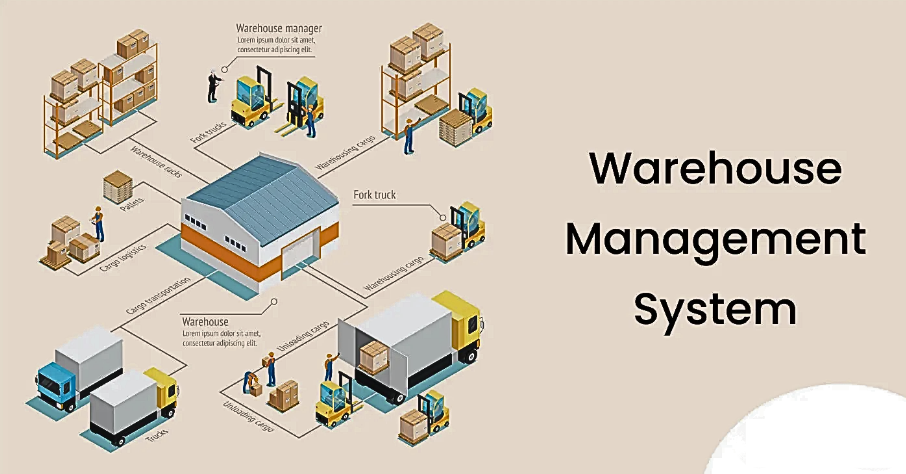
Warehouse Management Systems involve fully automating the process of keeping track of your inventory and enhancing the overall efficiency of the stock rotation. They assist in making sure that the oldest goods are picked first, which saves on wastage. It allows you to track real-time inventory levels, optimize operations and have the same FIFO practices in all storage areas.
Barcode and RFID Tracking
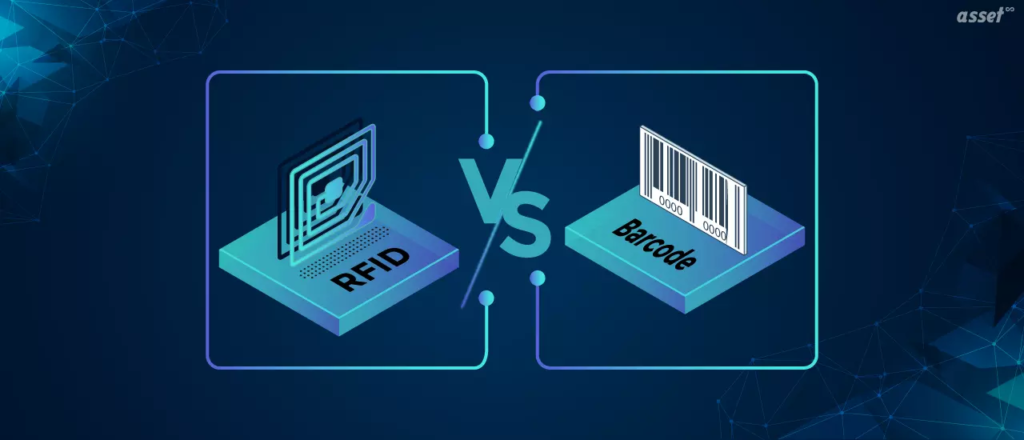
Accurate and real time tracking of products in your warehouse is offered by barcode and RFID tracking. These technologies minimize human mistakes and misplacement. You can easily recognize which stock must be dispatched, FIFO compliance and be more accurate in order fulfillment and report.
Automation and Smart Warehousing
Efficient automation technologies in your warehouse include conveyor systems, robotic pallet shuttles, automated picking. You have the advantage of quicker product processing and less labor expenses. Smart warehousing solutions assist you to ensure a steady FIFO compliance with minimum manual handling time and errors.

Data Analytics and Inventory Forecasting
Technology anticipates demand and informs your inventory decisions. You will be able to achieve better stock turnover and avoid overstocking or expiration problems. Forecasting makes sure that FIFO operations are kept in step with real sales trends to help you plan procurement, storage, and distribution more intelligently. For broader industry context, Inventory is a useful reference.
Cloud-Based Inventory Management Systems
Cloud-based systems allow real-time inventory tracking in multiple locations at the same time. You are able to coordinate effectively among warehouses, suppliers and distribution centers. These systems enable you to monitor the stock levels, comply with FIFO, and make the right decision in time to avoid losses and enhance the overall efficiency of the operations.
How to Implement FIFO in Your Warehouse?
Step 1: Evaluate Your Inventory Type
Identify the nature of your inventory through perishable or non-perishable items so that it can be handled optimally. Perishable items have to be turned over more and monitored more closely. Non-perishable products can withstand slow turnover. To use FIFO methods properly and minimize losses, you should classify every product.
Step 2: Design an Efficient Warehouse Layout
Arrange your warehouse to distinguish between the receiving and picking areas to facilitate a better workflow. Clarity of direction minimizes mistakes and enhances productivity. You ought to put the older stock near picking areas so that it is used up first before it leads to the accumulation of expired or outdated inventory.
Step 3: Choose the Right Storage System
Install FIFO-specific racking systems, e.g., flow racks or inclined shelves. Correct storage will mean that the oldest products will be in reach and will save time on retrieval. You require racks that are constructed to move stock with the least rotations and manual handling and which keep the warehouse in a regular order.
Step 4: Integrate Inventory Management Technology
Track stock in WMS software and barcode scanning. Technology offers real time inventory levels and locations. You ought to capitalize on automated alerts and reports to track stock movement to ensure that there is correct application of FIFO and that there is a significant reduction of human error.
Step 5: Train Staff and Monitor Performance
Set up standard operating procedures of all the warehouse personnel in charge of the inventory. Training every day guarantees uniformity and compliance to FIFO regulations. You have to track the performance of staff by auditing and feedback, and by changing processes to keep optimizing warehouse performance.
Is FIFO the Right for Your Business? – Factors to Consider
- Nature of Products: The nature of the products, which require high perishability or expires quickly, is best suited to the FIFO, since in this case, the old items will be available first. You can avoid losses by synchronizing inventory to product type.
- Shelf Life: Products with low shelf life must be strictly rotated. You need to make selling or consumption of old stock a priority and in that way ensure that you reduce waste and also ensure that there is no variation in the quality of the product.
- Industry Regulations: There are rules of compliance in some industries, such as pharmaceuticals or food. These rules are to be followed so as to ensure that penalties are not incurred in the process of ensuring that the practices of FIFO-based inventory are effectively maintained.
- Warehouse Capacity: The lack of warehouse space influences FIFO effectiveness. You are to arrange stock in a way that you can move products without making congestions or operational delays during day to day transactions.
- Inventory Turnover Rate: Items with high turnover are fast and thus the FIFO is simpler to apply. You can track the sales trends to make adjustments on stock location, and the old goods would be sent out first.
Industries That Use First In First Out Inventory Systems
Food and Beverage Industry
Perishable products must be handled with high levels of control in order to minimize spoiling and losses. FIFO can be used to make sure the old inventory gets sold first, and dairy, fresh produce, and packaged foods remain safe to use. This is an efficient way of reducing wastage.
Pharmaceutical Industry
The expiry date of medication requires proper monitoring in order to ensure that there is adherence to strict rules. You are advised to apply FIFO so that the old drugs are dispensed first before there is danger of having expired products reaching the consumers. This is a method that protects patient safety and helps keep the regulations on track.

Retail and E-Commerce
Seasonal inventory is in a state of constant movement and precise inventory rotation is needed to achieve profitability. FIFO can be used so that the fashion, electronics and other products with a high turnover are sold first before the old ones. This system keeps the accumulation of unsold inventory at an unnecessarily low level.
Manufacturing and Distribution
Optimal utilization of raw materials directly reflects on production schedules and expenditures. FIFO principles should be observed to consume the older resources first, which enhances the efficiency of a supply chain. This assists in keeping a continuous manufacturing process and reducing wastage and inventory storage space.
Cosmetics and Personal Care Industry
Products that are sensitive to shelf-life should be handled with care in order to ensure quality and customer satisfaction. FIFO systems can be trusted to turnover of stock efficiently, with the old ones being consumed first. This is done to maintain the efficacy of products and to avoid sale of products that have expired to customers.

Situations Where First In First Out (FIFO) May Not Be Ideal
- Commodities with no expiration: In cases of metals or other goods that do not expire, FIFO is not likely to have substantial effects on inventory turnover. Instead, you may place more importance on cost efficiency or market value since old stock usage is of less importance in such cases.
- Certain accounting or tax strategies: The business may use LIFO or weighted-average to benefit tax or financial reporting. Before adopting inventory management strategies, you should consider the way FIFO would impact your taxable income and financial statements.
- Perishable Goods: Although FIFO reduces spoilage, when used together with FIFO, the first ones to expire are sold first. You should be keen to keep track of expiration dates to prevent wastage despite old stock being kept in storage longer.
- Manual FIFO can be difficult without software: Manual inventory tracking adds errors and labor expenses. You have the advantage of barcode scanning and automated systems to secure first in first out stock management at all times.
- Unorganized storage systems: When your warehouse is not well laid out or marked, FIFO is not effective. You need to install a structured storage and organized racks to enable rotating of stock properly and eliminating mistakes in operations.
Best Practices for Implementing FIFO in Warehouses
Use Warehouse Management Software (WMS)
Warehouse Management Software gives real time visibility of inventory and minimizes human error to a large extent. You can also have an automatic stock rotation whereby the older stocks are selected first. WMT assists in keeping the working process the same and increases the efficiency of all the processes at a warehouse.
Label and Organize Inventory Clearly
The implementation of FIFO requires clear labeling. All products should be given expiration dates, batch numbers, and SKU identifiers. The structured inventory allows picking up faster, eliminates errors, and assists the workers to find things with accuracy and not wasting precious time.
Train Employees on FIFO Procedures
Training of employees will guarantee that there is uniformity in FIFO practices among all shifts. You need to instruct about good picking policies and inventory turnover. Trained employees save on inventory, and keep the quality of the product as well as aid in the smooth running and efficiency of your warehouse operations.
Implement Barcode and RFID Systems
Barcodes and RFID systems enhance the accuracy of tracking and accelerate operations. You are able to scan products to update records immediately, enhancing inventory visibility. These technologies reduce errors and enable you to have accurate and real-time stock data with very little effort.
Conduct Regular Inventory Audits
Periodic audits eliminate discrepancy and confirm the accuracy of inventory. You are advised to introduce cycle counting methods to detect missing or out of date products in time. Audits will guarantee compliance, cut losses and enable you to optimize warehouse stock on a continuous basis.
FIFO vs. Other Inventory Methods: Key Differences
FIFO vs LIFO (Last In First Out)
LIFO or Last In First Out utilizes the latest inventory first. You may want to think about it with non-perishable goods, which would assist in controlling the costs in the case of inflation and effective pricing plans in the financial reporting or tax advantages.
FIFO uses older costs to value inventory whereas LIFO is used to value inventory with recent prices. You will be able to examine which approach is appropriate to the accounting objectives, the cost management, and the proper flow of products under the conditions of increased and stable costs.
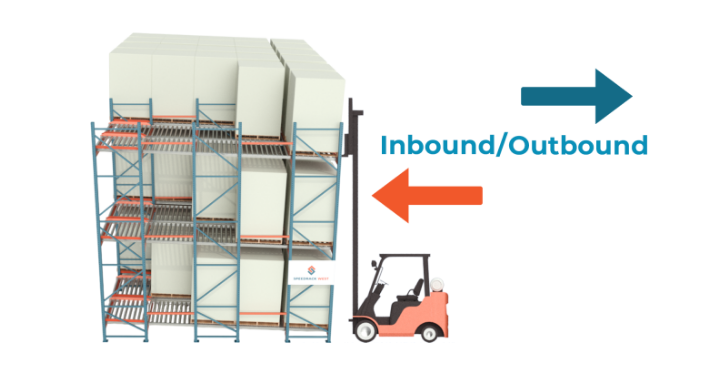
Companies that are affected by inflation can use LIFO as a means of minimizing taxable income. Before selecting LIFO as a working or financial policy, you should consider type of inventory, costs changes and accounting considerations.
FIFO vs FEFO (First Expired First Out)
FEFO gives precedence to those products that have the least expiry date, minimizing waste and enhancing compliance. You can apply FEFO to food, pharmaceuticals or any extremely perishable regulated goods effectively.
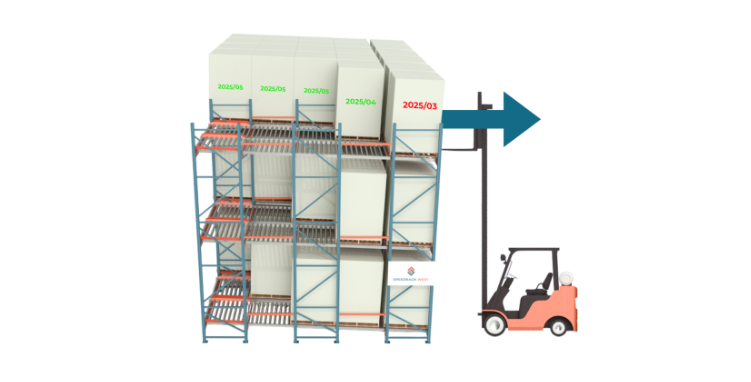
FEFO allows perishable goods to be sold prior to expiry to retain quality and safety of the products. Keep an eye on the expiration dates and educate the personnel to ensure perfect rotation of the inventory. For a closer comparison, see FEFO.
| Inventory Method | How It Works | Best For | Key Advantages | Challenges |
| FIFO (First-In, First-Out) | Oldest inventory is used or sold first | Perishable goods, pharmaceuticals, retail | Ensures freshness, reduces obsolescence, simplifies accounting | Can inflate profits in rising cost environments; may increase tax liability |
| LIFO (Last-In, First-Out) | Newest inventory is used or sold first | Non-perishable goods, industries seeking tax benefits | Helps manage costs during inflation, aligns with pricing strategies | Not suitable for perishables, may understate inventory value |
| FEFO (First Expired, First Out) | Items with the nearest expiration date are prioritized | Food safety, perishables, regulated products | Minimizes waste, ensures safety compliance, maintains product quality | Requires strict expiration tracking; more complex to implement than FIFO |
Why Mracking Leads the Global Market in FIFO Racking Systems
Mracking is a leading company in the market of FIFO racking systems with more than 16 years of experience in warehouse storage system. The company has a manufacturing plant of 20,000+ sqm, where it designs strong and customizable racking systems, which facilitate effective First In First Out (FIFO) inventory control. CAD-based designs enable their engineers to design layouts that are modular and flexible to various pallet sizes and warehouse requirements. Mracking is concerned with cost-efficient solutions and high-quality standards of safety and quality. The company has a large number of clients in over 40 countries with global delivery and has continued to offer scalable, efficient, and reliable FIFO warehouse storage systems.
Conclusion
Using FIFO will make sure that your inventory moves effectively, minimizes wastage and the quality of your products remains consistent. The accuracy of rotation is improved by proper warehouse design, clear labeling, and high-technology. You will be able to optimize cash flow, meet regulatory requirements, and please customers all the time. FEFO integration also prevents expiry of perishable goods. Mracking is the perfect partner to maximise your warehouse operations and inventory management strategy with a strong, customized FIFO racking system, innovative solutions, global experience, scalable designs, and high-quality standards, offered at the same time. A related guide on Comparison of FEFO and FIFO Inventory Management gives more detail for this part of the planning work.