Warehouse storage facilities form the operational backbone of global supply chains, providing the physical infrastructure where raw materials, work-in-progress inventory, and finished goods are received, stored, and dispatched. As logistics networks grow more complex and consumer expectations shift toward faster delivery, the range of warehouse storage facilities available to manufacturers, distributors, retailers, and 3PL operators has expanded significantly. Understanding the differences between private warehouses, public warehouses, bonded warehouses, distribution centers, fulfillment centers, cold storage warehouses, cross-docking facilities, and automated warehouses is essential for building an efficient supply chain strategy.
This article examines the eight main types of warehouse storage facilities used in industrial and commercial supply chains today, their defining characteristics, and the operational contexts in which each type is most commonly deployed.
What Are Warehouse Storage Facilities?
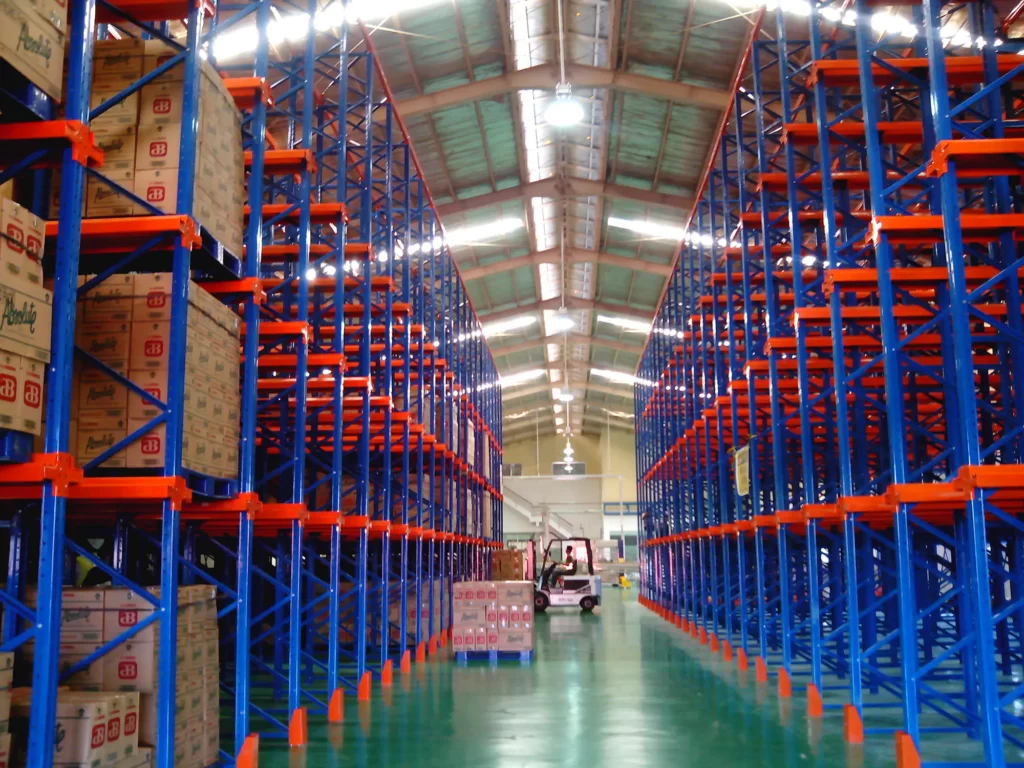
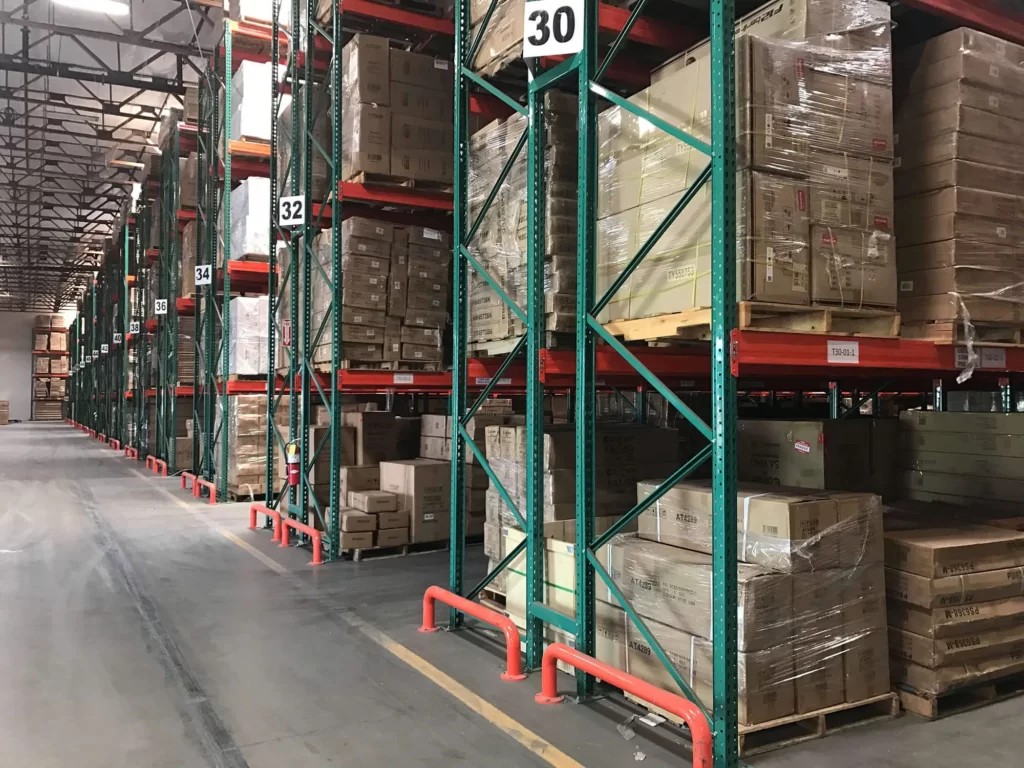
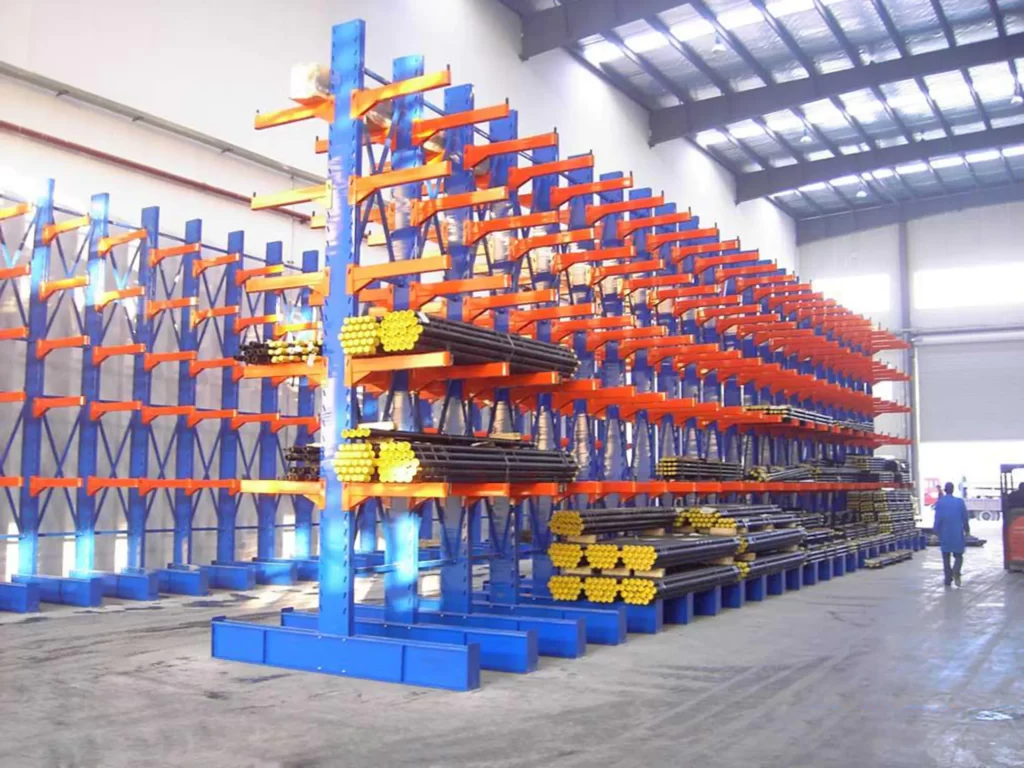
Warehouse storage facilities are commercial or industrial buildings designed to receive, store, and dispatch goods on behalf of manufacturers, distributors, retailers, and logistics service providers. They typically feature loading docks, storage systems such as pallet racking or shelving, material handling equipment, and inventory management infrastructure that supports the movement of goods through the supply chain.
Modern warehouse storage facilities are no longer passive storage buildings. They function as active nodes in complex distribution networks, often integrated with warehouse management systems (WMS), transportation management systems (TMS), and enterprise resource planning (ERP) platforms. According to industry data published by the Material Handling Institute (MHI), the global warehousing sector continues to expand as e-commerce, cold chain logistics, and just-in-time manufacturing drive demand for specialized facility types.
Warehouse storage facilities can be classified by ownership model, temperature control, throughput function, regulatory status, and level of automation. The following sections examine the eight most common categories.
Private Warehouses
Private warehouses, also known as proprietary warehouses, are owned and operated by the company that stores goods in them. Large manufacturers, retail chains, and wholesalers commonly build private warehouses to maintain full control over inventory, security, and operational processes. These facilities are typically located near production plants, key markets, or transportation hubs.
The main advantage of private warehousing is operational control. Facility layout, storage equipment, staffing, and technology systems can be configured entirely around the owner’s inventory profile and throughput requirements. This makes private warehouses well-suited to businesses with stable, predictable inventory volumes.
The primary trade-off is capital intensity. Land acquisition, construction, pallet racking systems, material handling equipment, and workforce costs are borne entirely by the owner. Private warehouses are therefore most cost-effective for operators with sustained high volumes rather than seasonal or fluctuating demand.
Public Warehouses
Public warehouses are operated by third-party service providers that lease storage space to multiple clients on short-term or long-term contracts. Users pay based on space occupied, pallets stored, or units handled, without bearing the capital cost of the facility itself. Public warehouses are widely used by small and medium-sized businesses, seasonal operators, and companies expanding into new markets.
These facilities offer flexibility and low entry cost. Clients can scale storage capacity up or down as demand changes, without long-term commitment. Public warehouses typically provide standard services such as receiving, storage, order picking, packing, and shipping.

The main limitations are reduced customization and shared resources. Layouts, storage systems, and processes are designed to serve multiple clients, which can limit optimization for any single user. Public warehouses are also generally less integrated with client-specific IT systems than private facilities.
Bonded Warehouses
Bonded warehouses are facilities authorized by customs authorities to store imported goods before duties and taxes are paid. Goods can remain in a bonded warehouse for extended periods — often up to five years depending on jurisdiction — allowing importers to defer duty payments until products are released for domestic sale or re-exported.
These facilities are widely used by importers, distributors of high-value goods, and companies engaged in international re-export operations. Common categories of stored goods include alcohol, tobacco, luxury products, industrial machinery, and pharmaceuticals. Bonded warehouses provide significant cash flow benefits by delaying duty payment until sales occur.
Operating a bonded warehouse requires strict compliance with customs regulations, security standards, and inventory reporting requirements. Facilities are typically secured with controlled access, surveillance systems, and detailed record-keeping infrastructure to satisfy customs audits.
Distribution Centers
Distribution centers are warehouse storage facilities designed primarily for the rapid movement of goods rather than long-term storage. Their core function is receiving bulk shipments from suppliers, breaking them down into smaller quantities, and dispatching consolidated orders to retail stores, wholesalers, or other downstream nodes.
Distribution centers typically feature large dock door counts, high-throughput conveyor systems, cross-docking areas, and storage systems optimized for fast turnover. Selective pallet racking, pallet flow racking, and radio shuttle systems are commonly used to support high inventory velocity. Location is critical, and distribution centers are usually positioned near highway networks, ports, or intermodal terminals.
Retail chains, FMCG companies, and 3PL operators rely on distribution centers as the primary link between suppliers and downstream customers. Performance is measured in throughput, order accuracy, and dwell time rather than storage density alone.
Fulfillment Centers
Fulfillment centers are specialized warehouse storage facilities designed to handle high volumes of individual e-commerce orders. Unlike distribution centers, which typically ship pallet or case quantities to businesses, fulfillment centers pick, pack, and ship single-unit or small-parcel orders directly to end consumers.
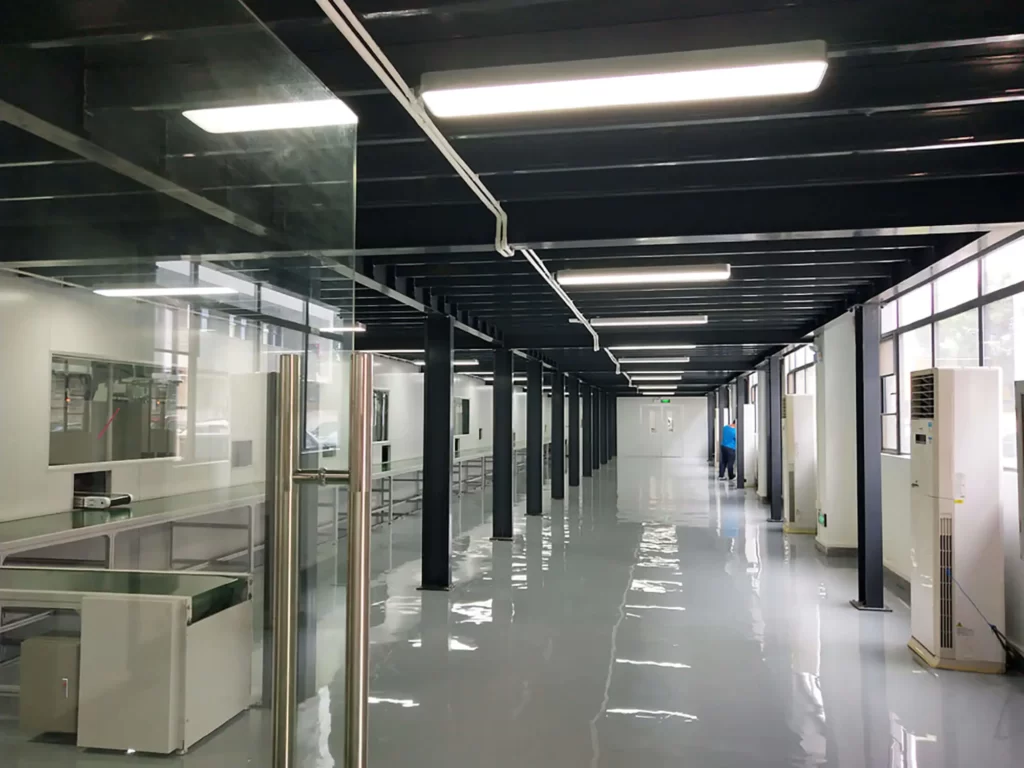
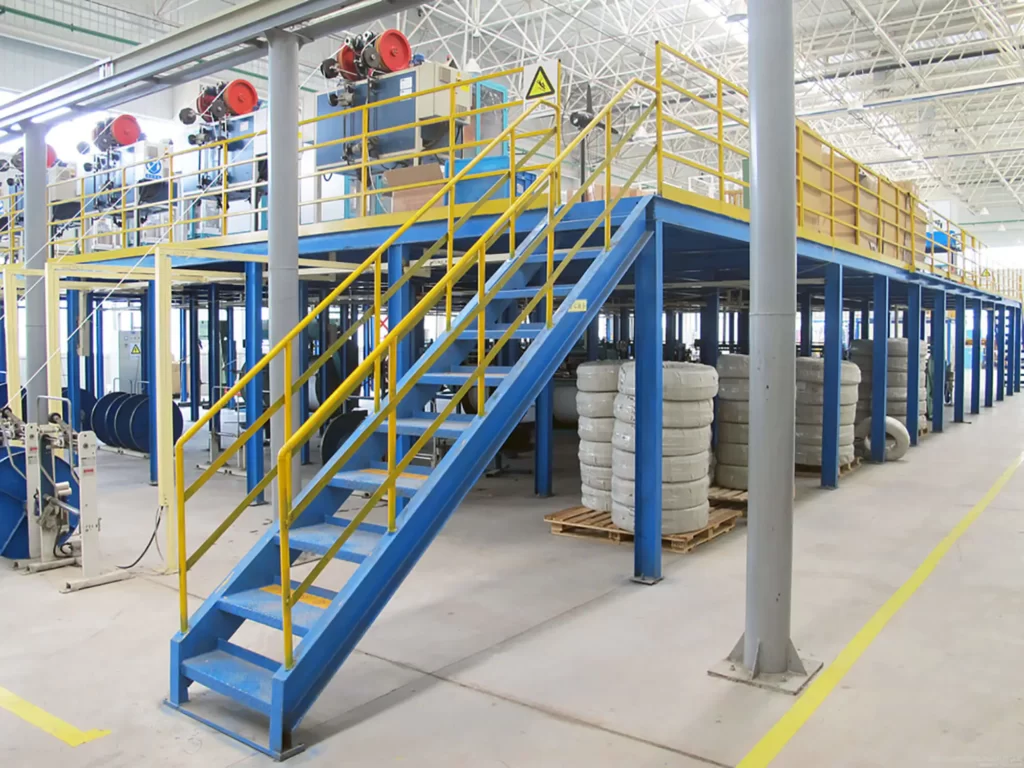
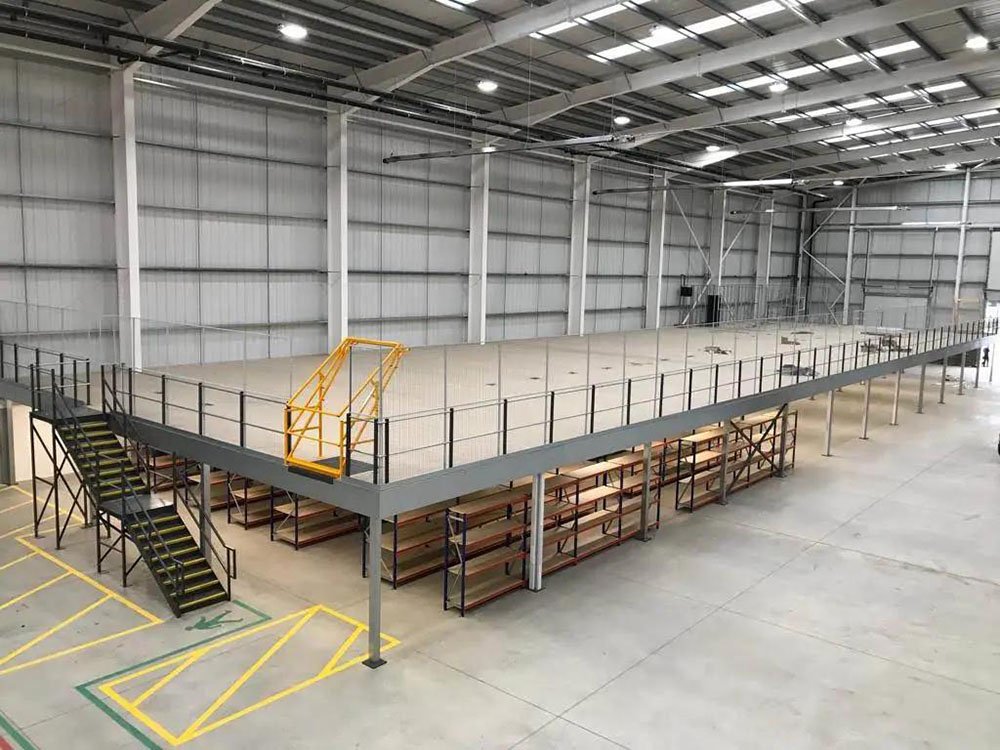
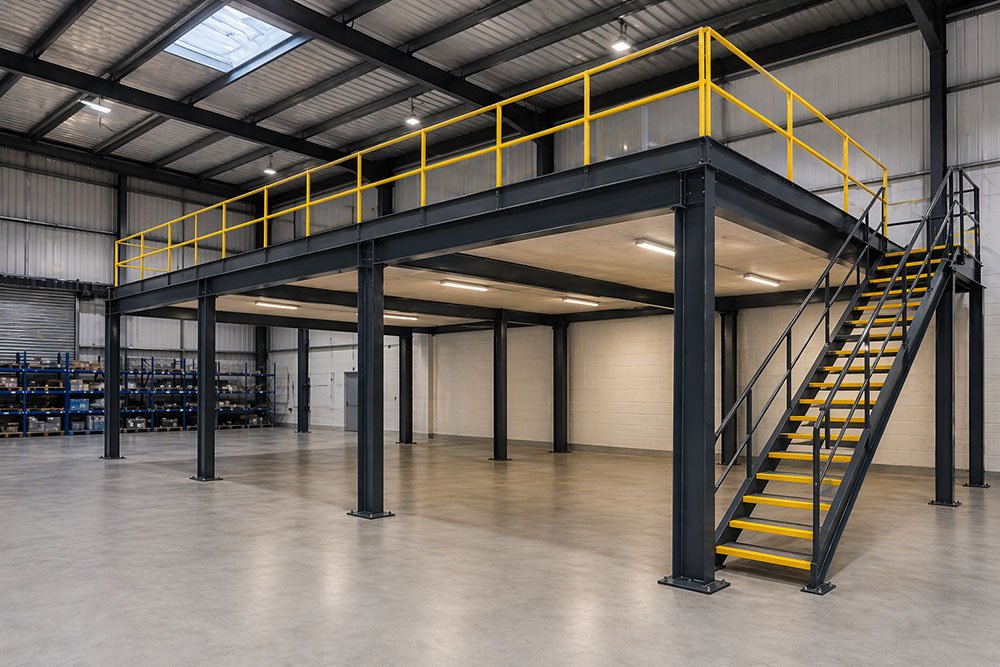
These facilities feature specialized infrastructure including piece-picking zones, multi-level mezzanine floors, put-to-light systems, and integration with courier and parcel networks. Storage systems are optimized for SKU variety and rapid retrieval, often using multi-tier mezzanine racking or automated goods-to-person technologies. Order cycle times of hours rather than days are the norm.
Fulfillment centers have grown rapidly with the expansion of online retail and next-day delivery expectations. Operators include e-commerce retailers, marketplace platforms, and specialized 3PL fulfillment providers serving direct-to-consumer brands.
Cold Storage Warehouses
Cold storage warehouses are temperature-controlled facilities designed to preserve perishable goods such as frozen food, dairy products, fresh produce, pharmaceuticals, and biological materials. Operating temperatures range from ambient-controlled (10 to 15 °C) to deep-freeze environments (–25 °C or lower), depending on product requirements.
These facilities require specialized construction including insulated panels, refrigeration systems, vapor barriers, and temperature monitoring infrastructure. Storage equipment must withstand low-temperature conditions, and racking systems are often optimized for high density — such as mobile racking, radio shuttle, or pallet flow — because cubic space is expensive to refrigerate. Compliance with food safety and pharmaceutical distribution standards is essential.
Cold chain logistics has grown rapidly with rising demand for frozen food, fresh grocery delivery, and temperature-sensitive biologics including vaccines. Operators typically follow guidelines aligned with the World Health Organization Good Distribution Practices and regional food safety authorities.
Cross-Docking Facilities
Cross-docking facilities are warehouse storage facilities in which incoming goods are unloaded from inbound trucks and directly transferred to outbound trucks with minimal or no intermediate storage. The primary objective is to reduce inventory holding time, cut handling costs, and accelerate the flow of goods through the supply chain.
These facilities feature specialized layouts with large numbers of dock doors arranged in linear or U-shaped configurations, minimal storage racking, and staging zones for sorting and consolidation. Typical dwell times range from a few hours to 24 hours, compared to days or weeks in traditional warehouses.
Cross-docking is widely used in fresh food distribution, parcel and courier networks, retail replenishment, and automotive parts logistics. It requires precise coordination between inbound and outbound schedules, and depends heavily on real-time visibility across the transportation network to avoid bottlenecks.
Automated Warehouses
Automated warehouses use robotics, conveyor systems, automated storage and retrieval systems (AS/RS), and warehouse control software to move and store goods with minimal human intervention. Common automation technologies include stacker cranes, shuttle systems, autonomous mobile robots (AMRs), automated guided vehicles (AGVs), and high-bay AS/RS installations reaching 30 meters or more.
These facilities offer significant advantages in throughput, storage density, accuracy, and labor efficiency. They are widely used in industries with high SKU counts, high throughput requirements, or challenging labor markets, including e-commerce fulfillment, pharmaceutical distribution, and high-value electronics storage. AS/RS installations combined with high-bay pallet racking structures can achieve storage densities exceeding 90% of building volume.
The main limitations are high capital investment, longer implementation timelines, and reduced flexibility once the system is deployed. Automated warehouses are most cost-effective in stable, high-volume operations where throughput and accuracy justify the upfront cost.
Comparison of Warehouse Storage Facility Types
The following table summarizes the defining characteristics of the eight warehouse storage facility types discussed above. Benchmarks reflect typical industry configurations rather than specific project values.
| Facility Type | Primary Function | Ownership Model | Typical Dwell Time | Capital Intensity |
|---|---|---|---|---|
| Private Warehouse | Dedicated storage and distribution | Owner-operated | Weeks to months | High |
| Public Warehouse | Shared multi-client storage | Third-party | Days to months | Low (for user) |
| Bonded Warehouse | Duty-deferred import storage | Licensed operator | Months to 5 years | Medium |
| Distribution Center | High-throughput sortation | Retailer or 3PL | Hours to days | High |
| Fulfillment Center | E-commerce order fulfillment | Retailer or 3PL | Hours to weeks | High |
| Cold Storage Warehouse | Temperature-controlled storage | Owner or 3PL | Days to months | Very High |
| Cross-Docking Facility | Direct inbound-to-outbound flow | Retailer or 3PL | Hours | Medium |
| Automated Warehouse | Robotics-driven storage & retrieval | Owner or 3PL | Days to months | Very High |
Most modern supply chains operate multiple facility types in parallel. A single retailer might combine private distribution centers, public overflow warehouses, cold storage for perishables, and fulfillment centers for e-commerce, each optimized for a specific role.
How to Choose the Right Warehouse Storage Facility
Selecting the appropriate warehouse storage facility requires a structured evaluation of business needs, inventory characteristics, and financial constraints. The following step-by-step framework reflects the analysis typically performed by supply chain planners.
Step 1: Define Inventory Characteristics.
Identify SKU count, unit dimensions, weight, temperature requirements, and shelf life. Perishables point toward cold storage; high SKU variety points toward fulfillment centers or automated systems.
Step 2: Analyze Throughput Requirements.
Estimate inbound and outbound volumes per day, week, and peak season. High-throughput, low-dwell operations favor distribution centers and cross-docking; storage-focused operations favor private or public warehouses.
Step 3: Evaluate Location Requirements.
Assess proximity to suppliers, customers, ports, highways, and rail terminals. Distribution centers and cross-docking facilities are location-sensitive; bonded warehouses must be near customs entry points.
Step 4: Assess Financial Model.
Compare capital expenditure against operating expenditure. Private and automated warehouses require high upfront investment. Public warehouses convert fixed cost into variable cost but reduce control.
Step 5: Review Regulatory Requirements.
Determine whether goods require bonded status, cold chain compliance, pharmaceutical GDP certification, or food safety certification. Regulatory obligations often dictate facility selection.
Step 6: Plan for Scalability.
Consider future growth, SKU expansion, and seasonal peaks. Facilities should support scaling without disruptive redesign. Public warehouses offer the most immediate scalability; automated warehouses offer the most efficient long-term scaling.
Step 7: Verify Safety and Structural Compliance.
Ensure compliance with rack design standards, workplace safety regulations published by OSHA, and fire protection codes applicable in the operating region.
Key Takeaways
- Warehouse storage facilities are classified by ownership, function, temperature control, regulatory status, and automation level.
- Private warehouses provide maximum control at high capital cost, while public warehouses offer flexibility and low entry cost.
- Distribution centers, fulfillment centers, and cross-docking facilities prioritize throughput and low dwell time rather than long-term storage.
- Cold storage and bonded warehouses serve specialized regulatory and product requirements.
- Automated warehouses offer the highest storage density and accuracy but require the largest capital investment and longest implementation cycles.
- Most modern supply chains combine multiple facility types to balance cost, speed, and flexibility.
Frequently Asked Questions About Warehouse Storage Facilities
1. What is the difference between a distribution center and a warehouse?
A traditional warehouse focuses on storing goods for extended periods, while a distribution center focuses on rapid throughput. Distribution centers typically hold inventory for hours or days rather than weeks or months, and are equipped for high-volume order processing.
2. What is the difference between a fulfillment center and a distribution center?
Distribution centers usually ship pallet or case quantities to businesses (B2B), while fulfillment centers pick, pack, and ship individual orders to end consumers (B2C). Fulfillment centers require piece-level picking infrastructure and integration with parcel carriers.
3. What are the main advantages of a bonded warehouse?
Bonded warehouses allow importers to defer duty and tax payments until goods are released for domestic sale or re-exported. This improves cash flow, supports international trade operations, and is particularly valuable for high-duty goods such as alcohol, tobacco, and luxury items.
4. What temperature ranges are used in cold storage warehouses?
Cold storage facilities operate across several temperature zones: chilled (0 to 4 °C) for fresh produce and dairy, frozen (–18 to –25 °C) for frozen food, and deep-freeze (below –25 °C) for specialized applications such as vaccines and biologics.
5. How much does it cost to build a warehouse storage facility?
Construction costs vary widely depending on location, size, and specification. Basic distribution warehouses may cost significantly less per square meter than cold storage or automated facilities, which require specialized construction, refrigeration, and equipment infrastructure.
6. Are automated warehouses suitable for small businesses?
Full-scale automated warehouses typically require high volume to justify their capital cost. However, small and mid-sized businesses can adopt scaled-down automation such as autonomous mobile robots, put-to-light systems, or automated shuttle systems in selected warehouse zones.
7. What is cross-docking and when is it used?
Cross-docking is a logistics practice in which goods are transferred directly from inbound to outbound trucks with minimal intermediate storage. It is used for fresh food distribution, parcel networks, retail replenishment, and any operation where inventory holding cost or shelf life is critical.
8. What safety standards apply to warehouse storage facilities?
Warehouse safety is governed by regional occupational safety authorities, rack design standards published by the Rack Manufacturers Institute, and building codes covering fire protection, structural integrity, and hazardous material handling.
Conclusion
Warehouse storage facilities have evolved from simple storage buildings into specialized infrastructure that reflects the growing complexity of modern supply chains. Whether a business operates a private warehouse, uses public warehousing to remain flexible, imports through bonded facilities, ships at high velocity through distribution centers, fulfills e-commerce orders directly to consumers, preserves perishables in cold storage, accelerates flow through cross-docking, or invests in automation, the facility choice shapes cost structure, service levels, and competitive position.
Supply chain planners increasingly select facility types as part of an integrated network design rather than in isolation. The most resilient operations typically combine multiple facility categories, each configured for a specific role in inventory flow. Reference standards from organizations such as the International Organization for Standardization (ISO) and MHI support benchmarking across facility types.
Regardless of facility category, storage equipment is the operational core that determines how efficiently cubic space is used. Mracking is one of the Chinese manufacturers producing racking and shelving systems deployed across the facility types described above, with configurations ranging from selective pallet racking for general distribution to mobile and radio shuttle systems for cold storage and high-density applications.