Understanding Warehouse Automation System
Knowing a warehouse automation system assists you in streamlining inventory movement, handling and tracking it effectively. It eliminates manual labor, lowers errors and enhances the speed of fulfilling orders. You have the opportunity to optimize space, real time stock monitoring and processes across your chain of supply. Automation provides uniformity, precision and speed.
How Warehouse Automation Works
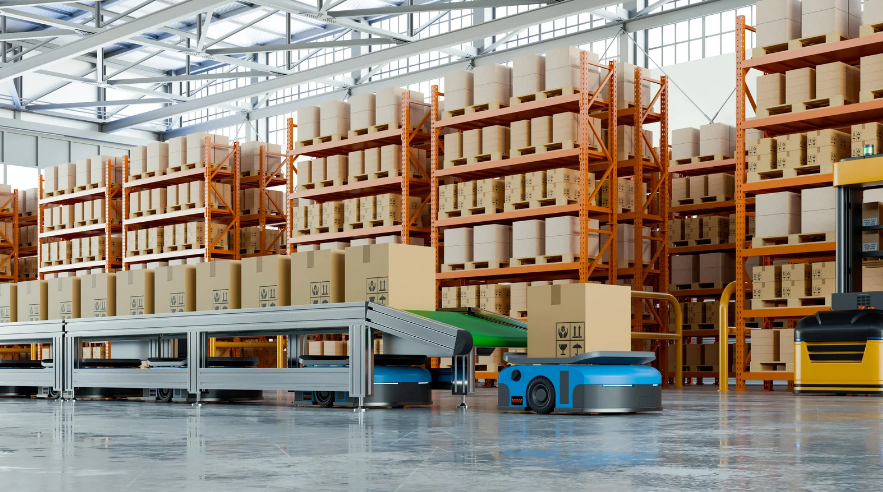
The automation of warehouses is a process that involves the smooth integration of software, digital technology and physical systems to streamline operations. Warehouse Management Systems (WMS) are systems that are integrated with Enterprise Resource Planning (ERP) to effectively handle inventory, orders, and workflows. With AIDC technologies such as RFID and barcode scanning, digital automation gathers data, manages inventory in real time, and facilitates predictive analytics. Physical automation involves the use of robotics, such as AMRs, AGVs, robotic forklifts, as well as conveyors, sorting machines, and automated packaging systems. These systems combined enhance capacity, accelerate order fulfillment, minimize errors, and provide safer work environments to you.
Categories of Warehouse Automation
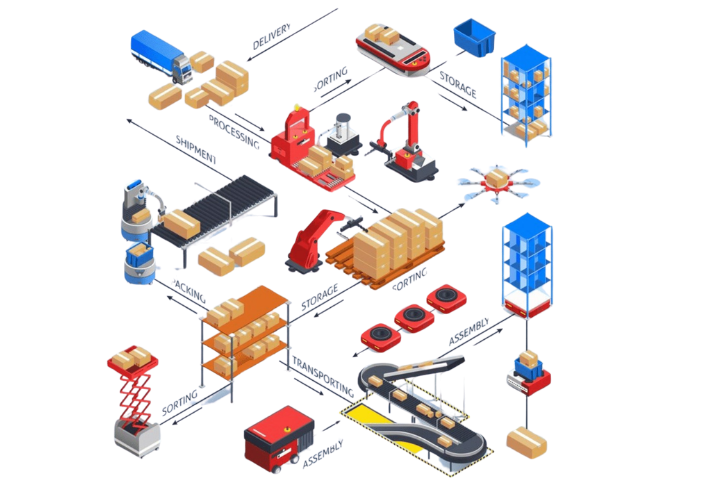
Basic Warehouse Automation
Simple automation in warehouses involves simple equipment such as conveyors, automated labeling and sort systems. These tools automate repetitive work and minimize errors. Efficiency can be enhanced without the complicated software integration. They are best suited to smaller warehouses, are speed-oriented, accurate, and reduce human fatigue at low costs.
Warehouse System Automation
Automation of warehouse systems makes use of the WMS software, AI, and data analytics to optimize the operations. You are able to monitor inventory, design workflows and make informed decisions. This integration improves accuracy, minimises delays, and forecasts demand. It fits in medium and large warehouses that need to have operational visibility and smarter processes.
Mechanized Warehouse Automation
Automation of the warehouse through robotic devices is the process that supports human labor. Mobile shelf loaders and pick-assist machines enhance throughput. You are able to minimize physical stress on workers and enhance accuracy. Semi automation increases production and eases inventory management effectively.
Advanced Warehouse Automation
High levels of warehouse automation employ fully autonomous systems based on AI, vision systems, and intelligent robotics. You have the ability to have minimum human intervention in picking, sorting and handling. These systems are space, time, and resource optimizing. They are suitable to high volume, complicated warehouses which require high efficiency and low errors.
Challenges of Warehouse Automation
- High upfront costs: equipment, installation, and software expenses.
- Integration complexity with existing systems.
- Need for specialized skills and technical training.
- Technology obsolescence: risk of rapid depreciation or outdated systems.
- Potential disruption during implementation.
- Dependence on technology and maintenance concerns.
- Workforce displacement concerns and change management.
Warehouse Processes That Can Be Automated
Receiving
The process of receiving is simplified by mobile scanning and automated data capture. You minimize mistakes and paperwork in a blink of a second. The inventory is checked in real time with a series of integrated workflows and system alerts. The automation will guarantee quicker check-ins and improved contact with suppliers and transporters.
Returns Processing
Conveyor sorting will automatically send returned items back to storage or return to stock. You save time on handling and lost items. Reverse logistics are also more uniform and precise throughout the warehouse. Automation ensures efficiency and better customer satisfaction.
Putaway
The warehouse software and robots are efficient in placing inventory in the designated storage points. You optimize the use of space and minimize manual work. Cross-docking allows the quicker turnover of inventory and reduces the storage delays. With automation, future picking and retrieval operations can be accessed faster.
Picking
Order picking is automated by GTP (Goods-to-Person) systems and AMRs. You get lower travel time and higher speed. Precision is enhanced and reduces errors in order. Automation enables you to process more orders without having to hire more people.
Sorting
Automated sorting is effective with delicate, perishable or bulk goods. You enhance the accuracy of inventory and quality of products. Regular sorting minimizes human mistakes and provides the downstream processes with timely processing.
Replenishment
The inventory levels activate automatic reorders through built-in ERP or WMS. Your stock levels are managed automatically and optimum. Real-time updates enhance planning and prevent production or fulfilment delays.
Packaging
Packaging is simplified through cartonization, material optimization, and automated labeling. You minimize waste of materials, and keep packaging the same quality. Automation guarantees increased throughput and reduces labor expenses.
Shipping
Shipping is made easy by conveyor systems, dimensioning sensors, scales, and automated label applicators. You handle shipments more quickly and correctly. Through automation, errors are reduced and cost efficiency is improved throughout the fulfillment workflow.
Real-World Examples of Warehouse Automation
Amazon
Amazon warehouses are equipped with barcode scanning, autonomous mobile robots (AMRs), and robotic shelves to enhance the efficiency of the storage. Inventory can be moved fast by robots and automated systems, minimizing human effort and mistakes. Such automation can be relied upon to process large volumes of orders and minimize retrieval time. The tracking and robotics combination will guarantee quicker completion and proper inventory control.
Nike (Japan)
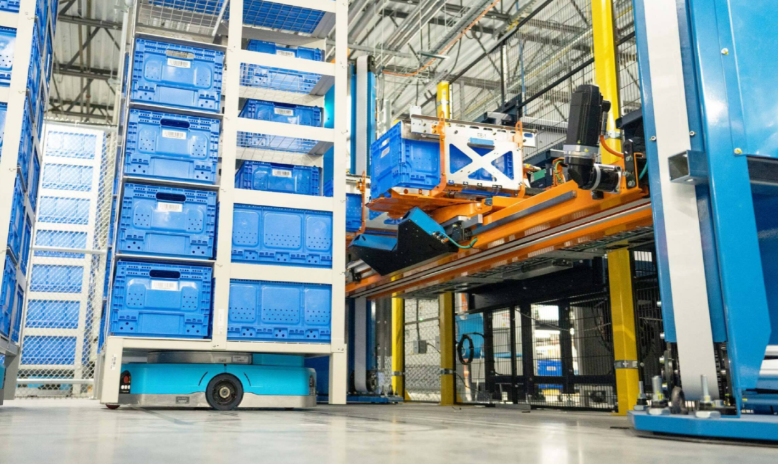
The GTP picking systems in Nike Japanese warehouses operate robots that are autonomous to facilitate the order fulfillment process. Items are transported to packing stations by robots, which save on manual labor. Such automation can help you to handle high seasonal orders and ensure that your shipping schedules are always similar. Robotics ensure quicker processing and reduced delays.
IKEA
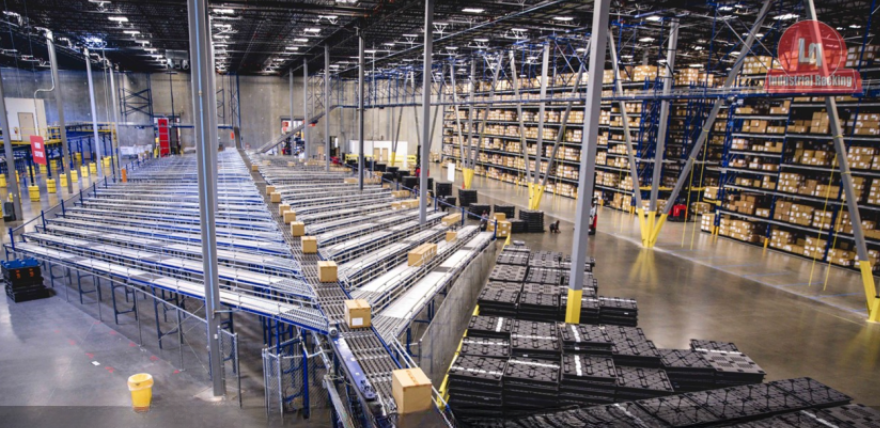
A similar situation is evident in IKEA, where AS/RS systems are used with stacker cranes that handle hundreds of pallets in an hour. Automated systems transport inventories accurately, minimizing handwork and enhancing throughput. You can rely on this technology which will optimize storage density and still have rapid access times. Combination of crane and software will provide uninterrupted operations even at peak times.
Back-Office Automation
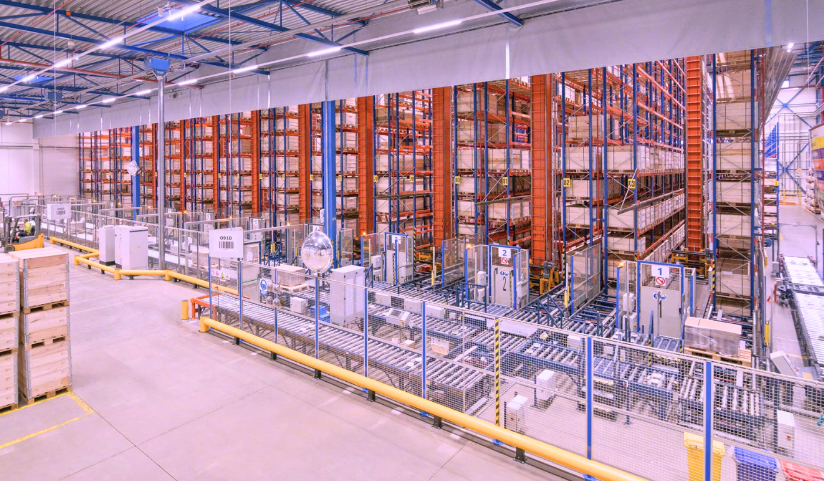
NetSuite is a software that automates inventory management, CRM, and case management to make operations in the back office easier. The system minimizes mistakes and removes repetitive administration duties of employees. This automation can be used to gain real-time insights and make better decisions. Integrated digital solutions guarantee proper documentation and effective departmental workflow management.

When to Automate Your Warehouse
- Labor-Intensive Operations – High labor-intensive processes and repetitive tasks signal the need for automation. You can reduce manual effort and improve efficiency across operations.
- Inventory Accuracy Issues – Inaccurate inventory counts or delayed order fulfillment indicate system limitations. You can enhance accuracy and speed with automated solutions.
- Outdated Tracking Systems – Legacy WMS or spreadsheet-based tracking struggles with complex operations. You can modernize your workflow to support real-time data and better control.
- Rapid Growth Challenges – Rapid growth and increased order volumes create operational strain. You can scale processes seamlessly while maintaining productivity and reliability.
- Scalability and Consistency Needs – Need for scalability and operational consistency requires smarter systems. You can standardize workflows, meet customer expectations, and optimize warehouse capacity.
Requirements for Warehouse Automation
- High-volume repetitive workflows.
- Standardized processes for accurate automation.
- Scalability needs for growing businesses.
- Consistency, accuracy, and reduction of human error.
- Technical infrastructure: sensors, robotics, WMS, ERP integration.
Steps to Automate Your Warehouse
Step 1: Create an Implementation Committee
Get a special committee which involves internal stakeholders and external automation gurus. Make sure the team has operations, IT and supply chain coverage. A powerful committee assists in coordinating the decisions, enhances planning, and facilitates smooth implementation.
Step 2: Collect Critical Data
Collect important information on operations of the supply chain, workflow, and performance indicators. Give ownership to proper collection and correct data migration. Quality data underpins good decisions, enhances planning and successful automation.
Step 3: Evaluate Inventory Controls
Check SOPs on inventory management, purchasing, and shipping. Identify KPIs to assess accuracy, efficiency, and customer satisfaction. It has clear controls that form a solid base, minimize errors, and inform future automation.
Step 4: Implement a WMS
Find a warehouse management system that is compatible with mobile devices and compatible with your ERP. Make sure that the WMS is in line with workflow requirements and real-time inventory tracking. A strong system can be used to simplify operations, enhance accuracy, and provide a better reporting experience.
Step 5: Determine the Type of Automation
Determine the use of back-office, physical, or robotic automation depending on objectives. Before choosing a system, take into account budget, ROI, and scalability in the long term. Effective automation planning is a guarantee of efficiency, cost-saving, and a seamless performance of work.
Warehouse Automation Trends
Artificial Intelligence & Machine Learning
AI and machine learning improve predictive analytics, demand forecasting, and workflow optimization. Bottlenecks are identified before they happen and tasks are routed dynamically to enhance efficiency. The technologies assist you in making data-driven decisions to maximize throughput and minimize errors.
Robotics & Cobots
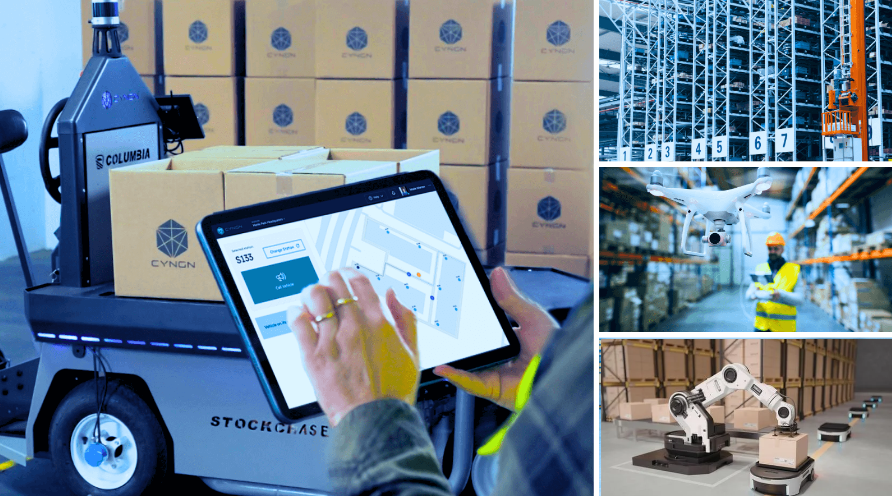
Robots that collaborate with humans are safe and help with picking, sorting and towing. You are able to improve precision and lessen worker exhaustion and accelerate tasks. Robots, both mobile and stationary, optimize efficiency and enable workers to concentrate on better activities.
Edge Computing
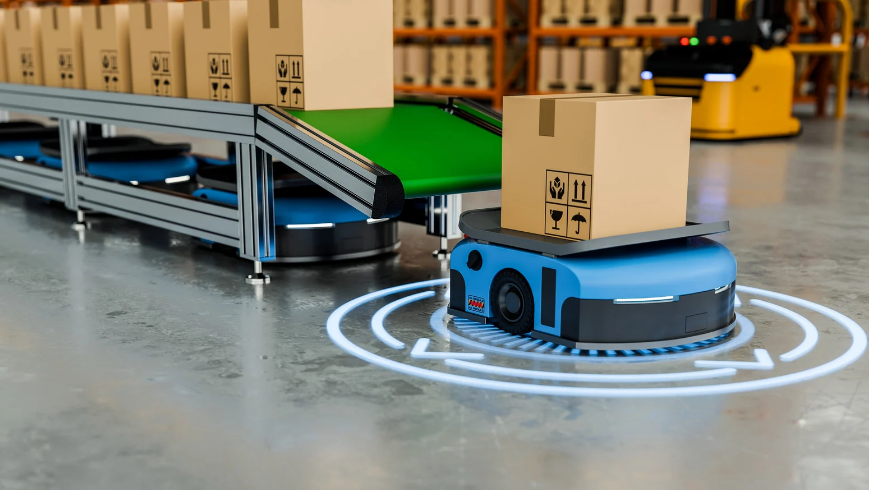
Edge computing enables real-time inventory and equipment data processing to make decisions faster. You are able to track operations real time, cutting down on downtimes and operation delays. Local data processing reduces latency, making systems in warehouses responsive and agile.

Supply Chain as a Service (SCaaS)
SCaaS is a subscription-based service offering complete automatic warehouse service. New systems can be scaled quickly without excessive investment. This flexibility enables fast response to seasonal demand and operational variations effectively.
Blockchain Technology
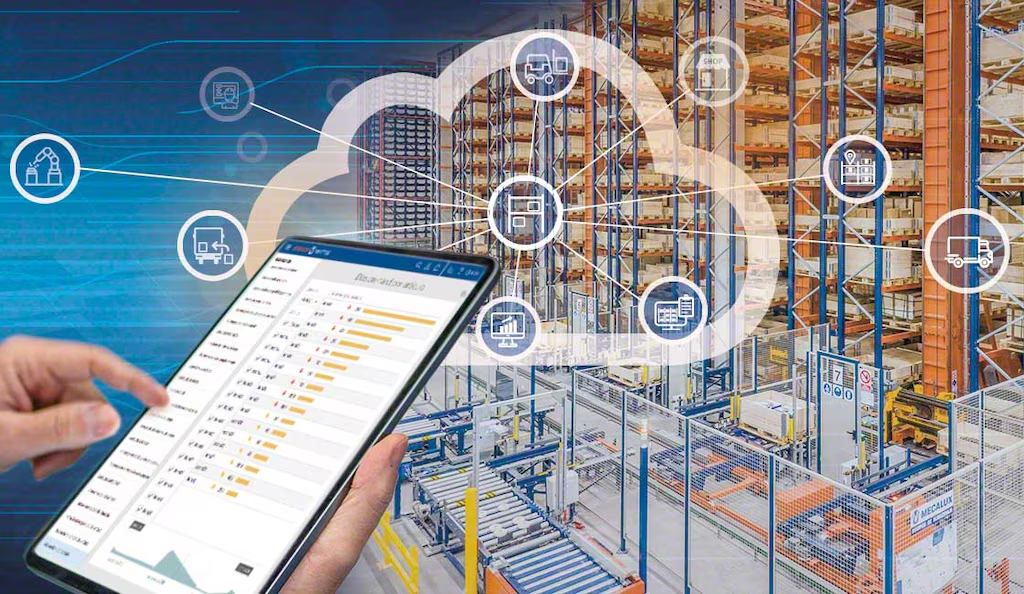
The blockchain facilitates the provision of secure and transparent inventory tracking in complex supply chains. You are able to track products precisely, avoid fraud, and enhance trust between partners. The records are immutable and make it easier to hold accountability and simplify reporting on operations.

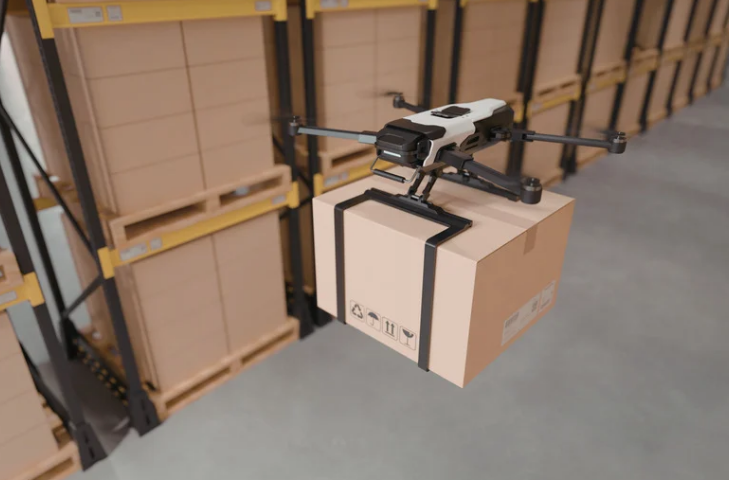
Warehouse Drones
Drones can be used to count the cycles, audit inventory, and track activities in real-time. You are able to minimize human error and accelerate inspections. Their application improves visibility, accuracy, and assists in keeping warehouse systems organized.
Fast Shipping / Amazon Effect
Same-day and next-day delivery expectations are effectively supported with the help of automation. You are able to make orders faster without compromising on quality and accuracy. High-tech-driven systems enable warehouses to respond to consumer needs in a timely manner.

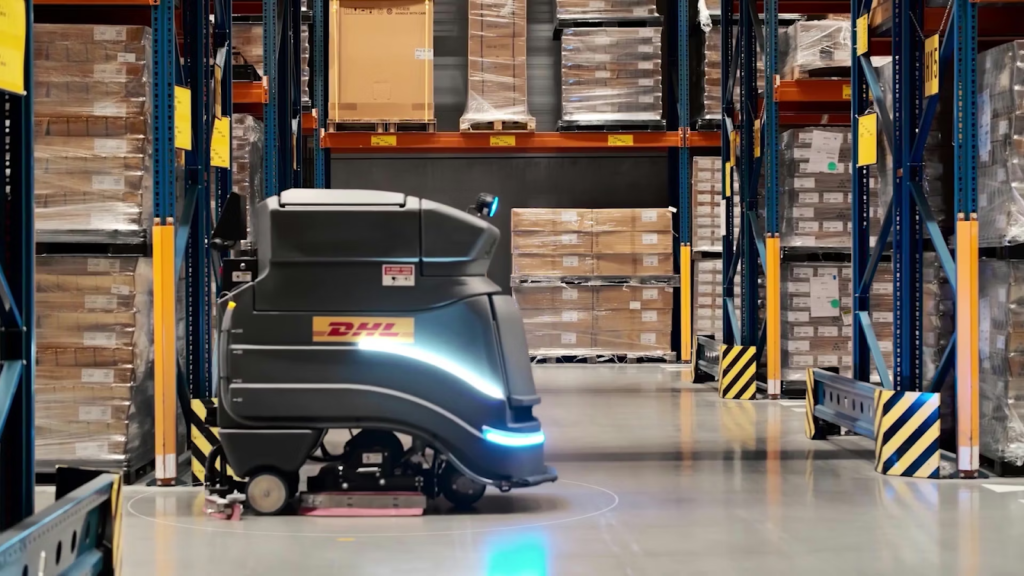
Automated Cleaning & Sanitization
UV systems and mobile robots clean the warehouse in an automated, reliable way. You will be able to maintain the safety standards and hygiene without raising labor costs. Automation enhances sanitation and leaves the staff free to work on core operations.
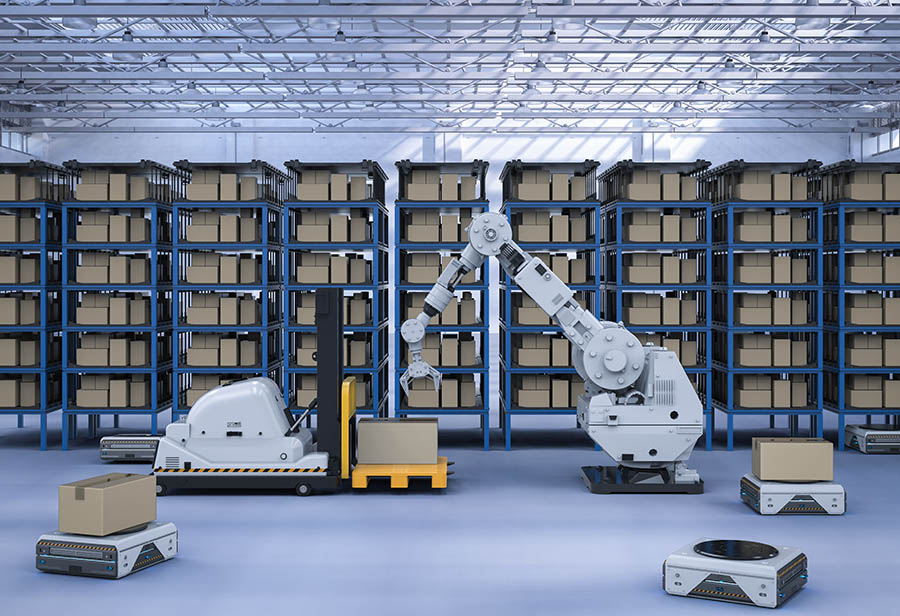
Autonomous Vehicles
Intra- and Inter-warehouse transport activities are performed efficiently by using robotic forklifts and delivery vehicles. You will be able to minimize congestion and accidents and have a stable workflow. Self-driving cars boost productivity and safety of operations at the same time.
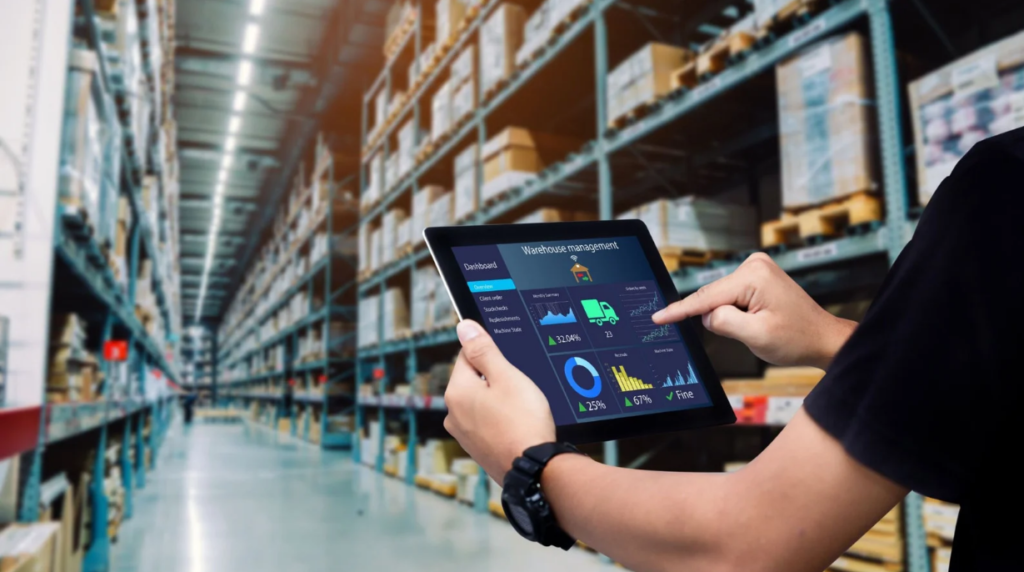
ERP Integrations & Big Data Analytics
ERP systems integrate end-to-end operations in the warehouse and centralized analytics and insights. Real-time information allows you to optimize inventory, labor, and processes. Integrated analytics enhance planning, forecasting, and general operational efficiency.

IoT & Wireless Fleet Management
The IoT devices monitor equipment and fleets in real time to predictive maintenance. You will be able to avoid breakdowns and enhance route efficiency on a regular basis. Evidence-based knowledge guarantees a more efficient warehouse operation and reduces the maintenance expenses.
Voice Picking
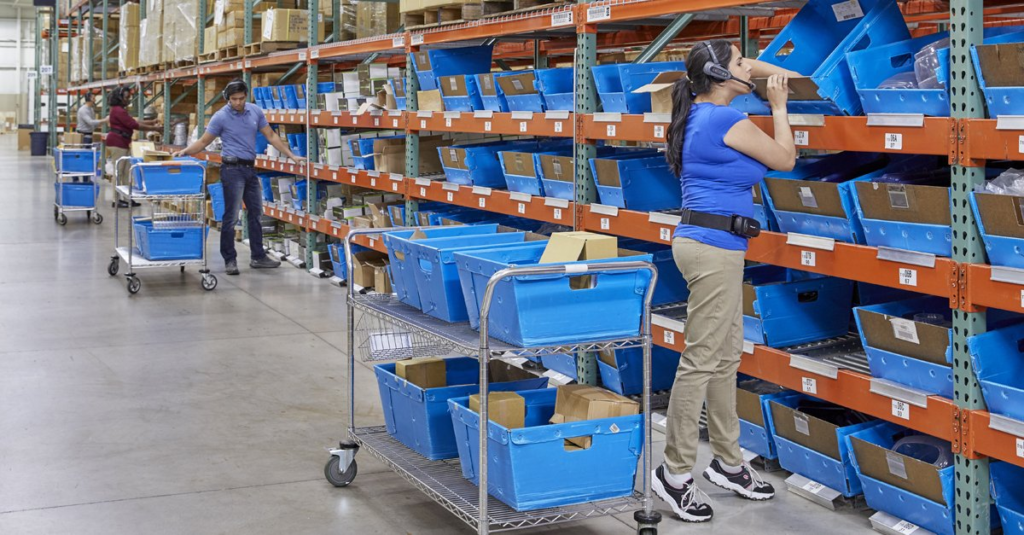
Voice directed systems are hands free systems that direct workers during order picking and processing. You are able to get faster, more accurate, and focused at the same time and decrease the number of picking errors. Hands-free controls enhance the productivity of workers and lower the long working shift fatigue.
Predictive Maintenance
The predictive maintenance is an AI-powered system that detects possible hardware failures before they happen. You are able to proactively decrease downtime and increase machine life. Early identification will guarantee the continuity of operations and reduce any repair and replacement expenses in the long run.
Sustainability
Automation can be made energy efficient to minimize waste and lower the environmental impact through operations. You are able to streamline resource distribution and reduce the cost of operation. Green systems enhance profitability and the responsible management of the warehouse.
Why Choose China Storage Rack or Mracking for Warehouse Automation Systems
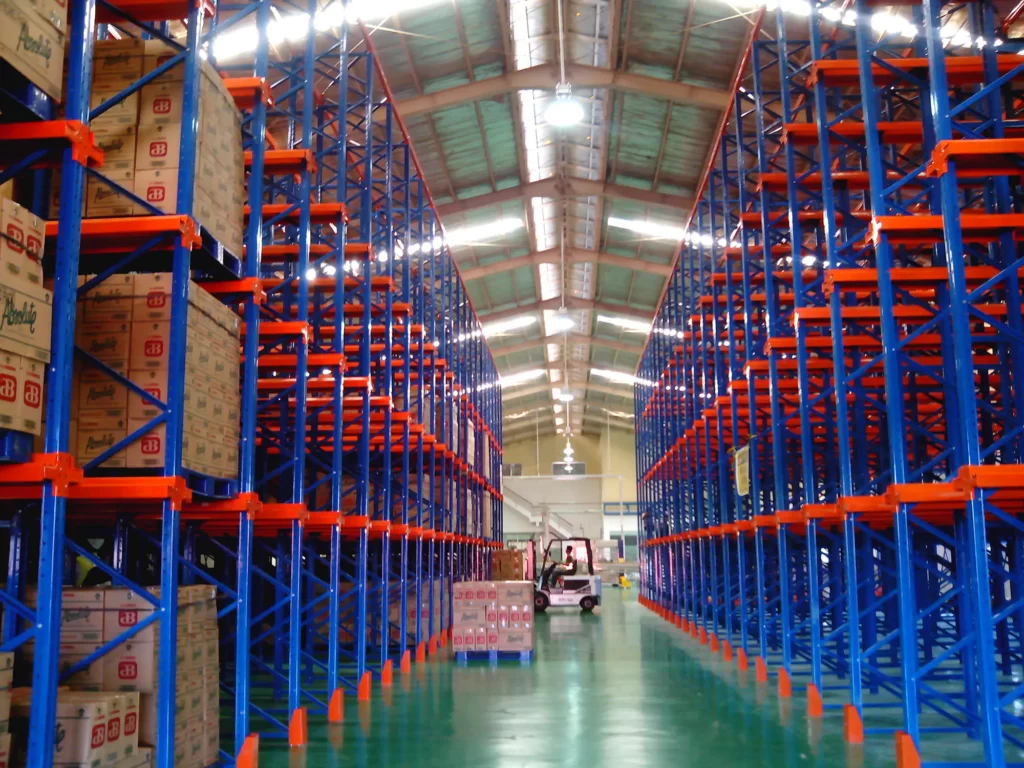
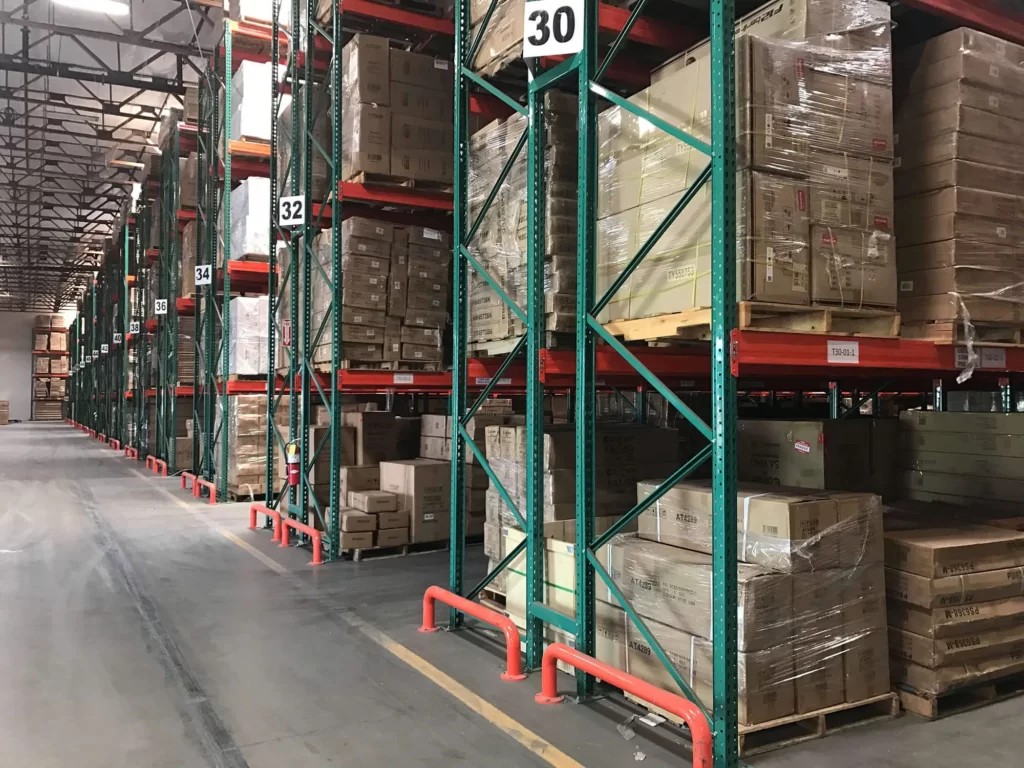
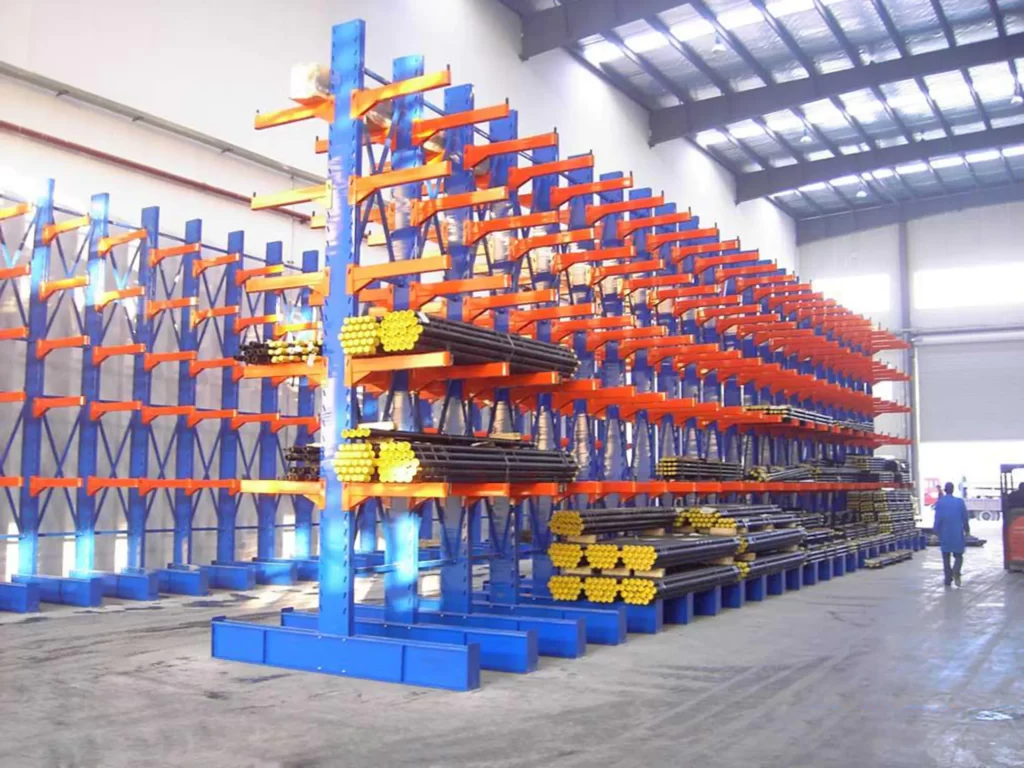
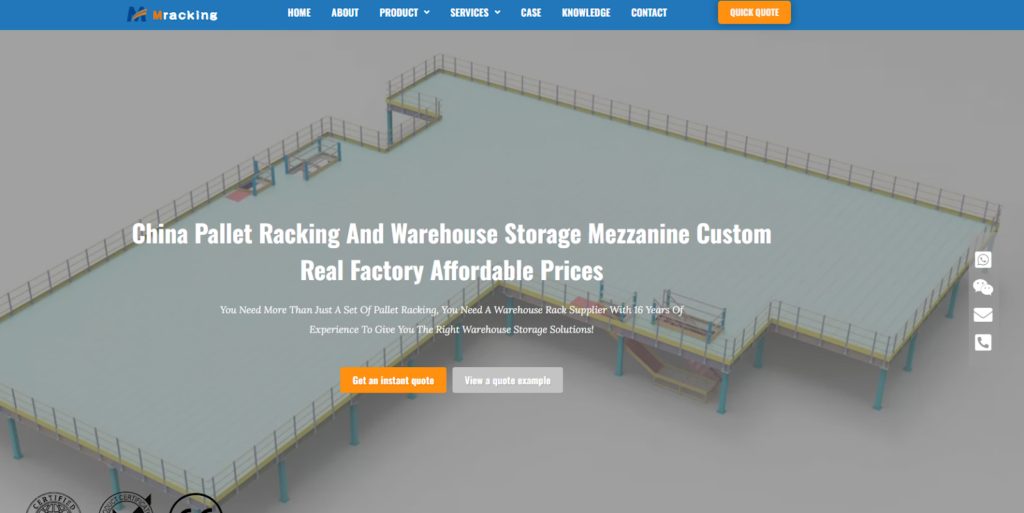
Mracking has been in business since 2008 with more than 16 years of experience in providing custom warehouse storage, such as pallet racks, mezzanines, cantilever racks, shuttle racks, and double-deep racks. The 20,000 sqm factory, 43 machines and a team of 85 skilled people offer it cost-effective solutions without affecting structural integrity. Having numerous production lines and a broad area of CAD and engineering resources, Mracking provides custom-designed solutions that conform to the global standards and maximize the warehouse space. The services are comprehensive, such as packaging, shipping, and on-site assistance during the implementation. With over 40 countries and 1000+ customers, Mracking offers scalable, durable, and efficient storage systems that can improve automation in warehouses and harmoniously combine with robotics and software solutions.
Conclusion
The automation of warehouses is redefining supply chains to make them faster, more accurate, and efficient. Planning, integration, and alignment of workforce are important factors to effective implementation. The use of artificial intelligence, robotics, Internet of Things, and sophisticated software will keep warehouses future-proof and scalable. Through technology-based solutions, companies are able to streamline space, minimize errors and fulfill increasing customer expectations. Automation should not be viewed as an alternative to modern warehouses, but rather as a key to remaining competitive, efficient and resilient in 2026 and beyond.