Understanding Pallet Racking System Components
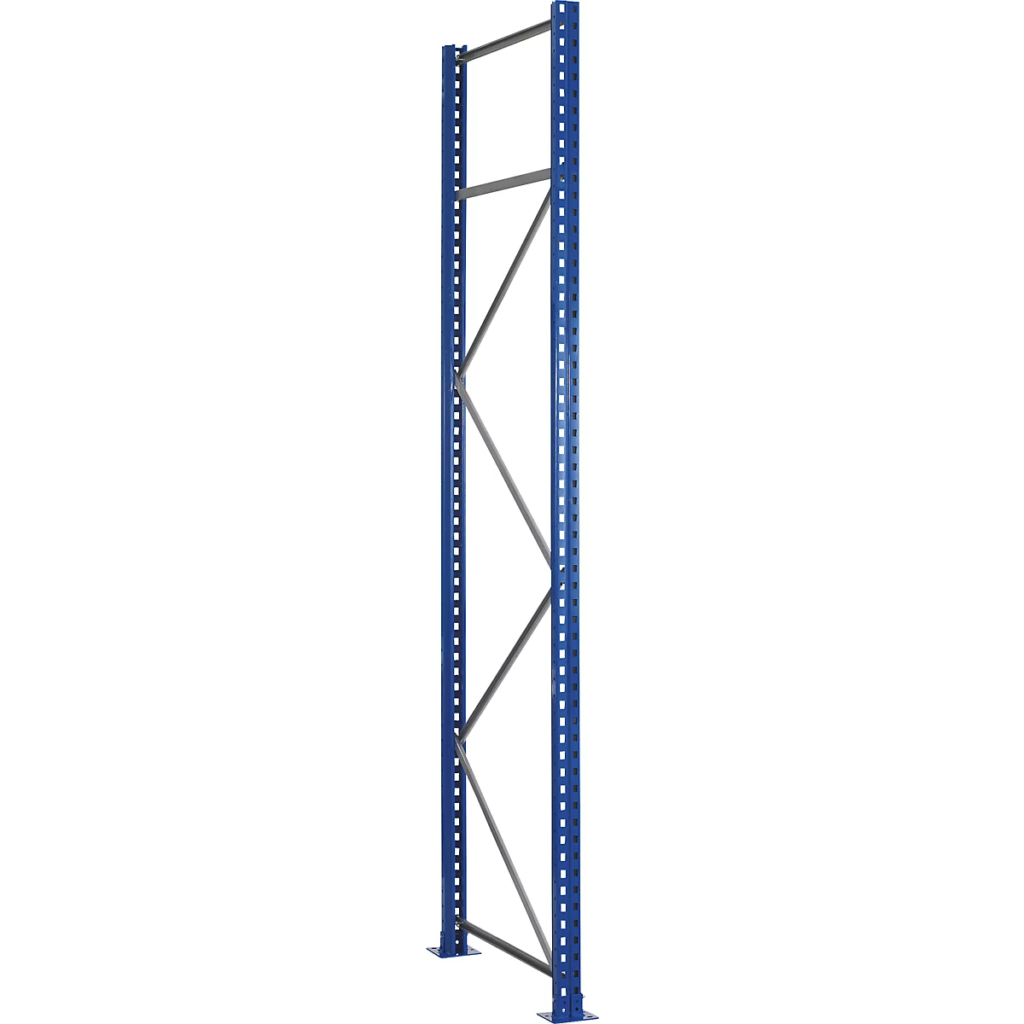
Upright Frames
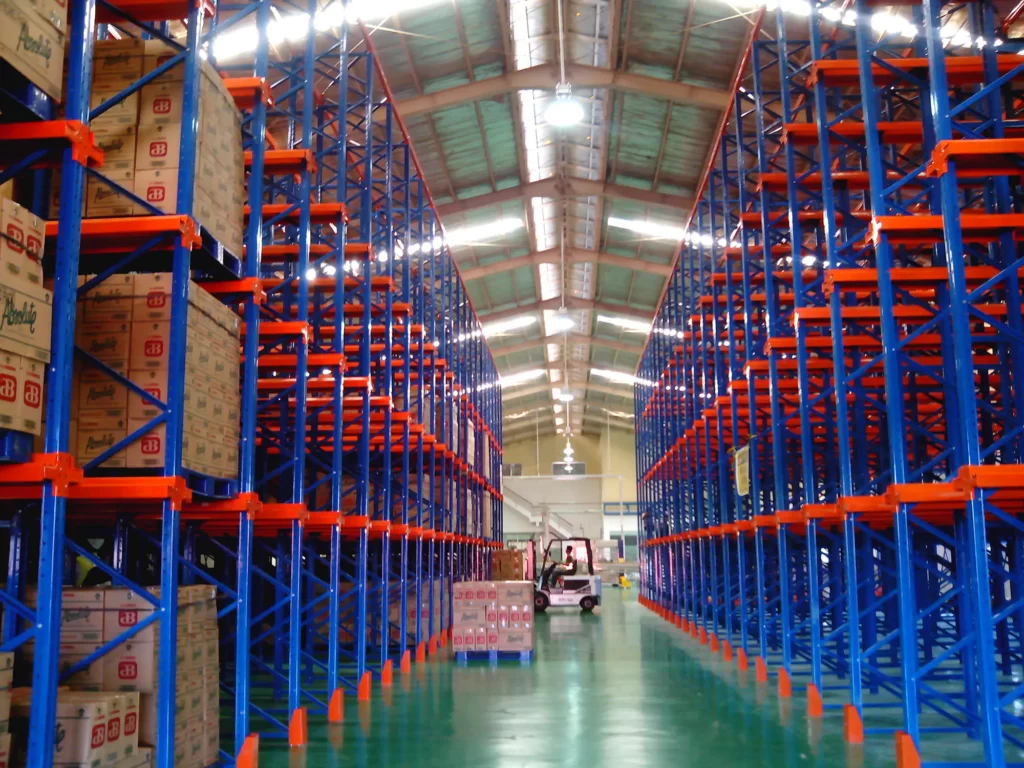
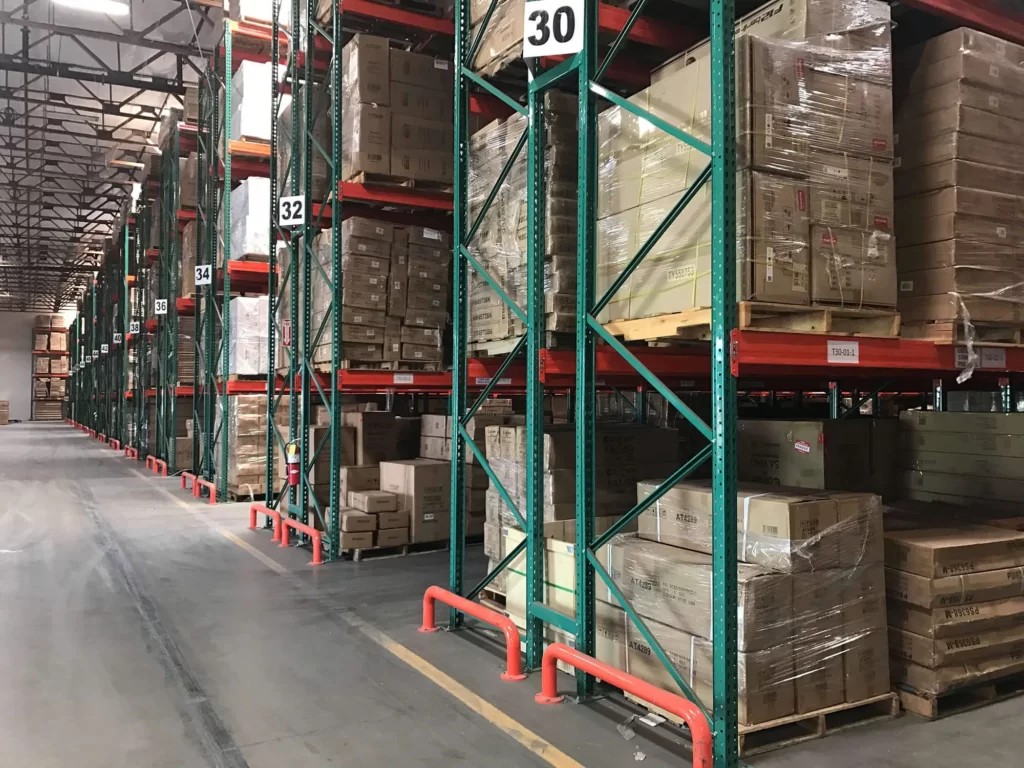
Your pallet racking system is supported by upright frames, which support the vertical load. They deal with pallets with excessive weight and transport them safely to the ground. You must inspect alignment and weld joints. The damage may include dents, bending and loosening of anchors. Structural safety is increased with frequent inspections.
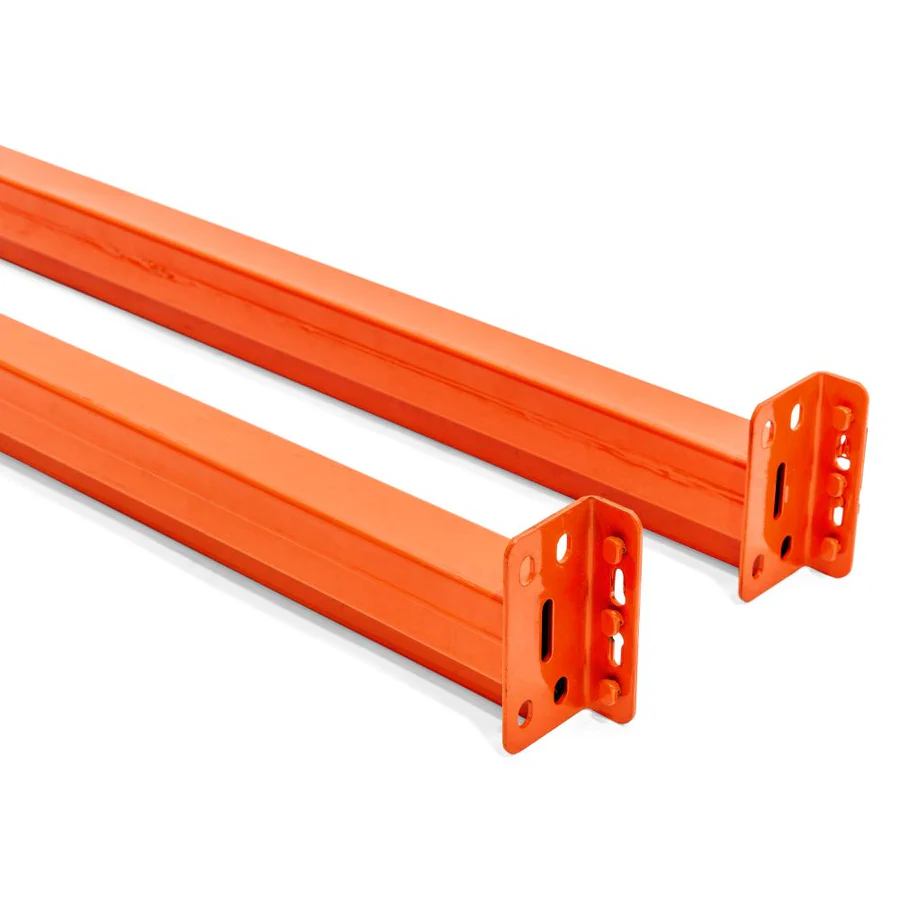
Beams
Horizontal support members that carry pallet loads between uprights are called beams. They spread the weight across the frame and store flat. Regular check-ups should be done on beam locking pins and connectors. Failure symptoms may include bending, cracking or overdeflection under load.
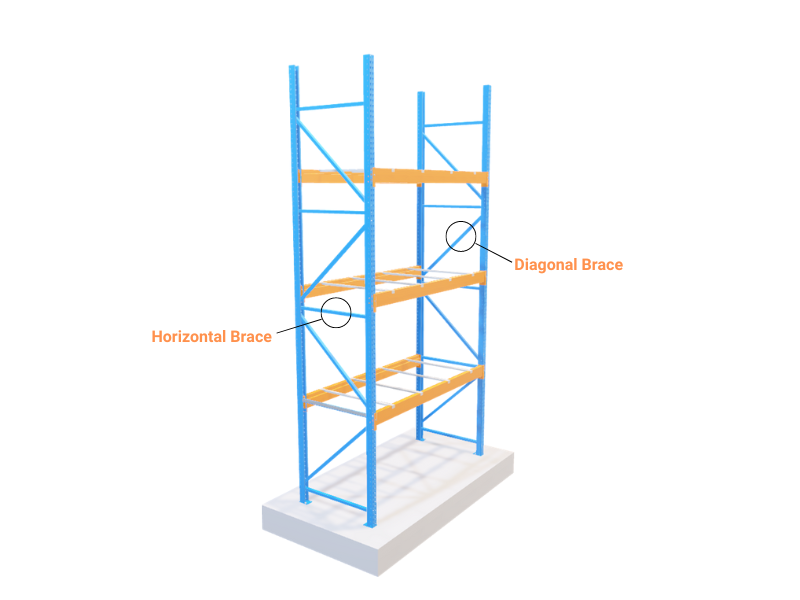
Bracing Systems
Bracing systems consist of horizontal and diagonal members, which introduce stability on the frame. They reduce the lateral loading and unloading movement. To prevent structural sway, you need the right bracing. Stability is lost with slavery and lost braces. There are regular inspections to prevent collapse threats.
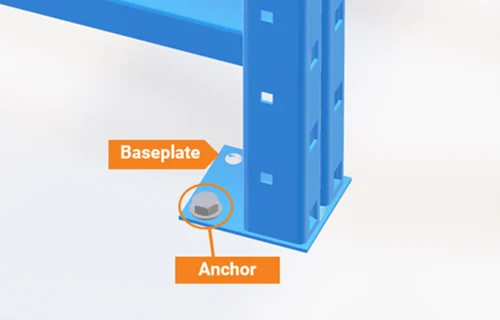
Base Plates & Anchoring
Base plates support uprights on the floor and distribute the weight of the load equally. Anchor bolts are used to hold the rack in place on concrete surfaces. You should check the tightness of plate and bolts. A risk of failure is defective plates or floating anchors. Strong anchoring ensures safe performance.
Accessories & Protection Systems
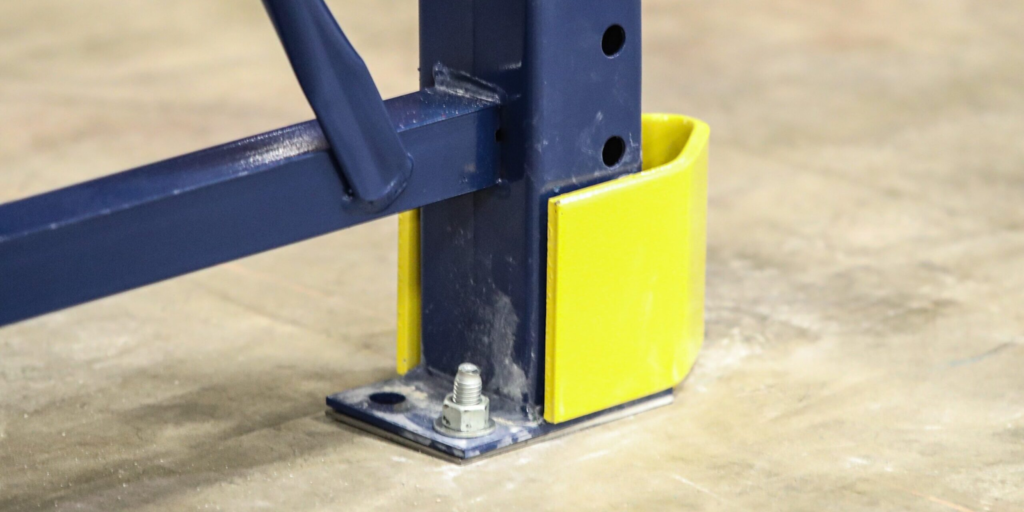
The accessories will provide safety and avoid impact damage to the rack components. Column protectors, straddle guards and row spacers reduce this. Wire decking assists in keeping the contents of the pallets and offers fire resistance. Safety clips must be fitted in place. The systems extend the life of racks and add security at work.
Common Causes of Pallet Rack Damage
- Forklift collisions: Collision during loading or unloading bends uprights and makes them weaker. Drivers can miscalculate clearance or speed. This risk is minimized by proper training and good visibility.
- Inappropriate pallet positioning: Off-centered pallets result in an imbalanced distribution of load in beams. This puts more strain on connection points. You provide stability through pallets in the middle and fully supported.
- Overloaded beams or frames: Bending and structural deformation occurs due to the exceedance of load capacity. Rack integrity is safeguarded by weight limits. Never pile on heavy inventory without checking the ratings of manufacturers.
- Poor aisle width: Narrow aisles enhance the likelihood of contact of equipment. Forklifts require ample maneuvering space. Aisles are to be planned as per equipment size and traffic.
- Structural fatigue with time: Metal components are weakened by constant loading and offloading. Cracks of small size may widen with repetitive pressure. Frequent checkups will enable you to identify the initial stages of fatigue.
- Inappropriate alteration or reconfiguration: Unauthorized modification disturbs the original load design. The removal of braces or modification of beams decreases strength. When adjusting systems, you are required to adhere to engineering requirements.
- Earthquake or seismic movement: Shifts of the ground shaking rearrange rack positions and rupture joints. Mass storage systems of high mass are susceptible to vibrations. Anchoring racks enhance seismic resistance.
- Environmental exposure corrosion: steel elements become rusted due to moisture and chemicals. Corrosion decreases the load bearing capacity. You guard racks with coating and restricted storage areas.
Types of Pallet Rack Damage
Upright Bending or Cracking
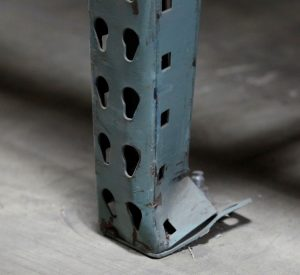
Uprights hold heavy loads and provide stability to the rack. They may be bent or broken by excessive weight or forklift impact. You check uprights frequently to discover early deformation. Minor bends decrease the carrying capacity and pose hazards. Immediate repair prevents the collapse and preserves the goods stored.
Base Plate Distortion
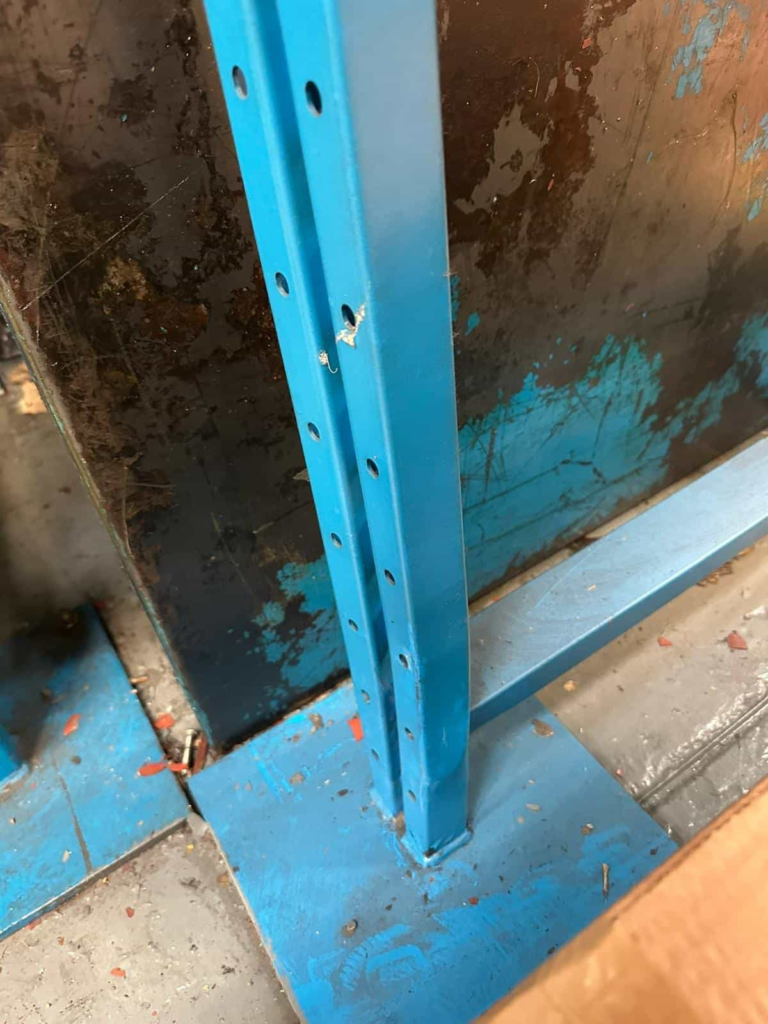
Base plates hold uprights to the floor and make them stable. They can be distorted due to heavy impact or improper installation. During routine inspections, you inspect the alignment of anchors and plate condition. Bending plates decrease anchoring and strength. Re-interchange damaged plates to ensure that racks are well supported.
Beam Deflection or Bending
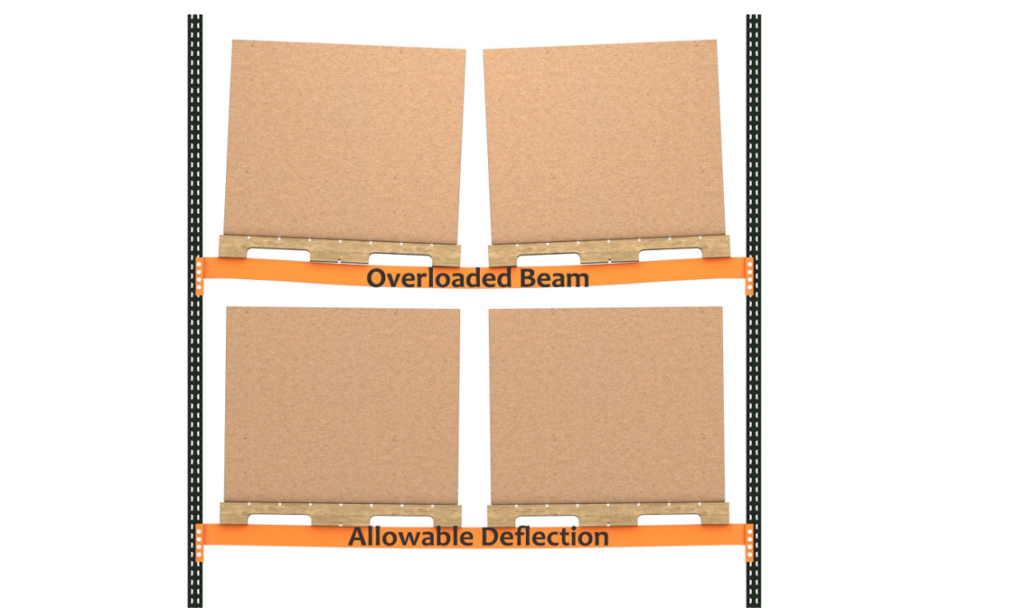
Pallet loads are supported by beams between the racks. Bending is due to excess load or an imbalanced weight distribution. You observe the straightness of beams to prevent structural collapse. Load capacity decreases when beams are deflected beyond the limit. Loads should be adjusted and worn-out beams should be replaced as soon as possible.
Missing Safety Locks or Beam Connectors
Beams are attached to uprights by safety locks and connectors. Lack of components raises the chances of beam displacement. You check all locking devices during the installation stage and inspections. Beams that are loose can fall due to vibration or impact. Use correct safety components to ensure rack integrity.
Anchor Bolt Failure
The rack structure is attached to the floor using anchor bolts. Bolt failure occurs due to corrosion or loose tightening. You check bolts to make sure they are not loose or damaged by rust. Failed anchors make the situation less stable and more prone to tipping. Tighten or change bolts to achieve solid anchoring.
Bracing Deformation
Bracing reinforces uprights and restrains lateral movement. Bracing members may be bent due to forklift contact or excess load. You check braces to see if they are aligned and damaged. Malformed bracing compromises rigidity of the frame. Fix broken braces to provide balance.
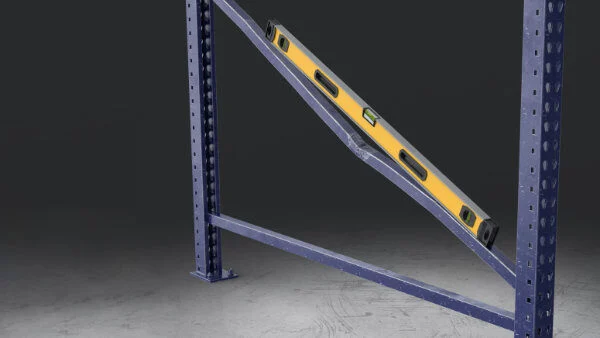
Weld Fracture
Welds bond important rack parts and provide stress to the load. Weld cracks or breaks may be due to fatigue or impact. You routinely inspect weld joints that may have a fracture. Welds are broken and this undermines structural strength and safety. Repair or re weld damaged joints to increase longevity.
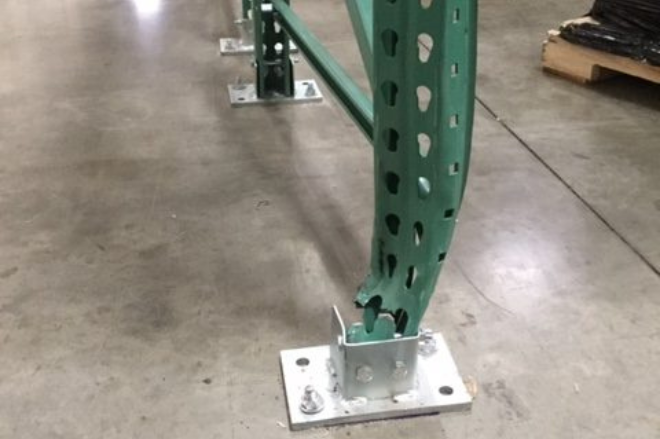
Surface Corrosion Weakening Structure
Moisture and chemicals are known to corrode metal surfaces. Rust decreases the material thickness and load bearing capacity. You wash and examine racks in wet conditions regularly. Extreme corrosion compromises structural integrity. Coat and replace highly rusted components.
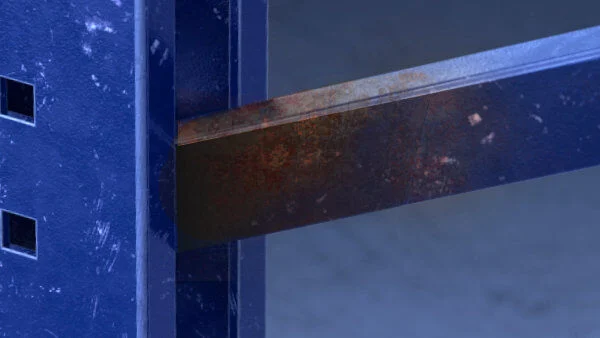
Step-By-Step Pallet Racking Repair Method
Step 1: Immediate Area Safety Control
Before repairs can be done, clear the damaged pallet rack area. Clear beams or uprights of stored pallets and heavy materials. Put safety barriers in place. Educate warehouse personnel on the danger. You defend workers through movement control and entry restriction.
Step 2: Professional Inspection & Damage Assessment
Check uprights, beams, and anchors, looking at them in terms of cracks or bending. Measure structural deformation using correct tools. Compare check original load capacity ratings to damage. Determine areas of weaknesses that require repair or replacement. You make sure that you record all visible structural problems.
Step 3: Engineering Evaluation
Divide load and determine structural integrity. Confirm the compatibility with the existing racking system design. Decide on whether reinforcement or complete replacement is needed. Choose the appropriate remedies such as welded or bolted repair kits. You take precautions by acting on the engineering suggestions prior to implementation.
Step 4: Select Repair Method
Select the correct repair strategy depending on the severity of the damage. Install repair kit or replace damaged parts. Install structural sleeves or improve bracing as necessary. Select according to specifications of the system. You increase longevity by using the right reinforcement technique.
Step 5: Controlled Repair Installation
Move the levels near the racks to avoid workplace accidents. Fix reinforcement frames in place. Bolt/weld design parts as required. Check positioning and stability after installation. You minimize risk through accurate and regulated repair performance.
Step 6: Post-Repair Inspection & Certification
Make a final inspection to check structural strength. Conduct load testing when necessary. Revise the label of load capacity upon approval. Compliance records document repair. You assure safety through formal certification and documentation.
Pallet Rack Repair Solutions & Methods
Upright Replacement
Damaged uprights make pallet racks less stable and increase the possibility of collapsing. You change them entirely when the deformation surpasses the safe limits. Corrosion or impact of forklift is serious and must be completely removed. Proper orientation is the assurance of safety and loads conformity. Professional evaluation is done to check structural integrity before installation. This is a means of regaining strength and ensuring inventory stock.
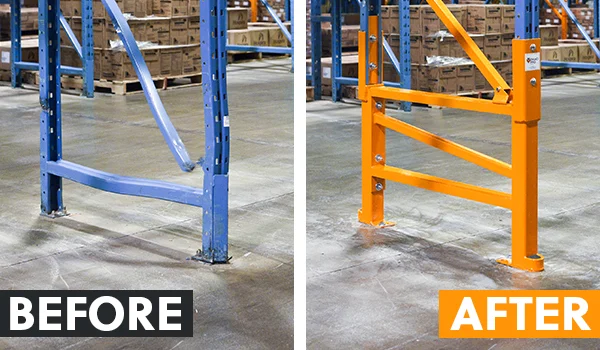
Straight-Leg Repair Kits
Post repair kits are used to repair damaged posts, but do not substitute them. You use tubular reinforcement in areas of weakness. These kits are beam compatible and permit lower beam placement. Depending on design, installation is done by bolting or welding. They provide low-priced covers of moderate damages. You improve the rack stability and minimize downtimes.
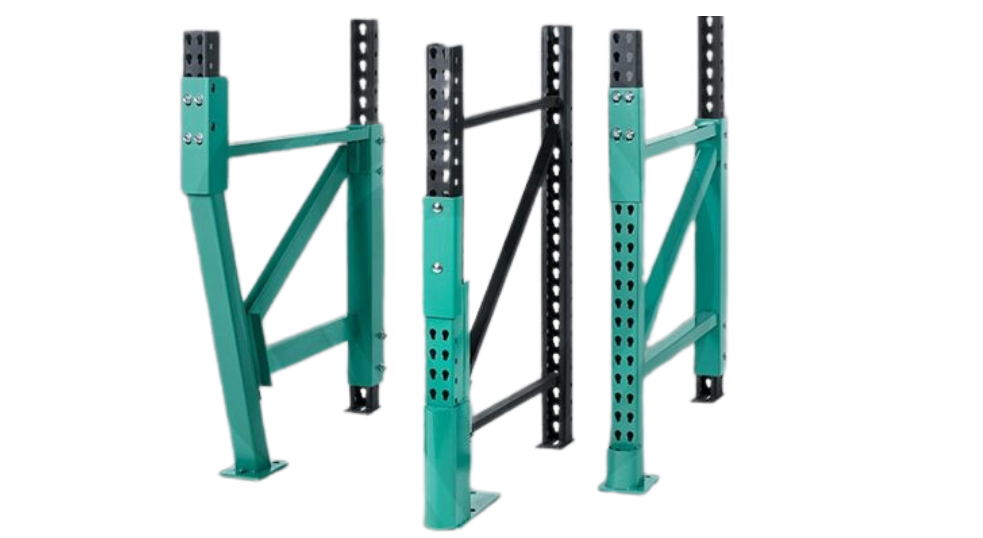
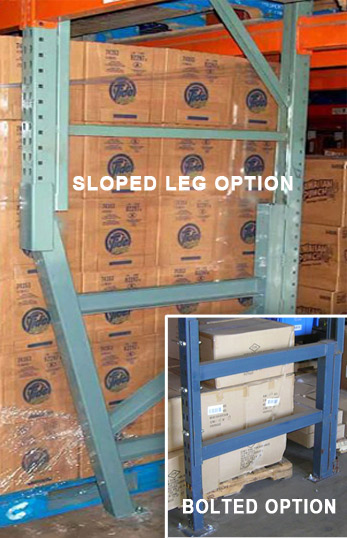
Sloped-Leg Repair Kits
Sloped-leg repair kits are fitted with angled front legs, reducing the impact in the aisle. Such layout enhances security in congested warehouses. The angle provides cushioning to uprights against direct hits of the forklift. The likelihood of locating the bottom beam lower can be limited though. Installation improves protection against impacting structure and resistance. You bring durability under control.
Structural Sleeve Reinforcement
The structural sleeves reinforce weak points in the uprights without full replacement. To restore load capacity, you put the sleeve on the damaged areas. The method is useful in strengthening bent or dented posts. It is useful in local repairs of damages. The replacement of columns is more expensive than the cost. Long-term performance and rack safety is ensured with proper installation.
Welded vs Bolted Repair
Bolted repairs are easy to install and they require faster maintenance and reduced fire risks. You are stripping out components at a fast rate during system upgrades. Welded repair is a better permanent bond to heavy damaged parts. Certified welders are used to ensure safety. Welding requires fire precaution and environmental control. You select a choice based on the intensity of harm and security needs.
Comparison Table – Pallet Rack Repair Methods
| Repair Method | Safety Level | Installation Complexity | Cost | Downtime Impact | Best Application |
| Upright Replacement | Very High | High | High | Medium | Severe structural damage |
| Straight-Leg Repair | High | Medium | Moderate | Low | Standard upright damage |
| Sloped-Leg Repair | Very High | Medium | Moderate | Low | High forklift traffic zones |
| Bolted Repair | High | Low–Medium | Lower | Minimal | Frames with side punching |
| Welded Repair | High (if engineered) | High | Higher | Moderate | No side punching available |
| Sleeve Reinforcement | Medium–High | Low | Low–Moderate | Minimal | Minor to moderate damage |
Pallet Rack Inspection Checklist
Daily Inspection
You can inspect pallet racks on forklift impact damages and visible dents. Check beam contains locking safety clips. Check straightness of posture to bend or move. Check anchor bolts are firm and tight. Identify loose elements early enough to minimize the chances of failure. To ensure safe working in the warehouse, problems should be immediately documented and damaged areas should be repaired before any further use.
Monthly Inspection
Measure upright deflection to detect structural stress or deformation. Integrity of cracks or loose connections. Inspect the level of corrosion on metal surfaces and joints. Precision and legibility of load signage. Ensure that weight limits are the same as inventory requirements. Attend to minor issues as they occur to prevent annihilation of the system in the long-term.
Annual Professional Inspection
Hire an engineer to do a structural assessment. Technical assessment and test of check load capacity. Safety standards and warehouse rule inspections. Findings and recommendations report. Receiving of records to audit. Store certified reports to support operational safety and regulatory concerns.
Pallet Rack Repair Safety Guidelines
- Unload Damaged Sections First: Before beginning repairs, get all stored materials off the affected pallet rack space. This helps in alleviating load stress and eliminates sudden collapse when working. Easy access will guarantee more secure inspection and repair.
- Welding Certification: Do not do DIY welding unless you are properly certified. Employ skilled personnel with knowledge on rack structural integrity. Improper welding makes the beams and uprights weak with time.
- RMI Safety Standards: Use Rack Manufacturers Institute guidelines when inspecting and repairing the rack. These guidelines regulate load capacity, alignment, and structural safety. Adherence shields employees and warehouse premises.
- Provide adequate Ventilation: Good ventilation should be maintained during welding or cutting of metal. Fumes and sparks may pose health risks to closed areas. Exhaust systems or outside setups should be used when possible.
- Use Certified Installers: Choose certified and qualified technicians to do rack repair work. Qualified installers use proper alignment and torque requirements. Long-term stability is enhanced by proper installation.
- Perform Fire Risk Assessment: Before starting the welding, assess the surrounding flammable materials. Have fire extinguishers and safety equipment around. Rapid test minimizes ignition risks.
- Check Surrounding Rack Rows: Check neighboring racks to look at any hidden cracks or structural distortion. The effects are usually contagious. The early diagnosis avoids bigger system breakdowns.
When to Repair vs When to Replace
Minor Dent → Repair
Small dents are likely to affect the appearance, but not the strength. You look at the damage and find out depth. Prepare the surface using good tools and weld where necessary. This is non-destructive rehabilitation of functionality.
Bent but Not Cracked Upright → Repair with Reinforcement
A crooked upright will decrease stability, but can be used. You rectify the member and attach braces or reinforcement plates. This increases load capacity and durability. Reinforcement is economical and enhances the service life.
Cracked Upright → Replace
The cracks reduce the structural integrity and are a safety risk. Welding should not be relied upon to give long term strength. Install a new component to replace the damaged upright. Proper replacement provides safe load transfer and stability.
Severe Beam Deformation → Replace
Severely deformed beams lose their strength and alignment. You check deflection limits before you make a decision as to whether to repair or not. Replacement is the safest measure in most of these cases. When new beam is installed, this will provide proper structural performance and reliability.
Anchor Failure Affecting Foundation → Engineering Evaluation Required
The stability of the system and strength of the foundation is influenced by the failure of anchors. You commission an engineering review on the spot. Experts analyze soil, anchor condition and load distribution. Repair or redesign is grounded on technical evaluation and safety needs.
Why Choose MRacking for Pallet Racking Repair?
Mracking offers 16+ years of experience, 20,000+ sqm factory size, and professionally designed and engineered pallet racking repair solutions which can recreate strength and safety with minimum downtime. Our straight-legged and sloped-legged repair packages, bolted and welded reinforcing packages, and custom-designed retrofit designs are compatible with leading rack systems. With approved production, advanced computer-aided design, high quality steel and one-stop services, which consists of production, delivery and installation services, we ensure cheaper and safe rack repairs that save your warehouse operations and resources.
Conclusion
With timely maintenance, your pallet racking system is saved against major failures and accidents. You reduce the risk by discovering damages early and choosing the appropriate repair measures. The repair systems are designed to disrupt functions, but they rejuvenate strength. Regular maintenance prolongs the lifespan of racks and adds security in a warehouse. In selecting Mracking, one can be confident of having professional support, quality materials and effective repair alternatives. You save money by getting strengthened professionally instead of being substituted altogether. Your system is stable and valid when monitored continuously and repaired by an authorized person. Mracking offers eco-friendly security and efficiency at your warehouse.