Understanding Drive-In Racking Systems
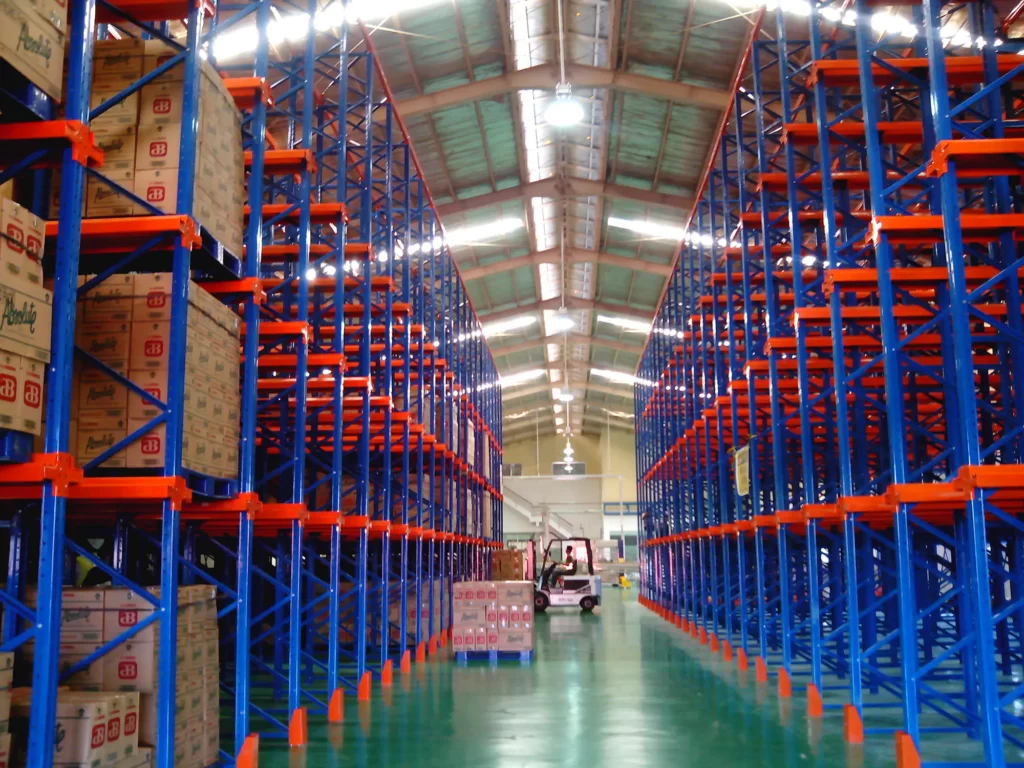
Drive-in Racking is a high-density pallet storage method that is used to control bulk inventory. You have a forklift that directly enters the rack lanes to put in and take out pallets effectively. It has continuous rail support rather than the normal horizontal beam, which adds storage depth. This system should be used when you have several pallets of the same SKU in order to optimize the space and minimize the aisle requirement. To achieve improved space management and accelerated processes in the warehouse in general. For broader industry context, Inventory is a useful reference.
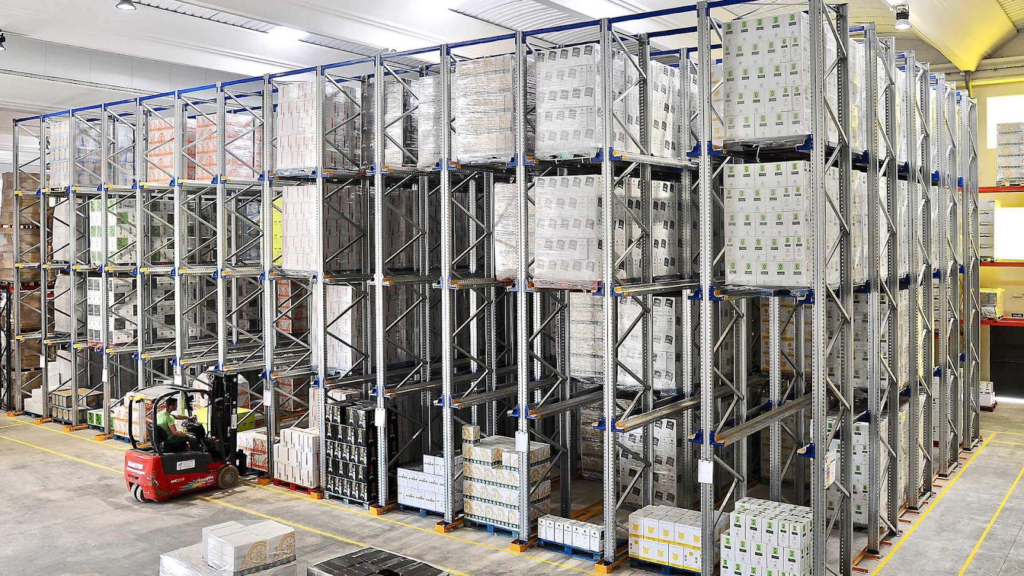
Structural Characteristics
- Upright frames
- Support rails
- Top ties and back bracing
- No intermediate horizontal beams
- Single-entry access (LIFO system)
Working Principle
Drive-in racking is effective when the forklift joins the rack lane cautiously. You load loads onto rails, back to front, and get as much depth as you can. The process of retrieval is reversed, thus, the final pallet is removed first. This system works based on LIFO concept, which enhances space efficiency. Drive in, in contrast to drive through, has a single point of entry whereas drive through has access on both ends. You are to be careful in planning inventory to operate smoothly and to be safe. For a closer comparison, see Double Deep Racking VS Single Deep Racking.
Do Drive-In Racks Require a Dedicated Forklift?
Drive-in racks may not necessarily need a specific forklift. The same forklift can be used in other tasks in the warehouse. Nevertheless, you should choose equipment that has the right width and load. The forklift must be able to enter lanes without ruining racks. Turning radius on the check, mast height and pre-operative stability. Safety, efficiency and long term performance are enhanced by proper matching.
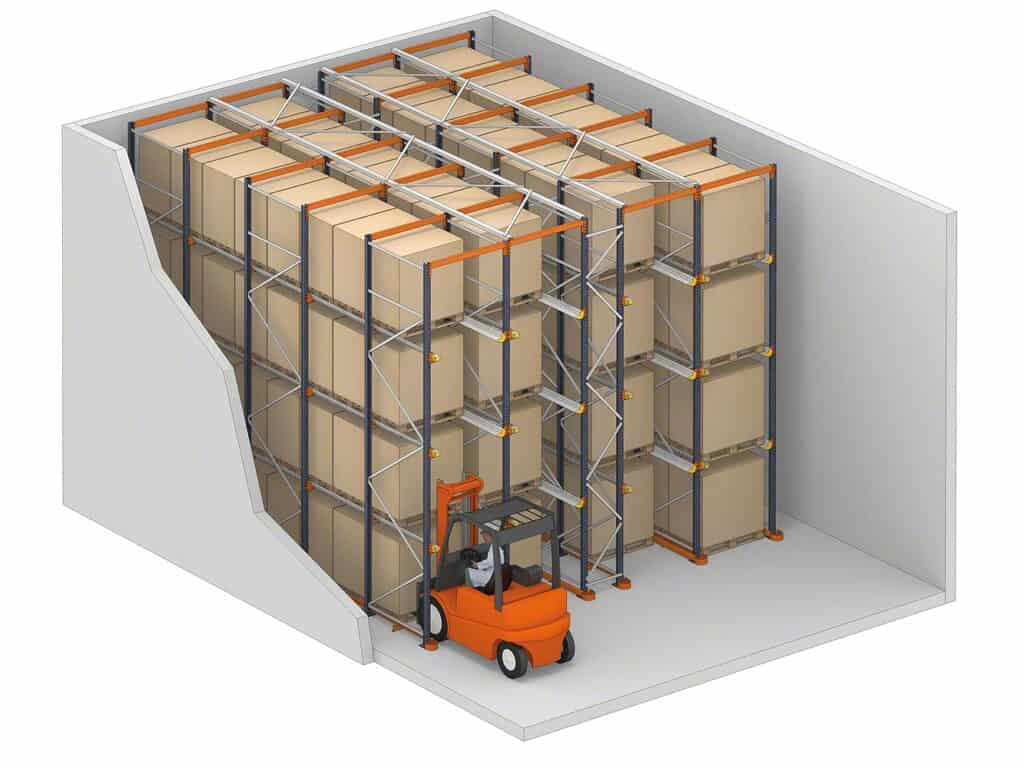
When a Dedicated Forklift May Be Needed
- Extremely Narrow Rack Openings: Extremely narrow rack openings restrict maneuvering space and expose more risks to collisions. It might require a forklift that is specifically designed to handle product with precision, smaller turning radius, and control mechanisms to work safely.
- Very Deep Lane Configurations: Very deep lane configurations involve equipment that extends deep into racking without compromising stability. You have the advantage of forklifts that are designed with mast functionality and steered guidance to ensure the same load positioning.
- High Stacking Heights: High stacking heights require good lift performance and good load control at high levels. The forklift that you should select should offer sufficient lift capacity, vision improvements, and superior stability controls.
- Specialized Load Weights: Special loads such as oddly heavy or unbalanced pallets must be matched with special capacity. You should check load charts and choose a forklift with maximum operating needs to be safe.
- Cold Storage Environments: Cold storage environments present a challenge to the performance of batteries, hydraulics, and operator comfort during extended shifts. You might need a special forklift that has cold-rated parts and a protective engineering to ensure the daily productivity stays the same.
- Multi-Shift High-Intensity Operations: Multi-shift high-intensity operations raise the wear, downtime risks, and maintenance requirements throughout your fleet. Frequently, you require a specially designed forklift constructed with durability, charging, and reliability in performance during constant operation.
Why Forklift Compatibility Is Critical?
Deep Entry Requirements
Precise matching of forklifts is needed in drive-in racks since the trucks move far into the storage channels. Dimensions are to be checked before installation to avoid collisions, ensure protection of structural frames, and ensure a smooth movement in the everyday pallet handling activities safely.
Structural Clearance Considerations
Adequate clearance of forklift mast, overhead guard and rack elements avoid impact damages. You must check pallet entry width, beam spacing and wheel alignment to make sure it travels through rails without stressing columns and base plates.
Engineering Responsibility
Rack drawings do not often presuppose a given model of truck, and thus you need to organize it with engineers and suppliers early on. This check-up guarantees compatibility, helps to avoid redesign expenses, and ensures that the operational requirements can be met by equipment capabilities and safety.
Load Handling and Stability
The size of the forklift should be able to lift the maximum pallet weight as outlined in the system. You ought to consider load charts closely to avoid tipping, decrease structural stress and balance when entering, lifting, and reversing inside deep lanes.
Operator Visibility and Maneuverability
Good visibility and accurate steering make you move through narrow aisles without complications. To minimize collisions, enhance efficiency and facilitate easy pallet placement, you should verify turning radius, aisle width and control responsiveness, during repetitive warehouse operations.
Recommended Forklift Categories for Drive-In Systems
Counterbalanced Forklifts (Highly Recommended)
Counterbalanced forklifts can be used in drive-in racking since the weight at the back provides stability. You pull into lanes without rails being bumped by outriggers. Check fork length, wheel separation and clearance. They deal with varying pallet heights in common warehouse floors. These include Toyota 8FBCU, Hyster S50FT and Linde E35 series. This enhances flexibility in operations.
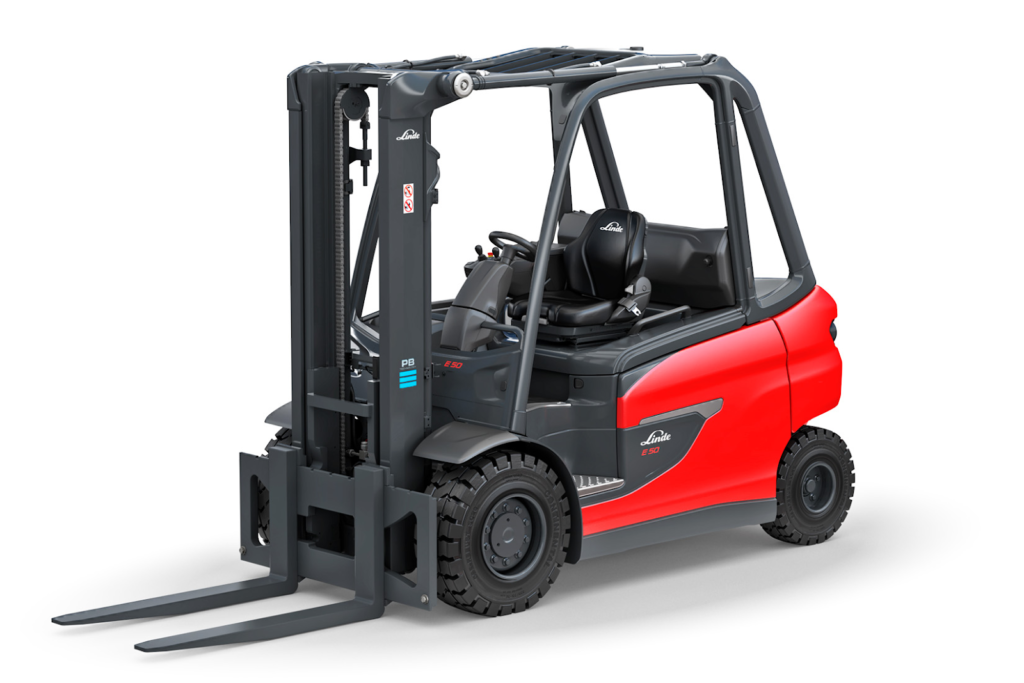
Electric Counterbalanced Forklifts
Electric counterbalanced forklifts are effective both indoors and in cold storage. You also enjoy low vibration and easy maneuverability in narrow lanes. Check overhead guard height and rail clearance prior to deployment. Arrange plan battery capacity and charging schedules to keep productivity up. It is exemplified by Hyundai BE-X, B-9F and Crown SC series.
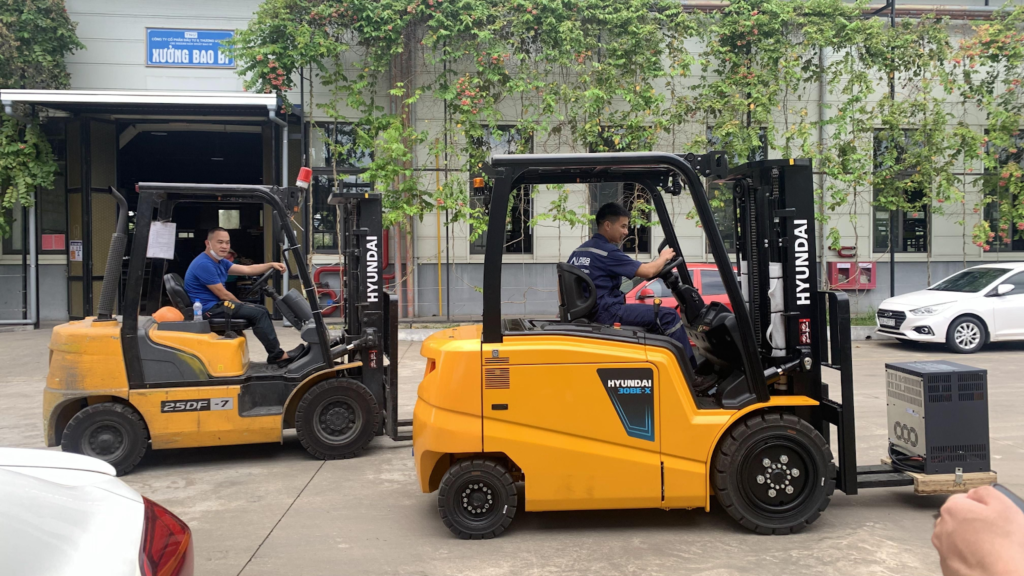
Specialized Reach Trucks
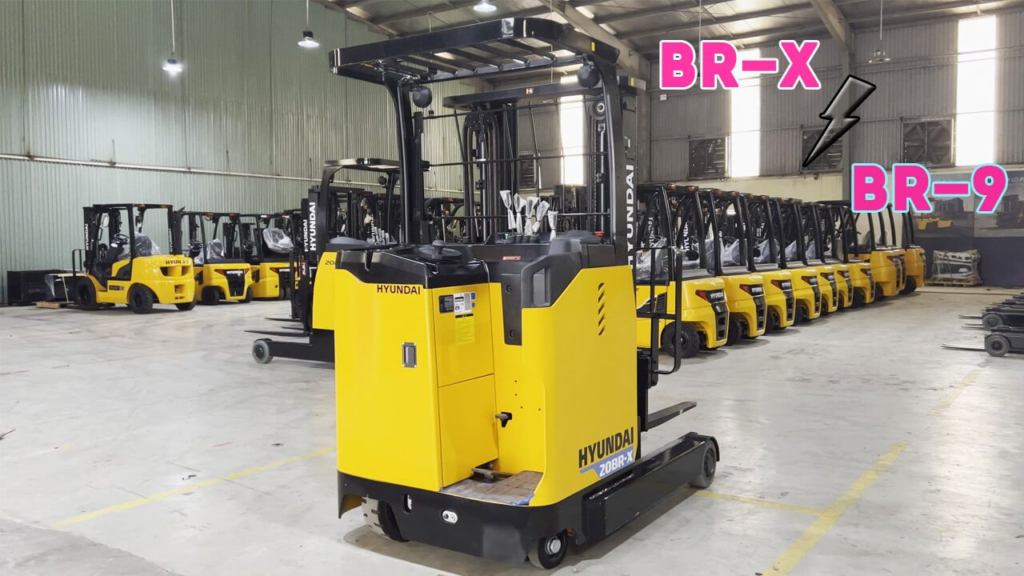
Narrow aisles and accurate pallet positioning in drive-in systems are facilitated by specialized reach trucks. Fork extensions allow you to place loads precisely in engineered systems. Clearance between mast and check rail. Apply only when your rack design will admit of reach movement. They are Hyundai BR-X series and Crown ESR series.
Deep-Reach Variants
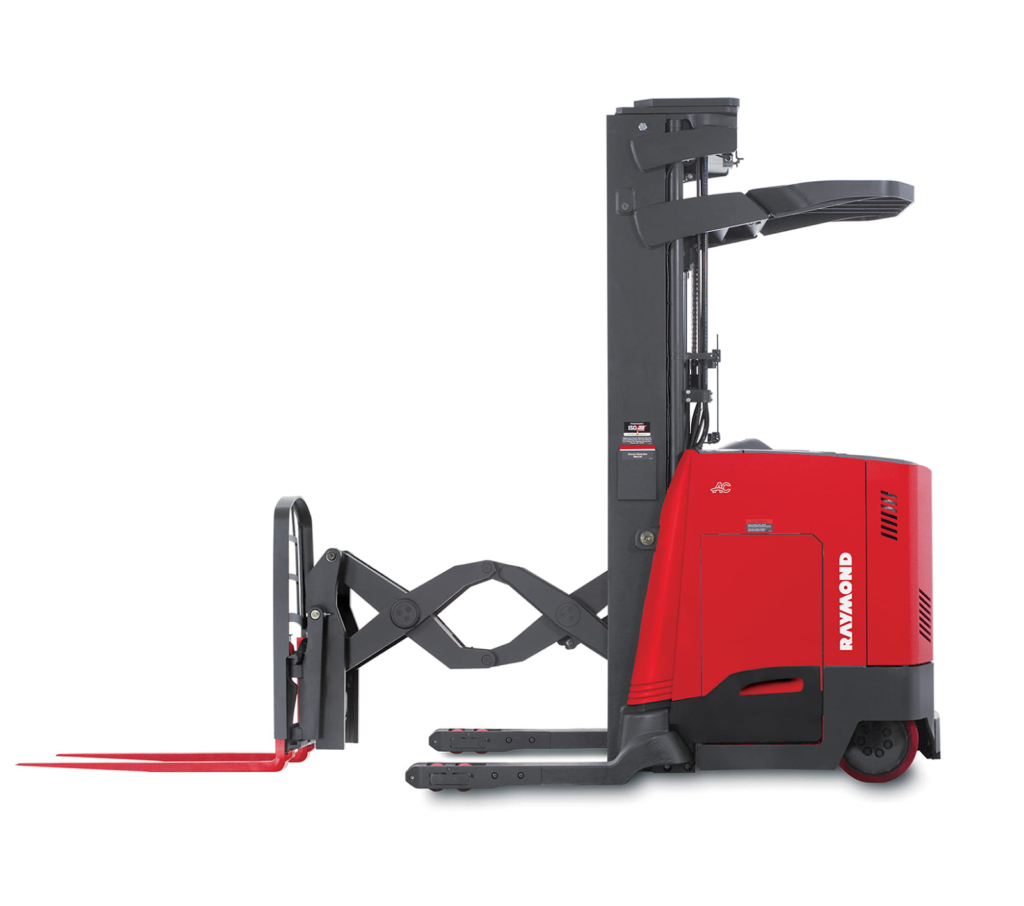
Deep-reach variants deal with deep pallets in dense storage systems. You ought to align truck specifications and rack structure and entry clearance. Coordinate engineering information to ensure safe operation and load stability. These models are most effective in layouts that are built to purpose. These are Raymond Reach-Fork Deep-Reach, Toyota RRE Series, and Crown DRR series.
| Forklift Type | Suitable for Drive-In? | Advantages | Design Considerations | Limitations |
| Counterbalanced Forklift | Yes (Highly Recommended) | Stable, no outriggers, ideal entry profile | Must match width, height, wheel spacing | Requires trained operators |
| Electric Counterbalanced | Yes | Smooth operation, indoor-friendly, low vibration | Clearance under rails essential | Battery management needed |
| Reach Truck | Yes (With Design Match) | Good for narrow spaces | Fork extension length must be considered | Not ideal if clearance is tight |
| Deep-Reach Truck | Sometimes | Access deeper lanes | Requires precise structural planning | Higher complexity |
| Straddle Stackers | No (Generally) | Stable outside racks | Outriggers conflict with rails | Collision risk |
What Types of Forklifts to Avoid for Drive-In Systems
Straddle Trucks
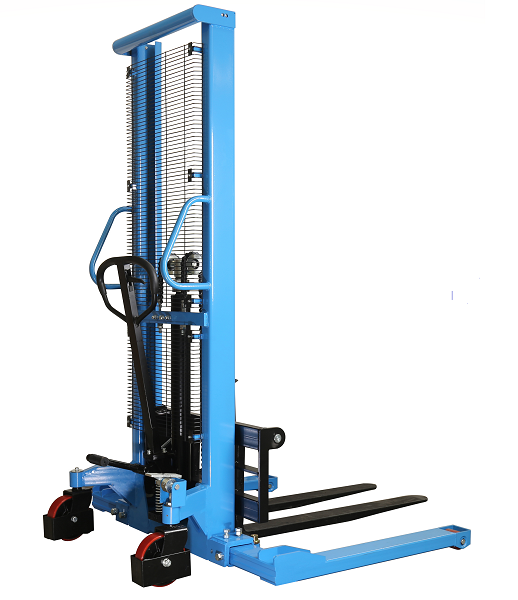
Straddle trucks bear wide outriggers which hold heavy pallets during the loading process. But those are very long legs that can hit rack columns as you get into deep drive-ins. You are liable to structural damage, instability and expensive repairs within high-density storage systems and safety. A related guide on Double Deep vs Selective Pallet Racking gives more detail for this part of the planning work.
Wide Fixed-Outrigger Stackers
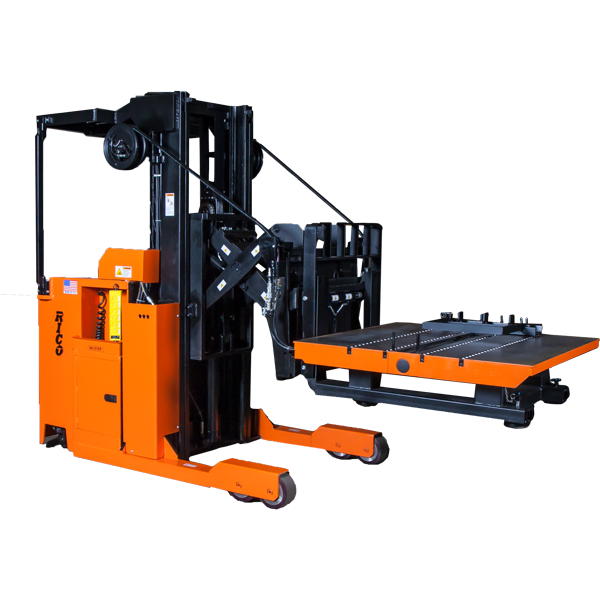
Large fixed-outrigger stacker offers good balance with permanently extended legs. They tend to be wider than normal drive-in lanes, making it difficult to enter the premises smoothly. You can get pallet collisions, broken beams, and diminished storage in your warehouse design and effectiveness.
Forklifts Without Counterbalance
Unbalanced forklifts may lose balance when carrying heavy loads deep in the racks. Due to the lack of weight support at the back, the truck can lean forward when placing pallets. You raise the risk of accidents, spillage of products and costly rack repairs and downtime.
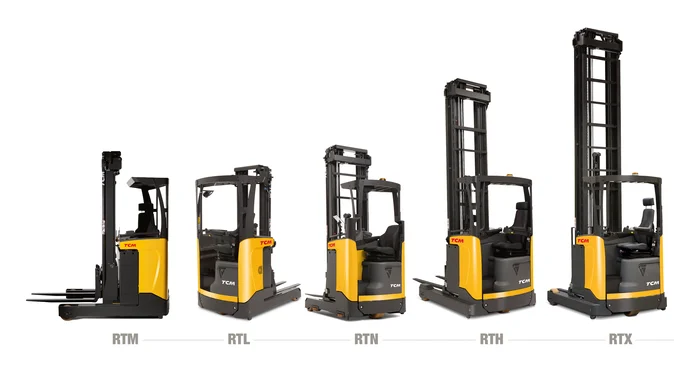
Oversized or Non-Compact Forklifts
Forklifts of oversize do not fit in the tight drive-in lanes since their turning radius is beyond the design capacity. Big frames may scrape railings and injure uprights on entry and exit. You slack operations, increase maintenance expenses, and jeopardize the safety of the entire warehouse in small areas.
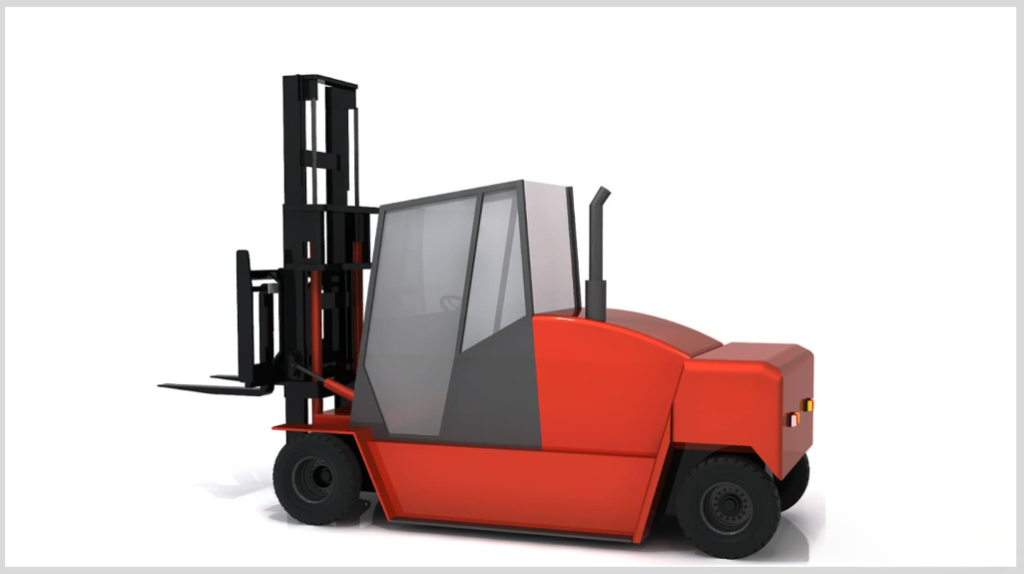
Standard Reach Trucks Without Deep-Reach Capability
Standard reach trucks are suitable in selective racking systems, but do not have the deep-reach ability in long lanes. their forks might not reach the rear pallets of drive-in buildings. Your daily operations are characterized by longer handling times, reduced efficiency, and unhelpful product movement.
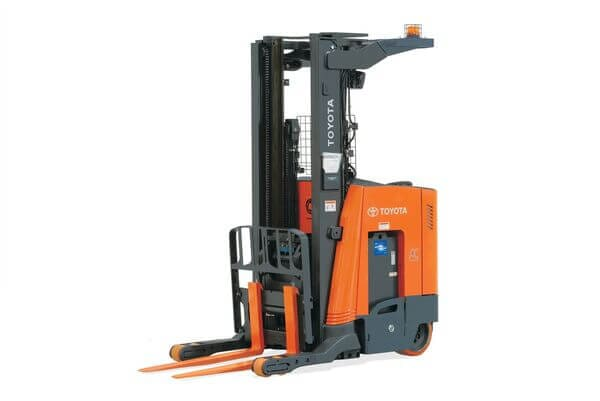
Key Design Factors Linking Rack and Forklift
Width Compatibility
Rack openings should be exactly the width of your forklift to allow easy and safe access. Avoiding column collisions can be done by ensuring that all dimensions of lanes are checked prior to installation, which ensures vehicle and rack integrity. This point also connects with Choose The Right Forklift.
Overhead Guard Clearance
The initial raised rail should offer a high height clearance to avoid hitting your overhead guard on your forklift. Mast height and load elevation should be checked to make sure that there is no damage to the structure in case of unsafe entry.
Wheel Spacing & Base Plates
The upright columns are supported by base plates to provide stability. You must ensure that the distance between wheels of your forklift will be less than the distance between the anchors, or it will make contact accidentally, which will harm the rack and the safety of your vehicle.
Height of Mast and Load Elevation
The initial pallet should be loaded with full mast elevation when loading back-to-front. Always keep a clearance accurate to avoid contact between the forklift and rails or supports and is a safe and smooth placement in the entire drive-in racking system.
Turning Radius
Forklifts need a lot of maneuvering room, particularly in the narrow drive-in aisles. To avoid collisions, enhance the efficiency of handling, and be able to navigate safely when entering and leaving deep racking lanes, you should measure turning radius accurately.
Forklift-Rack Compatibility Checklist
| Parameter | Critical Consideration | Recommended Approach |
| Forklift Width | Must fit within lane width without contact with rails | Dedicated compact counterbalance or reach truck |
| Mast Height | Should clear top pallet and overhead guard | Ensure mast fully elevates without collision |
| Wheelbase / Base Plate Clearance | Wheels must remain inside base plates | Measure and verify during rack design |
| Fork Length | Must reach back pallets without hitting structure | Deep-reach forklifts require extra clearance |
| Turning Radius | Must allow smooth maneuvering inside rack | Select forklifts with tight turning radius |
| Load Capacity | Compatible with maximum pallet weight | Verify forklift lift capacity vs rack design |
| Safety Systems | Speed limiter, anti-tip, visibility | Use forklifts with advanced safety features |
| Operational Efficiency | Time to load/unload deep racks | Dedicated forklifts improve throughput and reduce errors |
| Inventory Management | LIFO or FIFO compliance | Match forklift type to rack design |
| Maintenance and Wear | Frequent collisions reduce lifespan | Dedicated forklift minimizes wear on both rack & truck |
Limitations and Risks of Improper Forklift Selection
- Structural Damage: Wrong forklift capacity may involve straining rack frames and beams. Overload undermines joints and erectures. This pressure leads to bending, cracking and structural damage over time in your entire storage system.
- Bay Opening Misalignment: Wrong forklift sizes can lead to difficulty in getting into tight bays. You realize alignment problems that slack down processes and overload equipment. Frequent contact harms guides, rails and other metal structural components around.
- Base Plate Impact: Repeated base plate hits may occur due to the incorrect height of the forklift being used. The force is transmitted to floor anchors by these collisions. You are in danger of loosening bolts, cracking concrete, and destabilizing the rack foundation.
- Reduced Storage Density: Choosing a forklift that is oversized lowers manoeuvrability within aisles. Larger turning requirements compel you to enlarge aisles. This leaves you with less storage density and restricted total warehouse capacity.
- Increased Accident Risk: Ineffective load matching influences stability in lifting and transportation. Lopsided pallets can roll over. You raise the risk of tip-overs, collisions and injuries to operators and other individuals near the facilities.
- Operational Delays: A mismatched forklift slows down the workflow and the movement of materials on a daily basis. The operators waste more time setting up positions and aligning. These delays decrease your productivity and affect your scheduled shipping times and deliveries.
- Potential System Failure: Further abuse promotes wear and tear along racks, forklifts and flooring. Minor problems compound into mechanical problems. Without an immediate corrective measure, you can encounter some partial shutdowns, costly repairs, or even the total failure of the system.
Best Practice Recommendations
- Always design rack and forklift together
- Share full truck specifications with manufacturer
- Consider future fleet upgrades
- Conduct mock clearance analysis
- Implement strict operator training
- Install rack protection accessories
- Schedule regular inspections
- Ensure compliance with safety standards
Industries That Commonly Use Drive-In Racking
- Cold storage facilities
- Food processing plants
- Dairy warehouses
- Pharmaceutical storage
- Bulk manufacturing
- Paper and packaging industries
- Chemical storage (properly regulated)
- Seasonal inventory warehouses
- High-volume distribution centers
Safety Considerations When Selecting Forklifts
Rack Protection Systems
Insure your racking investment by ensuring the correct structural safeguards are installed throughout the warehouse. Column guards, frame protectors, rail guards, bollards, and corner guard decreases impact damage, enhances stability, and assists you in maintaining long-term operational safety standards.
Operator Training
Explicitly drive-in operators, where accuracy is the key factor. Insist on slow entry, proper alignment, and reverse maneuvering. By practicing these skills on a regular basis, you decrease collisions and maintain the safety of personnel and equipment. For product-level details, review Drive in Racking.
Load Capacity Awareness
Before placing pallets, review rack load ratings to provide structural safety. Do not overload, as overloading causes a weakening of frames, making them prone to sudden collapse. Distribution of weight should also be kept in check to ensure that storage performance remains balanced on a daily basis.
Regular Inspection
Create a periodic check-up schedule to detect damages in time and avoid expensive failures. Investigate bending beam racks, loose connections, and surface corrosion. By recording discoveries regularly, you facilitate preventive maintenance and the lifespan of the systems.
Clear Aisle Management
Ensure that there are open paths to permit safe forklift traffic within drive-in designs. Make sure there is light, an organized flow of traffic and visible signs. Aisles clear and operations well synchronized, you make fewer accidents and increase efficiency.
Why Choose MRacking for Efficient and Safe Drive-In Racking Systems
MRacking is a reputable producer of quality pallet racking and warehouse storage systems that have more than 16 years of experience in the industry. We are experts at coming up with drive-in racking systems that perfectly suit your forklifts to maximize storage space, operational safety and convenience. MRacking has a 20,000+ sqm production area, 85 expert workers, CAD design support, over 1,000 successful projects in 40+ countries, and provides you with a tailored storage system that fits your warehouse layout and inventory requirements. Their one-stop solution, including design and production, packaging, shipping, and installation ensures that there is smooth implementation, and your forklifts can safely and efficiently operate within your drive-in system of racking.
Conclusion
Drive-in racking provides high-density storage, and the effectiveness relies on the adequate choice of forklifts and planning of the system. You should be able to conform to equipment specifications, safety features, and train operators to secure racks and products. By considering forklift compatibility at the design stage, you enhance efficiency, minimize the risk of damage, and increase the life of the system. MRacking offers the high quality and professionally designed racking drive-in options that match your forklift needs to guarantee safety, performance, and durability. To give the best results, they should be planned together at early phases of projects.