


EN 15512 is the European Standard that defines how adjustable pallet racking must be structurally designed, calculated, and tested to ensure safe load performance over its service life. Unlike EN 15635 — which governs how warehouse operators must use and maintain rack in service — EN 15512 governs how rack manufacturers must design and verify their products before delivery. Every reputable pallet racking supplier delivering to European Economic Area markets designs to EN 15512, provides engineering calculations aligned with its principles, and expects the racking to comply with its load and testing requirements. Buyers who understand what EN 15512 covers can evaluate quotations, engineering documentation, and supplier claims with much greater confidence.

This article explains what EN 15512 is, where it sits within the broader European rack standards family, examines the key design areas it covers, and outlines its practical implications for warehouse racking buyers.
What Is EN 15512?
EN 15512 is the European Standard titled “Steel static storage systems – Adjustable pallet racking systems – Principles for structural design”, published by CEN (the European Committee for Standardization), that defines the structural design methodology, load calculations, material requirements, component design principles, and testing procedures required for adjustable pallet racking installed in European Economic Area markets. The current version, EN 15512:2020+A1:2022, superseded the original 2009 edition and incorporates updated seismic considerations and testing procedures.
EN 15512 applies to the design and manufacture of adjustable pallet racking — the selective, single-deep, and double-deep systems that dominate European warehouse installations. It is the primary reference used by rack manufacturers when engineering upright profiles, beam sections, connection design, base plates, and bracing configurations. Compliance with EN 15512 is typically demonstrated through engineering calculations, component test reports, and full-scale system tests documented by the manufacturer at the time of supply. Industry organizations such as the Storage Equipment Manufacturers’ Association (SEMA) publish practical guidance on interpreting and applying EN 15512 in UK and European installations.
EN 15512 in the European Rack Standards Family
EN 15512 is one of five interconnected European standards that together cover the complete lifecycle of pallet racking from design through operational maintenance:
- EN 15512 — Principles for structural design (this standard)
- EN 15620 — Tolerances, deformations, and clearances
- EN 15629 — Specification of storage equipment (procurement)
- EN 15635 — Application and maintenance (in-service management)
- EN 15878 — Terms and definitions
The design-focused standards (EN 15512, EN 15620) apply at the manufacturer stage. The specification standard (EN 15629) applies at procurement. The maintenance standard (EN 15635) applies during operational life. Together they create end-to-end regulatory coverage that European rack manufacturers, buyers, and operators are expected to observe. Broader guidance on how pallet racking standards fit together across regions supports readers evaluating multi-region compliance.
Key Areas Covered by EN 15512
EN 15512 addresses five main areas of pallet racking structural design.
Structural Design Principles. The standard defines the design methodology, including limit state design (ultimate limit state and serviceability limit state), partial safety factors, and load combinations. Design must consider both strength (capacity) and serviceability (deflection and stability).
Material Requirements. Structural steel used in pallet racking must meet defined material standards, typically EN 10025 for structural steel or EN 10346 for continuously hot-dip coated steel sheet. Steel grade, minimum yield strength, and material certification are specified requirements.

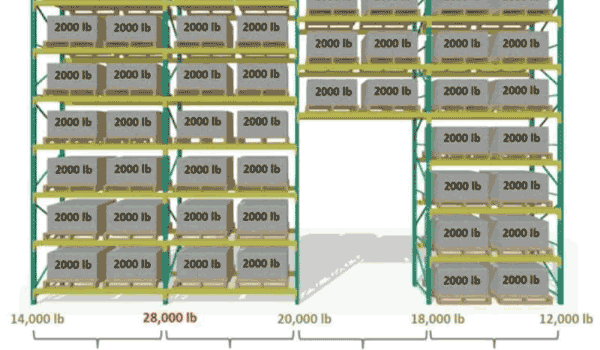
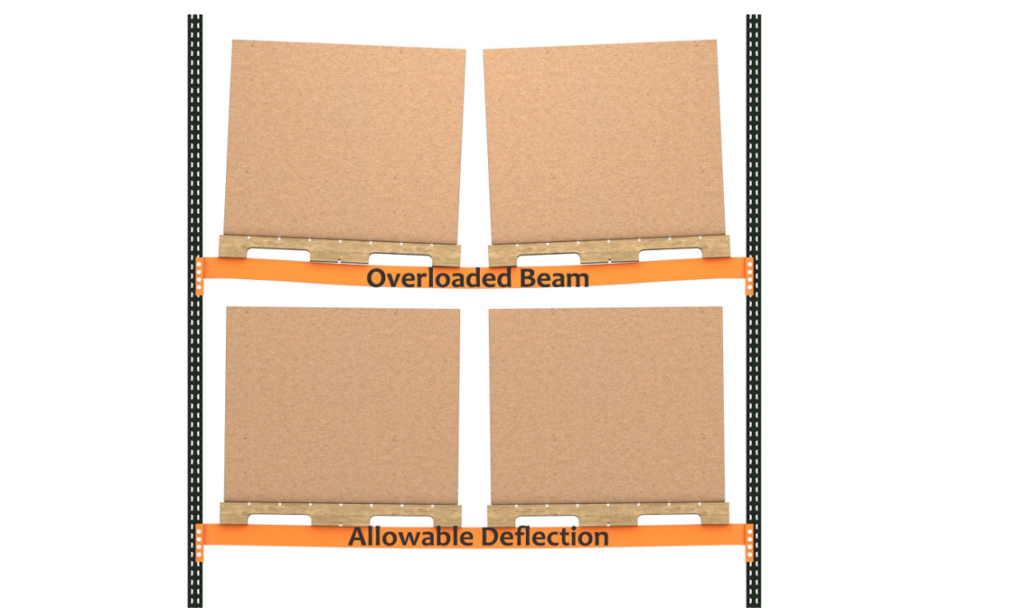
Load Calculations. EN 15512 defines the loads that must be considered — vertical loads (pallet weight, self-weight), horizontal loads (out-of-plumb forces, forklift impact), impact loads, and (through reference to other standards) seismic loads. Load combinations must be tested against structural capacity for each load path.

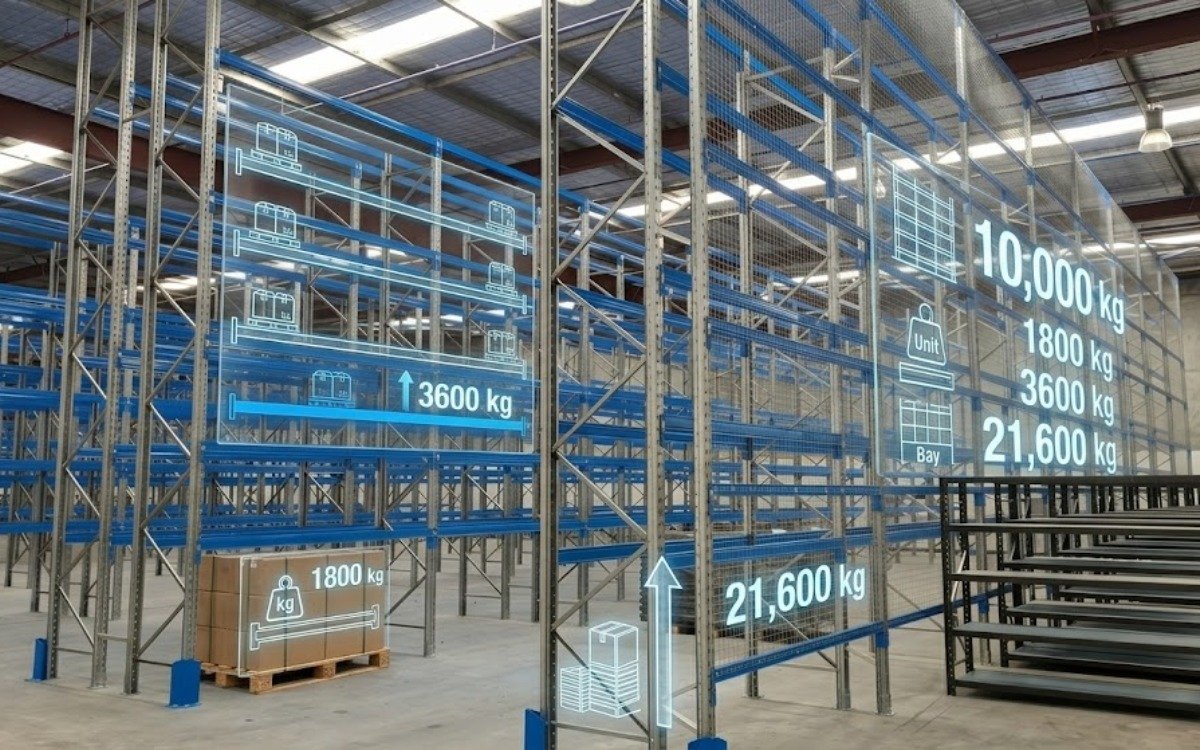
Component Design. Uprights, beams, connectors, base plates, and bracing each have design requirements addressing section capacity, connection strength, buckling stability, and interaction with loads. Detailed considerations for pallet racking upright design illustrate the component-level structural principles applied under EN 15512.

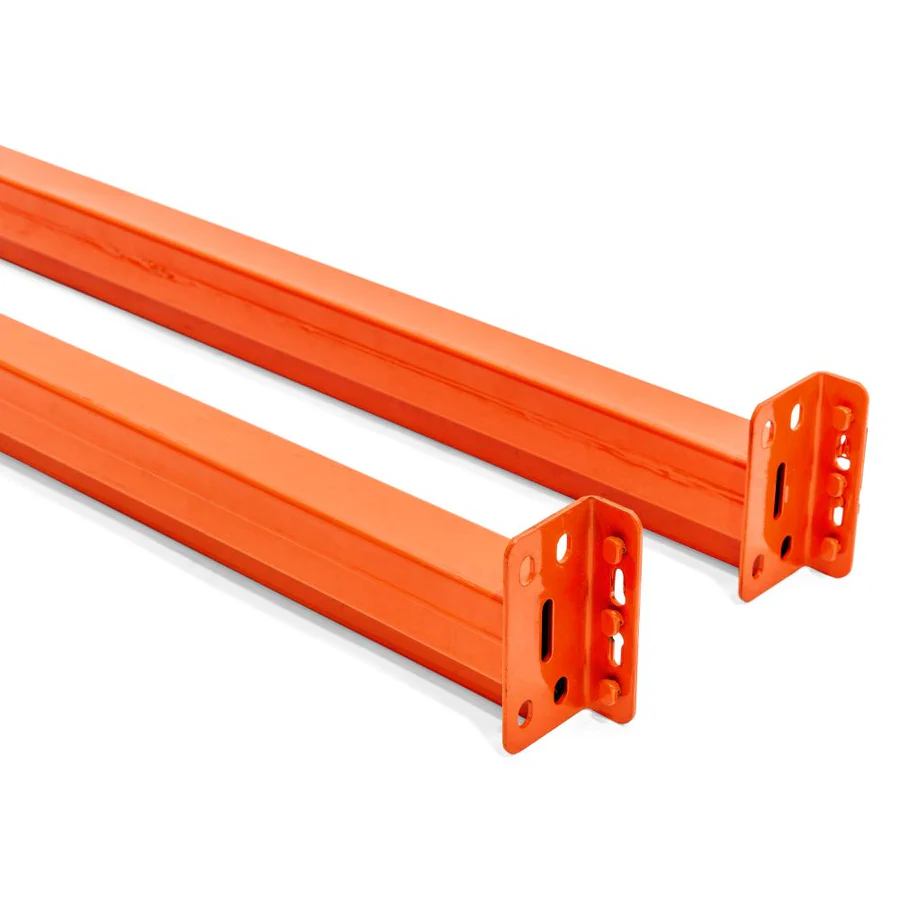
Testing Requirements. EN 15512 requires both component-level testing (bending capacity, compression capacity, joint capacity) and full-scale system testing (frame stability, beam-to-upright connection performance under cyclic loading). Test procedures are prescriptive, with defined specimen preparation, loading protocols, and acceptance criteria.
Load Types Considered in EN 15512
Four categories of load must be evaluated in EN 15512 design.
Vertical Loads. Include the pallet load itself, the self-weight of the rack structure, and any additional stored equipment weight. Vertical loads act through the beams into the uprights and down to the floor. This is the primary design case for most pallet racking.
Horizontal Loads (Notional Loads). EN 15512 requires design for horizontal forces representing out-of-plumb installation, initial imperfections, and small operational impacts. Typically these are calculated as a small percentage of the vertical load and applied at each beam level.
Impact Loads (Placement Impact). Loads generated when a forklift places or removes a pallet — vertical impact on beams during placement and horizontal impact on uprights during travel or rotation. Impact loads are typically the design case for beam connectors and column protectors. Detailed considerations for pallet racking weight capacity show how these loads combine in real-world rating calculations.
Seismic Loads. Racks installed in seismic zones must additionally be designed for earthquake-induced forces. EN 15512 addresses this by reference to EN 1998 (Eurocode 8), requiring seismic-specific analysis where applicable. Seismic design typically produces heavier bracing and more restrictive load ratings than non-seismic zones.
Testing and Verification Under EN 15512
EN 15512 requires structural verification through a combination of analytical calculation and physical testing.
Analytical Calculation. Manufacturers must document structural calculations for every rack configuration supplied. Calculations must cover ultimate limit state (structural failure), serviceability limit state (deflection and stability), and applicable load combinations.
Component Testing. Physical tests are required for beam-to-upright connections, upright compression capacity, beam bending capacity, base plate capacity, and other critical components. Test specimens must be prepared according to standard procedures, tested to failure or defined load thresholds, and documented with test reports.
Full-Scale System Testing. For new rack designs or significant modifications, full-scale system tests are used to validate that the assembled structure performs as predicted by component-level testing and analytical calculation.
Test Documentation. All test reports, calculations, and material certifications become part of the rack’s compliance documentation and must be available to buyers on request. Missing test documentation is a red flag when evaluating supplier claims of EN 15512 compliance.
Roles and Responsibilities Under EN 15512
EN 15512 places most responsibility on the rack manufacturer, with corresponding buyer verification obligations.
Rack Manufacturer. Designs the rack to EN 15512 principles, performs and documents required testing, prepares engineering calculations, provides load rating labels for installation, and supplies engineering documentation to the buyer.
Buyer and Warehouse Operator. Verifies at procurement that supplier documentation supports EN 15512 compliance, ensures load rating labels are installed and legible, and maintains documentation as evidence of compliance during subsequent EN 15635 inspection cycles.

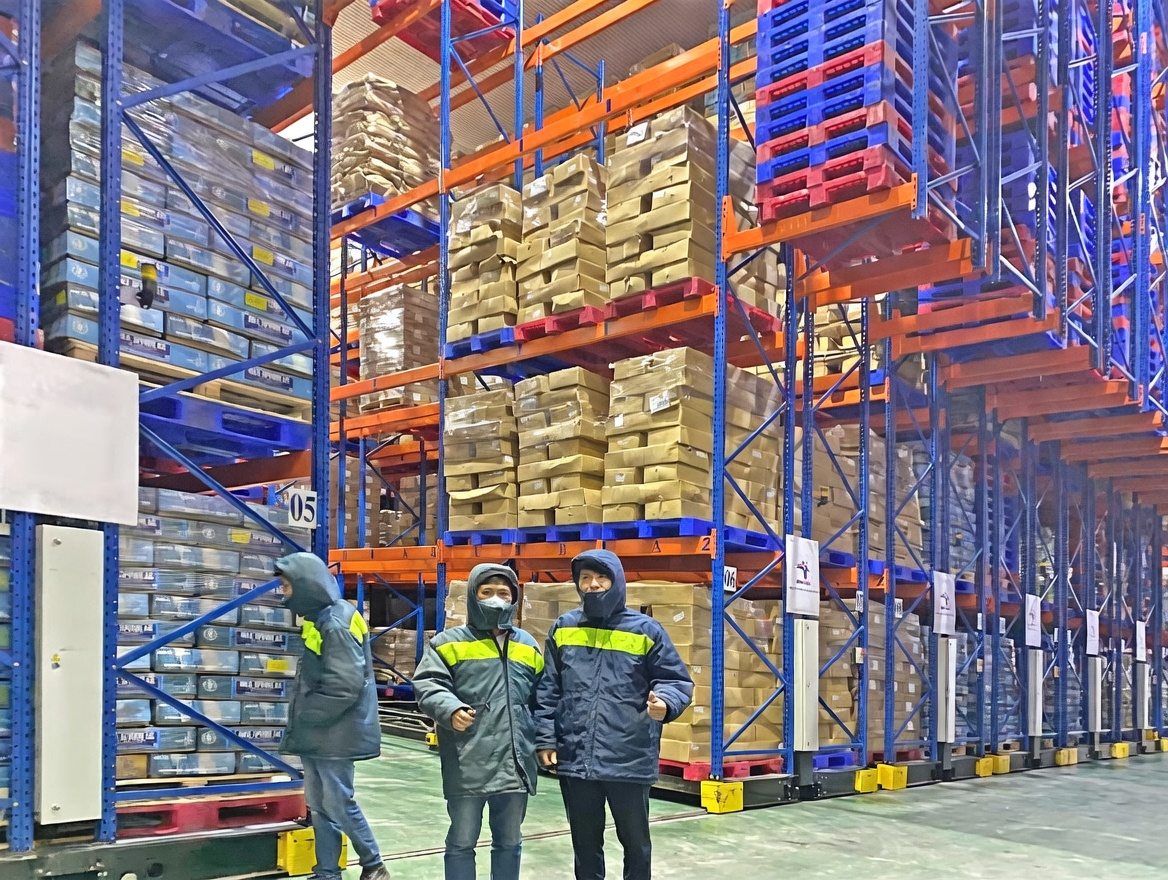
Independent Testing Bodies. In some cases, independent third-party testing organizations conduct or verify component and system tests, providing additional credibility to the manufacturer’s compliance claims.
Structural Engineers. Consulted for site-specific design considerations such as seismic zones, unusual load patterns, or non-standard configurations that exceed the manufacturer’s standard product testing.
EN 15512 vs Other Regional Design Standards
EN 15512 has counterparts in other regions that address pallet rack structural design under different regulatory frameworks.
ANSI MH16.1 (North America). Published by the Rack Manufacturers Institute (RMI), ANSI MH16.1 is the North American equivalent of EN 15512. Both address structural design methodology, load types, and testing requirements, though specific values and procedures differ.
AS 4084 (Australia). The Australian standard for pallet racking design. Detailed context on what AS 4084 covers is available for operators managing racking across European and Australian markets.
FEM Guidelines. The Fédération Européenne de la Manutention (European Materials Handling Federation) publishes complementary technical guidelines that many manufacturers reference alongside EN 15512.
Chinese Standards (GB/T 28576, GB 26536). Chinese national standards address similar structural design principles under a different framework. Chinese manufacturers exporting to European markets typically design to EN 15512 rather than relying on Chinese domestic standards.
Comparison Table: EN 15512 vs Related Rack Standards
| Standard | Region | Primary Focus | Applies To |
|---|---|---|---|
| EN 15512 | Europe | Structural design principles | Manufacturer |
| EN 15620 | Europe | Tolerances and clearances | Manufacturer |
| EN 15629 | Europe | Procurement specification | Buyer and supplier |
| EN 15635 | Europe | Application and maintenance | Operator |
| EN 15878 | Europe | Terminology | All parties |
| ANSI MH16.1 | North America | Structural design principles | Manufacturer |
| AS 4084 | Australia | Structural design principles | Manufacturer |
Manufacturers exporting into multiple regions typically design to the most demanding applicable standard, then verify compliance with each regional standard through the appropriate documentation.
Practical Implications for Pallet Racking Buyers
Understanding EN 15512 has direct practical implications when evaluating supplier quotations and selecting racking.
Verify that quotations reference EN 15512 compliance explicitly, and request engineering calculations as part of the supplier documentation package. Confirm that load rating labels prepared under EN 15512 will be supplied with the racking and installed at each rack row. Ask for material certificates showing steel grade and origin, and confirm compliance with the material standards referenced by EN 15512. Verify that component and full-scale test reports are available on request, particularly for load-critical applications. Confirm that the supplier’s design accounts for seismic conditions applicable to the installation location if relevant. Complementing EN 15512 compliance with subsequent EN 15635 inspection and maintenance — as covered in the companion article on what EN 15635 requires — creates end-to-end rack safety coverage from design through operational life.
Key Takeaways
- EN 15512 is the European Standard defining the structural design principles for adjustable pallet racking.
- The current version is EN 15512:2020+A1:2022, which superseded the 2009 edition with updated seismic and testing provisions.
- EN 15512 covers structural design methodology, materials, load calculations, component design, and testing requirements.
- Four load types must be considered: vertical, horizontal (notional), impact, and (where applicable) seismic loads.
- Compliance is demonstrated through engineering calculations, component testing, full-scale system testing, and documented material certificates.
- Manufacturers carry primary responsibility for EN 15512 compliance; buyers should verify documentation at procurement.
- EN 15512 sits alongside EN 15620 (tolerances), EN 15629 (specification), EN 15635 (maintenance), and EN 15878 (terminology) in the European rack standards family.
Frequently Asked Questions
1. What does EN 15512 cover?
EN 15512 covers the structural design principles for adjustable pallet racking sold in the European Economic Area. It addresses design methodology, material requirements, load calculations (vertical, horizontal, impact, seismic), component design (uprights, beams, connections, base plates, bracing), and mandatory testing procedures.
2. Is EN 15512 mandatory?
EN 15512 compliance is required either directly or as best-practice reference for adjustable pallet racking supplied to European Economic Area markets. Even where the standard is not explicitly mandatory in national law, non-compliance is routinely treated as evidence of inadequate rack design in workplace incident investigations and insurance disputes.
3. What is the difference between EN 15512 and EN 15635?
EN 15512 governs how racking must be structurally designed and tested at the manufacturer stage. EN 15635 governs how racking must be used, inspected, and maintained by the warehouse operator during service life. The two standards apply at different points in the rack lifecycle and to different responsible parties.
4. What load types does EN 15512 require designers to consider?
Vertical loads (pallet weight and self-weight), horizontal loads representing out-of-plumb and imperfection effects, impact loads from forklift placement and travel, and seismic loads where applicable through reference to Eurocode 8 (EN 1998).
5. What testing does EN 15512 require?
EN 15512 requires both component-level testing (beam-to-upright connections, upright compression, beam bending, base plate capacity) and full-scale system testing for new designs. Tests must be documented with specimen preparation records, loading protocols, and pass/fail results.
6. Can Chinese-manufactured pallet racking comply with EN 15512?
Yes. Chinese manufacturers exporting to European markets routinely design to EN 15512, perform the required testing, and provide the accompanying documentation. Buyers should verify that specific quotations reference EN 15512 explicitly and include engineering calculations, test reports, and material certificates.
7. What documentation should EN 15512 compliant racking include?
Standard documentation includes engineering calculations for the specific rack configuration, component test reports, material certificates, load rating labels for installation, installation instructions, and (typically) a declaration of compliance with EN 15512.
8. Does EN 15512 apply to drive-in racking or cantilever racking?
EN 15512 specifically addresses adjustable pallet racking. Drive-in racking, cantilever racking, and other configurations are addressed under different standards or extended provisions within the EN 15512 family. Manufacturers should specify which standards apply to each product type supplied.
Conclusion
EN 15512 is the technical foundation of European pallet racking safety, defining the structural design methodology, load calculations, material requirements, and testing procedures that manufacturers must follow before delivering rack to European markets. It complements the operational standards (EN 15635 for maintenance, EN 15620 for tolerances, EN 15629 for procurement, EN 15878 for terminology) to create end-to-end coverage from design through operational life. Buyers who understand EN 15512 can evaluate supplier quotations, engineering documentation, and compliance claims with the technical grounding needed to identify well-engineered systems and to reject those that fall short of the standard.
For European buyers procuring pallet racking, verifying that the manufacturer designs to EN 15512 — and that the accompanying documentation supports this claim — is a critical part of specification and compliance review. Mracking is one of the Chinese manufacturers producing pallet racking engineered to EN 15512 structural design principles alongside EN 15620 tolerance requirements, with the calculation documentation, load rating labels, material certificates, and component test reports required for European installations across selective, drive-in, VNA, and structural pallet racking configurations.