


What is AS4084?
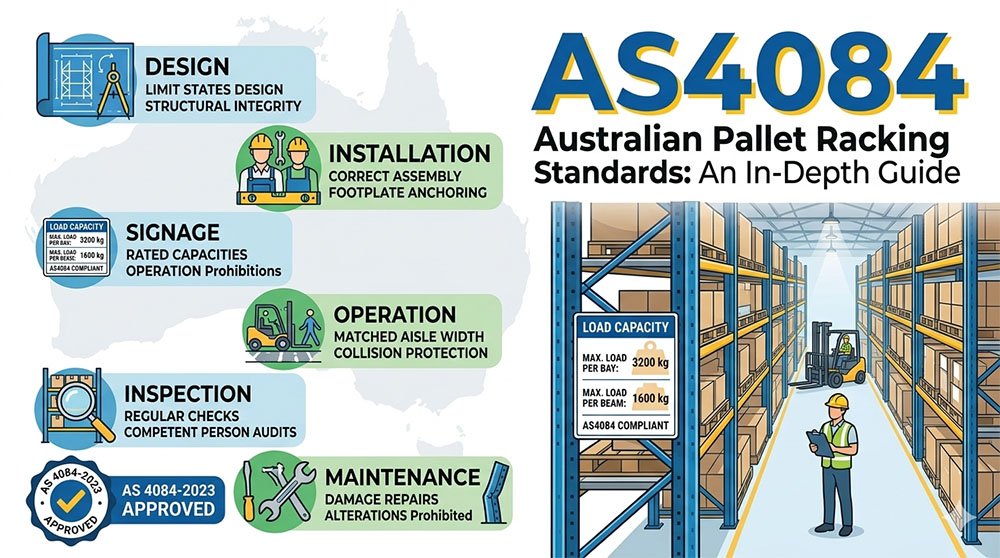
The Australian standard of steel storage racking systems is AS4084. It regulates engineering, safe use, inspection, and maintenance. Its primary role is to provide structural safety and rack collapse prevention. The standard also safeguards workers, inventory, and daily operations. It enhances uniformity and minimizes legal and financial liability. This standard is available in warehousing, manufacturing, retail, and logistics. It is also used in cold storage and import export facilities. These regulations aid in safer storage design and sound handling practices.

Why This Standard Compliance is Critical
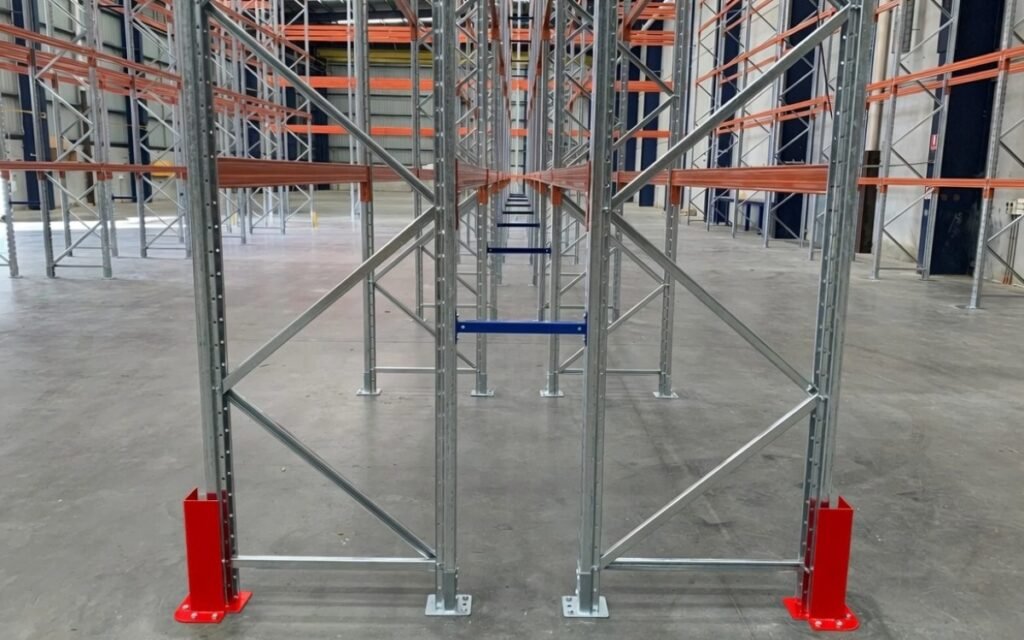
This standard compliance ensures the safety of workers by minimizing structural risks in the storage facilities. It enhances the stability of racking systems when subjected to massive operational loads. High compliance also eliminates expensive inventory damage due to instability or impact. Compliance with this standard allows companies to meet legal compliance, safety, and inspection requirements. It is capable of minimizing insurance claims associated with avoidable warehouse accidents. Above all, compliance assists in continuity of operations due to safer, efficient, and reliable storage systems.
Scope of AS4084 Standards: What Systems It Covers
Included Systems
This standards provide the safety of adjustable and fixed pallet racking in most commercial warehouses. It has selective systems of efficient pallet storage and easy access operations. Commonly, steel racks are made of cold-formed or hot-rolled structural steel members. Such systems need to be installed with a compliant design and inspected during installation and maintenance to ensure safe daily use in the warehouse.
Typical Configurations
Popular designs are single-deep racks with easy access to pallets, and dynamic layouts in the present day. The density is increased, and the direct pallet selectivity is slightly decreased in double-deep systems. The narrow aisle and high-bay racks help in efficiently utilizing the vertical space in busy storage facilities. Certain designed rack systems can also be installed in the framework of this standard, in case they are evaluated by the engineers according to the proper assessment.
Systems Beyond Core Scope
Light shelving and mezzanines tend to have different standards of structural compliance. Cantilever systems can require engineering that is specific to the project since loading patterns can be very different. Man-made storage systems might need verification outside the scope of this standard altogether. Today, you can only specify complete compliance requirements after automated storage systems require more standards. A related guide on Cantilever Pallet Racking vs Standard Pallet Racking gives more detail for this part of the planning work.
Evolution of Australian Racking Standards
The Australian racking standards have been developed over the decades of engineering and safety enhancements. The initial warehouse systems were based on simple engineering and a few structural calculation techniques. During the 1993 era, systems and regulations were more organized and documented. In Australia, AS4084 2012 steel storage racking system updated the design regulations of pallet shelving. The new engineering requirements and safety expectations were introduced in AS4084-2023. The development of standards was based on the increased warehouses, heaviness of loads, and complicated operations. Revisions were also precipitated by increased forklift traffic and legal requirements related to workplace safety. The practice today has changed to the lifecycle safety design for recertification.
AS4084.1 vs AS4084.2 — Understanding the Two-Part Standard
AS4084.1:2023 — Design
The AS4084.1:2023 is concerned with the structural design of pallet racking systems in Australia. It establishes engineering computations, choice of material, strength of members, and load capacity thresholds. The standard also outlines safety requirements of tolerances, frame stability, anchoring, and bracing. It encompasses seismic and structural aspects, where necessary, to ensure the warehouse’s performance is safe.
AS4084.2:2023 — Operation & Maintenance
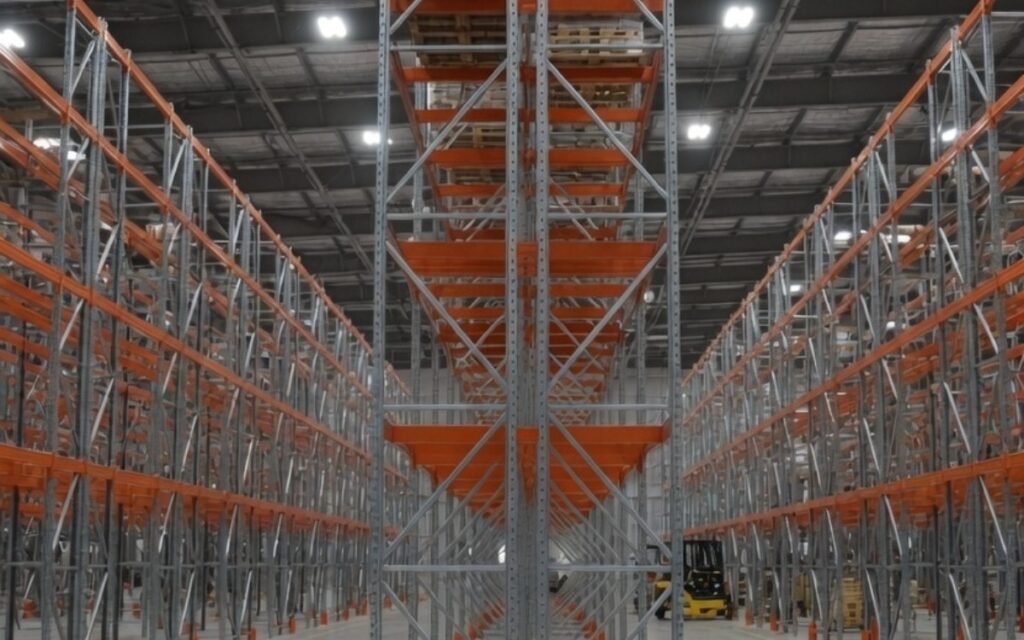
AS4084.2:2023 is about the safe use of racking systems during the day-to-day management of the warehouse. It outlines inspection, reporting of damages, repairs, and maintenance processes that are in progress. The standard establishes records retention, safety signs, and duties of users to comply with the requirements. It keeps you in safe operations by checking on the operations and taking corrective measures on time.
Why separation matters
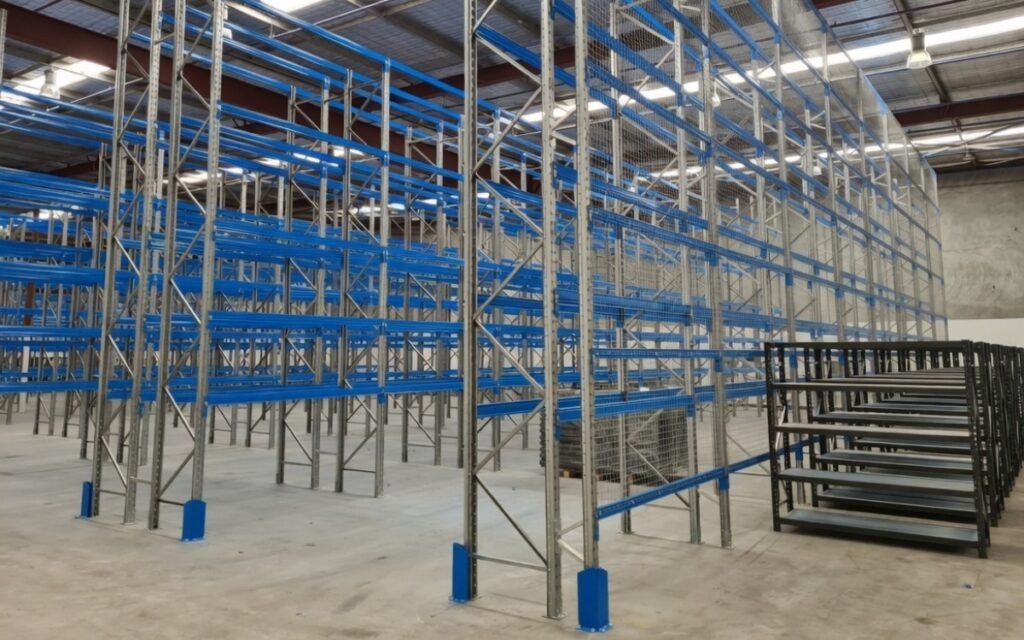
Separation is important as it helps to define tasks and enhance safety in racking system activities. Part 1 design requirements are handled by engineers, and Part 2 daily usage practices are handled by operators. Both sides are necessary to guarantee uniformity in terms of standards and regulatory alignment systems.
Key Concepts Beginners Must Understand
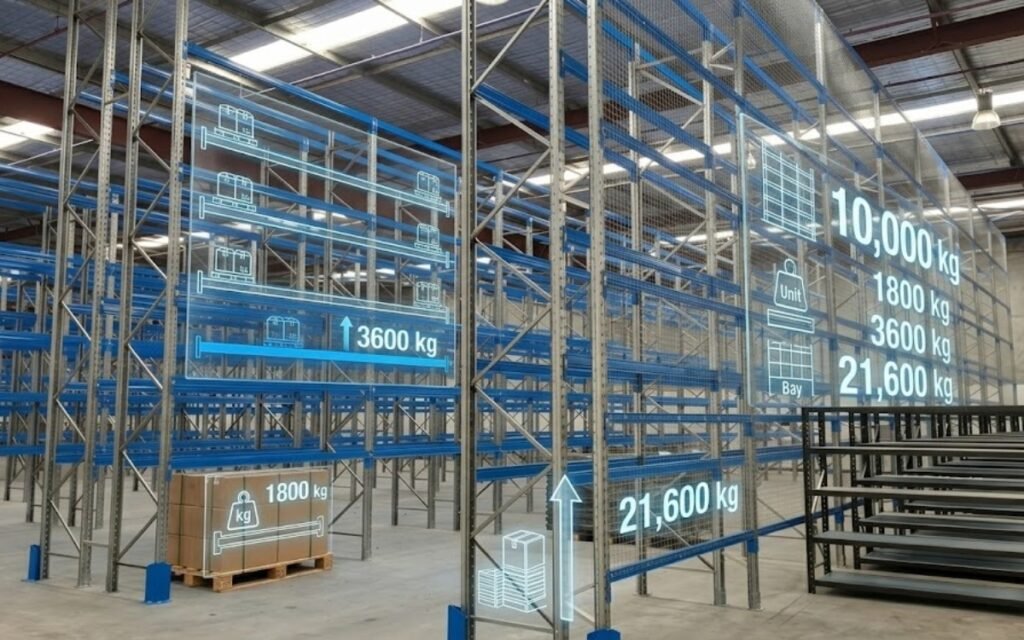
Working Load Limit (WLL)
Working Load Limit is a safe maximum load on a racking component. It contains unit load, beam load, and bay load limits. Anything more than WLL can lead to collapse, damaged products, and severe workplace safety risks to all of you.
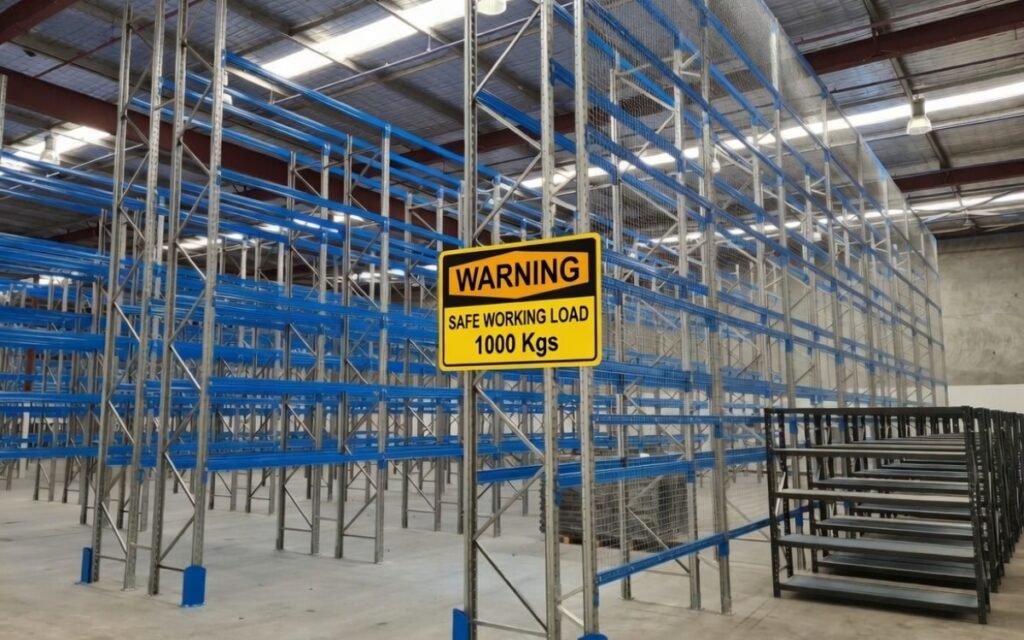
SWL / Load Signage
SWL racking systems have safe working load values that are clearly shown on signage. It displays beam capacity and upright limits that operators should adhere to. Prior to loading pallets, you should always inspect signage to prevent the risk of structural failure.
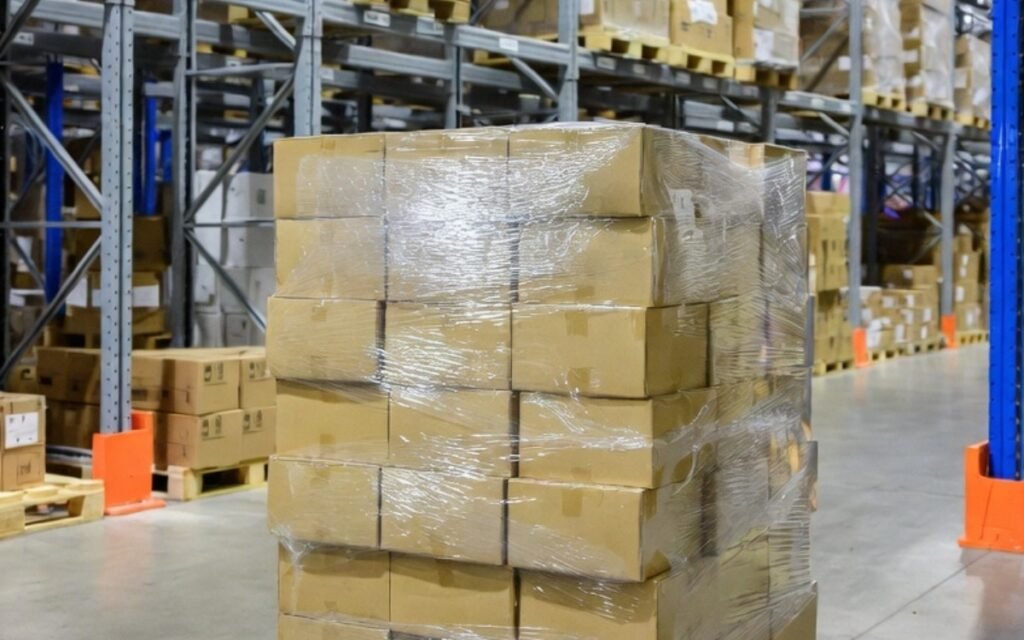
Unit Load
Unit load is a combination of pallet, product, and packaging into one transportable unit of storage. It standardizes the handling and enhances efficiency in warehouses when stacking and moving goods. Proper unit load design would guarantee safer racking performance and less damage. For a closer comparison, see Industrial Mezzanine Design.
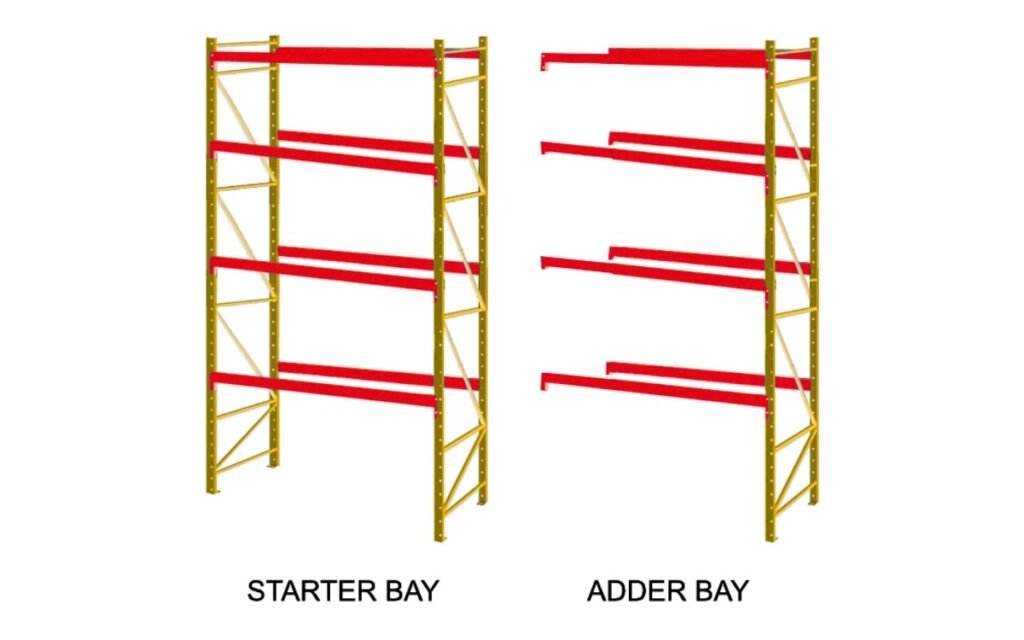
Bay
Bay is a vertical storage area between upright frames of racking. It specifies the pallet locations in a racking system structure plan. Overloading a bay should be avoided at all costs since it has a great impact on the overall stability of the racks and safety.
Beam Level
Horizontal storage surface supporting pallets in a racking system is at the beam level. It defines storage height choices and forklift accessibility to streamline forklift operations. Poor beam spacing minimizes safety and can lead to pallet collapses and dangerous occurrences.
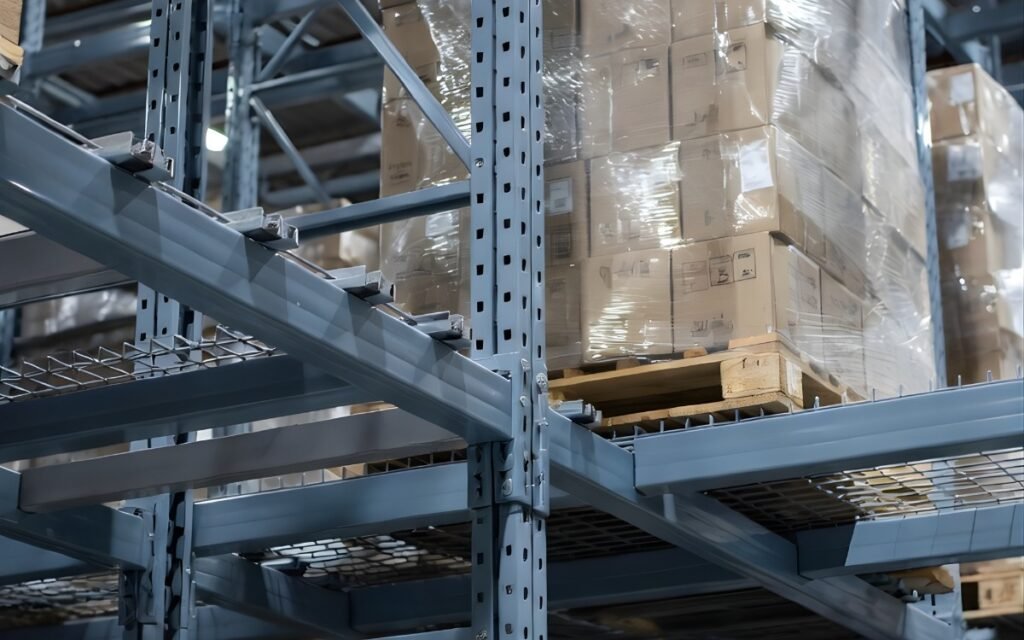
Uprights / Frames
Uprights or frames are uprights that support the entire load of the racking system. They use structural design to transfer the weight of the beams down to the floor. Broken uprights impair safety and must be inspected and replaced as an urgent action.
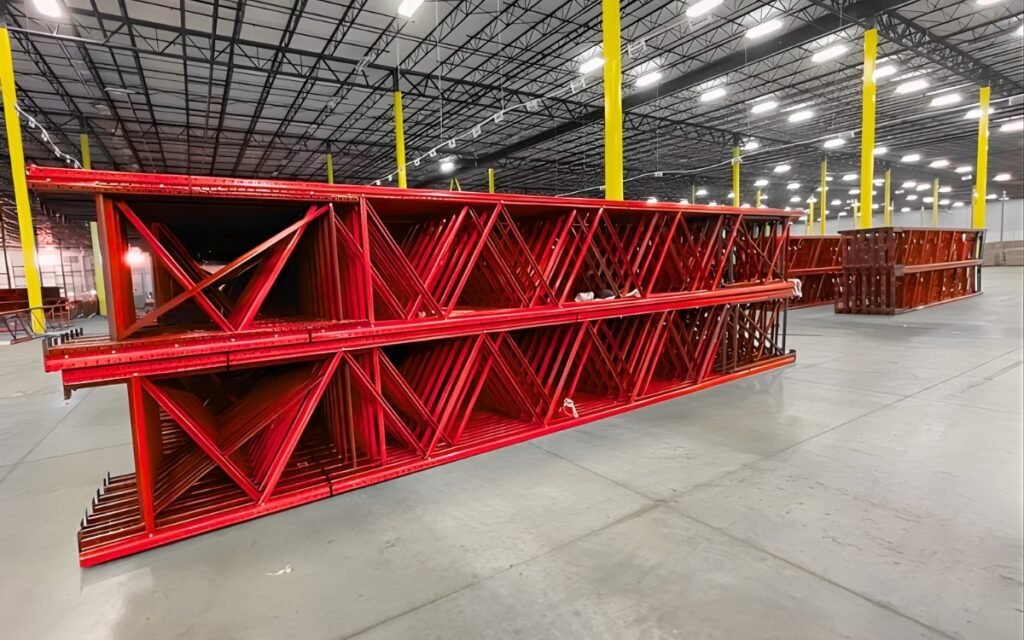
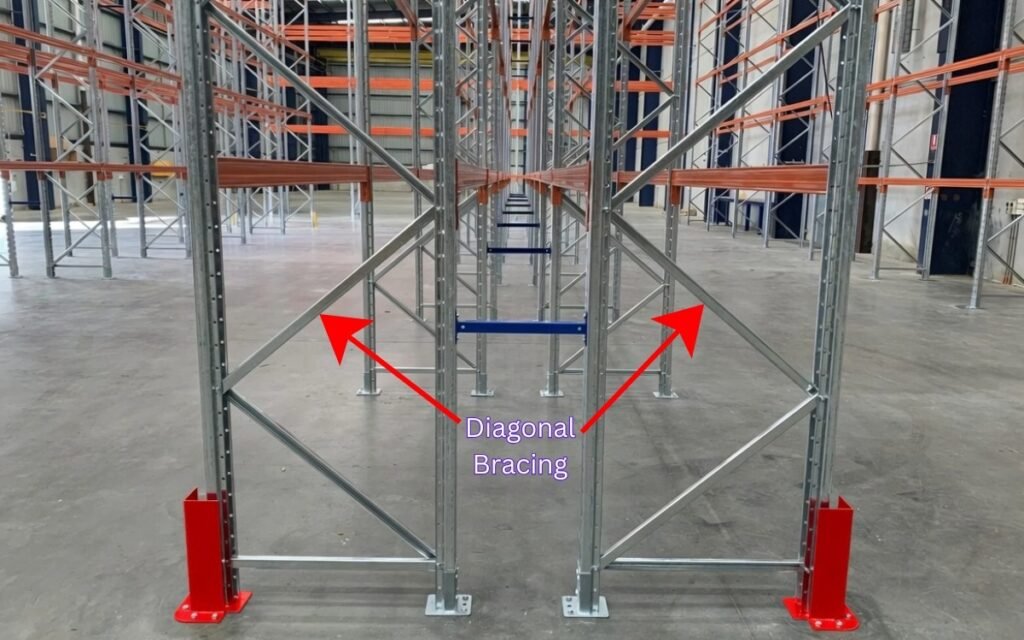
Bracing
According to the AS4084 pallet racking standard, Bracing ensures lateral stability and gives the pallet racking frame structure strength. It avoids deformation and remains straight during severe load conditions. Unless racks are well-braced, the dynamic forces of forklifts impacting on them can be taken seriously.
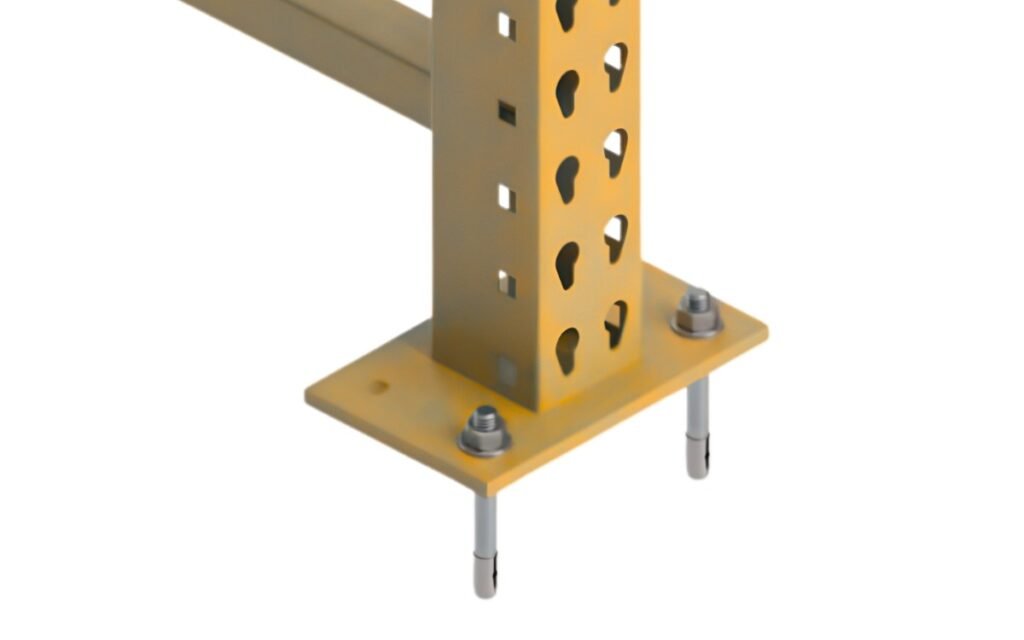
Floor Fixing / Anchors
Floor fixing anchors hold racking frames in concrete slabs of the warehouse. They stop the tipping and enhance structural resistance in the process of handling the loads. The anchors should be properly installed so that the safety and compliance standards are met at all times.
Operating Clearances
Safe movement of pallets and forklifts in aisles is provided by operating clearances. They consist of pallet spacing, beam clearance, and forklift turning space requirements. Sufficient clearance will cut collisions and enhance the efficiency of workflow within warehouses, which is always required.
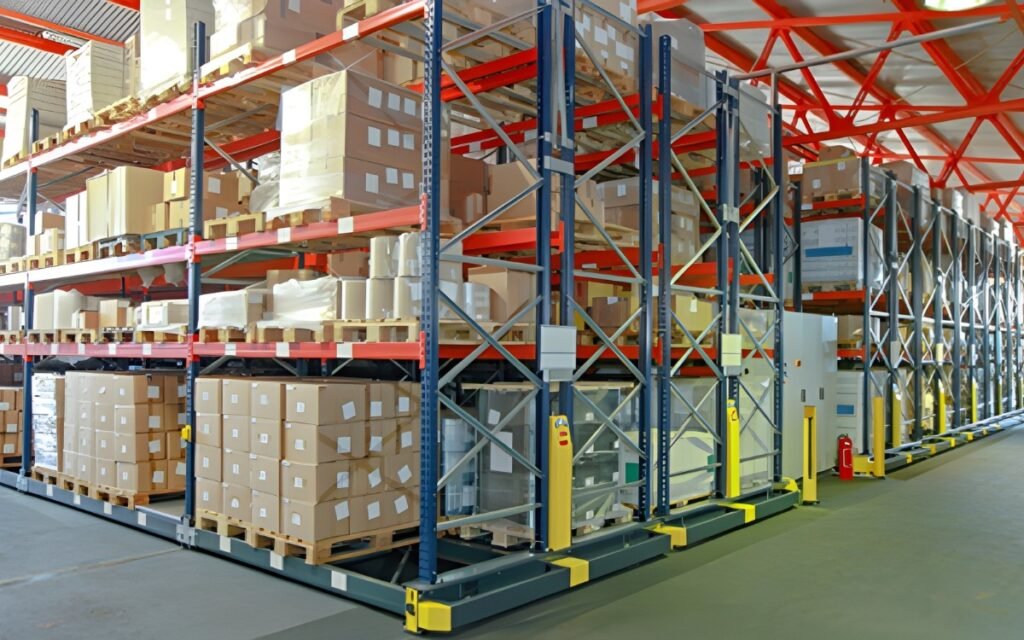
Who Is Responsible for This Standatd Compliance?
End User Responsibility
The main responsibility of this racking system compliance and continuous safety management is on warehouse operators. You should make sure that there is regular inspection, safe loading, and timely reporting of hazards. The constant inspection minimises risks and guarantees the structural integrity of the warehouse in the long run.
Manufacturer Responsibilities
Manufacturers supply important design information of this standard to comply with safe racking systems. They are required to provide manuals, technical specifications, and load capacity documentation to users. The correct information about manufacturers will eliminate abuse and increase the level of safety in the warehouse.
Installer Responsibilities
Installers guarantee the compliance of this standard by means of accurate racking assembly and alignment. They need to keep tolerances, find anchors, and beam locking systems. Correct installation will minimize the risk of structural failure and ensure safe operation in the warehouse on a daily basis.
Inspector Responsibilities
It is important to note that inspectors are crucial in the detection of AS4084 standards hazards and structural compliance. They assess the damage, wear, and record the results of damage in order to take corrective safety measures. Frequent checks are used to ensure safety and minimize the risk of accidents in warehouses.
Repair Contractor Responsibilities
When repairing damaged racking systems, repair contractors take care of the this standard-compliant techniques. They follow standard practices, reinstate structural integrity, and replace damaged parts with a lot of care. Proper repairs ensure that the systems do not collapse and that the performance of the systems in terms of the safety of operations in the warehouse is not compromised.
Management Responsibilities
The standard compliance in management is achieved by providing good safety systems and effective oversight. They also provide budgets, foster a reporting culture, and facilitate continuous maintenance programs satisfactorily. Training programs make staff familiar with safety procedures and enhance compliance levels to a high level.
The “Competent Person” Explained
The Competent Person is a person who has training, qualifications, experience, and technical knowledge. They deal with design issues, formal inspections, repairs, and maintenance control of racking systems. They know structural mechanics, rack brands, damage assessment, repair techniques, and compliance requirements. Competency guarantees proper judgment and minimizes safety risks in any storage operations. The unqualified advice poses a greater risk, and professional supervision ensures system integrity and reliability. Technical responsibility decisions are made by competent persons, and the instructions are adhered to by trained workers. This difference promotes the safe compliance results.
Rack Inspections Under Australian Standards AS4084
Inspections are mandatory standards due to impact damage, fatigue, corrosion, overloading, and unauthorized modification. During compliance checks, inspections enable the maintenance of safe racks in your daily operations in the warehouse. They assist you in avoiding accidents, saving money, and ensuring structural integrity over time.
Informal Inspection Practices
Informal inspections are conducted daily, weekly, and according to risk assessment routines. These inspections spot apparent damage, overloaded beams, and a lack of safety locks promptly. During the inspections, operators should also seek pallet stability problems and damage on the floor.
Annual Inspection Requirements (Formal)
Under this standard compliance rules, formal inspections must be done after every twelve months. Only a qualified inspector should carry out these inspections, and he or she should be competent and trained. A documented report is crucial in capturing findings and necessary corrective actions clearly documented.
Facility Frequency of High Risk
The level of inspections for high-risk facilities is usually higher than the normal warehouse requirement level. This can be six checks per month based on the conditions of load and intensity of use. Frequent inspection can ensure safety standards and that the risks of structural failure are kept under control.
High Rack Inspection Regulations
Racks higher than eight meters need special inspection procedures and equipment safety procedures. Safe inspection procedures require access equipment such as lifts or platforms. You should make sure that accepted procedures are used to ensure that the accuracy and safety of the inspection are maintained.
Informal vs Formal Rack Inspection
| Inspection Type | Who Performs It | Frequency | Main Purpose |
| Informal | End user / nominated staff | Daily / Weekly | Spot visible issues |
| Internal documented checks | Supervisor / safety team | Monthly / scheduled | Condition monitoring |
| Formal inspection | Competent person | At least every 12 months | Compliance audit |
| High-risk formal inspection | Competent person | More frequently if required | Risk reduction |
What Inspectors Look For?
Structural Damage
Bents, dents, twisted columns, cracked welds, and connector damage are inspected on-site by inspectors. During inspection checks, you must ensure that the racking does not deform or have any concealed structural weaknesses.
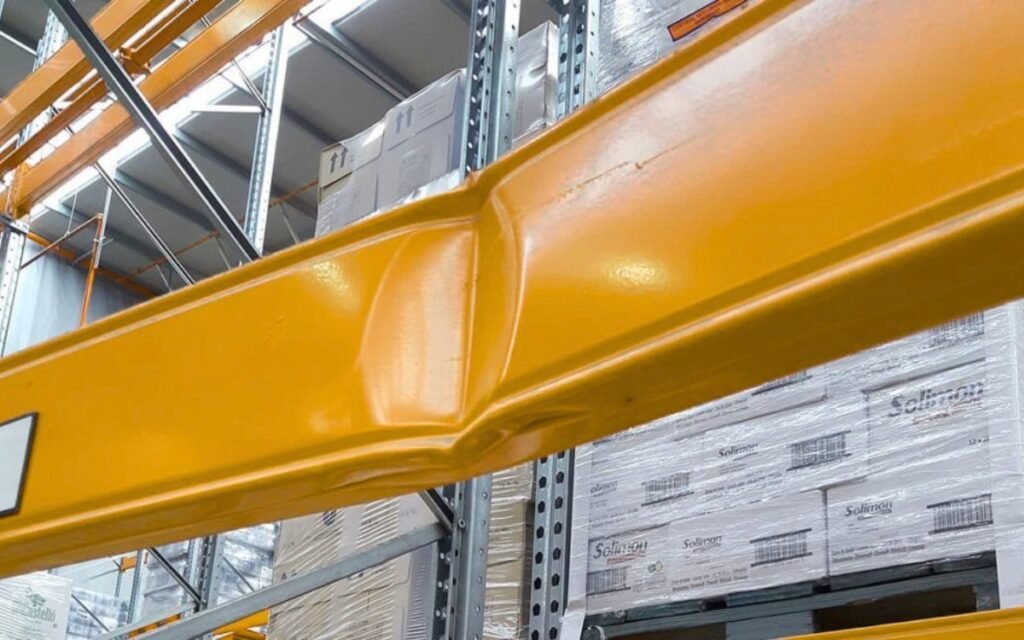
Beam Issues
The inspectors detect beam deflection, disengagement, and missing safety locks on the overall racking stability performance safety. Before the start of operational use, you should ensure that beams are locked and secure before the start of each shift.

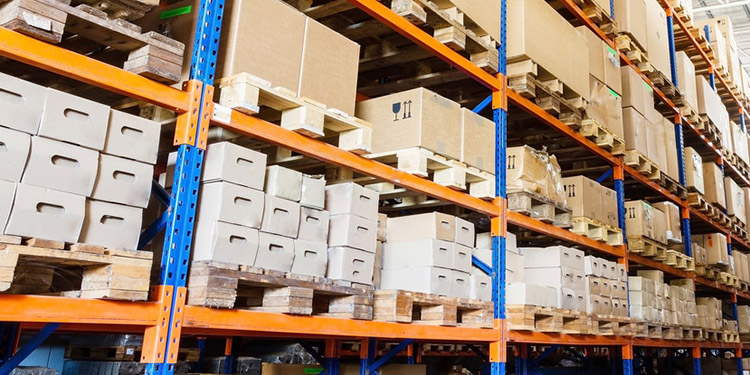
Baseplate Issues
Inspectors inspect loose anchors, broken slab, and absent fixings that endanger the integrity and safety of the baseplate. Baseplates should always be checked to ensure they are well fixed so as to avoid racking instability during operations.

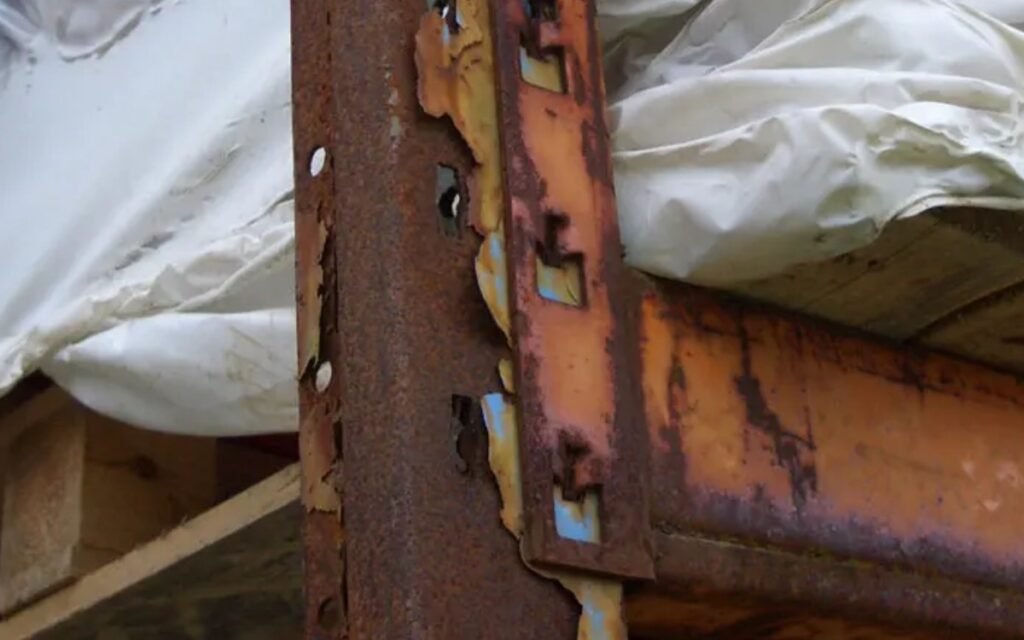
Corrosion
Rust and coating deterioration that undermine the strength of steel over time in AS4084 steel storage racking systems are detected by inspectors in storage areas. Early correction of corrosion should be done to ensure structural integrity and compliance with long-term safety conditions.
Alignment
Out-of-plumb racks and unexpected movement are inspected by the inspectors in terms of the overall system performance, safety, and its accuracy in storage alignment. When inspections are done, you should ensure that racks are in alignment to prevent operational risks and accidents.

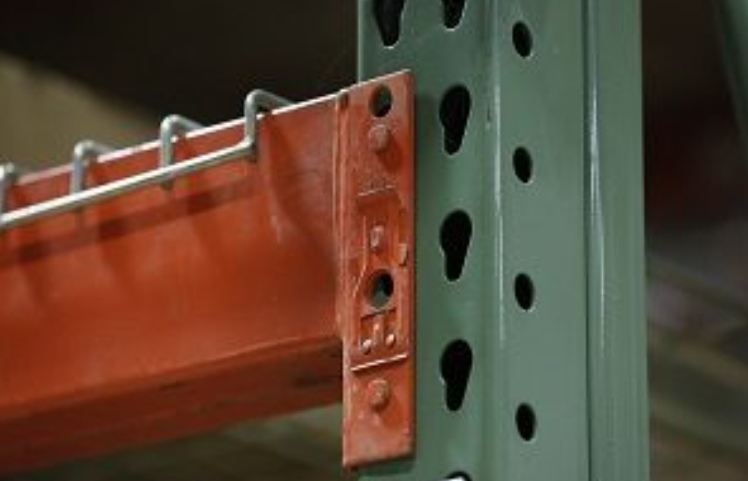
Unauthorized Changes
Inspectors indicate flagged members, welded modifications, and modified elements that violate compliance requirements of design safety standards. You must not make illegal amendments that compromise the integrity of the tracking and certification validity requirements that are always verified.

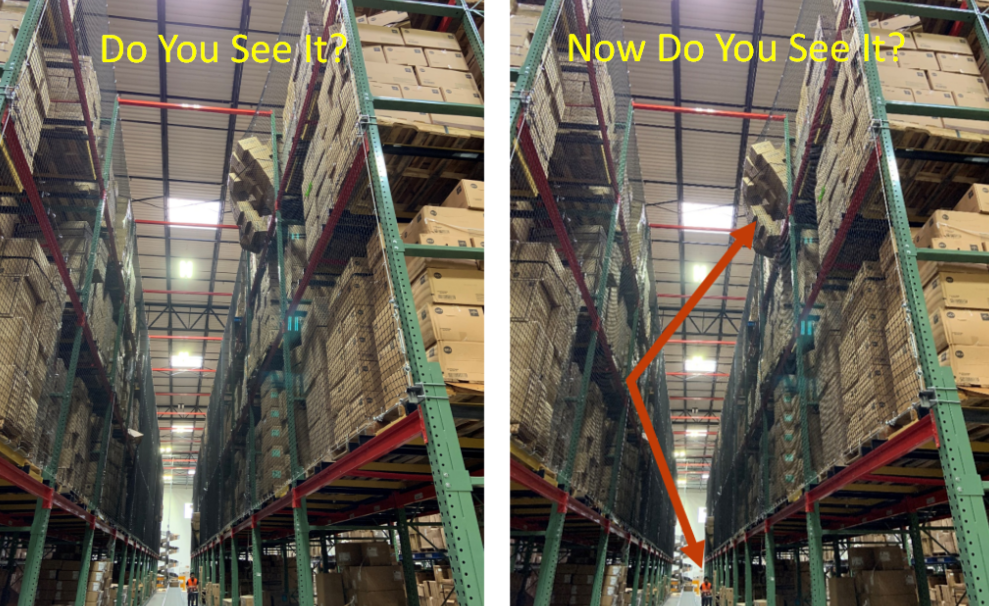
Missing Protection
The inspectors check the absence of guards, barriers, mesh, and anti-collapse measures that decrease the level of workplace safety risk. Always make sure that protective systems are not removed to avoid accidents and load failures.

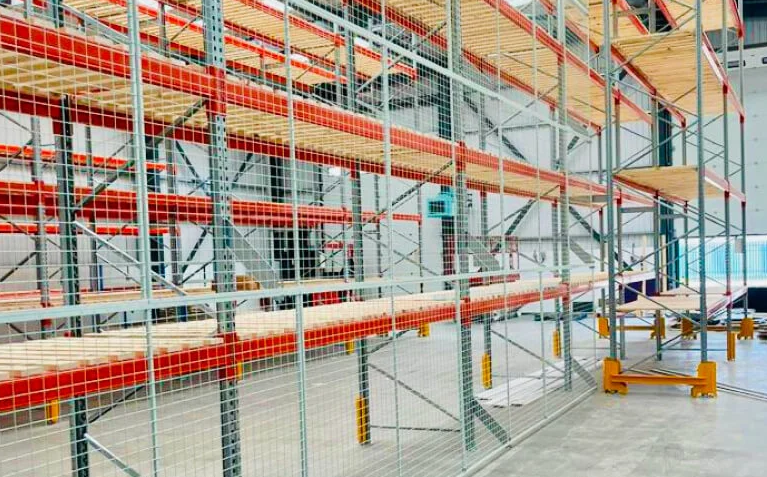
Signage Problems
Missing, damaged, unreadable, and outdated signage that impacts the standards of visibility compliance of safety communication are checked by the inspectors. Safe warehouse navigation should always enhance worker safety by making signage clear and up to date.

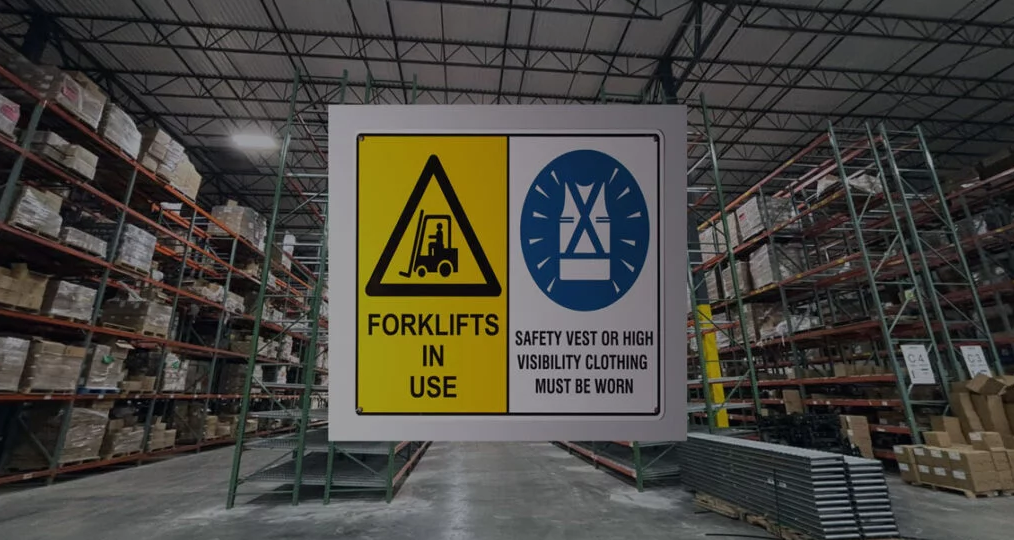
Racking Damage Classification
Green Damage Classification
Green level means that there is a good racking condition that needs regular check-ups to maintain safety on a regular basis. Minimal damage, you should still examine racks when it is time to do a scheduled workplace safety check. Keep on with normal operations, but be vigilant of any structural changes over time.
Amber Damage Classification
Amber classification means that there is hazardous damage that needs immediate corrective measures before the damage becomes worse. Do not neglect amber signs; you need to plan an inspection and a temporary load cut. Inability to respond promptly contributes to the high risk of rack deformation and operational hazards.
Red Damage Classification
Red classification is an alarm of a severe structural threat that needs urgent intervention to save the workers before it is too late. Unload racks ensure that affected areas are isolated and that operations are halted until the repair is done on the spot. Emergency reporting will give you the assurance that you are not on the verge of collapse and that the standards of compliance at the workplace are being adhered to.
Load Signs & Signage Requirements
Signage and load signs enhance the safety and operational transparency of racking in warehouses. The adequate signage will eliminate the guesswork on the part of operators and will limit the number of overloads on the daily material handling. Signs convey the maximum unit load, beam capacity, bay capacity, and structural design. They also show the manufacturer information and installation guidelines to comply with and trace. Good signage is long-lasting, permanent, corrosion-resistant, plainly visible, and easily readable. This guarantees uniform safety performance in all storage and warehouse activities.
How to Achieve AS4084 Racking Compliance – Step-by-step
Step 1: Conduct Initial Inspection
Starting with a preliminary inspection of pallet racking systems in your facility today. Firstly, it is necessary to identify apparent damage, misalignment, and load concerns to determine the current compliance with this standard.
Step 2: Hire a Qualified Inspector
Today, employ a professional inspector who understands this standard to assess the safety of racking requirements. Before the assessment begins, make sure that the inspector has the appropriate certifications and is familiar with the local warehouse safety regulations.
Step 3: Review Compliance Report
Read the compliance report given by the inspector carefully today so as to have a clear understanding of all structural risks identified. Cross-reference results with these standard requirements and observe areas that require urgent corrective measures to be meticulously followed.
Step 4: Rectify Identified Issues
Immediately begin correcting known defects like broken beams or overloaded racks. Strictly adhere to engineering recommendations to restore the stability of racking and make the workplace environment entirely safe.
Step 5: Install Proper Signage
Put clear safety signs on racks stating the limits of loads and operational guidelines that are easily noticeable at all times. Before using racking systems in their daily usage, ensure that all workers can easily view and interpret signage.
Step 6: Train Staff
Regular training of all warehouse personnel on compliance with safe rules of this racking standard is now effectively done. Carry out practical training to minimize risks and enhance operational awareness levels at a significant level in facility operations.
Step 7: Maintain Documentation
Keep proper records of inspections, repairs, and compliance reports to enable future audits to have well-organized records. Always have all records safely stored and be able to access them easily when needed in order to have them inspected by the regulatory bodies.
Step 8: Schedule Ongoing Inspections
Plan periodic checks to maintain constant compliance of standard and structural safety assurance during operations. Establish routine check-ups with competent individuals to avoid future racking breakdowns effectively and safely.
Benefits of Following Australian Standards AS4084
- Safety
- Lower collapse risk
- Reduced downtime
- Better insurance standing
- Stronger legal compliance
- Longer rack life
- Improved operational discipline
- Better warehouse planning
- Lower total cost of ownership
Common Compliance Mistakes to Avoid
- Ignoring Minor Damage: Even small damage may not be taken seriously and may end up compromising the structural safety of the warehouse racking in the long run. The consequences are the risk of collapse and expensive repairs in case damage is not observed during the years.
- Overloading Racks: Overloading racks lowers stability, and the risk of sudden collapse is likely to arise. Overweight beyond design causes stress on beams, and the destruction of the integrity of whole systems in a short time.
- Missing or Old Signage: Absence of signage creates disorientation and unsafe working conditions in warehouses on a daily basis. Old signs do not convey the latest load limits and hazard areas with clear signs.
- Unauthorized Modifications: Illegal alterations undermine the racking systems and break the safety compliance regulations that are strictly followed. Even minor changes can create an imbalance and result in structural failure, and events will take place.
- Skipping Annual Inspections: Failure to conduct annual inspections enhances the chances of undetected damage and system failure problems. Frequently checking them is a way of ensuring compliance and early detection of problems before accidents occur.
- Poor Documentation Practices: Lack of proper documentation makes tracking compliance challenging and is always plagued with errors. Audits and safety accountability over time standards require accurate records.
Why Choose Mracking for AS4084 Racking-Compliant Storage Solutions
The selection of the appropriate storage racking partner is a key factor in ensuring compliance with AS4084 safety and operational requirements. Mracking has 16 years of experience in the industry, integrating engineering, certified manufacturing, and custom warehouse design to provide reliable storage systems that are designed to operate over the long term. Mracking offers customized solutions such as selective pallet racking and drive-in racks, mezzanine floors, and high-density shuttle systems with CAD planning, quality materials, and installation advice. It has made compliance-oriented warehouse planning more efficient, practical, and cost-effective with its ISO 9001-certified factory, experience in global projects, and end-to-end service. This point also connects with Drive in Racking vs Drive Through Racking. For broader industry context, Rack Manufacturers Institute (RMI) is a useful reference.
Conclusion
AS4084 is essential in providing safe, reliable, and compliant warehouse racking systems in Australia through strict standards in design, use, inspection, and maintenance practices. It focuses on safety at the workplace, structural integrity, and legal responsibility, assisting companies to avoid accidents, minimize financial risks, and ensure efficient operations at the warehouse through regular compliance measures. By being proactive in inspection practices and good documentation, companies can remain in compliance, and solutions such as Mracking can support safe, durable, and the standard-compliant warehouse storage systems to meet long-term reliability criteria.