

What is Live Pallet Racking?
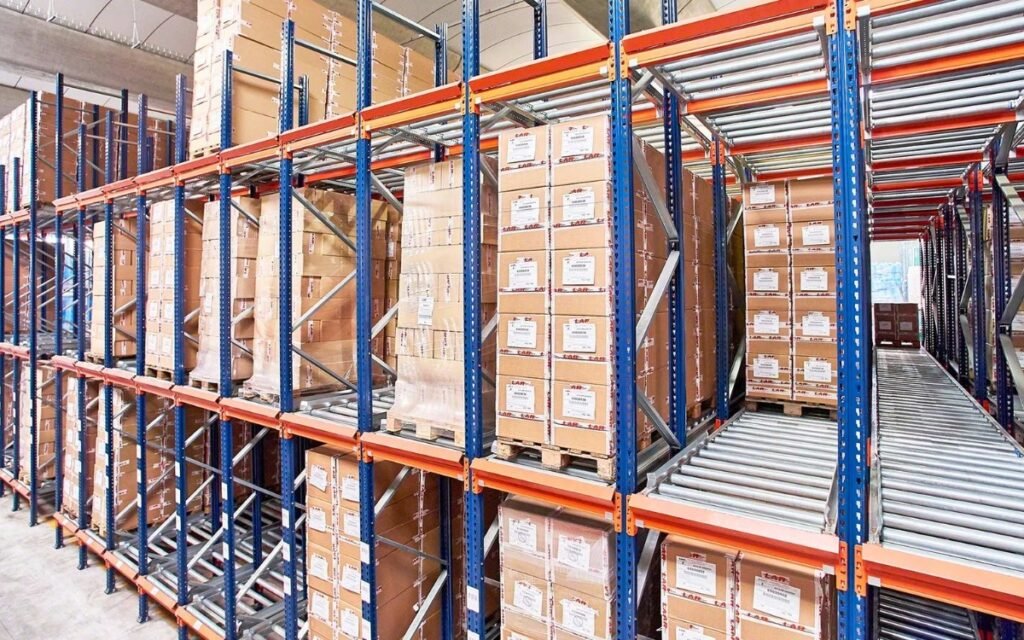
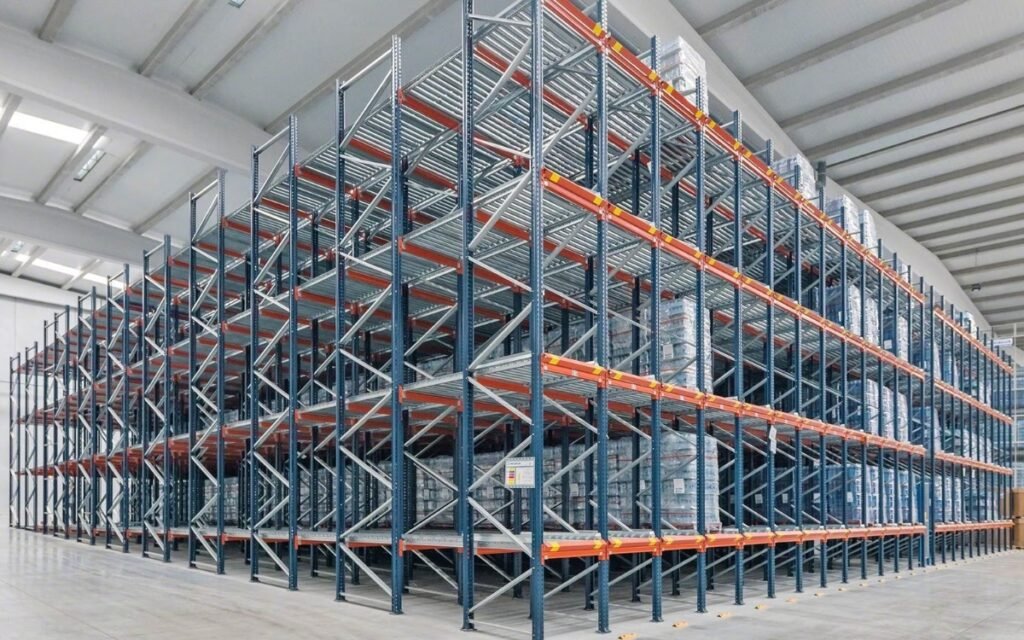
The use of pallet live racking depends on the gravity to move pallets in the storage in an efficient and safe manner. The shelves are equipped with inclined roller lanes, which allow the pallets to flow forward easily. It has rollers in lanes that sustain constant pallet flow within the system. Pallets are loaded at the loading end and unloaded at the unloading end with the help of gravity only. Single SKU is kept in each lane to provide order in the density inventory control system. The loading is done at rear side and picking is done at front zone. System allows automatic flow and quicker rotation unlike the case with static racking. For product-level details, review Gravity Flow Racking.

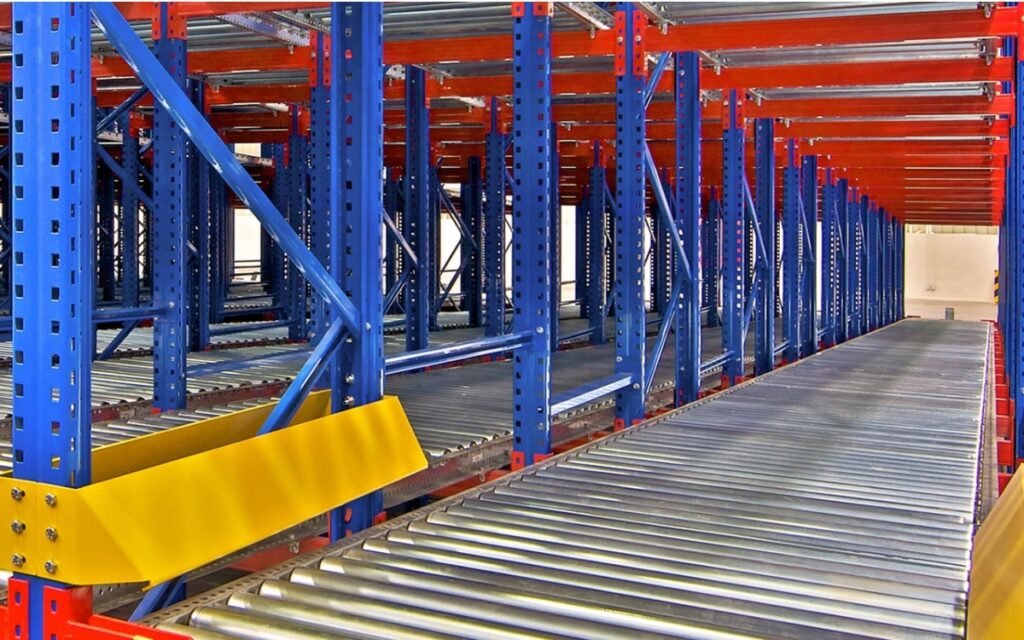
How Pallet Live Racking Works (Step-by-Step)
Step 1: Pallet Loading via Elevated Entry Side
You unload pallets with the help of forklifts safely and carefully on the elevated entry side of the racking system. This entry point facilitates a free flow and orderly preparation of storage to facilitate goods handling process. Here you commence safe systematized pallet positioning.
Step 2: Movement under Gravity by Roller Beds
The racking lanes system design involves the movement of pallets with gravity along inclined roller beds. This system will minimize manual work and maintain ongoing process flow of efficiency improvement of the stock movement. Pallets always fall naturally down the slope of gravity.
Step 3: Brake Roller Control
To effectively and safely prevent the damage and accidents, pallet speed in descent is regulated with the help of brake rollers. This system keeps safe distance between pallets and stability of the flow of operations. You are here always benefited by controlled movement.
Step 4: Pallet Flow to Unloading End
Pallets are moved until unloading end to access goods conveniently and safely with ease. This endpoint enables quick access and enables high throughput warehouse operations management flow. You gather pallets at exit point.
Step 5: Opposite Side FIFO Retrieve Logic
FIFO system guarantees that the first loaded pallets are first taken out of opposite side workflow accuracy. This is a way of enhancing the turnover of inventory and minimizing the risk of product expiration in the storage management. Stock movement is easily maintained here. A related guide on FEFO gives more detail for this part of the planning work. For broader industry context, Inventory is a useful reference.
Key Features of Live Pallet Racking Systems
- High-Density Storage Capability: High-density storage is the most effective way to make the most of the warehouse area. It enables pallets to be stacked in small spaces, minimizes the aisle space, and enhances the use of inventory in high-traffic distribution centers overall efficiency.
- Gravity-Driven Movement: Pallets are pushed evenly down by gravity driven rollers. This system will remove the usage of electricity and lower the cost of operation and still allow constant flow of products in warehouses efficient system.
- Safety Controlled Pallet Flow: Controlled pallet flow helps avoid unexpected impacts during movement. Braking systems control speed and guarantee safe handling and reduced product damages in high volume storage spaces areas.
- Single SKU Per Lane Configuration: Single SKU per lane guarantees a well-organized inventory. All the lanes hold the same products that enhance picking accuracy and minimizing mistakes in high-paced operations in the warehouse in a significant manner.
- Standard Forklifts: Compatible with standard forklifts to allow easy loading and unloading. Without specialized equipment, forklift operators are able to easily reach lanes, enhancing the efficiency of workflow in warehouses smooth operation.
- Flexibility in Pallet Sizes and Loads: Flexible design can support pallet sizes and loads of different weights. System flexibility helps in meeting various warehouse requirements that guarantee consistent movement and efficient storage in various industries sectors.
Structure and Components of Pallet Live Racking
Frames and Uprights
The vertical structure consists of frames and uprights that hold the whole pallet live storage racking system in a safe manner. They are stable, aligned and strong, giving you the opportunity to store heavy pallets effectively every time.
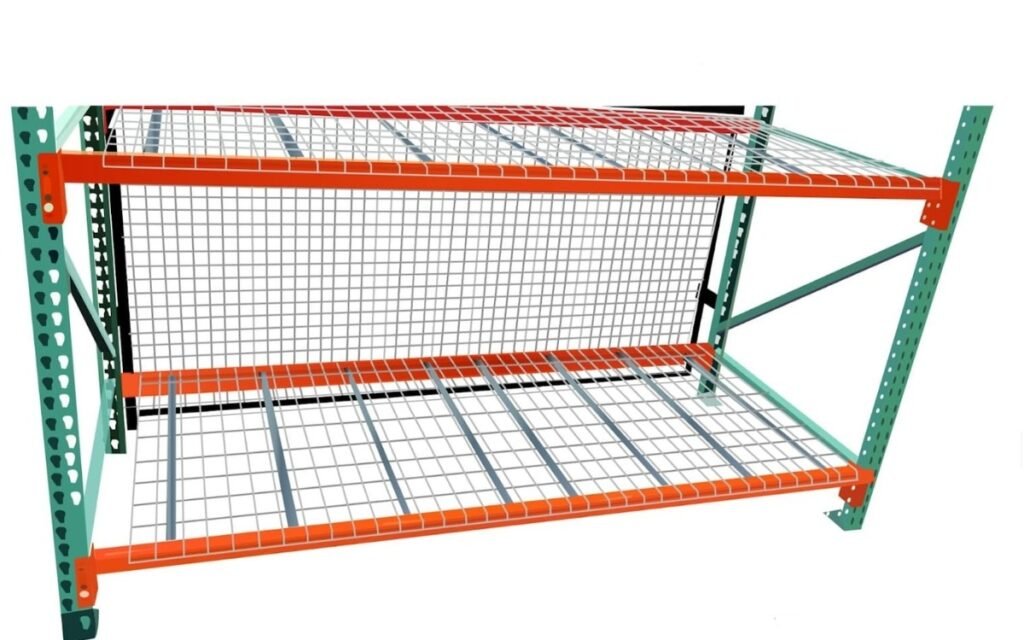
Load Support Structure Beams
Load support structure and beams safely distribute weight across pallet racking system levels evenly. Frames are interlocked with beams which make them secure and offer high load capacity and avoid structural deformation when in use.
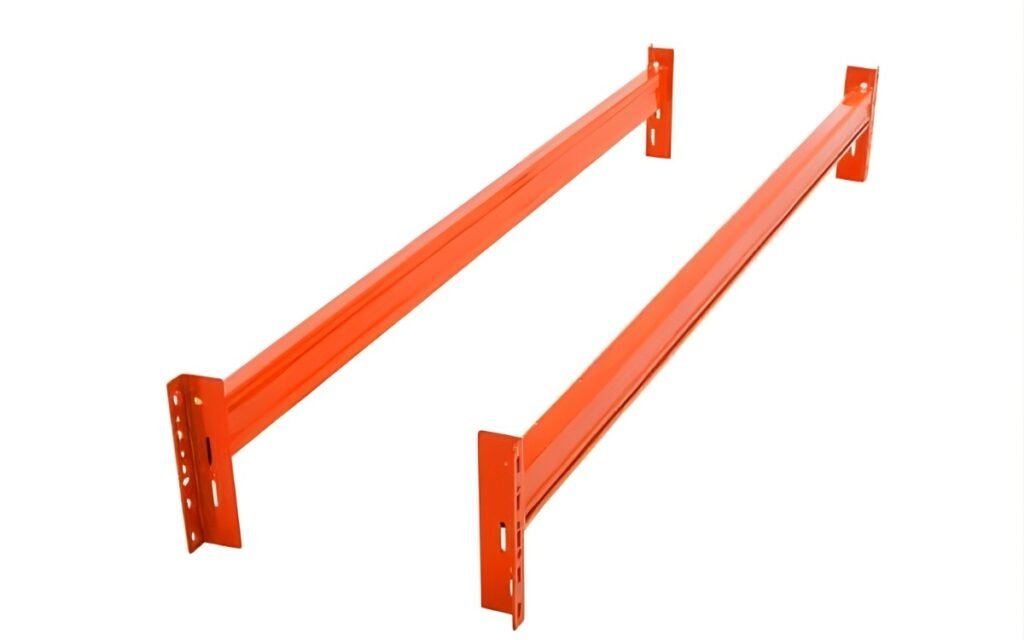
Roller Beds
Roller beds facilitate the efficient movement of pallets in the system through the storage lanes by gravity action. These rollers minimize handling and thereby make it much easier and quicker to transfer goods.
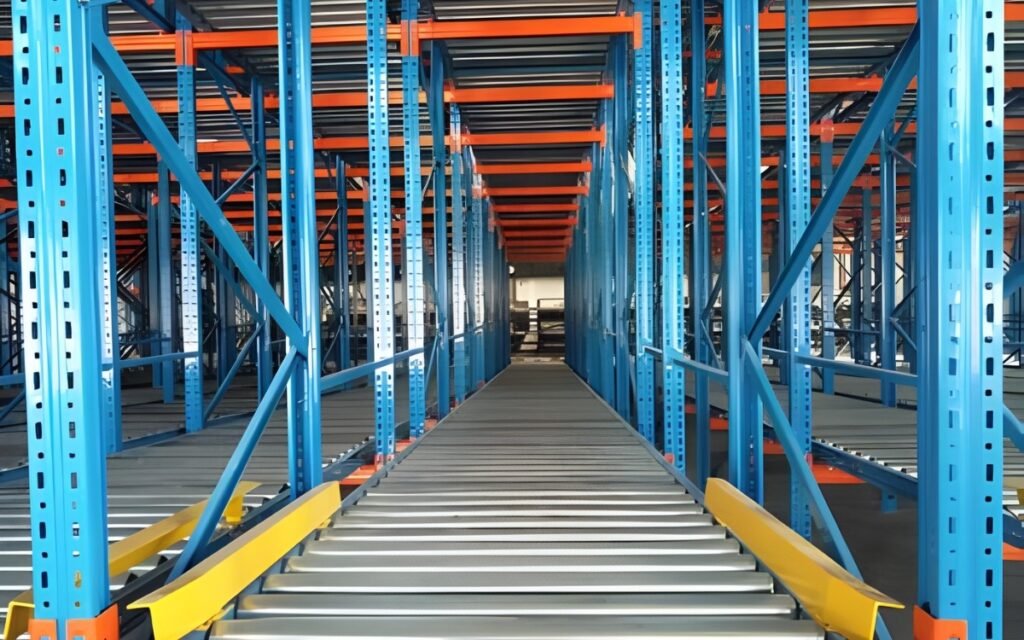
Brake Rollers
In the design of the racking system, brake rollers regulate the speed of the pallet by moving it down angled lanes. They avoid collisions by controlling flow as they provide safe and controlled movement of pallets during operation.
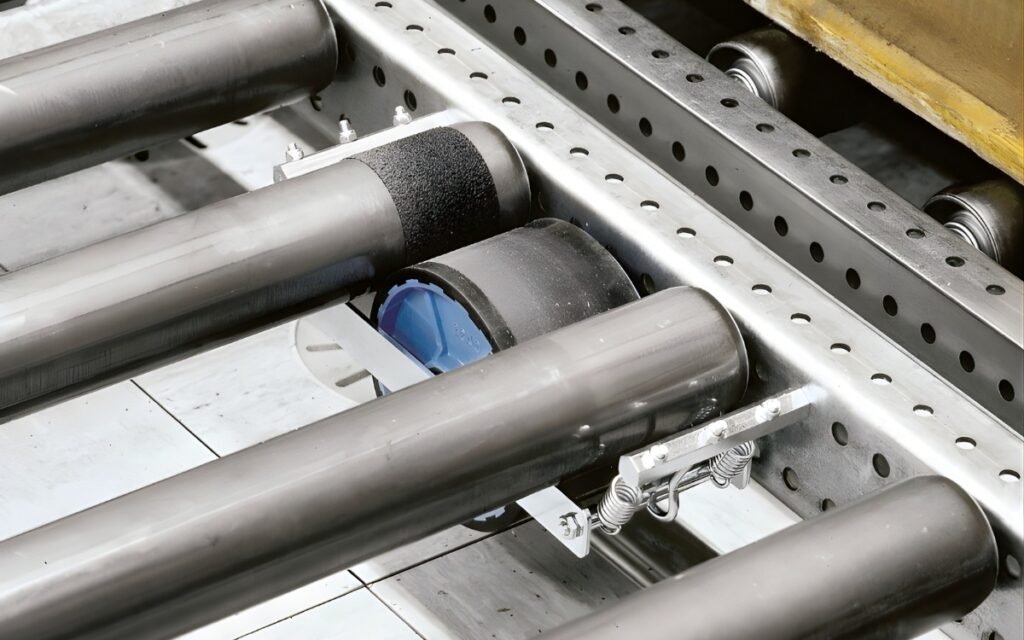
Pallet Backstops
Pallet backstops ensure that pallets do not slide past the end of roller bed lanes in an unsafe manner. They secure stored items and enhance security in loading and offloading processes in a consistently reliable manner.

Pallet Retainers
Pallet retainers assist in balancing the pressure between pallets when in motion in lanes within the storage system. They make pallets stable and minimize the risk of shifting and enhance the overall efficiency of storage in a very great manner.
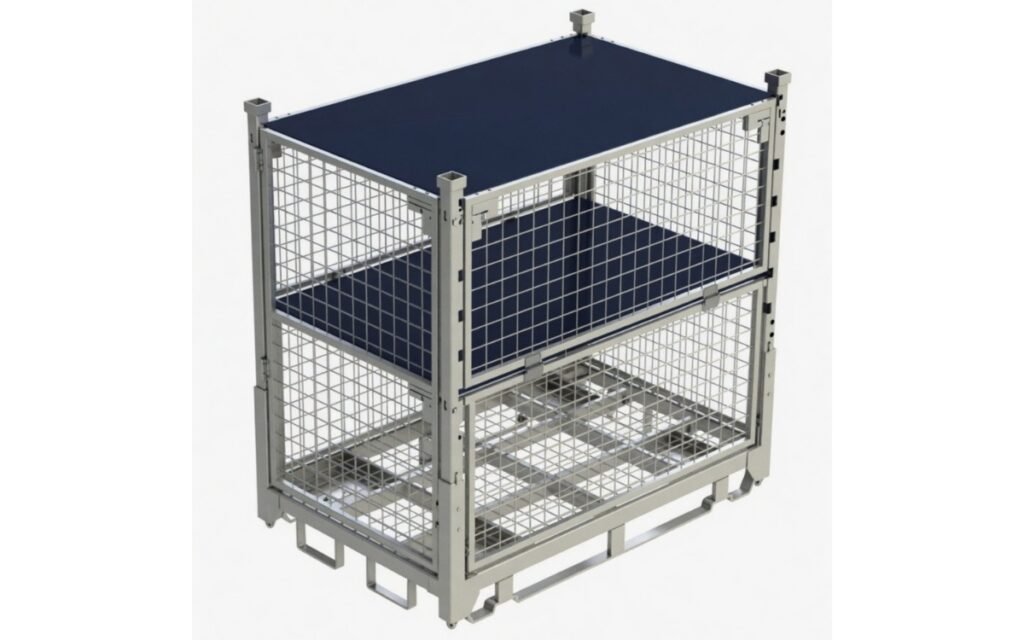
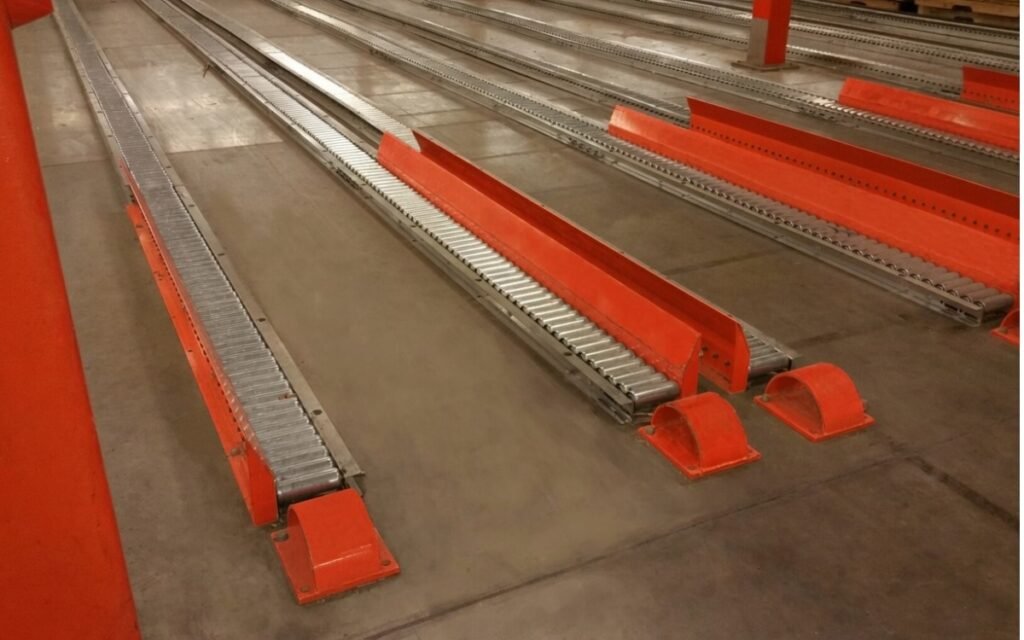
Pallet Guides
Pallet guides ensure that pallets are well positioned as they enter roller beds in racking system safely. They minimize the chances of misalignment, and make it easy to load pallets without any damage during loading, which happens over and over again.
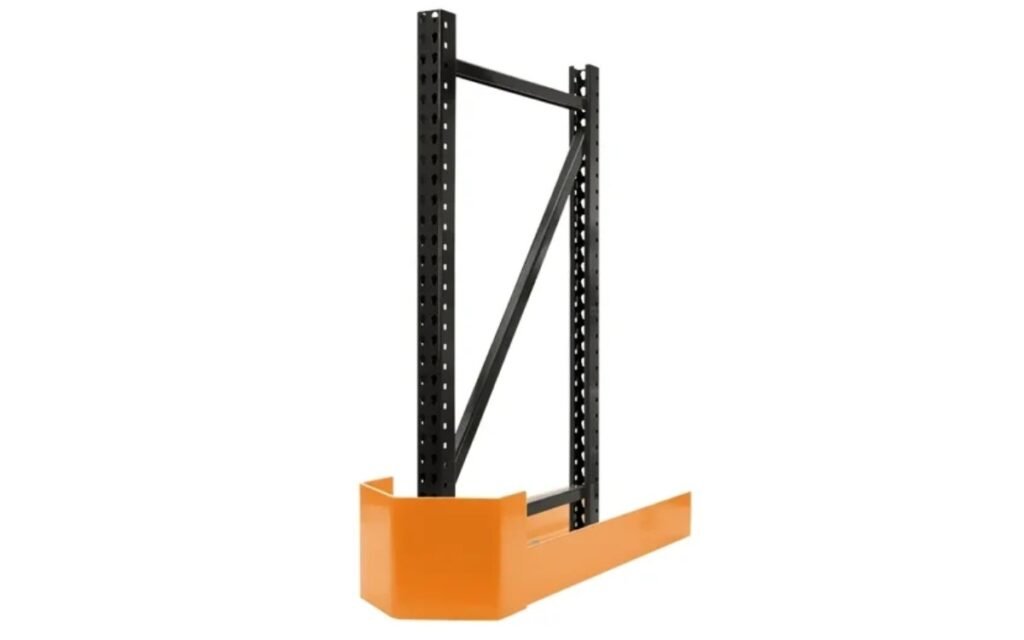
Protective Elements
Defensive features such as impact guards to protect frames and uprights against forklift collisions are effective and reliably so. They enhance safety and increase the lifespan of racking systems by minimizing the risk of structural damages in general.
Types of Live Storage Systems
FIFO Live Pallet Racking
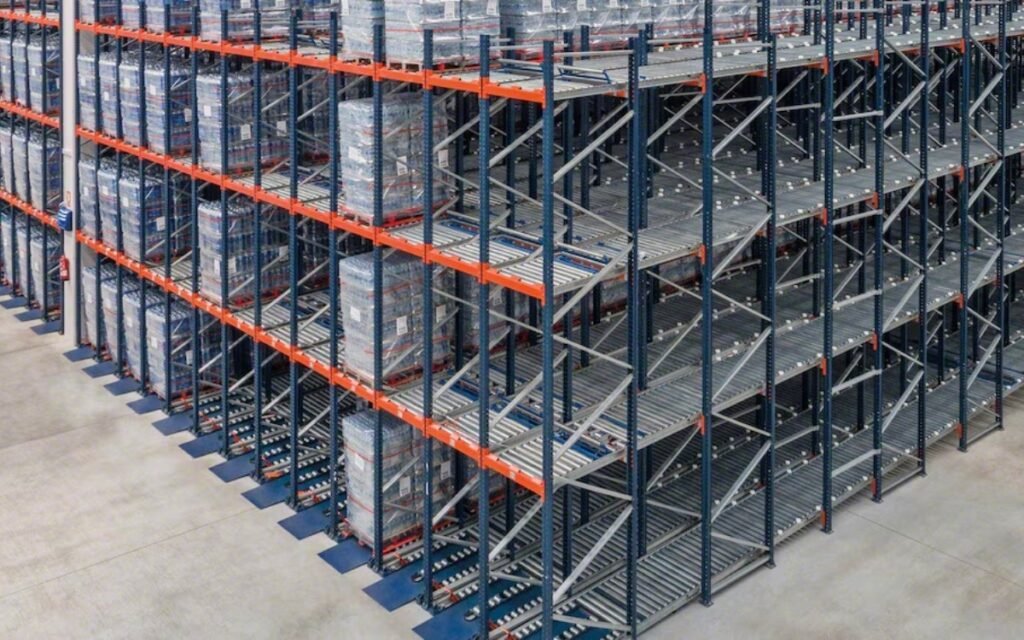
FIFO Pallet Live Storage Racking incorporates dual aisle system in controlling the flow of warehouses. You load and unload pallets at the same end at all times. It guarantees the ease of rotation of goods hence it is suitable in perishable inventory management. This system enhances the freshness of the stock and minimizes the risk of products going out of date in the warehouse. For a closer comparison, see Comparison of FEFO and FIFO Inventory Management.
Push-Back Racking (LIFO System)
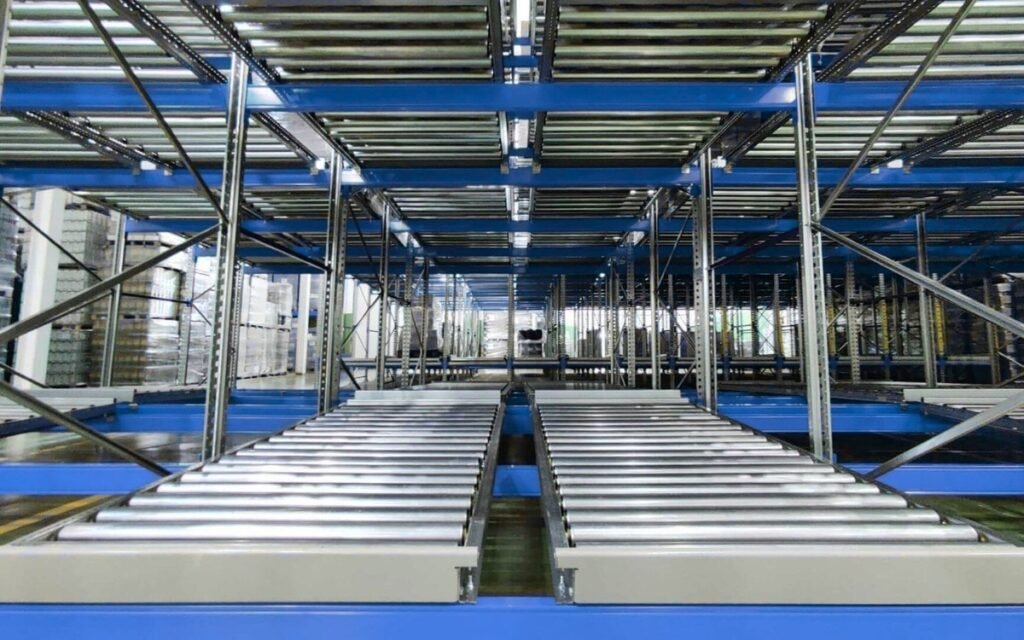
Push Back Racking is a LIFO system that is powered by inclined roller tracks. You are loading pallets in front and older stock will automatically move deeper. This system is space saving and minimizes the aisle requirement. It is best suited to the high density storage locations and is more effective in general in utilizing the limited space in a warehouse.
Hybrid and Custom Configurations
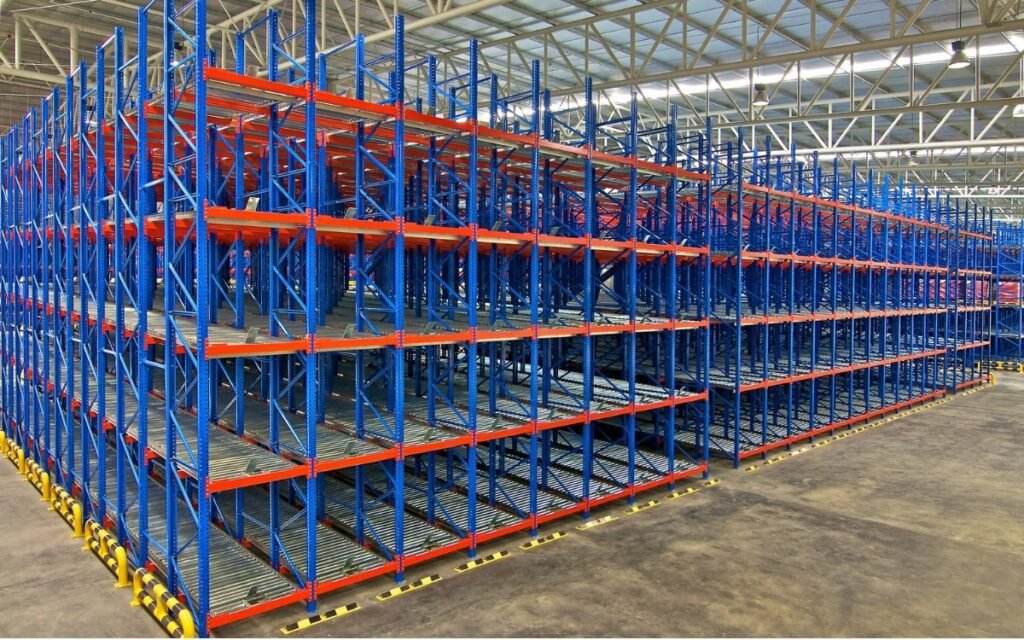
Hybrid and Custom Configurations are various combinations of two or more storage methods to optimize warehouse operations. You are able to customize them based on the type of layout product and operational requirements. Flexibility and efficiency are enhanced by split roller systems and floor pickup zones. These are suitable setups in complicated warehouses that require customized storage facilities with the highest level of efficiency.
Installation Process Overview
Step 1: Site Analysis and Warehouse Assessment
You start with warehouse site analysis and layout planning. Professionals assess the space limitations access paths and efficiency of workflow. This testing will make sure that you come up with a clean and efficient storage installation facility.
Step 2: Structural Design Planning
The planning of structural design determines the set up of racks depending on the requirements of operation. The engineers develop elaborate blueprints that guarantee efficiency in stability and use of space. You read through design plans to ensure that they adhere to requirements of warehouse safety and storage standards.
Step 3: Capacity Calculations
The calculations of the load capacity are used to find out the maximum weight per pallet rack system. Engineers consider carefully the load distribution of the material strength and safety margin. You make sure that calculations are done in accordance to the requirements of the warehouse to prevent the risk of structural failure.
Step 4: Frame and Beam Installation
Installation of frame and beam starts with accurate positioning of uprights. Beams are firmly fixed by workers, which guarantees stability and accuracy of structural positioning and safety. You check on frame installation to make sure of durability and reliability to work during usage.
Step 5: Roller System Installation
The installation of the roller system includes the installation of inclined lanes. Roller angles are adjusted by technicians to maintain a uniform level of performance efficiency of the flow driven by gravity. You check roller alignment to ensure efficient and safe material handling.
Step 6: Safety Testing and Calibration
Calibration and safety testing guarantee stability of the system under full operational loads. The structural integrity roller operation and accuracy of load distribution are observed by the inspectors. You verify that calibration results are within the safety standards prior to system approval use phase.
Step 7: Final Inspection and Commissioning
The last check is to confirm the quality of the installation alignment and operational readiness. Activation of system is done upon completion of approval of safety and performance validation. You are offered with completely tested system that is ready to be used in the efficient operations of the warehouse.
Advantages of Pallet Live Storage Racking
Storage Efficiency
Live pallet racking offers dense storage to the current warehouse setting. You optimize both vertical and horizontal space, and you can increase capacity without significantly increasing the space of your facility.
Operational Efficiency
Streamlined pallet flow design saves forklift travel time. The loading and unloading cycles are also quicker, which assists you in keeping smooth warehouse operations and steady productivity levels daily performance improvement realized.
Stock Management Benefits
Live systems enable optimal FIFO rotation in the management of inventory. You minimize the risk of products expiring, and make sure that the old ones are always sent first in the organized warehouse workflows the efficiency of the warehouse workflow increased.
Safety Advantages
The movement of pallets is controlled, making the warehouse safer and minimizing the risk of accidental damage. You have less congestion in the internal traffic with integrated braking systems that guarantee safer day to day operations that are bound to keep the warehouse control levels high.
Cost and Productivity Benefits
Lower costs of operations enhance efficiency and profitability of the warehouse. You minimize the workload and maximize warehouse throughput, gain higher productivity and ease in the daily running of storage systems that are constantly optimized.
When Should You Use Live Storage Pallet Racking?
Live pallet racking is applicable to operations that have high moving inventory and high storage discipline requirements. The elevated inventory turnover is advantageous to gravity flow systems that keep the efficiency of products movement constant. Strict FIFO rotation of stock is simplified since the pallets automatically proceed in sequence lanes. The use of limited warehouse space is enhanced by the use of compact vertical design deep lane storage arrangement. Homogenous pallet loads are optimal because the system is based on uniform dimensions to flow through. Constant movement of products to be used to minimize the time handling and to enhance the speed of dispatch.
Limitations and Design Considerations
- Height restrictions: Live storage pallet racking needs a lot more structural height capacity in the warehouse. The problem of installation is complicated since structural frames need to be able to support extra load stability requirements in the vertical direction.
- Pallet quality restrictions: System cannot handle unstable or low quality pallets. Bad pallets may lead to misalignment of jams and disruption of flow in roller lanes.
- Maintenance needs: Roller systems need regular maintenance in order to facilitate free movement of pallets. Failure to maintain rollers will result in loss of time and efficiency as well as operational risks in the long-term.
- Cost factors: Expensive initial installation cost relative to conventional storage racking systems that are static. Investment in most warehouses environments is often warranted by long-term efficiency and the use of space.
- Space-depth trade-off: Warehouse design is associated with space-depth trade-off which has an impact on balance of storage density accessibility. Deeper lanes enhance capacity but lower the immediate accessibility to fast picking operations efficiency.
- Suitability dependence: Suitability is based on the weight and turnover rate requirement of the product type. Fast moving goods with high turnover are better whereas slow moving inventory decreases the efficiency of the system to a large extent.
Main Applications of Live Pallet Racking
Food and beverage industry
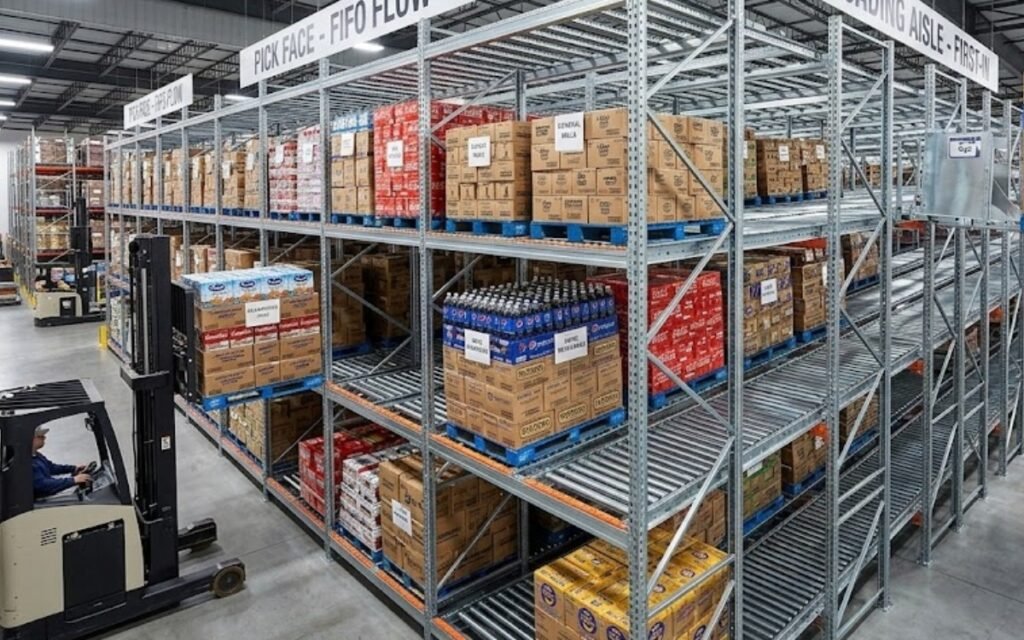
Pallet racking live is applied in food and beverage industry in managing expiry sensitive stocks that are well organized. It guarantees FIFO rotation, minimizes waste and keeps you fresh in the storage business day by day.
Pharmaceutical storage
Pharmaceutical storage needs to be controlled strictly by the batch control with the help of live pallet racking to manage the inventory systems. It facilitates compliance, traceability and accurate rotation that guarantees safety and you operational efficiency always standards.
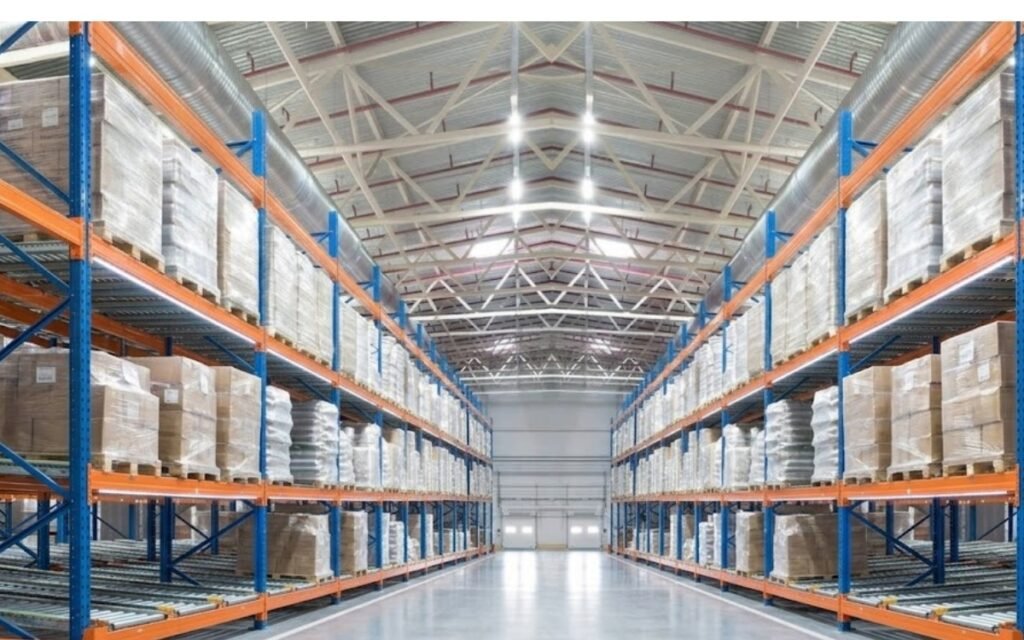
Personal care products and cosmetics
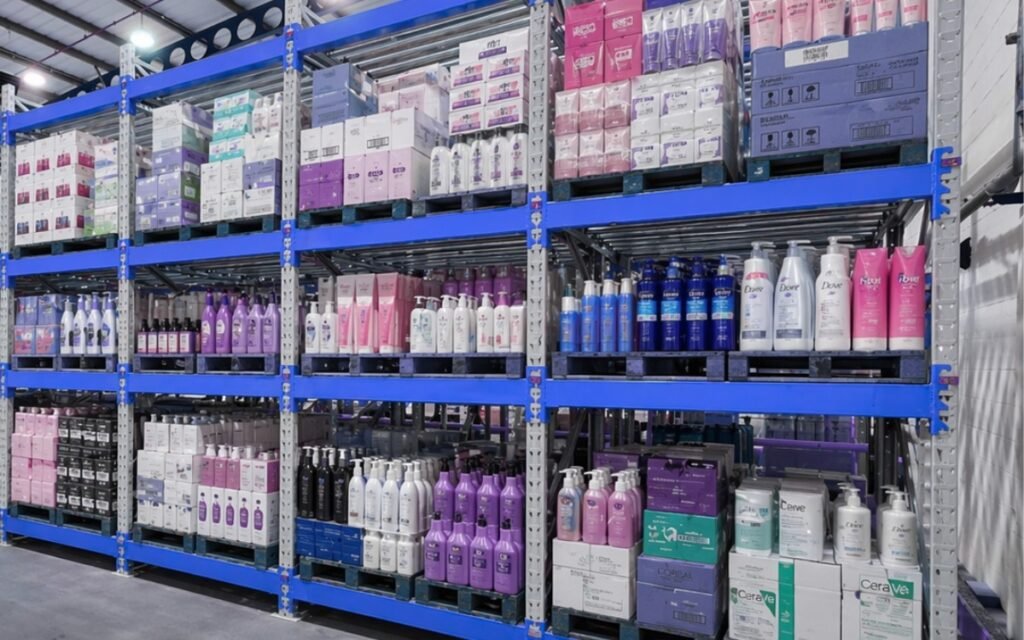
The personal care and cosmetics have the advantage of organized pallet live racking to enhance visibility. It can assist in preserving the integrity of products, in quicker picking, and a more streamlined workflow in the warehouse so that your processes are efficient.
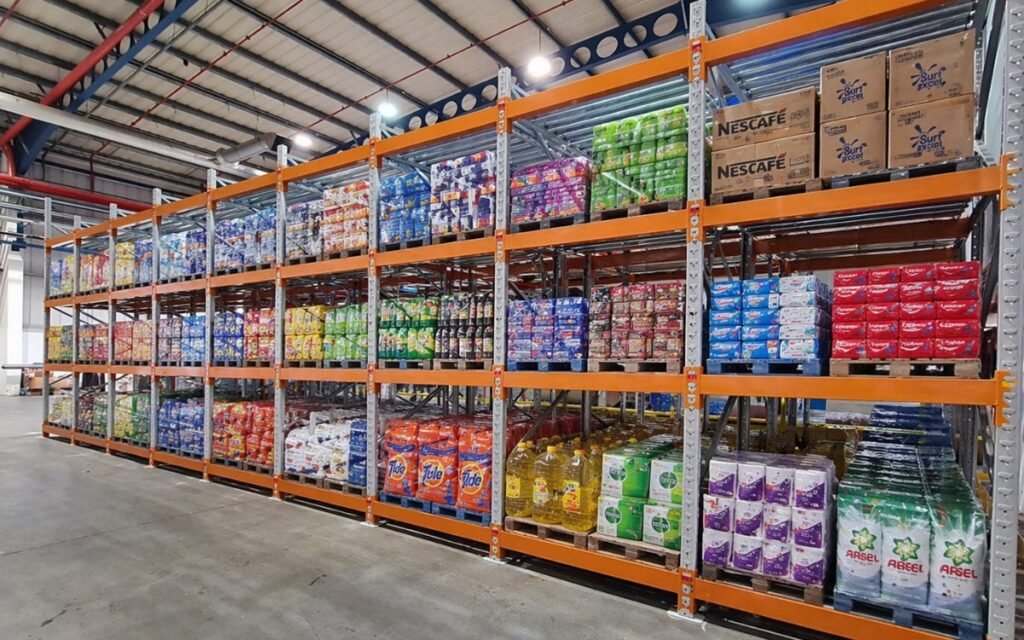
Fast-moving consumer goods (FMCG)
The FMCG warehouses are based on pallet racking live to utilize quick stock turnover and systematized storage arrangement. It enhances the speed of picking, minimizes congestion and helps in the continuous flow of supply chain to your operations.
Warehouses cold storage and freezers
Pallet live racking is applied in cold storage facilities to maximize the available space and ensure that the products are in a safe condition. It guarantees a controlled rotation of frozen goods, and enhances accessibility and efficiency of operations to you.
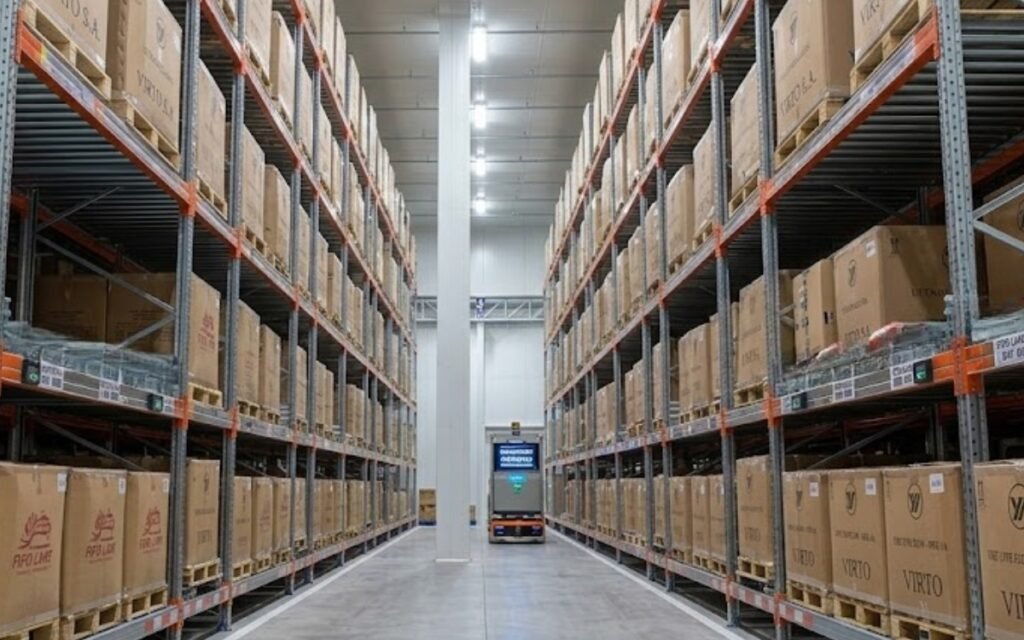
Logistics hubs and distribution centers
Pallet live racking is applied in distribution centers to manage systems of logistics operations effectively and to carry out efficient sorting. It improves the speed of order fulfillment, accuracy and saves you a lot of time in handling workflow significantly increasing workflow efficiency.
Intermediate warehouse areas (buffer storage)
Pallet live racking is used in buffer storage zones to handle temporary inventory between processes that are efficiently arranged. It aids in facilitating transitions in work flows and avoids bottlenecks in busy warehouse settings to your operations.
Common Mistakes to Avoid
- Damaged Pallets: Using damaged pallets causes instability and increases accident risk significantly in warehouses. Frequent inspection eliminates malfunctions and makes the safe pallet use operations hassle-free.
- Overloading Lanes: Overloading lanes reduces flow efficiency and causes structural stress on sliding pallet racks system. Always adhere to load limits to ensure safe and effective operations on a daily basis.
- Ignoring Maintenance: Ignoring maintenance schedules leads to unexpected breakdowns and costly warehouse downtime issues. Planned maintenance enhances the life of equipment and minimizes the cost of repairs in the long term.
- Poor Layout Planning: Poor layout planning restricts movement and reduces overall storage efficiency greatly. Well-designed workflow enhances safety, workflow, and the optimal use of the available warehouse space.
- Mixing SKUs: Mixing SKUs in same lane creates confusion and slows order picking process. Proper separation of SKUs to enhance accuracy and management of warehouse operations.
Live Pallet Racking vs Other Storage Systems
| System Type | Storage Density | Inventory Method | Accessibility | Cost Level | Best Use Case |
| Selective Racking | Low | FIFO/LIFO | High | Low | Mixed SKU storage |
| Drive-In Racking | High | LIFO | Low | Medium | Bulk storage |
| Push-Back Racking | Medium-High | LIFO | Medium | Medium | Limited SKU |
| Live Pallet Racking | High | FIFO | Medium-High | High | Perishable goods |
| AS/RS Systems | Very High | Automated | High | Very High | Large-scale automation |
Mracking – Number 1 Supplier of Live Pallet Racking and Warehouse Storage
Mracking, a China-based warehouse solutions provider, offers high-technology pallet racking live, mezzanine floors and bespoke storage systems that are all geared towards the current efficiency in logistics. Having 16 years of the industry, ISO, CE and SGS-approved manufacturing experience, Mracking can provide a solid FIFO-compatible pallet racking, which can enhance space utilization and inventory management. They sell at affordable prices because of their factory-direct manufacturing that does not interfere with quality. Mracking offers end-to-end warehouse solutions, covering design to installation, thus assisting companies to attain high-density, secure, and scalable warehouse solutions that meet the needs of global industries. This point also connects with FIFO VS LIFO, Which Is The Best Storage Method?.
Conclusion
Live pallet racking provides high density storage, effective flow of FIFO, and enhanced safety in the warehouse. The selection of appropriate storage system guarantees operational efficiency in the long term and low costs. It improves scalability, helps to meet safety standards, and increase efficiency in warehouses. Prior to implementation, warehouses have to evaluate layout, inventory type and handling requirements. Mracking offers hi-tech pallet live storage systems to the modern industrial storage requirements. The systems are useful in maximizing the use of space but at the same time have reliable performance and long-term growth of warehouses in various industries around the world.