


What Is FIFO In Inventory Management?
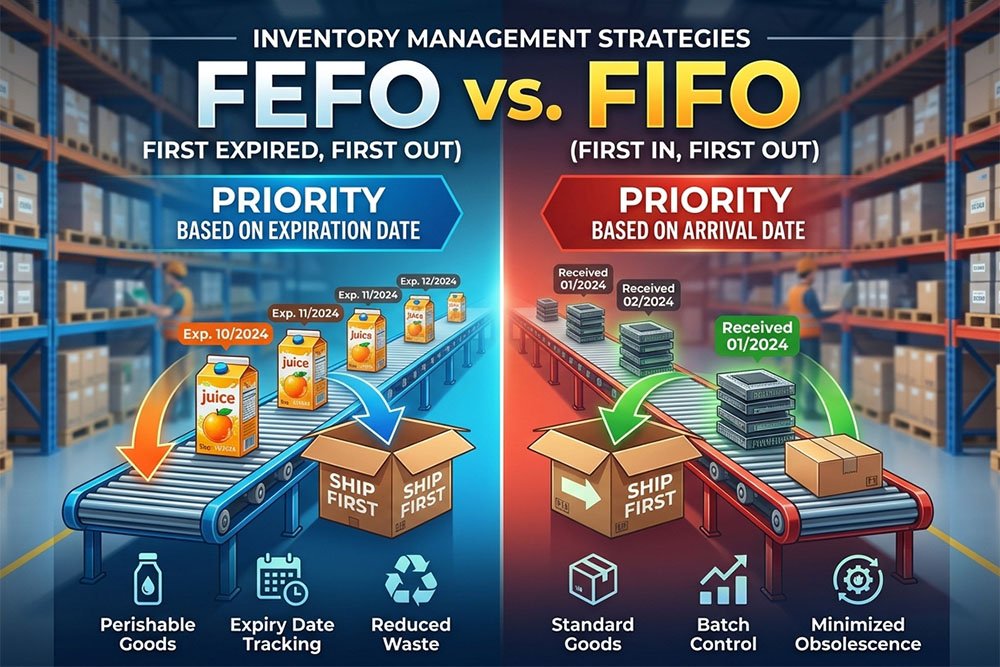
FIFO inventory management is first-in-first-out inventory. The first to arrive goods are placed in storage first before the later arrivals. This is based on the receipt or production dates, rather than the expiration date. The FIFO helps businesses to retain fresher inventory flow and improved turnover.

How Does FIFO Work
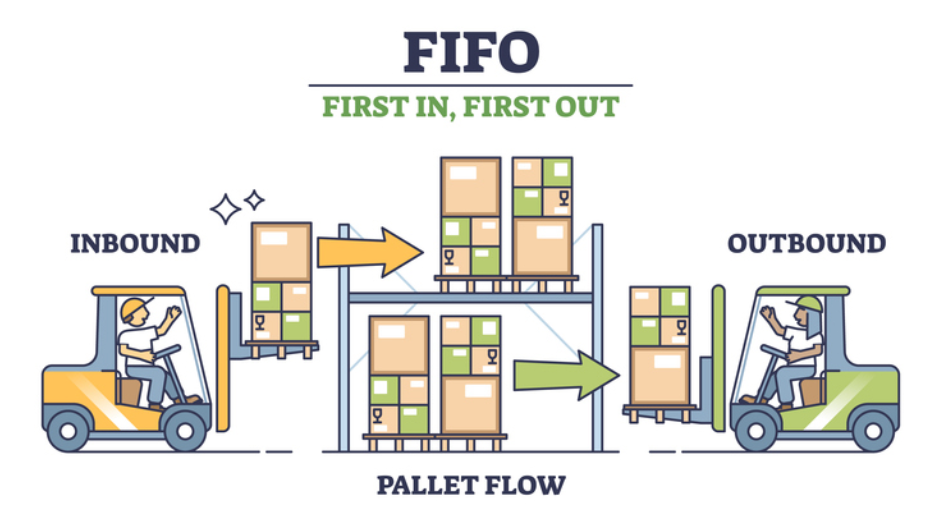
FIFO operates in a systematic order with old inventory being prioritized first. Goods reach warehouse and are automatically recorded with date of arrival. To keep the stock in order, staff put new stock behind the already existing stock. The selection is always done according to the oldest stock so as to have an efficient rotation. The constant movement ensures that stock is kept fresh and that losses due to expiry are reduced. Process facilitates smooth flow of operational flow system in the warehouse.

Key Characteristics of FIFO
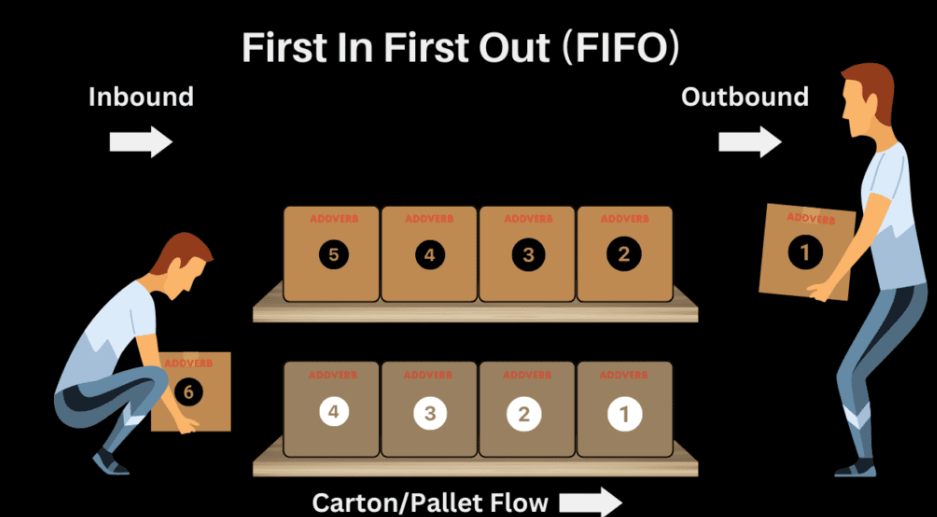
- Stock flows sequentially so that the oldest stock is sold first.
- System is easy to comprehend by the warehouse personnel and day-to-day activities.
- Implementation remains simple and has low complexity in configuration and implementation.
- Integrates well with majority of warehouse management systems without significant modifications.
- Favors accounting procedures that place inventory valuation at the same time as the time of purchase.
- Widely used in industries because of its standardized and practical approach.
Industries That Commonly Use FIFO
- Retail: Retail outlets apply FIFO in the management of inventory of clothing, shoes and other accessories. They focus on pushing older products such as shirts, sneaker, and t-shirts in the first place in stores.


- Ecommerce: Ecommerce websites use FIFO to handle smartphone, electronics, and apparel inventory management system. They export old orders initially, such as laptops, phones, and clothing products that are fast-processed.


- Industrial Parts: FIFO is used in the control of bolts, bearings, machine components inventory in industrial parts warehouses. They publish old machine components such as gears, valves, and pumps in the first place efficiency of the system.

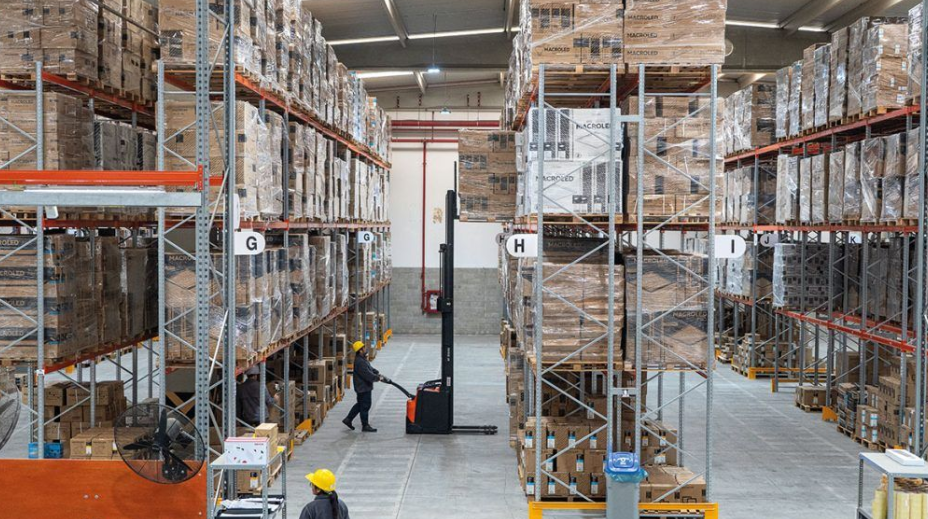
- Hardware: Hardware stores use FIFO in the flow of nails, screws, bolts, and tools. The hammers, drills and saws that were old sold off before the new ones arrived in large numbers.

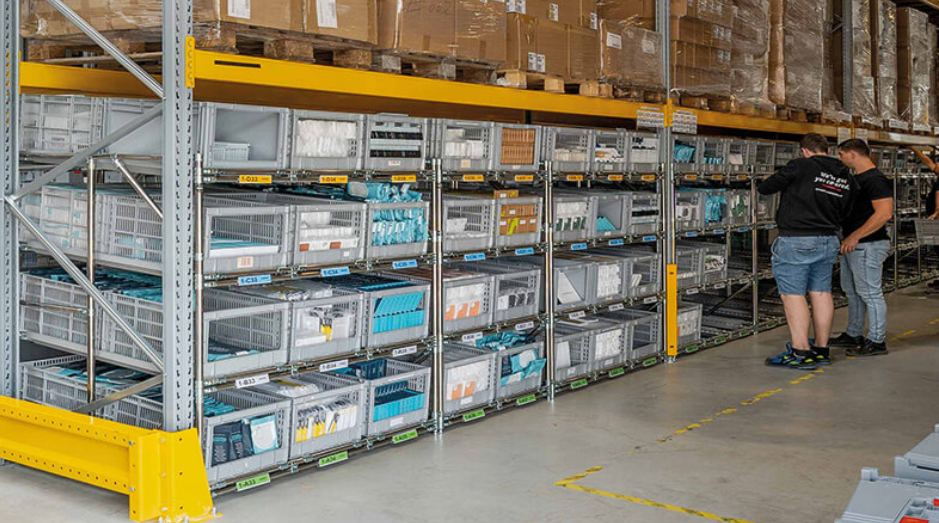
- Paper Products: The paper product distributors apply the FIFO in the flow of inventory of notebooks, paper rolls, tissues. First used first paper stock such as printing, tissues, copy papers and napkins.

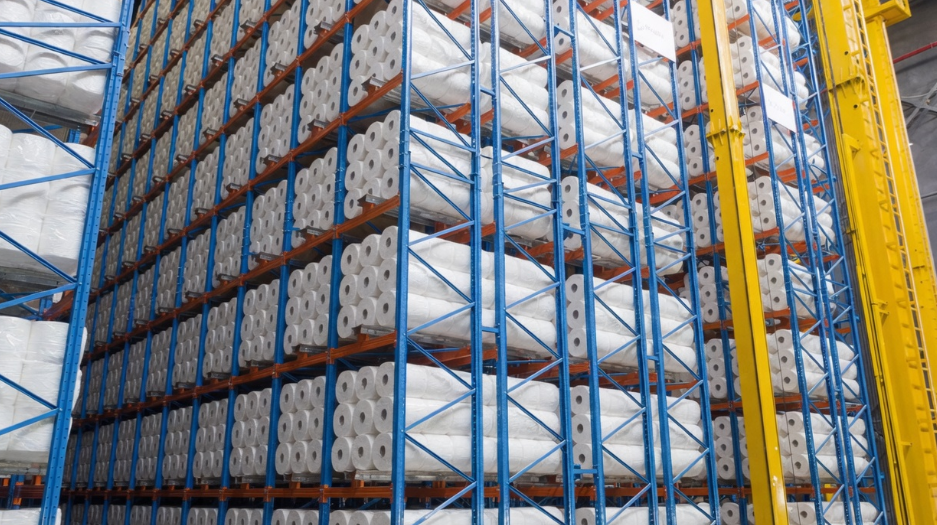
- Building Materials: Building material suppliers use FIFO on cement, steel and bricks inventory system. First site usage priority was provided to older batches of cement, steel rods, and bricks.
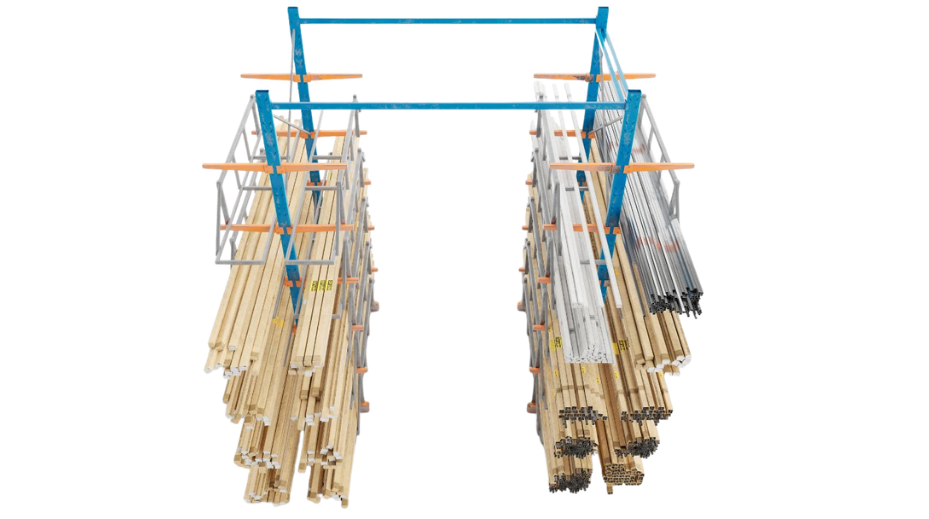
- Packaged Shelf-Stable Goods: Canned food, pasta, rice inventory method FIFO is used in packaged shelf-stable goods. First warehouse dispatch priority is given to older canned food, pasta packs, rice bags, etc.

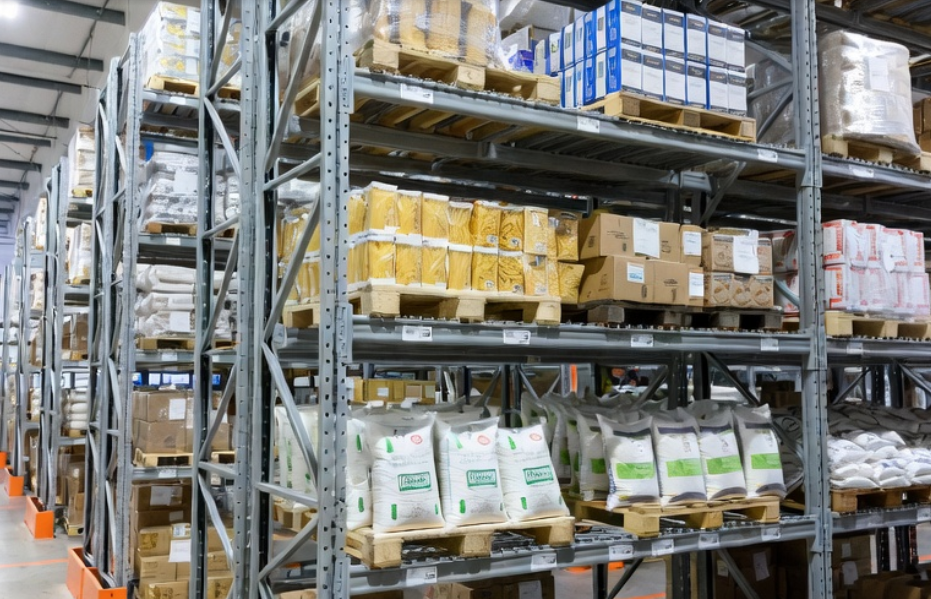
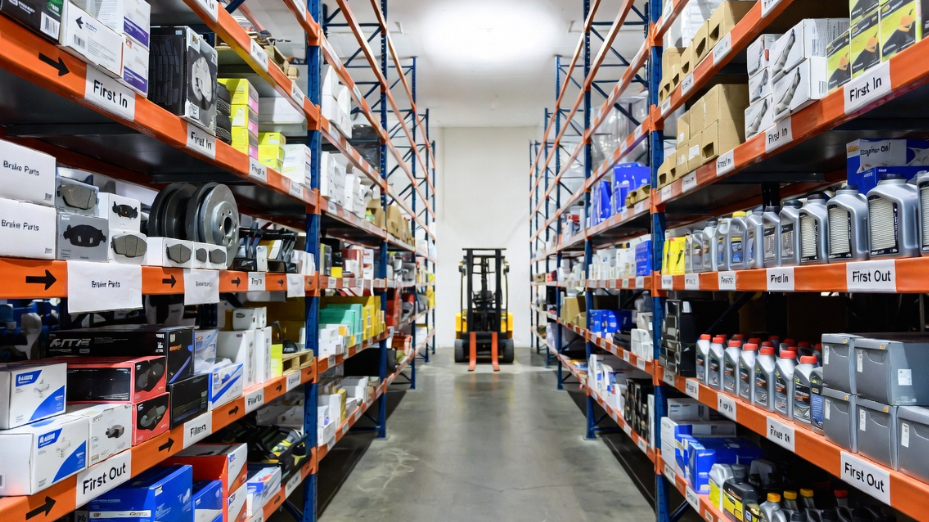
- Spare Parts Warehousing: Spare parts warehouses make use of FIFO as a method of inventory tracking system of automotive spare parts. Brake parts, filters, and old engine parts sent to first gearboxes, clutches should be replaced.

Limitations of FIFO
FIFO is characterized by limitations, which influence the accuracy of inventory and efficiency of storage systems. It is difficult where the expiry dates of different batches are different, and arrival order is not the same as actual shelf life. The result of this mismatch is the wastage of perishable inventory although proper first in first out management is performed. Proper FIFO needs regulated slotting and layout organization to ensure the smooth movement and accessibility. Physical access efficiency levels can also be further limited by dense storage systems. For a closer comparison, see FIFO VS LIFO, Which Is The Best Storage Method?.
What Is FEFO In Inventory Management?
FEFO is an abbreviation that means First Expired, First out inventory management system. It makes sure that those products that are nearest to expiry are shipped first. The inventory turnover is based on the shelf life and not arrival order. This strategy helps to minimize losses when it comes to waste and to expiration. A related guide on FEFO gives more detail for this part of the planning work.


How FEFO Works
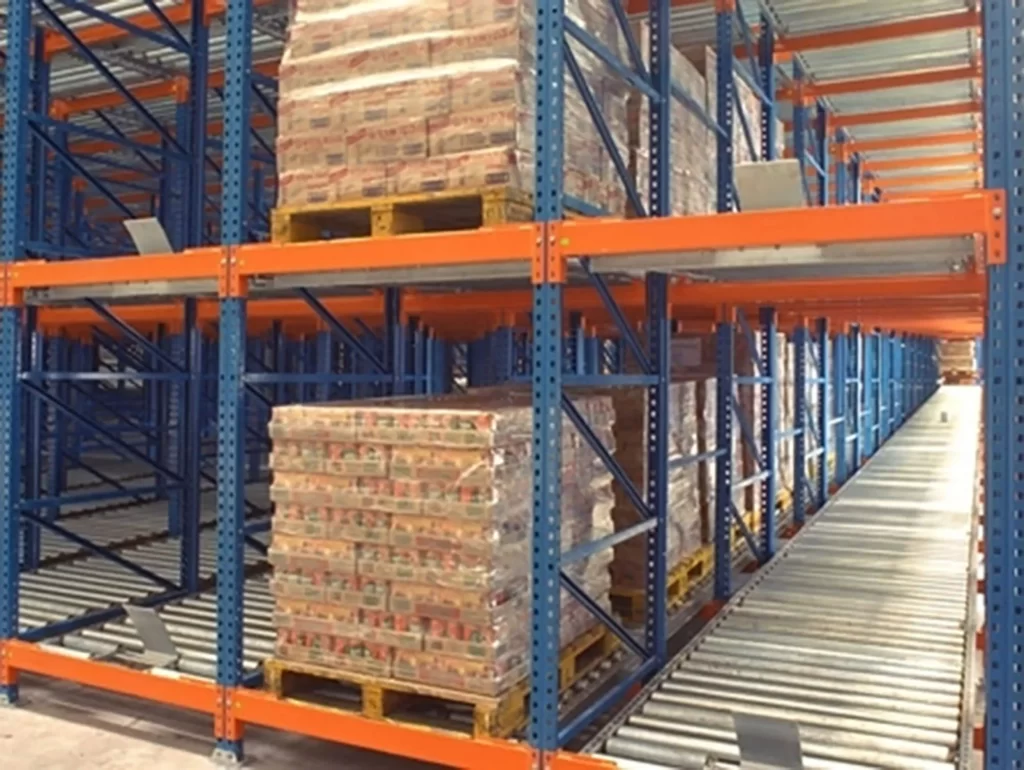
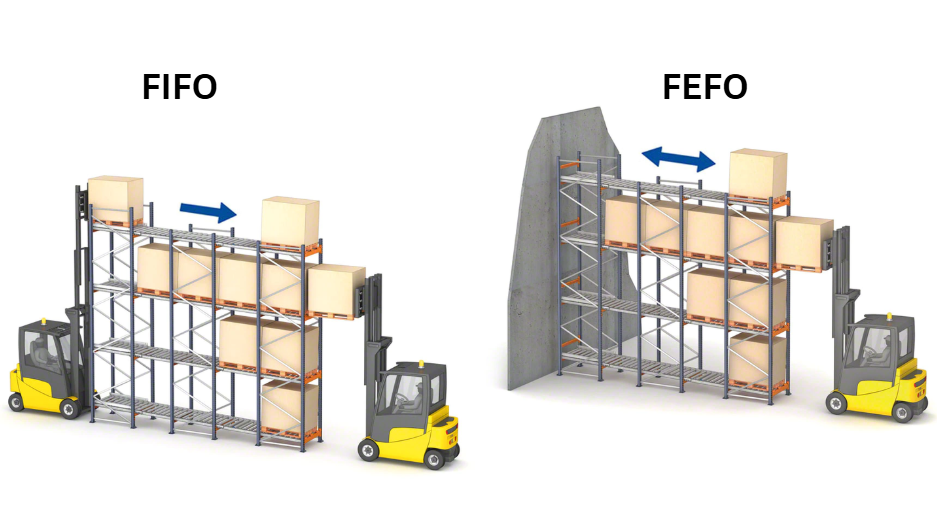
FEFO starts with product being received into warehouse inventory system in an efficient manner. Enter lot numbers and manufacturer details in system correctly with staff. They also record manufacture dates and expiry or use-by dates accurately. WMS automatically ranks stock by closest expiry dates. Picking is strictly done based on the first come first served. In comparison to FEFO and FIFO, FEFOis such a warehouse racking system which makes sure that the products that have the shortest shelf life are consumed first. For broader industry context, Inventory is a useful reference.

Key Characteristics of FEFO
- Rotation of inventory is done depending on the earliest expiry dates as opposed to arrival time.
- Products are followed at batch level to ensure that each production lot is controlled.
- Goods that are expired are shipped first before those that are fresher.
- System focuses on traceability, which enables good monitoring of the source to final use.
- Software systems are also important in ensuring that operations are managed in terms of timing and accuracy.
- Method aids regulatory compliance by decreasing the risk of the sale of expired goods.
Industries That Commonly Use FEFO
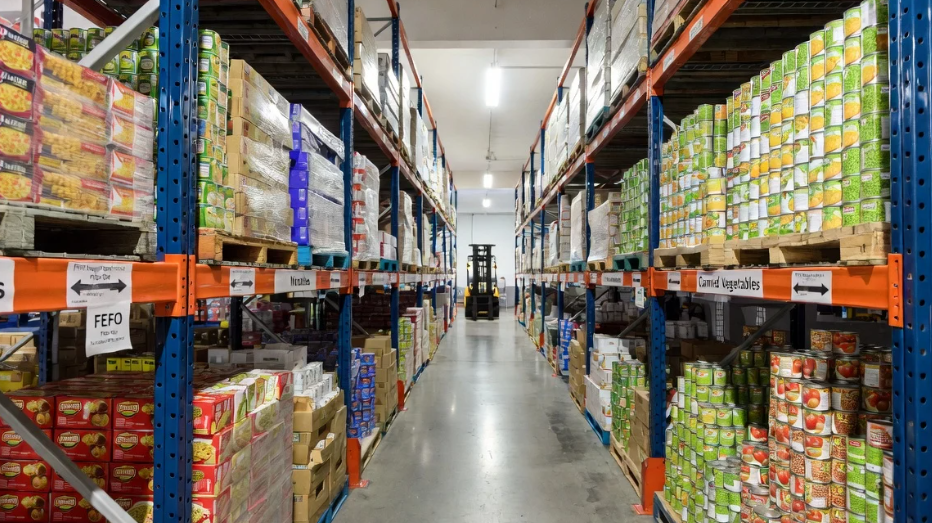
- Food manufacturing: FEFO is used in the manufacture of instant noodles, cans of vegetables with canned packed sauces that are handled effectively. It guarantees the maintenance of freshness and safety standards of snack bars and frozen meals.

- Dairy industry: FEFO is effectively used in the dairy industry in milk yogurt cheese cream and butter products. It inhibits the decay in fresh dairy products such as probiotic yogurt and paneer.


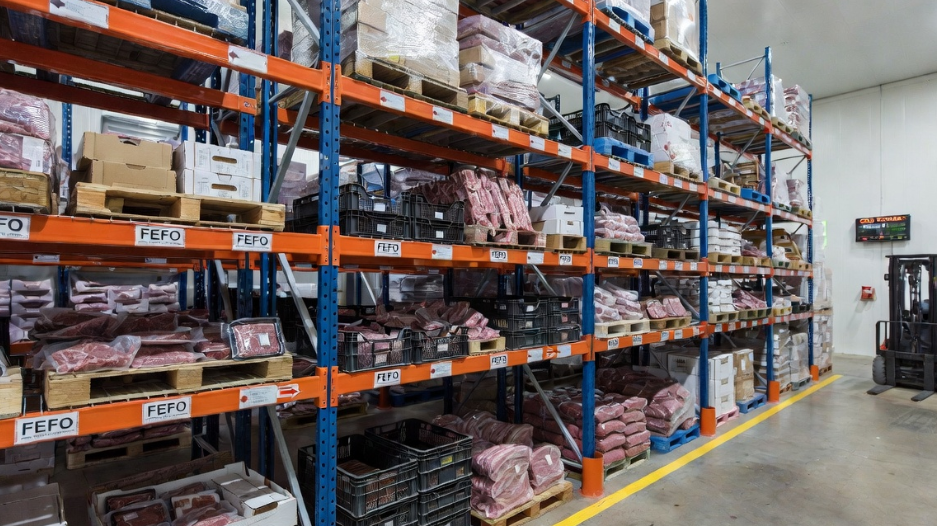
- Meat processing: MEAT processing is based on FEFO in storing beef sausages and processed ham. It minimizes wastage and ensures quality in the supply chains of frozen meat products.

- Cold chain logistics: FEFO is used in cold chain logistics to transport systems of frozen seafood ice cream vaccines. It preserves temperature sensitive products such as the quality of seafood and ice cream.

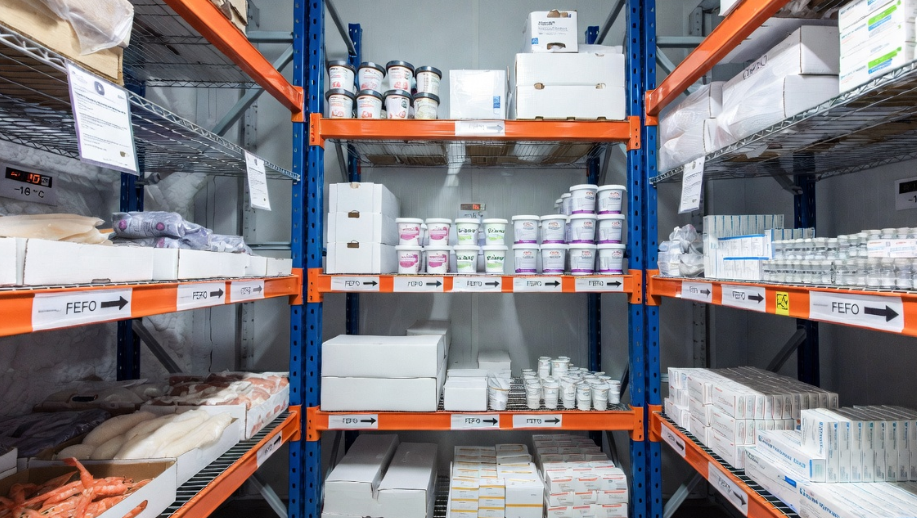
- Pharmaceuticals industry: Pharmaceuticals rely on FEFO in form of tablets syrups vaccines capsules and storage control systems. It guarantees safety and adherence of drugs in sensitive pharmaceutical distribution channels around the world.

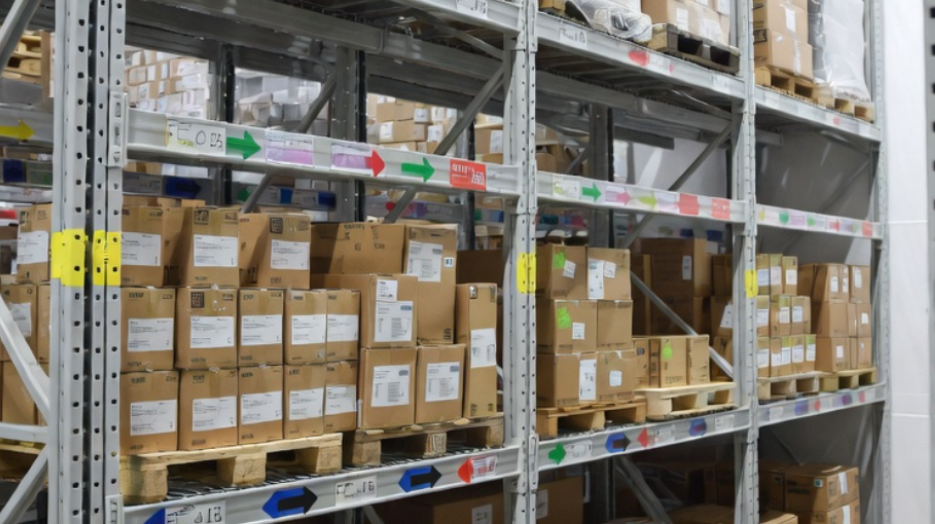
- Chemical industry: FEFO is used in the chemical industry in the storage of solvents, reagents, acids and industrial compounds. It reduces the risk of degradation in chemical formulations and solutions involving processes that are sensitive.


- Agriculture inputs: Agriculture inputs sector uses FEFO to store fertilizers seeds pesticides and bio stimulants. It enhances the effectiveness and shelf life of the sensitive farming input products appropriately.

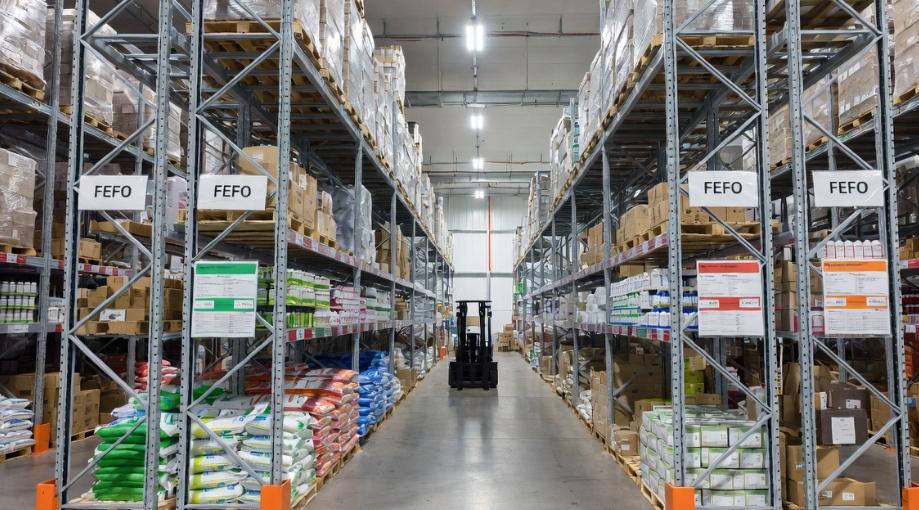
Limitations of FEFO
FEFO adds complexity to the operation of a warehouse management system and processes as opposed to simplistic inventory management. Correct expiry data would be needed, since mistakes would interfere with the rotation and decrease the control of product reliability. Increased software dependency leads to greater system dependency, and scanning and labeling requirements introduce effort in terms of operational loads. More discipline in the processes is required to ensure accuracy and prevent problems of mismanagement of inventories. The first set up costs are increased by training, infrastructure and system integration needs in general.
Key Difference Between FEFO and FIFO
FEFO (First Expired, First Out) and FIFO (First In, First Out) are both stock rotation techniques, yet the two are different in the way inventory is prioritized, tracked and handled. The significant disparities between the two systems are listed below.
FEFO vs FIFO Comparison Table
| Comparison Point | FIFO (First In, First Out) | FEFO (First Expired, First Out) |
| Rotation Method | Oldest stock moves first | Stock nearest expiry moves first |
| Decision Basis | Receiving/arrival date | Expiration or use-by date |
| Main Goal | Improve stock rotation | Reduce spoilage and waste |
| Best For | Non-perishable or stable products | Perishable and shelf-life-sensitive products |
| Tracking Requirements | Basic inventory records | Batch, lot, and expiry tracking |
| Operational Complexity | Easier to manage | More complex to manage |
| Technology Need | Basic software or manual system | Often requires WMS/automation |
| Waste Prevention | Moderate | High |
| Freshness Control | Limited | Strong freshness control |
| Compliance Support | Moderate | Strong regulatory support |
| Labor Requirement | Lower | Higher due to monitoring needs |
1) Rotation Principle
- FIFO: It is based on the first come first served basis of stock in storage. It is very much chronologically sequential and therefore easy to deal with. This is a technique where the first arrivals are supposed to be sent out first, irrespective of the state. It is most effective when there is a uniform shelf life of the product in each batch.
- FEFO: Items with shorter expiration times are given priority, no matter when they arrive. It makes sure that products whose life is the shortest are shipped first. This approach concentrates on maintaining usability rather than arrival order. It is necessary when the expiry date of similar items differs.
2) Primary Objective
- FIFO: Concentrates on a smooth and rational flow of inventory. It assists in avoiding stock that is lying idle. This approach maintains a structured warehouse operation and predictability. It helps maintain consistent turnover without the need to have elaborate expiry tracking systems.
- FEFO: It tries to minimize spoilage of the products by focusing on those that are close to expiration. It guarantees optimum usable shelf life is delivered to customers. This approach helps in safeguarding product quality and safety in delicate industries. It specifically deals with the risks related to time-sensitive inventory.
3) Suitable Product Types
- FIFO: Ideal when the goods are non-perishable and have a constant and predictable shelf life. It is effective with industrial products and durable goods. These products do not demand strict expiry checks when storing them. It is usually applied in the manufacturing and retailing context.
- FEFO: FEFO is used when the goods are perishable and the expiry date has a direct effect on the usage and safety. It is commonly employed in medicines, food, and drinks. The Cosmetics and chemicals also use the expiry-based stock management. This approach guarantees the adherence to the high standards of quality and safety.
4) Tracking Requirements
- FIFO: Needs simple tracking like SKU, receiving date and storing location. This information assists in keeping the proper stock order in picking. It does not involve sophisticated data other than a chronological arrangement. This simplifies its management with minimum system requirements.
- FEFO: It needs sophisticated tracking, such as batch numbers, expiry dates, and shelf-life. Every product should be properly labeled and listed to trace. Each item has to be tracked by system on its remaining shelf life. This guarantees accurate and adhering inventory control at any given time.
5) Warehouse Complexity
- FIFO: Is associated with simpler warehouse operations that have simple storage and retrieval procedures. It is less complicated and easier to implement and requires less operational oversight. With little training, staff can adhere to clear and consistent procedures. It is appropriate in warehouses that seek efficiency that is less complex.
- FEFO: FEFO needs to be controlled more strictly because different products have different expiry dates. Inventory needs to be frequently divided into batches and expiry dates. This adds to the complexity of handling and operational strain. It requires close coordination to be accurate and comply.
6) Technology Dependence
- FIFO: This can be easily handled by either a manual system or a rudimentary inventory software. It is not overly reliant on sophisticated automation instruments. The basic tracking systems would typically be enough in keeping the stock in a good rotation. This renders it economical when it comes to smaller or less intricate operations.
- FEFO: This is highly dependent on technology like warehouse management systems to do proper tracking. Expiry and batch data is effectively captured with the help of barcode scanning. Automated warnings ensure that products do not expire without detection. Also, high-tech systems provide complete traceability and accuracy of operations.
7) Waste Reduction
- FIFO: Assists in preventing the buildup of old stock since the earlier ones can be utilized before others. It reduces chances of stock being depreciated with time. Nevertheless, it is not always effective in avoiding the losses caused by expiry. Reduction in waste is moderate and relies on consistency of products.
- FEFO: The amount of waste is greatly reduced by giving preference to the closest to the expiration dates. It makes sure that products are utilized even when they are still in their usable life. The approach improves freshness management throughout the supply chain. It is very useful in inhibiting spoilage in perishable products.
8) Compliance & Traceability
- FIFO: It is an organized method of stock arrangement and a simple traceability. It assists in monitoring the movement of products in accordance with the order received. Nevertheless, it does not have a detailed tracking of batches. Industries that are highly regulated have restricted compliance support.
- FEFO: Provides good traceability by use of batch tracking and expiry monitoring systems. It allows the rapid detection of impacted products in the process of recall. The approach aids in high levels of regulatory compliance within sensitive industries. It guarantees a greater level of safety and a greater level of accountability in the processes of inventory.
How to Implement FIFO in a Warehouse
Step 1: Classify Inventory
The first step in this process is to first group inventory according to type demand and turnover rate. When applying FIFO to the operations of the warehouse on a day-to-day basis, proper classification will guarantee quicker rotation and the avoidance of misunderstanding.
Step 2: Organize Receiving
Always arrange receiving area in such a way that older stock is well separated by new goods. Effective receiving layout minimizes confusions and promotes the FIFO accuracy during handling processes in the warehouse. This point also connects with Low Temperature Cold Storage Racks.
Step 3: Standardize Putaway
Standardize putaway rules such that older product is always placed in convenient front rack location at all times. Placement consistency guarantees FIFO flow is non-disrupted and picks errors are significantly lowered in the long term.
Step 4: Develop Picking Rules
Establish good picking policies that will always leave the oldest stocks first at each step of order fulfillment process. Clear guidelines assist you to uphold FIFO discipline and enhance efficiency in warehouse operations that is uniformly applied.
Step 5: Train Staff
Train personnel should be well trained on the principles of FIFO as they need to know the importance of rotation in their daily work. Training will minimize errors and guarantee that no employee will have to make any mistakes because of misinterpretation of the warehouse procedures. For product-level details, review Live Pallet Racking.
Step 6: Audit Rotation
Periodically rotate audit inventory to verify that FIFO rules are properly applied in storage locations. Regular audits assist in detecting problems at the early stage and proper movement of stock during the running of operations in the warehouse.
Step 7: Improve Continuously
Make constant enhancement of FIFO system in warehouse through performance data analysis and detection of bottlenecks in operations after a period of time. Promote employee input and streamline operations to ensure long term efficiency warehouse workflow stability.
How to Implement FEFO Successfully
Step 1: Take Expiry Data
Maintain proper expiry dates on goods receipt to enable full traceability in the management of inventory systems. Proper expiry capture will enable you to minimize wastage and make better stock rotation decisions in the long-term.
Step 2: Trace Lots Accurately
Use a lot number to identify each batch to track inventory effectively and hold accountability. Lot tracking will make sure that you know the oldest stock within a short time and ensure that FEFO discipline is applied at all times.
Step 3: Integrate WMS
Adopt warehouse management system to automate the expiry tracking process and enhance operational visibility of all processes. Integration of WMS minimizes manuals errors and enables real time FEFO decision making in an efficient and reliable manner.
Step 4: Establish Expiry Threshold Rules
Establish expiry limits to give warning signals before products are in critical shelf life phases early warning. The threshold rules will assist you in prioritizing the dispatching items that are nearer to expiration and do it in an effective and efficient manner.
Step 5: Develop FEFO Pick Logic
In relation to FEFO and FIFO, FEFO picking logic Design in such a way that the first items to be picked in a warehouse are the oldest expiring items. This will enhance the freshness of inventory and minimize the risk of obsolescence of products over time of use.
Step 6: Do Cycle Counts
Make periodic counts of the cycle to confirm the accuracy of inventory and to identify the occurrence of expiry discrepancies in good time. The counts of cycles guarantee compliance with FEFO and enhance the reliability of stocks in warehouses that are maintained at a regular level.
Step 7: Track KPIs Shelf-Life
Monitor shelf life KPIs including expiry rate and wastage percentage on a regular basis to be in better control. Follow-ups on KPIs assist you in optimizing the FEFO performance and minimizing the inventory losses during the operational time.
Implementation Checklist Table
| Requirement | FIFO | FEFO |
| Receiving date tracking | Essential | Essential |
| Batch tracking | Helpful | Essential |
| Expiry date tracking | Optional | Essential |
| Barcode scanning | Helpful | Strongly recommended |
| WMS software | Helpful | Often necessary |
| Staff training | Essential | Essential |
| Slotting discipline | Essential | Essential |
| Traceability reports | Helpful | Critical |
| Compliance documentation | Moderate | High |
Role of Warehouse Management Systems (WMS)
Warehouse Management Systems (WMS) are used to track inventory and manage operations in warehouses in real-time. With reference to FIFO, WMS monitors the arrival dates and picks the goods sequentially. FEFO WMS maintains the expiry dates and batch numbers to maintain proper stock management. System also sends alerts on products that are about to expire, minimizing wastage and loss of stock. This guarantees quicker decision-making and uniformity in inventory accuracy within operations.

Key Features of a Good WMS
- Automated Receiving
- Smart Putaway Rules
- Automated Picking Priority
- Real-Time Inventory Visibility
- Alerts and Notifications
- Reporting and Analytics
KPIs to Measure FIFO/FEFO Success
The key performance indicators gauge the effectiveness of the FEFO and FIFO inventory management in the operations. Product loss and efficiency of control are indicated by the rate of spoilage and write-offs of expiry. Inventory turnover ratio and stock aging indicate the speed of movement and risks of holding. The accuracy of order picking and fill rate reflect operational performance and reliability of service. Remaining shelf-life at shipment guarantees that the product will be in good condition and will meet the requirements during distribution. Recall traceability speed and carrying cost assesses risk management and stock efficiency. These KPIs are monitored to aid in constant improvement and performance of the supply chain.
Common FEFO and FIFO Challenges
- Data Accuracy Issues
- Human Picking Errors
- Labeling Inconsistency
- Software Integration Problems
- Supplier Data Quality Issues
- Warehouse Congestion
- Mixed Inventory Complexity
Why Choose Mracking for FIFO and FEFO Storage Solutions
Mracking provides warehouse storage solutions that are engineered to provide effective FEFO and FIFO inventory management with intelligent design of racks and end-to-end services. Having 16+ years of manufacturing experience, ISO-certified production, innovative CAD/3D warehouse planning, and 20,000+ sqm factory space, Mracking constructs pallet racks, shuttle racks, mezzanines, and flow rack systems, which enhance stock turnover, maximize space, minimize handling error, and maintain safe and organized, high-efficiency warehouse operations at factory-direct prices.
Conclusion
FEFO and FIFO systems enhance inventory management by enhancing product turning and minimizing wastes in warehouses. The two approaches enable efficiency, precision, and improved stock visibility in the new supply chains. The decision between the two is dependent on the nature of products, shelf life, and operational requirements. Both approaches improve tracking, compliance, and decision-making with the help of technology. Making sure that the right approach is aligned to the business objectives guarantees efficiency and profitability in the long run. Mracking offers superior storage facilities that accommodate FIFO and FEFO systems and have efficient warehouse optimization systems.