


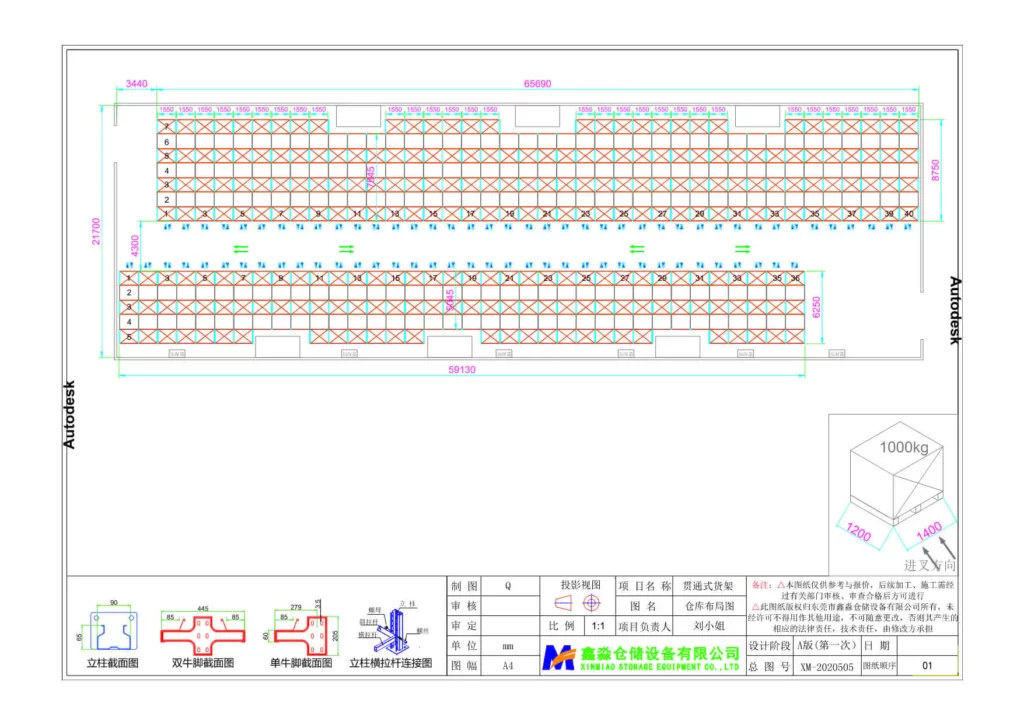
Designing the layout of a small warehouse is one of the most important decisions a business owner, logistics manager, or warehouse operator can make. A well-planned small warehouse design can dramatically increase storage capacity, speed up order fulfillment, reduce labor costs, improve safety, and create a scalable foundation for future growth. On the other hand, a poorly designed small warehouse layout leads to wasted space, constant congestion, higher error rates, safety risks, and unnecessary expenses that eat into profits every single day.
In 2026, with rising e-commerce demands, same-day delivery expectations, and increasing labor costs across China, even small warehouses (typically 500–3,000 m²) must operate with maximum efficiency. The good news is that with the right small warehouse design principles and smart storage solutions from Mracking, any limited-space facility can achieve performance levels that rival much larger operations.
This comprehensive guide provides everything you need to know about how to design the layout of a small warehouse. We walk you through a complete step-by-step process: assessing your space and needs, defining functional zones, choosing the right racking systems, optimizing vertical and horizontal space, planning traffic flow, implementing labeling and technology, ensuring safety and compliance, avoiding common mistakes, and calculating costs. Every section is packed with practical tips, real-world examples, checklists, and actionable advice tailored specifically for small warehouse environments. For a closer comparison, see Small Warehouse Design – What do you need to know?.
Whether you are starting a new small warehouse, redesigning an existing one, or planning an expansion, this guide will give you the complete knowledge and confidence to create an efficient, safe, and profitable small warehouse design.
Why Small Warehouse Design Is More Critical Than Ever in 2026
Small warehouses face unique challenges that make small warehouse design especially important. Limited floor space means every square meter must work harder. Rising rental costs in Chinese cities make inefficient layouts extremely expensive. At the same time, customer expectations for fast, accurate delivery have never been higher.
A thoughtfully designed small warehouse layout delivers measurable benefits:
- 40–60% more usable storage capacity through vertical optimization
- 30–50% faster picking and packing times
- 25–40% reduction in labor hours
- 99%+ inventory accuracy with proper slotting
- Fewer safety incidents and lower insurance costs
- Easier integration with automation as the business grows
Poor small warehouse design, by contrast, creates daily frustrations: workers walking extra distances, blocked aisles, misplaced goods, and constant re-organization. Many small warehouses lose 20–30% of potential productivity simply because of bad layout decisions.
The key to success is treating small warehouse design as a strategic project rather than a simple arrangement of shelves. At Mracking, we have helped hundreds of small and medium-sized businesses across China transform limited spaces into highly efficient operations using smart racking and proven layout principles.
Step 1: Conduct a Complete Assessment of Your Small Warehouse Space
The foundation of any successful small warehouse design is a thorough assessment. Never start moving racks or buying equipment until you have clear data about your current situation and future needs.
Measure Your Physical Space Accurately
- Record exact floor dimensions, including irregular shapes and column locations.
- Measure clear height from floor to ceiling (subtract sprinklers, lights, and beams).
- Check floor flatness tolerance (critical for racking stability).
- Note door positions, loading docks, and any obstructions.
Analyze Your Inventory Profile
- List all SKUs with pallet sizes, weights, and dimensions.
- Classify items by velocity: A (fast movers), B (medium), C (slow movers).
- Calculate average daily/weekly throughput and peak season multipliers.
- Identify special requirements (temperature control, hazardous goods, fragile items).
Study Your Operational Flow
- Map the current receiving, storage, picking, packing, and shipping process.
- Record average order size, lines per order, and daily volume.
- Measure current picking time and error rates.
- Identify bottlenecks and wasted movement.
Define Future Requirements
- Project growth for the next 3–5 years.
- Decide if automation (AGVs, conveyors) is planned.
- Set budget limits and timeline.
At Mracking, we provide a free professional assessment that includes 3D modeling and multiple layout options specifically for small warehouse spaces. This step alone prevents many costly mistakes.
Step 2: Define Functional Zones in Your Small Warehouse Layout
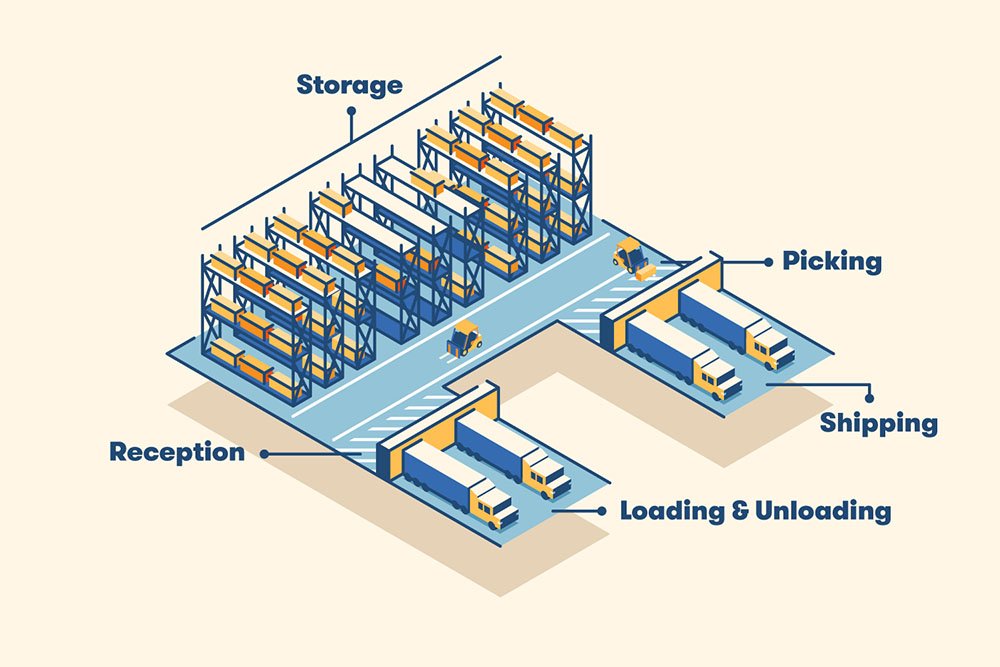
Every effective small warehouse design divides the space into clear, logical zones that support smooth material flow.

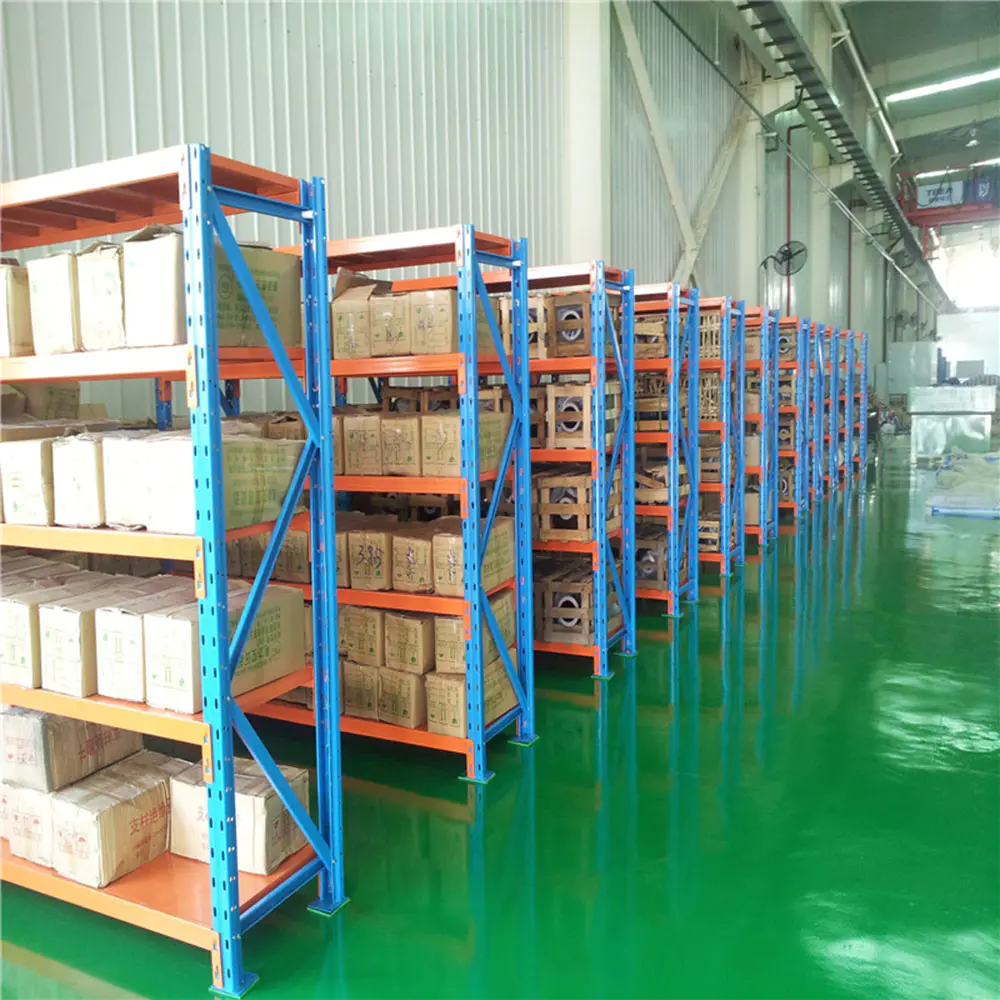
Receiving and Inspection Zone
Place this near the loading dock. Allow enough space for unloading, quality checks, and temporary holding. In small warehouses, combine receiving with a small staging area to save space.
Main Storage Zone
This is the heart of your small warehouse design. Use vertical racking to maximize cubic space. Position fast-moving items closest to the picking area and slow-movers higher or deeper. A related guide on Garage Shelving Ideas To Declutter And Maximize Your Space gives more detail for this part of the planning work.
Picking and Packing Zone
Locate this in the center or near shipping for minimum travel distance. In small warehouses, a U-shaped or L-shaped layout often works best to reduce backtracking.
Shipping and Dispatch Area
Position near exit doors with space for labeling, final checks, and loading. Keep it separate from receiving to prevent cross-traffic.
Returns and Quarantine Area
Dedicate a small, clearly marked zone for returns, damaged goods, and inspection. This prevents contamination of main inventory.
Office, Break, and Utility Area
Keep this compact and out of the main flow. In very small warehouses, use mezzanine space above storage for offices. This point also connects with Industrial Mezzanine vs Newly Built Warehouses.
Planning Traffic Flow
Design one-way traffic where possible to avoid congestion. In small warehouses, use clearly marked floor tape and signage to guide movement.
Step 3: Choose the Right Racking Systems for Small Warehouse Design
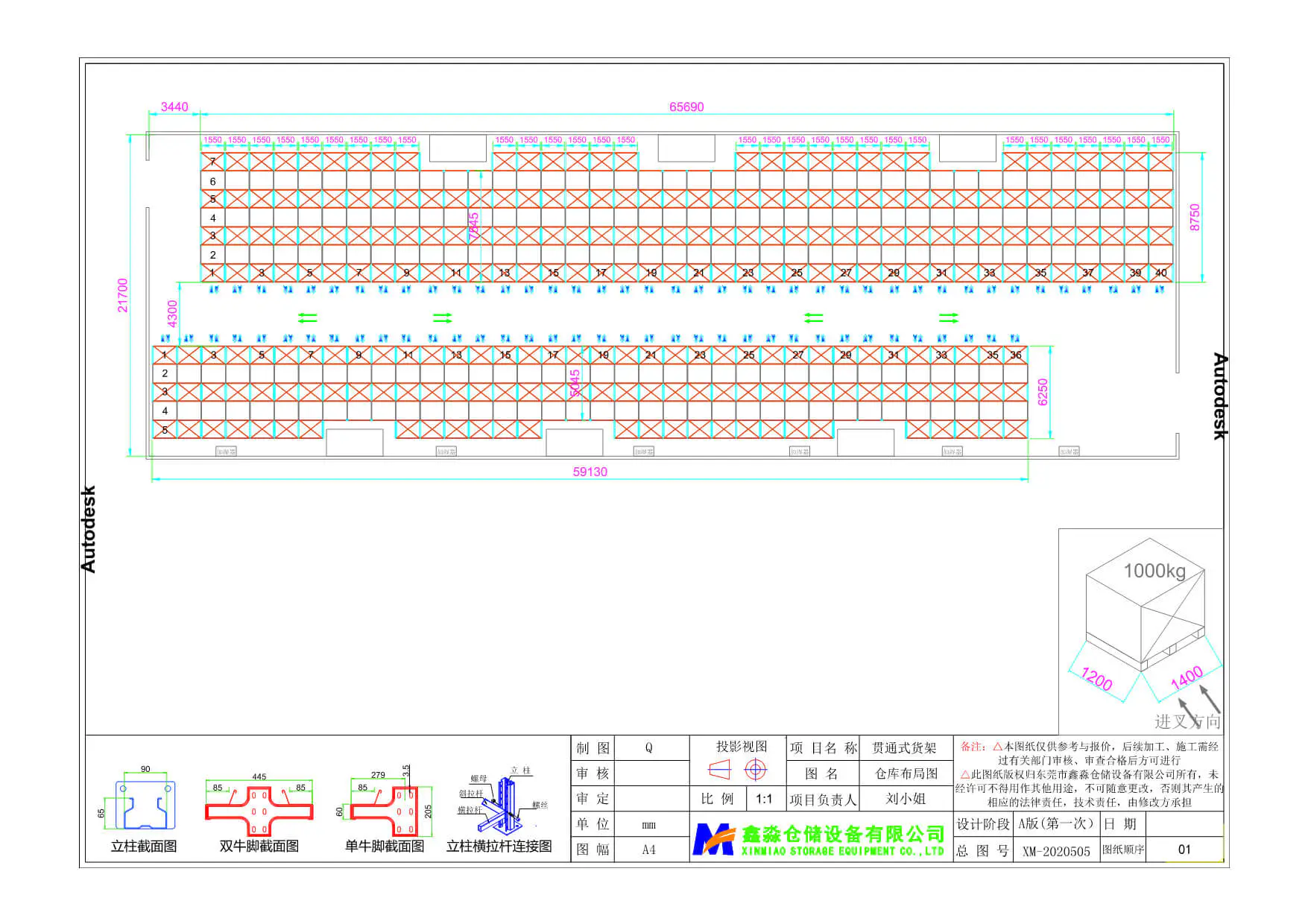
The racking system is the backbone of any small warehouse design. Mracking offers several options optimized for limited space:
Selective Pallet Racking for Small Warehouses
The most flexible choice for mixed SKUs. Adjustable beams allow easy reconfiguration as your inventory changes.
Why it works for small spaces: 100% selectivity and excellent visibility. Space tip: Use narrow aisles (2.5–3 m) with reach trucks to save floor area.
Drive-In Racking for Higher Density
Ideal when you store many pallets of the same product.
Small warehouse advantage: Eliminates aisles inside the rack structure. Best for: Food, beverage, or raw material storage with low variety.

Push-Back and Pallet Flow Racking
These dynamic systems provide good density while maintaining reasonable access.
Small warehouse benefit: Automatic stock rotation in flow systems. When to use: Medium-turnover items where FIFO is important.
Mezzanine Racking Systems
The smartest way to gain extra space without expanding the building.
Small warehouse advantage: Creates a second or third level for light or medium storage. Mracking tip: Our mezzanine platforms are engineered for small warehouses with low clear height. For product-level details, review Step-by-Step to Building a Mezzanine Floor.
Cantilever Racking for Long Items
Perfect for pipes, lumber, or irregular goods in small warehouses.
Space optimization: Arms allow full-length access without deep bays.
Mracking engineers all these systems specifically for small warehouse constraints, ensuring maximum cubic utilization while maintaining safety and accessibility.
Step 4: Optimize Vertical and Horizontal Space in Small Warehouse Design
Small warehouses succeed by thinking in three dimensions.
Maximize Vertical Space
- Install racking as high as your clear height allows (typically 6–12 meters).
- Use mezzanine platforms for additional levels.
- Store slow-moving items on upper levels.
Minimize Wasted Horizontal Space
- Reduce aisle widths to the minimum safe distance for your equipment.
- Eliminate dead zones and temporary storage areas.
- Use narrow-aisle or very narrow-aisle (VNA) configurations where possible.
Golden Zone Principle
Place the most frequently picked items between knee and shoulder height. This simple small warehouse design technique reduces worker fatigue and speeds up picking.
Slotting Strategy
Use ABC analysis: A items near packing, B items in middle zones, C items higher or deeper. Review slotting every 3–6 months.
Step 5: Design Safe and Efficient Traffic Flow
In small warehouses, poor traffic flow causes most problems.
One-Way Traffic Rules
Where space allows, create one-way aisles to prevent head-on collisions.

Clear Marking Systems
Use bright floor tape, overhead signs, and color-coded zones to guide movement.
Forklift and Pedestrian Separation
In very small spaces, create dedicated pedestrian paths or use time-based separation.
Loading and Unloading Optimization
Position receiving and shipping docks to minimize cross-traffic.
Mracking racking systems include built-in safety features like upright protectors and beam locks that support safe traffic flow. For broader industry context, Rack Manufacturers Institute (RMI) is a useful reference.
Step 6: Implement Effective Labeling and Location Systems
A good small warehouse design is useless without clear labeling.
Location Addressing System
Give every bay a unique address (e.g., A-03-05-B). Use large, durable labels with barcodes or QR codes.
Color Coding
Assign colors to product categories for instant visual recognition.
Visual Management Tools
Shadow boards, floor markings, and signboards make the layout intuitive even for new staff.
Digital Integration
Link labels to your WMS for real-time location tracking.
Step 7: Ensure Safety and Regulatory Compliance
Safety must be built into every small warehouse design.
Seismic Design Requirements
All racking must comply with GB 50011. Mracking systems include proper bracing and anchoring.
Load Management
Install clear load plaques on every beam level and enforce strict limits.


Fire Safety and Sprinkler Considerations
Leave adequate clearance for sprinklers and maintain clear aisles.
Ergonomics and Worker Safety
Design layouts that minimize bending, reaching, and heavy lifting.
Step 8: Integrate Technology Even in Small Warehouses
Modern small warehouse design benefits from technology without needing large budgets.
Basic WMS or Excel-Based Systems
Start simple and upgrade as you grow.
Voice Picking or Pick-to-Light
These low-cost tools dramatically improve accuracy in small spaces.
RFID and Barcode Integration
Mracking racking includes mounting points for easy technology upgrades.
Step 9: Common Mistakes in Small Warehouse Design and How to Avoid Them
- Overloading racks beyond rated capacity
- Ignoring vertical space
- Creating permanent dead zones
- Poor aisle planning
- Using fixed layouts that cannot adapt
- Skipping professional design and installation
Mracking helps clients avoid these mistakes through expert guidance and proven layouts.
Step 10: Cost Analysis and Budgeting for Small Warehouse Design
Typical costs for a 1,000 m² small warehouse in China (2026):
- Selective racking: 150,000–300,000 RMB
- Drive-in or mezzanine additions: 80,000–200,000 RMB
- Labeling and signage: 10,000–20,000 RMB
- Professional design and installation: 15,000–30,000 RMB
Mracking offers complete packages that deliver excellent value and fast payback.
Conclusion: Build a Smart Small Warehouse Design Today
A well-designed small warehouse layout is one of the highest-ROI improvements you can make. With careful planning, the right racking systems, and consistent organization, even limited spaces can operate with remarkable efficiency.
At Mracking, we specialize in helping businesses create optimal small warehouse design solutions. Our team provides free consultations, detailed 3D layouts, load calculations, and professional installation across China.
Ready to transform your small warehouse? Contact Mracking today for a free assessment and custom design proposal. Let us help you build a small warehouse layout that works efficiently, safely, and profitably for years to come.