


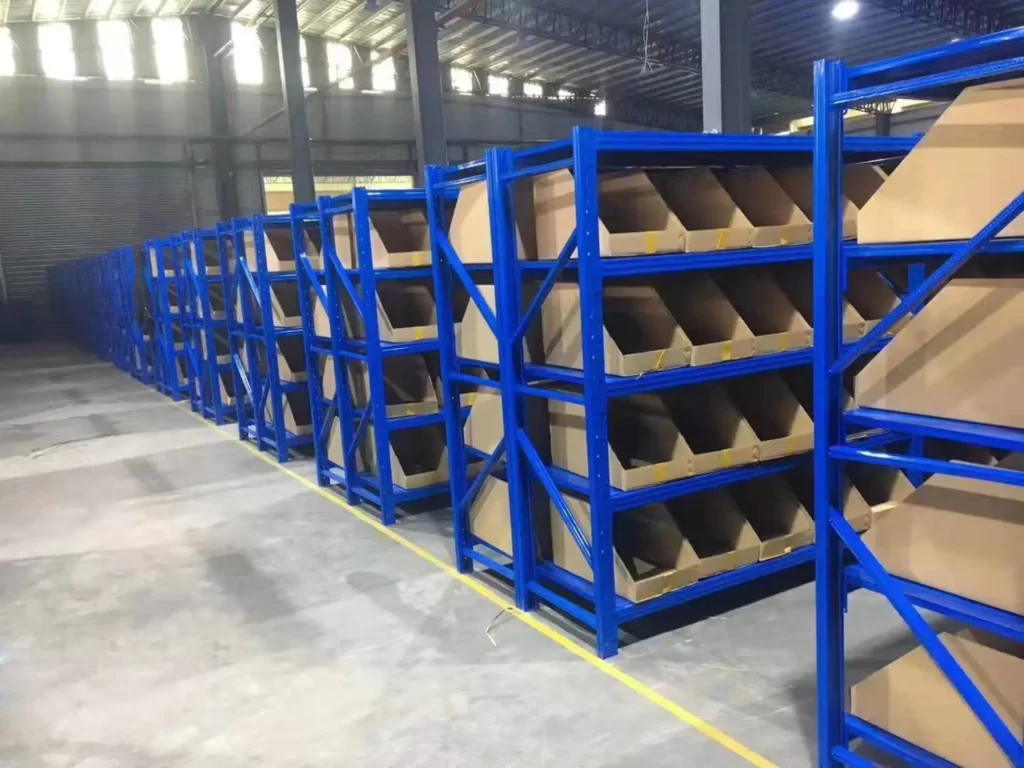
What is a Boltless Rack?
Boltless rack is a simple storage system, also known as boltless rack or rivet racking. It consists of an interlocking beam-and-post construction that makes it strong and stable. You put it together without nuts, bolts and screws, which is time and energy saving. You just connect the parts to one another to hold them. This design assists you to make flexible, sturdy shelving in warehouses, workshops, or storage rooms.

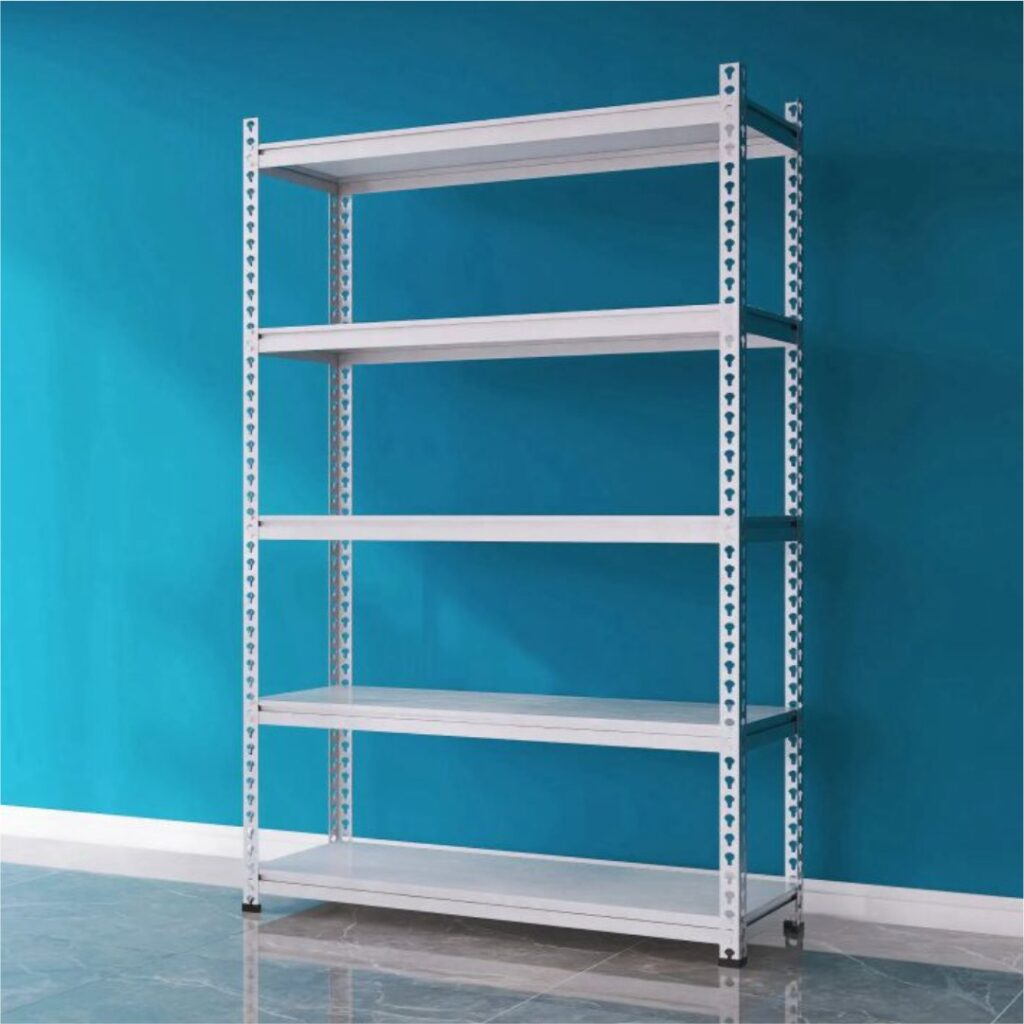
Basic Structural Components
- Vertical upright posts (angle posts)
- Horizontal beams (rivet beams)
- Rack decking panels
- Tie supports (for stability)
- Footplates (for anchoring)
How the Boltless Mechanism Works
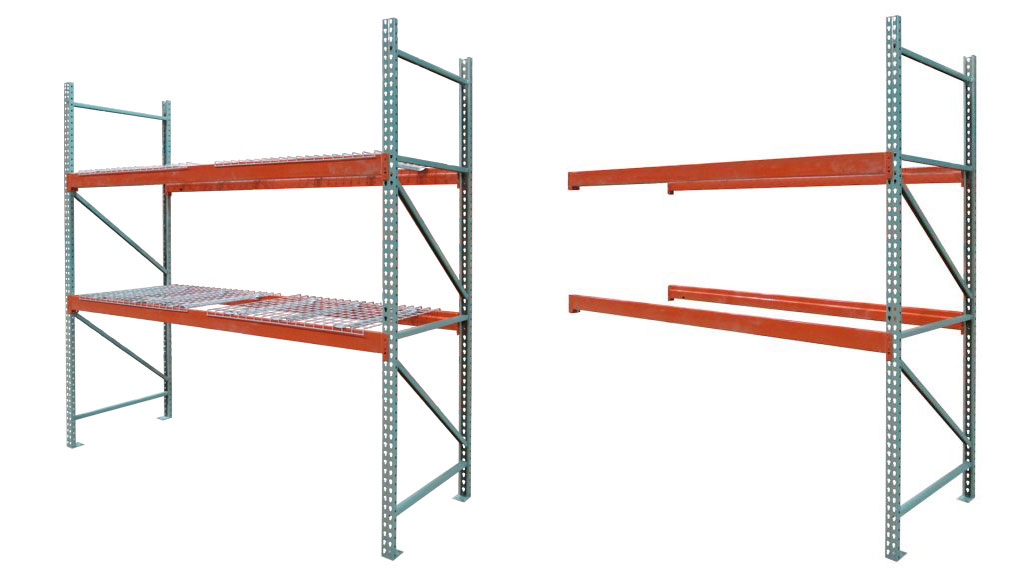
Boltless racks have a keyhole slot design which helps in the fast and effective securing of beams. You position each beam with the upright slots and push it in. Rivets heads are fitted during installation. You beat the beam lightly with a mallet to get tight in place. The frame is made stronger under load by gravity and structural tension. This system is stable and has high durability. This point also connects with Beam Pallet Racking. For broader industry context, Rack Manufacturers Institute (RMI) is a useful reference.
Key Components of Boltless Racking Systems
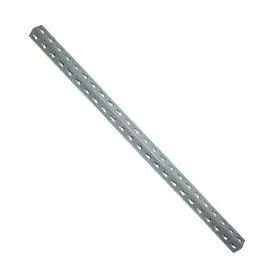
Upright Posts (Angle Posts)
The vertical supports of your boltless racking structure are upright posts. They have pre-punched holes that allow you to build beams within a short time and with precision. They are safe in carrying loads and transferring weight to the floor effectively.

Beam Types (Structural Variations)

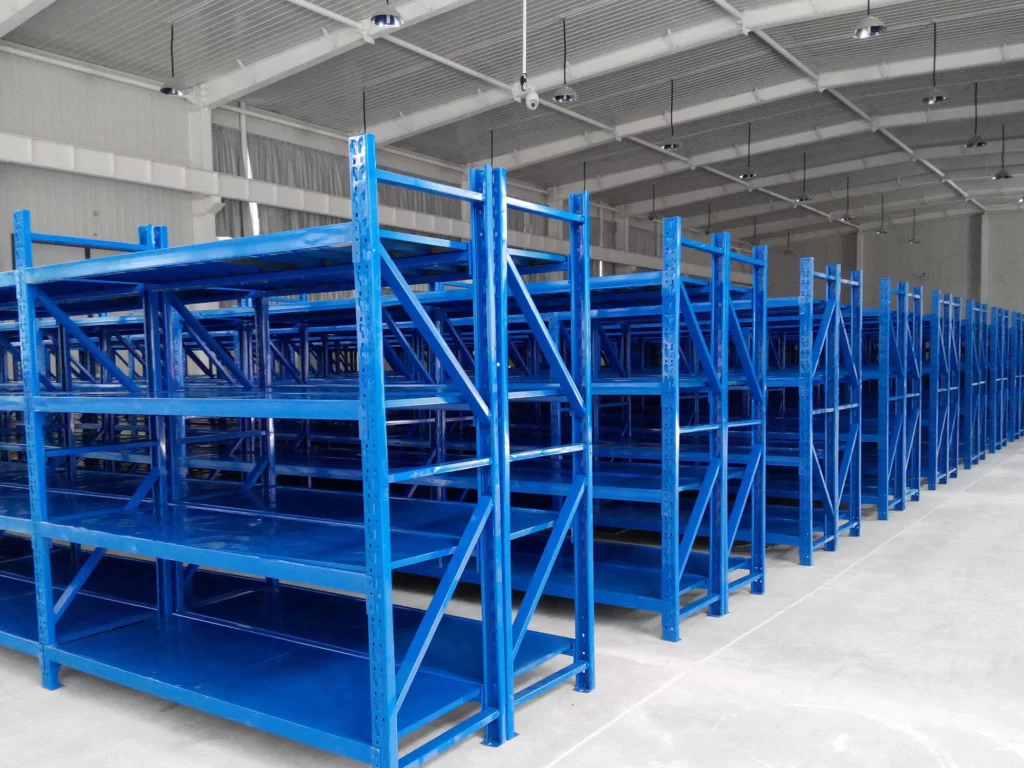
| Beam Type | Strength Level | Vertical Space Impact | Stability Level | Typical Use |
| Single Rivet Beam | Medium | Minimal | Moderate | Light-to-medium storage |
| Single Rivet Heavy Duty | High | Minimal | High | Medium industrial use |
| Double Rivet Beam | Higher | Moderate | Very High | General warehouse storage |
| Double Rivet Channel Beam | Maximum stability | Moderate | Very High (front/back + side) | Heavy-duty industrial racks |
| Double Rivet Z-Beam | High | Optimized clearance | High | Improved decking protection |
Rack Decking Options
Rack decking defines the storage arrangement of items on each level. Select materials depending on load and product type. Particle board offers cost effective storage support. This flexibility will aid in efficient storage performance optimization.
Comparison of Decking Types
| Decking Type | Strength | Ventilation | Maintenance | Ideal For |
| Particle Board | Standard | Low | Moderate | Retail, general storage |
| Wire Decking | High | Excellent | Low | Warehouses, fire sprinkler systems |
| Steel Decking | Very High | Moderate | Very Low | Heavy industrial storage |
Tie Supports
Tie helps to connect beam-to-beam in your racking structure. You fit them to minimize sway and enhance rigidity in general. These elements increase the distribution of loads among frames. They are particularly effective in double rivet systems which provide greater strength.

Tie Plates
Tie plates are used to bind together the racking units of different rows to form a single storage row. You apply them to enhance alignment and lateral stability. They assist in avoiding frame switching when it is heavily used. Correct installation ensures regular spacing and structural balance in the long term.
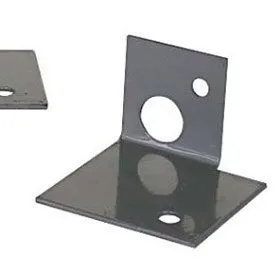
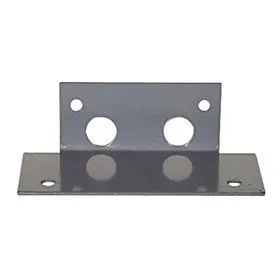
Footplates (Anchoring Components)
Footplates hold your racking system in place on the floor surface. Depending on load capacity, you select single or double designs. Fixing these parts enhances security and discourages motion. Correct floor fastening is a guarantee of stable performance under the harsh conditions of warehouses.
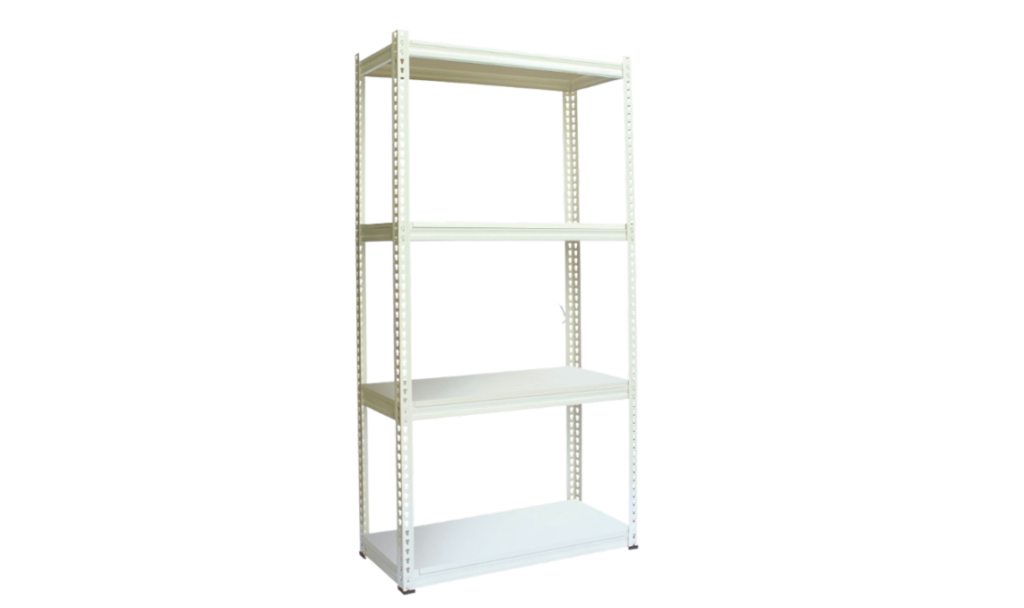
Types of Boltless Racks
Lightweight storage in organized settings is provided by light duty boltless racks. They can be used in office supplies, libraries, and small stockrooms. These racks assist you in getting the most out of the space and having the items visible and easy to reach and well organised. They enhance day-to-day performance.

Medium Duty Boltless Racks
Medium duty boltless racks support growing business loads. It is safe to store electronics, tools and e-commerce inventory. They offer more robust shelves and more dependable stability, and they assist you in arranging operations in the most effective way without losing accessibility and structural functioning. Performance is always important.

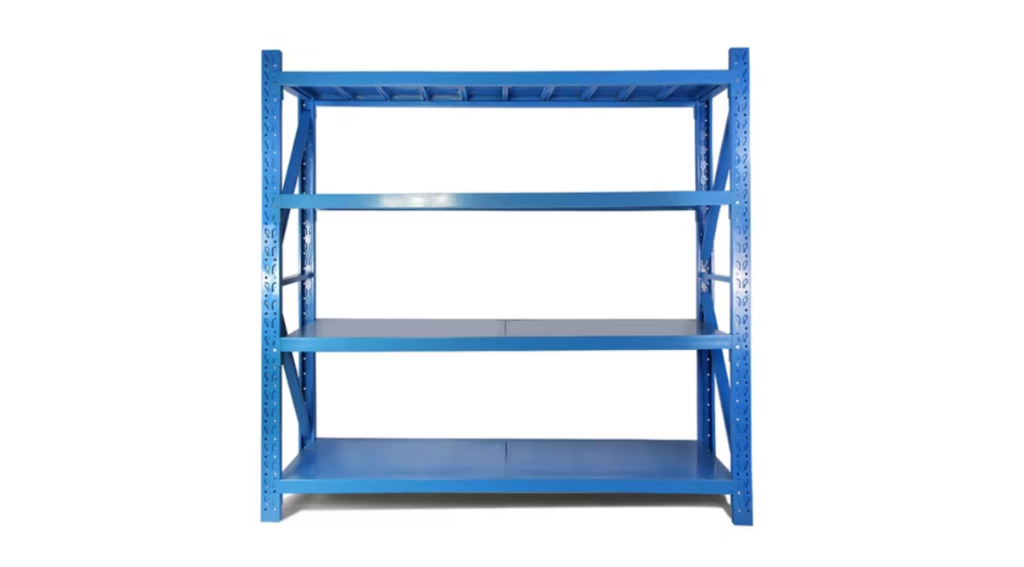
Heavy Duty Boltless Racks
Boltless heavy duty racks carry stressful industrial conditions. You will be able to keep bulk goods, raw materials and large equipment. Their strengthened frames enhance load capacity and durability so that you remain safe, efficient and reliable in warehouses wherever feasible.
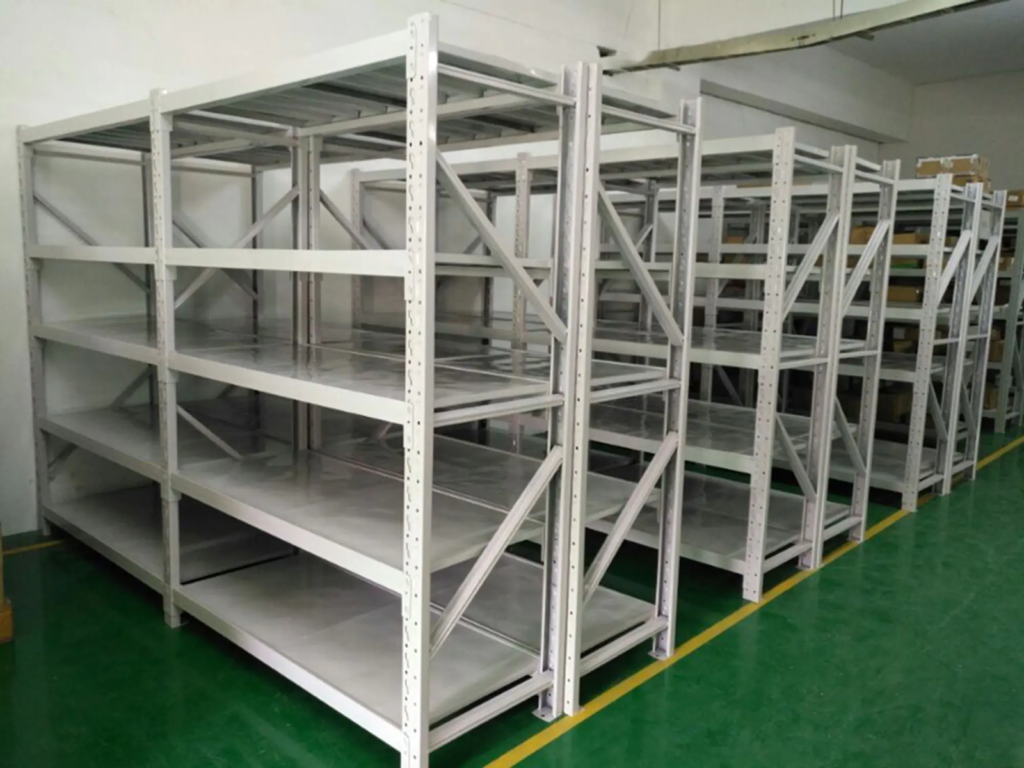
Adjustable Boltless Racks
Boltless racks can be adjusted to fit the needs of changing shelves. Heights can be adjusted fast to suit various product sizes. This flexibility will assist you in dynamic inventory management, enhanced organization, and responsiveness to changing storage needs. Elasticity contributes to a consistent growth.

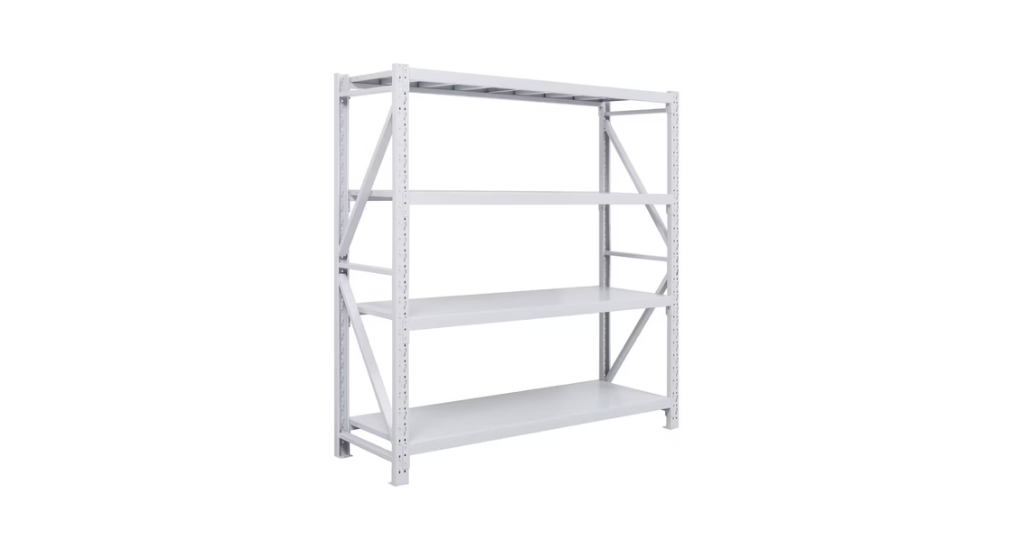
Starter vs Add-On Units
Starter units are independent racks that are the backbone of your system. You start with a starter unit and add on units to it. This easily scalable design enables you to increase storage in an efficient manner and maintain structure at low costs.

Benefits of Boltless Racks
Tool-Free Assembly
Boltless racks do not use nuts and bolts and hence they are assembled in a short period. The tools required are simple such as a rubber mallet, level and gloves to ensure safe and easy installation in any facility.
Fast Installation Time
These racks can be set up in just a few minutes and can assist you to finish projects quicker. Depending on the size and design needs and structure, teams can establish every unit within fifteen to thirty minutes.
Cost Efficiency
Boltless systems save on hardware costs, and save on labor costs during installations. You save on initial costs and enjoy the long term durability that saves substantial replacement costs and maintenance costs in the long run.
High Load-Bearing Capacity
With evenly spread loads on beams and frames, industrial-grade steel construction will hold a significant weight. The structure will allow you to use it in demanding warehouse storage applications without affecting stability performance.
Adjustable Rack Heights
Shelf spacing can be adjusted to fit changing inventory requirements, with adjustable levels of the beam. You reorganize the heights without much trouble, accommodating various product sizes and enhancing the overall storage arrangement in your facility. A related guide on How Much Does Pallet Racking Cost gives more detail for this part of the planning work.
Space Optimization
These racks make the most out of the vertical space, and you are able to utilize your limited floor space. You expand cubic storage and design systematic layouts that enhance accessibility and workflow within facilities overall to a great extent.
Easy Disassembly and Relocation
Boltless racks can be broken down easily when you are moving or adding to operations. The modular design facilitates reconfiguration, thus you can reconfigure the system to suit new spaces without structural complexities or expensive delays.
Low Maintenance Requirements
Hardened steel elements are wear-resistant and need little maintenance in the long run. You keep the racks in clean-up regimes, guaranteeing the long service life and stable operation in the harsh conditions.
How Boltless Racks Improve Different Environments
Warehouses
Boltless racks are also used to organize inventory and to make the best use of vertical storage space. You optimize picking and search time. Safe and high-density bulk goods storage is also supported by these systems.
Retail Stores
You enhance backroom organization with adjustable shelves that can easily be changed to suit a fluctuating stock level. Boltless racks can assist you in the management of consumer goods that move rapidly and in the maintenance of convenient and clean storage space on a daily basis.
Garages
You arrange tools in an orderly manner and make more room on the floor to vehicles or projects. Boltless racks are the safest place to store your seasonal equipment and a change in shelves can be easily made when your storage requirements vary conveniently.
Offices
You are good at managing archives and maintaining documents in categories so that they can be easily retrieved. Boltless shelving helps to store growing records and you have a professional working space with well arranged files and reference materials available in place.
Industrial Facilities
Boltless racks are helpful in enhancing workflow by keeping raw materials near the production areas. You minimize the time of handing, enhance safety and facilitate manufacturing processes by providing durable, versatile storage, which can handle heavy usage.
How to Choose the Right Boltless Rack
Measure Your Space
Measure height, width and depth first, then choose any rack. Install ceiling checks, doors, walkways to be safe. Proper measurements will prevent the need to fit problems and expensive modifications in the future during setup.
Determine Load Requirements
Determine the amount of weight you will store on each shelf. Evenly distribute the items to avoid bending. Do not overload the manufacturer capacity, as overloading may harm the structure and decrease the level of safety.
Choose the Correct Beam Type
Choose beams that fit your needs in terms of load capacity and shelf span. The heavier goods require stronger beams to support them. Appropriate beam choice enhances stability and ensures that your storage system is stable when used on a daily basis.
Select Proper Decking
Select decking material depending on environment, type of load and maintenance requirements. Particle board is used in dry storage and wire decking enhances airflow. Steel decking can support heavy loads and is the most durable to use in the settings with intense industrial applications.
Decide Between Starter or Add On
Think out your layout and choose whether to start with a starter unit or to add sections. Starter racks are free standing and add on units are attached to increase storage capacity as your needs increase over time.
Consider Steel Gauge
Check the steel gauge specification of any rack system before buying it. The smaller the gauge, the heavier the steel and the stronger it is. Heavy frames enhance durability, deformation resistance and significantly prolong the investment life over several years.
Step-by-Step Assembly Process of Boltless Racks
Step 1: Preparation Checklist
Start by looking through parts and matching them with packing list. Check the level of the floor and clean prior to assembly. Put on safety gloves and get a rubber mallet. Calculate plan rack heights correctly.
Step 2: Assemble End Frames
Set the upright posts on a flat plane and position the beams as per design. Install the beams in the relevant slots. Clamp every rivet with a rubber mallet. Repeat for the second frame.
Step 3: Stand Frames Upright
The assembled end frames are to be carefully lifted and placed in an upright position. Request help when dealing with high units to avoid accidents. Make sure that both frames are stable and parallel to each other and then move to the next step of the installation safely.
Step 4: Install Long Beams
Begin to lay long beams at the bottom level to ensure structural stability. Install the beams in the frame slots. Construct one layer at a time making sure that all the connections are inserted correctly before adding the next level above.
Step 5: Check Alignment
Check horizontal balances on each beam with a good level tool. Make sure the upright posts are in check. Move elements to make the structure straight, stable, and in place.
Step 6: Install Rack Decking
Lay the decking boards on the beams at the levels. Make sure the panels do not have gaps or overhang. You can press down to ensure stability and evenly distribute the weight across the frame to use as a safe storage.
Step 7: Add Safety Pins (If Applicable)
Install safety pins in the holes you have marked on the beam when your rack design has them. These pins are meant to avoid accidental beam movement during heavy loading. Make sure all installed pins are tightened then put any stored materials in racks.
Step 8: Anchor to Floor (Recommended for Industrial Use)
Install the finished rack at the final site and then anchor it. Install the right floor anchors according to your surface. Fix the base plates to minimize movement, and enhance safety in operation within industrial settings.
Safety Considerations
Load Distribution Principles
Redistribute weight on beams and frames to ensure structural stability. Arrange objects in equal measure to minimize the strain on the joints. Do not make the heavy materials in a single part, as imbalance will greatly undermine the whole rack system.
Preventing Tipping
Have secure racks with appropriate anchoring systems to ensure they do not move when in use. Heavy items should be placed on the lowest shelves to reduce the center of gravity. These tips will allow you to balance and minimize the risks of accidental tipping.
Avoiding Common Mistakes
Make sure that beams fit entirely into connectors before loading materials. Do not overload the suggested weight of the manufacturer. Floor levelness should also be examined, as irregular floors can pose a serious threat to stability and overall rack performance.
Maintenance and Longevity of Boltless Racks
- Routine inspection
- Check beam alignment
- Clean dust accumulation
- Replace damaged decking if necessary
- Avoid corrosion exposure
Cost Factors Affecting Boltless Racks
- Steel Gauge Thickness: Steel that is thicker is more expensive and strong as it consumes more material. The gauge should be chosen to fit the requirements of durability.
- Beam Type: The beam designs affect stability and the overall cost. Options that are reinforced need more shaping and welding, which adds more time to your production.
- Decking Material: The price and performance of decking material are important. Plywood, steel or wire surfaces provide various strength levels, finishes, and maintenance requirements in facilities.
- Rack Dimensions: Wider rack sizes increase costs of transportation and complexity of installation. You should take careful measurements of the available space and make sure that layout is compatible with suppliers.
- Load Capacity Rating: The higher the load capacity rating, the stronger the materials and testing processes used. Such aspects make production more expensive but save you when you fail in operation.
- Customization Requirements: Customs such as colors, adjustable levels and special sizes increase planning and tooling costs. They also amplify production corrections and augment expenses significantly on the whole.
- Installation Services: Professional installation will increase the costs of labor, but will enhance speed and accuracy. When trained professionals assemble your machine, you achieve greater stability, fewer mistakes and safer configuration.
Why Choose MRacking for Reliable and High-Quality Boltless Racks
MRacking is a reliable producer of pallet racking, boltless shelving, and warehouse storage systems with more than 16 years of experience on the industry. We provide reliable and personalized storage solutions at factory-direct pricing, which address different needs. MRacking is providing high-quality, cost-effective, and custom-made boltless rack solutions with a 20,000+ sqm production facility, 85 well-trained employees, a powerful CAD design support, and over 1,000 successful projects spread in 40+ countries. Production, packaging, shipping, and installation are all in their one-stop service, ensuring an easy and efficient installation in your warehouse or storage area.

Conclusion
To sum it up, boltless racks are versatile, robust, and economical storage options in most settings. You know how parts, loading capacity and correct assembly make it safe and work. Selecting the correct specifications will assist you in maximizing space and future value. To have a quality assurance and a personalized solution, Mracking of reputed manufacturers who provide high-performance boltless racks may be considered to satisfy your storage requirements effectively and safely. Professional guidance and careful choice will assist you to deliver consistent outcomes and working confidence to your facility. For product-level details, review Top 5 boltless rack manufacturers in the world.
FAQs
How Much Weight Can a Boltless Rack Hold?
The amount of kilograms per shelf in boltless racks is generally 150-800 kilograms. Before loading heavy items, you need to verify the manufacturer requirements. Share weight to ensure stability and structural safety. Excessive loading shortens life and heightens the chances of collapsing.
How Long Does Installation Take?
Most boltless racks can be assembled within 10 minutes. Simple designs require minimum tools such as rubber mallet. Explicit guidelines allow you to accomplish the task at a quicker pace. Bigger systems will require more time to align safely. Properly plan ahead.
Can a Boltless Rack Be Expanded Later?
It is possible to increase the size of many boltless racks by adding frames and shelves. Modular designs enable you to make adjustments when you need more storage. Ensure compatibility of checks prior to buying additional parts to your system. Weight ratings should be checked thoroughly for all added levels.
What Decking Is Best for a Boltless Rack?
Select decking according to the load requirements and the environmental factors. Heavy industrial storage is achieved using steel panels that are the most powerful. Mesh enhances visibility and movement of air to you. Light goods can be supported using wood boards at a low cost. Select match decking usage.
Is Anchoring of a Boltless Rack Necessary?
The anchoring enhances security in busy or seismic areas. High racks should be pegged to avoid falls. Wall attachment enhances stability when the loads are unequal. Isolated units can be effective in low risk zones. Evaluate space requirements prior to final selection of installation.