


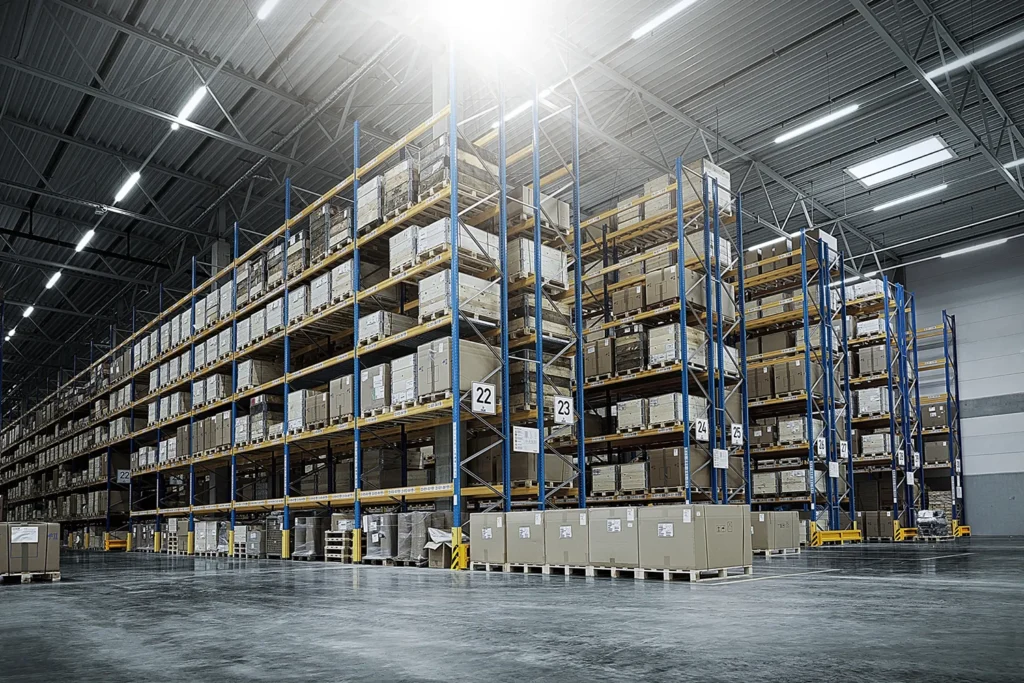
Choosing the right warehouse racking is one of the most critical and impactful decisions you will ever make for your logistics, manufacturing, distribution, or e-commerce operation. The correct warehouse racking system can dramatically increase your storage density by 40–60%, accelerate order picking speed by 30–50%, significantly reduce labor costs, improve inventory accuracy to 99%+, enhance workplace safety, and deliver a strong return on investment within just 2–3 years. On the other hand, selecting the wrong warehouse racking can lead to wasted vertical and floor space, frequent product damage, safety incidents, compatibility problems with future automation, higher insurance premiums, and thousands of RMB in hidden operational losses every single month. A related guide on Standard Racking Sizes gives more detail for this part of the planning work.
In 2026, with e-commerce continuing its explosive growth across China, same-day and next-day delivery expectations becoming the norm, labor shortages and rising wages, and the rapid adoption of automation technologies such as AGVs, AS/RS systems, and radio shuttles, businesses must be far more strategic and informed about how to choose warehouse racking. Factors like seismic compliance (GB 50011), automation readiness, future scalability, total cost of ownership over 15–25 years, and precise load calculations have become non-negotiable requirements rather than nice-to-have features. For product-level details, review Shuttle Racking vs ASRS.
At Mracking, we have designed, manufactured, and installed thousands of warehouse racking systems for companies of every size across China and international markets. This comprehensive guide provides you with a complete, step-by-step framework for how to choose warehouse racking in 2026. We cover every essential aspect in depth: understanding the different racking types and their ideal applications, conducting a thorough needs assessment, evaluating key technical and safety factors, avoiding the most common and costly mistakes, performing a detailed cost analysis, comparing total ownership costs, and making a truly future-proof decision that will serve your business for decades. For a closer comparison, see Cold Storage Warehouse Cost.
Whether you operate a small 3PL warehouse, a large-scale e-commerce fulfillment center, a temperature-controlled cold storage facility, a heavy manufacturing plant, or a multi-location distribution network, this guide will give you the detailed knowledge, practical checklists, real-world examples, and decision-making tools you need to select the perfect warehouse racking system with complete confidence.
Why Choosing the Right Warehouse Racking Is More Important Than Ever in 2026
The modern warehouse has evolved far beyond a simple storage room. It is now a high-speed, data-driven, automation-ready operation center that directly affects your company’s profitability, customer satisfaction, and competitive position in the market. Poorly chosen warehouse racking creates a cascade of expensive problems that compound over time: This point also connects with Choose The Right Warehouse Mezzanine for Your Warehouse.
- Severe under-utilization of vertical space — most warehouses still only use 35–45% of their available cubic capacity because of outdated or incorrectly specified racking.
- Chronic congestion in aisles and picking zones, leading to slower material flow and higher labor hours.
- Increased risk of rack collapse, forklift collisions, and product damage, which raises insurance premiums and creates safety liabilities.
- Incompatibility with modern automation equipment such as AGVs, radio shuttles, and AS/RS systems, forcing expensive retrofits later.
- Frequent reconfigurations and downtime when product mix changes or business grows.
- Higher long-term maintenance and replacement costs due to inferior materials and construction.
In contrast, the right warehouse racking delivers powerful, measurable benefits that directly impact your bottom line:
- 30–60% more usable storage capacity without the need to expand your building footprint.
- 25–50% faster picking and packing times through optimized slotting and layout.
- Inventory accuracy rates of 99%+ when combined with proper labeling and location systems.
- Significantly reduced labor requirements and lower overall operating costs per order.
- Full compliance with China’s strict seismic regulations (GB 50011) and national safety standards, protecting both people and assets.
- Seamless integration with Industry 4.0 technologies, making future automation upgrades simple and cost-effective.
In short, learning how to choose warehouse racking correctly is not just about buying shelves — it is about making a strategic investment that will drive efficiency, safety, and profitability for the next 15–25 years. Businesses that get this decision right gain a clear competitive advantage; those that get it wrong pay for the mistake every single day.
Step 1: Conduct a Thorough Warehouse Assessment Before Choosing Any Racking
The very first and most important step in learning how to choose warehouse racking is to conduct a complete, honest assessment of your current and future operational needs. Skipping this step is the number one reason companies end up with the wrong system.
Detailed Inventory Profile Analysis
Start by collecting accurate data on your inventory:
- Exact number of SKUs and their physical characteristics (pallet size, weight, height, fragility).
- Turnover velocity — classify items as A (fast movers), B (medium), and C (slow movers).
- Seasonality patterns and peak volume multipliers.
- Special handling requirements such as temperature control, hazardous materials, or high-value security needs.
- Current FIFO or FILO requirements for perishable or date-sensitive goods.
Building and Site Constraints Evaluation
Measure and document:

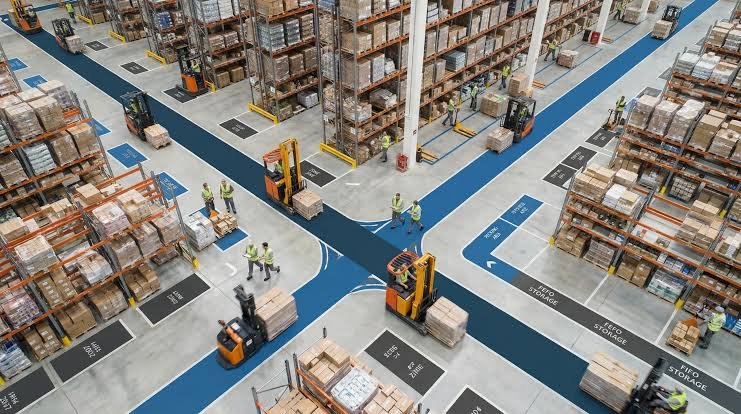
- Clear height from floor to ceiling (including sprinklers and lighting).
- Floor flatness tolerance and maximum load-bearing capacity per square meter.
- Column spacing, obstructions, door locations, and irregular building shapes.
- Seismic zone classification for your specific city or province.
- Current and planned aisle widths, receiving/shipping dock configurations, and power supply capacity.
Operational Flow and Throughput Study
Analyze your daily processes:
- Receiving and shipping volumes per day and during peak seasons.
- Current picking method (manual, voice picking, pick-to-light, or batch picking).
- Type and capacity of material handling equipment (forklifts, reach trucks, or planned AGVs).
- Order profile (number of lines per order, average order size).
Future Growth and Automation Roadmap
Project 3–5 years ahead:
- Expected increase in SKUs and storage volume.
- Plans to implement automation technologies.
- Budget availability for phased implementation.
At Mracking, we offer a completely free professional assessment service that includes detailed site surveys, 3D modeling, load calculations, and multiple layout options tailored to your exact situation. This step alone can save you from making a costly mistake.
Step 2: Master the Different Types of Warehouse Racking and Their Ideal Applications
Once you have completed your assessment, the next critical step in how to choose warehouse racking is to deeply understand the main types available and match them to your specific needs.
Selective Pallet Racking — The Most Versatile Choice
Selective pallet racking remains the most widely used system because every pallet position is 100% accessible at any time. It is ideal for warehouses with hundreds or thousands of different SKUs and medium to high turnover rates.
When to choose selective racking: General distribution centers, 3PL operations, manufacturing with diverse parts, and any facility where selectivity is more important than maximum density.
Key advantages: Easy reconfiguration, excellent visibility, perfect compatibility with forklifts and automation, and straightforward inventory management.
Typical load capacity: 1,000–5,000 kg per level depending on beam and upright specifications. For broader industry context, Rack Manufacturers Institute (RMI) is a useful reference.
Drive-In and Drive-Through Racking — Maximum Density Solutions
These systems allow forklifts to drive directly into the rack structure, eliminating aisles and achieving the highest possible storage density.
When to choose: Operations storing large quantities of the same product (homogeneous inventory) where selectivity is less important than space saving.
Advantages: 60–80% higher density than selective racking, excellent for cold storage and bulk goods.

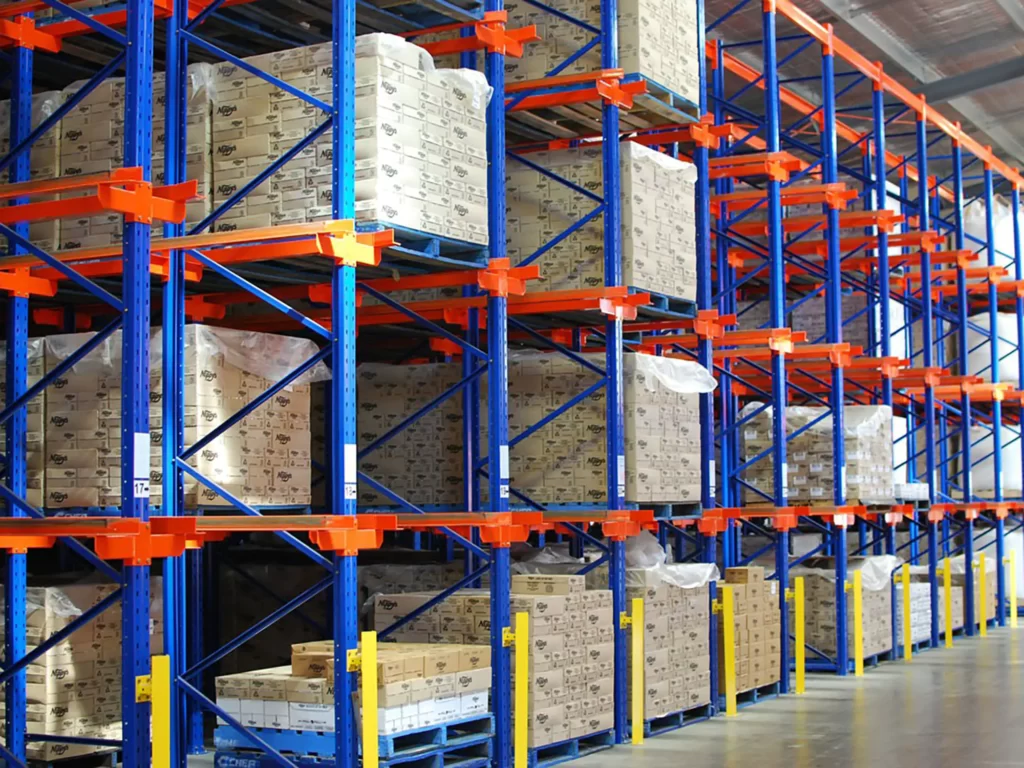
Limitations: Limited access — only the front pallets can be reached easily.
Push-Back Racking — The Dynamic High-Density Option
Push-back racking uses inclined rails and gravity to push pallets back as new ones are loaded, creating multiple deep storage lanes.
When to choose: Medium-turnover SKUs where you need high density but still want reasonable accessibility.
Advantages: Combines good density with easier access than drive-in systems.
Pallet Flow Racking (Gravity Flow) — Perfect for FIFO Discipline
Pallets roll forward automatically on inclined roller tracks, enforcing strict first-in-first-out rotation.
When to choose: Perishable goods, food and beverage, pharmaceuticals, or any operation requiring strict FIFO.
Advantages: Automatic stock rotation, reduced labor for stock rotation, excellent for fast-moving consumer goods.
Cantilever Racking — For Long and Bulky Items
Specially designed with extending arms for pipes, lumber, steel bars, furniture, and other long or irregular loads.
When to choose: Building materials suppliers, metal stock yards, or furniture manufacturers.
Mezzanine Racking Systems — Vertical Space Utilization
Multi-level platforms built inside your existing warehouse to create additional storage floors.

When to choose: Growing businesses with sufficient clear height but limited floor space.
Advantages: Can double or triple storage capacity without new construction.
AS/RS and Shuttle Racking — The Fully Automated Future
Computer-controlled high-bay systems for very large, high-volume facilities.
When to choose: Large e-commerce fulfillment centers and automated distribution hubs.
Mracking offers expert guidance on all these types and can design hybrid systems that combine the best features for your unique operation.
Step 3: Evaluate Critical Technical and Safety Factors
When learning how to choose warehouse racking, focus on these non-negotiable technical criteria:
Load Capacity and Structural Safety
Always demand certified load charts with safety factors of at least 1.5–2.0. Verify seismic compliance for your specific location in China.
Material Quality and Surface Treatment
Insist on high-tensile Q345B steel and proper corrosion protection suitable for your local climate.
Modularity and Future-Proof Design
Choose systems with easy beam adjustment and pre-drilled channels for sensors and automation.
Automation Readiness
Select racking with tight manufacturing tolerances and integrated technology paths if you plan any level of automation now or in the future.
Total Cost of Ownership Analysis
Calculate not just the initial purchase price but installation, maintenance, energy, and potential downtime costs over 15–20 years.

Mracking excels in all these technical areas while remaining competitively priced.
Step 4: Practical Checklist and Decision Framework
Use this detailed checklist when evaluating suppliers and systems:
- Request full engineering certificates and independent load test reports.
- Obtain seismic design calculations specific to your province.
- Compare total installed cost including delivery and professional installation.
- Verify automation compatibility and future upgrade paths.
- Confirm warranty length and what it actually covers.
- Ask for references from similar projects in your industry.
- Ensure the supplier offers comprehensive design and installation services.
- Review lead times and after-sales support capability.
Step 5: Common and Costly Mistakes to Avoid
Many companies make these expensive errors when choosing warehouse racking:
- Buying solely based on the lowest price per ton.
- Ignoring local seismic requirements.
- Selecting fixed, non-modular layouts.
- Underestimating future automation needs.
- Skipping professional installation and load testing.
Avoiding these mistakes is much easier when you work with experienced partners like Mracking.
Step 6: Detailed Cost Analysis of Warehouse Racking in China 2026
Approximate installed costs per pallet position (including design and professional installation):
- Selective racking: 280–650 RMB
- Drive-in racking: 200–450 RMB
- Push-back racking: 400–700 RMB
- Pallet flow racking: 450–750 RMB
- Mezzanine systems: 800–1,500 RMB per square meter
Mracking consistently delivers the best price-to-performance ratio among quality suppliers in China.
Why Mracking Is the Smartest Choice for Warehouse Racking in 2026
When you partner with Mracking, you receive:
- European-level engineering standards combined with China’s manufacturing efficiency.
- Full compliance with all Chinese seismic and safety regulations.
- Precision manufacturing with extremely tight tolerances.
- Professional design, manufacturing, and installation services in one seamless package.
- A 25-year structural warranty backed by real testing data.
- Fast customization and reliable nationwide support.
Thousands of successful Chinese businesses have already chosen Mracking for their warehouse racking needs.
Conclusion: Take Action and Choose the Right Warehouse Racking Today
How to choose warehouse racking correctly requires careful analysis of your inventory profile, building constraints, operational flow, safety requirements, automation plans, and long-term growth strategy. The right system will transform your warehouse into a highly efficient, safe, and profitable operation for decades to come.
At Mracking, we specialize in helping businesses of every size select and install the perfect warehouse racking solution tailored to their exact needs. Our experienced team provides free consultations, detailed 3D layouts, precise load calculations, professional installation, and ongoing support across China.
Ready to optimize your warehouse and make the best possible investment? Contact Mracking today for a free site assessment and custom quotation. Let us help you choose the right warehouse racking system that will drive your business success for many years ahead.